Seeing hair falling from legs can be unsettling, especially when it happens without an obvious reason. While many people focus on scalp hair loss, leg hair loss is a real concern that can signal underlying health issues or lifestyle influences. This article examines the most common causes, how to diagnose the problem, and the range of treatment options available to help you regain confidence.
Recent dermatological studies suggest that up to 12% of individuals notice noticeable leg hair thinning at some point in their lives, yet few seek professional advice. Ignoring the signs can lead to progressive loss and may reflect systemic conditions that need attention.
We will explore medical, environmental, and lifestyle factors that contribute to hair falling from legs, outline diagnostic steps, and present practical solutions—from topical treatments to advanced medical procedures. By the end of this guide, you’ll have a clear roadmap for addressing leg hair loss effectively.
Common Medical Reasons for Leg Hair Loss
Several medical conditions directly affect the growth cycle of leg hair. Understanding these can help you determine whether the issue is temporary or requires professional intervention.
Alopecia Areata
Alopecia areata is an autoimmune disorder that targets hair follicles, leading to sudden patches of hair loss on the scalp, eyebrows, and even the legs. When the immune system mistakenly attacks the pigment cells, hair shafts become brittle and fall out.
Hormonal Imbalances
Fluctuations in thyroid hormones, estrogen, or testosterone can disrupt the hair growth cycle. Hypothyroidism, for example, often presents with dry skin and hair loss on the limbs.
Peripheral Vascular Disease
Poor circulation reduces nutrient delivery to hair follicles, causing thinning and eventual loss on the lower extremities.
- Symptoms: cold feet, numbness, slow wound healing
- Risk factors: smoking, diabetes, high cholesterol
| Condition | Typical Leg Hair Symptoms | Additional Signs |
|---|---|---|
| Alopecia Areata | Patchy loss | Scalp patches, nail changes |
| Hypothyroidism | Diffuse thinning | Weight gain, fatigue |
| Peripheral Vascular Disease | Gradual thinning | Painful cramps, discoloration |
Identifying the underlying medical cause is essential because treating the root condition often restores hair growth without needing separate cosmetic solutions.
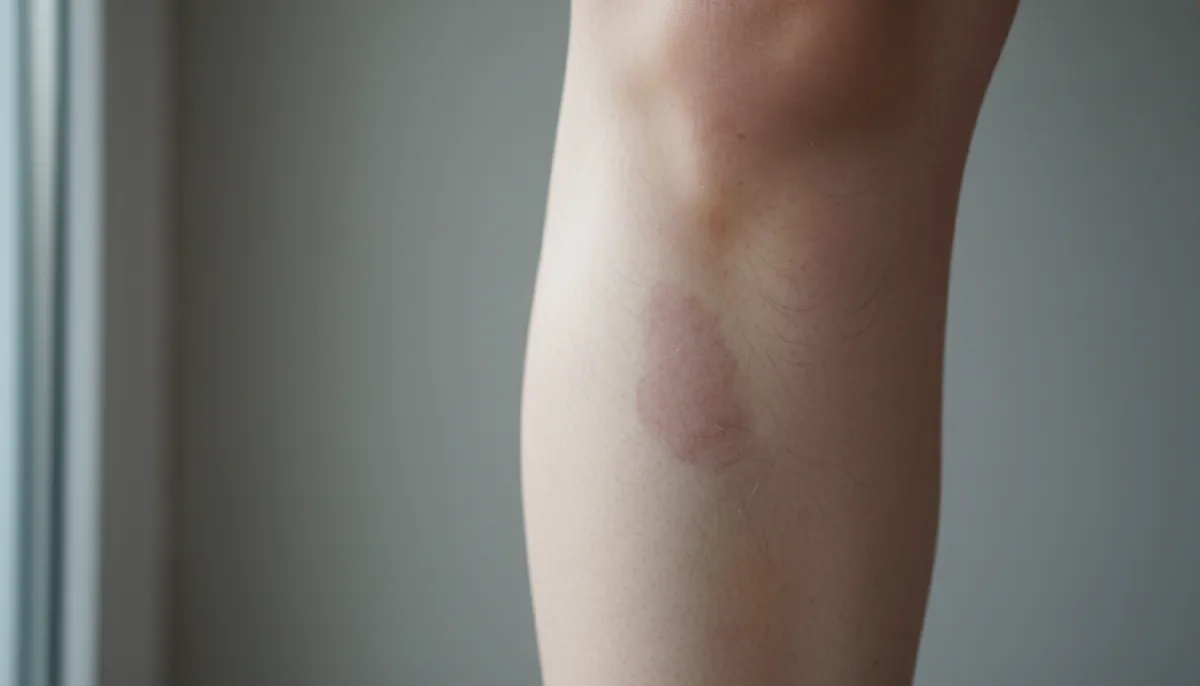
Lifestyle and Environmental Factors Affecting Leg Hair
Beyond medical issues, everyday habits and surroundings can contribute to hair falling from legs. Recognizing these factors allows you to make simple adjustments that may halt or reverse the loss.
Excessive Shaving or Waxing
Frequent mechanical removal can damage hair follicles, especially when performed with harsh chemicals or dull blades. Over time, this can lead to follicular miniaturization.
Hot Showers and Harsh Soaps
High water temperatures strip natural oils, leaving the skin and hair shafts dry and brittle. Similarly, soaps with strong detergents can irritate the skin, weakening hair roots.
Nutrition Deficiencies
A diet lacking essential vitamins and minerals—particularly iron, zinc, biotin, and vitamin D—reduces the building blocks needed for healthy hair growth.
- Iron‑rich foods: lean red meat, lentils, spinach
- Zinc sources: pumpkin seeds, chickpeas, oysters
- Biotin boosters: eggs, almonds, sweet potatoes
Even modest lifestyle changes, such as using lukewarm water, opting for gentle exfoliation, and ensuring a balanced diet, can significantly improve the condition of leg hair.
Diagnosing Hair Falling from Legs: What to Expect
When you notice unusual leg hair loss, a systematic evaluation helps pinpoint the cause. Dermatologists typically follow a step‑by‑step approach.
Medical History Review
Doctors ask about recent illnesses, medication use, family history of alopecia, and lifestyle habits that could affect hair health.
Physical Examination
Visual inspection of the affected area, checking for inflammation, scaling, or signs of infection, provides clues about the underlying process.
Laboratory Tests
Blood panels assess thyroid function, iron levels, and hormonal balances. In some cases, a skin biopsy may be performed to examine follicle health under a microscope.
| Test | Purpose | Typical Findings in Leg Hair Loss |
|---|---|---|
| Thyroid Panel | Check hormone levels | Low T4 or high TSH indicating hypothyroidism |
| Complete Blood Count | Detect anemia | Low hemoglobin or ferritin |
| Autoimmune Panel | Identify alopecia areata | Positive antinuclear antibodies |
Accurate diagnosis not only guides treatment but also helps rule out serious systemic conditions that may manifest as leg hair loss.
Treatment Options: From Topical Solutions to Advanced Therapies
Once the cause is identified, a range of treatments can address hair falling from legs. Options vary from simple home care to specialized medical interventions.
Topical Treatments
Minoxidil, originally designed for scalp hair loss, can stimulate follicular activity on the legs when applied consistently. Over‑the‑counter formulations contain 2% or 5% concentrations.
Nutritional Supplements
Biotin, iron, and zinc supplements support keratin production and improve overall hair health. Always consult a healthcare provider before starting any regimen.
Low‑Level Laser Therapy (LLLT)
Laser devices emit red light that enhances cellular metabolism in hair follicles, promoting growth. Handheld or wearable devices are available for home use.
Platelet‑Rich Plasma (PRP) Injections
PRP therapy involves injecting a concentrated platelet solution into the affected skin area, delivering growth factors that may reactivate dormant follicles.
- Procedure duration: 30–45 minutes
- Typical sessions: 3–4 spaced a month apart
- Recovery: Minimal, with possible mild redness
Hair Transplant Techniques
For extensive or resistant cases, follicular unit extraction (FUE) can relocate healthy follicles from donor sites (often the scalp) to the leg area. While less common, specialized clinics offer this precise solution.
Choosing the right treatment depends on the diagnosis, severity, and personal preferences. Combining approaches—such as topical minoxidil with nutritional support—often yields the best results.
When to Seek Professional Help: Connecting Hair Loss to Overall Health
While mild leg hair thinning may be managed with lifestyle changes, certain signs indicate the need for immediate medical attention.
- Rapid or patchy loss accompanied by skin discoloration
- Persistent itching, pain, or sores on the legs
- Associated systemic symptoms such as unexplained weight loss, fatigue, or fever
These symptoms could reflect autoimmune disorders, vascular disease, or hormonal imbalances that require comprehensive treatment. Early consultation with a dermatologist or a primary care physician ensures timely intervention and prevents further complications.
In some cases, referral to a specialized hair restoration clinic—such as Gold City Hair—offers access to advanced procedures like PRP or FUE tailored to leg hair restoration.
Why Choose Gold City Hair
Gold City Hair has been delivering personalized hair restoration solutions since 2017, combining cutting‑edge techniques with transparent communication. Our team of experienced specialists offers comprehensive assessments, ensuring that any leg hair loss is evaluated within the broader context of your health. With a commitment to safety, ethical practice, and measurable results, we provide confidence‑boosting treatments that align with your individual goals.
Ready to restore the natural look of your legs? Contact Gold City Hair today to schedule a personalized consultation and explore the most effective treatment plan for you.
FAQ
What are the common medical causes of leg hair loss?
Alopecia areata, hormonal imbalances such as hypothyroidism, and peripheral vascular disease are the most frequent medical reasons.
Can everyday habits like shaving cause hair to fall from legs?
Yes, frequent shaving or waxing can damage follicles and lead to miniaturization over time.
What diagnostic steps do dermatologists take for leg hair loss?
They review medical history, perform a physical exam, and order lab tests such as thyroid panels and iron studies.
Which treatments are effective for restoring leg hair?
Topical minoxidil, nutritional supplements, low‑level laser therapy, PRP injections, and hair transplant (FUE) are among the options.
When should someone with leg hair loss seek professional medical help?
If loss is rapid, patchy, accompanied by skin changes, pain, itching, or systemic symptoms like weight loss or fatigue.
Why choose Gold City Hair for leg hair restoration?
Gold City Hair offers personalized assessments, advanced treatments like PRP and FUE, and a track record of safe, effective results since 2017.