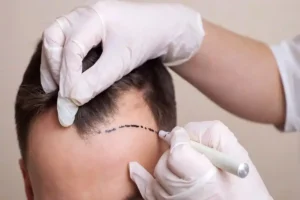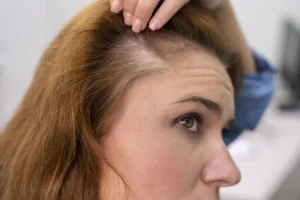
Many patients notice hair falling out after anesthesia and wonder if the procedure itself is to blame. This type of hair shedding is a common concern, especially after major surgeries that require general anesthesia. Understanding the underlying mechanisms helps you manage expectations and take proactive steps toward recovery. In fact, up to 30% of individuals report noticeable hair loss within weeks of a surgical event, a phenomenon linked to the body’s stress response.
In this article we will explore why hair loss can occur after anesthesia, how long the shedding typically lasts, and what practical measures you can adopt to minimize the impact. We will also address common myths, discuss when professional help is warranted, and provide guidance on nutrition and scalp care that support healthy regrowth.
Whether you are preparing for an upcoming operation or recovering from a recent one, the information below will equip you with the knowledge to navigate post‑surgical hair changes with confidence.
What Causes Hair to Fall Out After Anesthesia?
The primary trigger for hair shedding after anesthesia is a form of telogen effluvium, a temporary shift of hair follicles into the resting phase. Several factors converge to create this reaction:
- Physiological stress: Surgery places the body under significant stress, releasing cortisol and other hormones that disrupt the normal hair growth cycle.
- Medication effects: Certain anesthetic agents, antibiotics, and pain medications can interfere with follicle health.
- Reduced blood flow: Anesthesia may cause brief periods of lowered circulation, limiting oxygen and nutrient delivery to the scalp.
- Inflammatory response: The body’s immune reaction to tissue injury can indirectly affect hair follicles.
These mechanisms are often referred to as “shock hair” or “post‑surgical hair loss.” The condition is not permanent; most follicles resume normal activity once the stress subsides. However, patients sometimes ask, “does anesthesia cause hair loss?” The answer is that anesthesia can be a contributing factor, but it is usually the overall surgical stress that drives the shedding.
Other related concerns include “does anesthesia cause hair thinning” and “can anesthesia make your hair fall out.” Both are essentially variations of the same physiological response. Recognizing that this type of hair loss is typically temporary can alleviate anxiety and guide appropriate care.

How Long Does Post‑Anesthesia Hair Shedding Last?
Understanding the timeline helps set realistic expectations. Most individuals notice hair shedding within 2–8 weeks after the procedure, with the peak often occurring around the 4‑week mark. The shedding phase can last anywhere from a few weeks to several months, depending on the severity of the stress and individual health factors.
| Time After Surgery | Typical Hair Shedding Pattern |
|---|---|
| 0–2 weeks | Minimal change; follicles still in growth phase. |
| 2–4 weeks | Initial shedding begins; noticeable increase in hair on pillow or in shower. |
| 4–8 weeks | Peak shedding; up to 30% of hairs may be lost. |
| 8–12 weeks | Shedding slows; new growth may start to appear. |
| 3–6 months | Hair density typically returns to pre‑surgery levels. |
It is common to wonder, “will my hair grow back after parathyroid surgery?” or “will hair loss from anesthesia grow back?” In most cases, the answer is yes—hair regrows as the body recovers from the surgical insult. If shedding persists beyond six months, it may indicate an underlying condition unrelated to anesthesia, such as nutritional deficiencies or hormonal imbalances.
Patients who experience “shock hair” after a major operation, like a hysterectomy or bariatric surgery, often report a gradual return of fullness by the third month. Patience and proper scalp care are essential during this phase.
Managing and Reducing Hair Loss After Surgery
While the body’s stress response cannot be completely avoided, several strategies can lessen the severity of hair loss after anesthesia:
- Nutrition: Increase intake of protein, iron, zinc, and vitamins A, C, D, and E. Foods such as salmon, leafy greens, nuts, and berries support follicle health.
- Hydration: Adequate water intake maintains scalp moisture and improves circulation.
- Gentle hair care: Use a mild shampoo, avoid tight hairstyles, and limit heat styling for the first few months.
- Scalp massage: Light massage stimulates blood flow, encouraging nutrients to reach hair roots.
- Stress reduction: Practices like meditation, deep breathing, and light exercise can lower cortisol levels.
Specific supplements have shown promise in supporting post‑surgical hair regrowth. Biotin, marine collagen, and a comprehensive multivitamin can address “vitamins for hair loss after surgery.” However, it is advisable to consult a healthcare professional before starting any new supplement regimen.
Topical treatments such as minoxidil may also be considered if shedding is pronounced. While minoxidil does not address the root cause of anesthesia‑related shedding, it can help maintain follicle activity during the recovery window.
When to Seek Professional Help for Persistent Hair Loss
Most cases of hair falling out after anesthesia resolve on their own, but there are situations where professional evaluation is warranted:
- Duration: Shedding continues beyond six months without signs of regrowth.
- Pattern: Hair loss becomes patchy or spreads to areas not previously affected.
- Associated symptoms: Scalp itching, redness, or pain that does not improve.
- Medical history: Pre‑existing conditions such as thyroid disorders or autoimmune disease.
In these scenarios, a dermatologist can perform a thorough scalp examination, possibly including a trichogram or blood tests, to rule out other causes. If permanent thinning is identified, hair restoration options—such as FUE or DHI transplants offered by Gold City Hair—may be discussed.
It is also important to differentiate “post‑surgery hair loss” from “post‑anesthesia hair loss.” While the terms are often used interchangeably, the underlying triggers may differ slightly, and a specialist can tailor treatment accordingly.
Common Myths About Anesthesia‑Related Hair Loss
Misconceptions can cause unnecessary worry. Below are some frequently asked questions clarified with evidence‑based answers:
- Myth: All hair loss after surgery is permanent.
Fact: The majority of cases are temporary telogen effluvium that resolves within months. - Myth: Only general anesthesia causes hair shedding.
Fact: Any significant surgical stress, including regional or spinal anesthesia, can trigger the response. - Myth: Shaving the head before surgery prevents hair loss.
Fact: Hair length does not influence the physiological stress response. - Myth: Using special shampoos during recovery stops shedding.
Fact: Gentle care helps, but no shampoo can halt the underlying telogen shift.
Addressing these myths helps patients focus on realistic care strategies rather than ineffective quick fixes.
Why Choose Gold City Hair
Gold City Hair has been a trusted hair restoration center in Turkey since 2017, offering personalized consultations and state‑of‑the‑art techniques such as FUE, DHI, and eyebrow or beard transplants. Our experienced team understands the emotional impact of hair loss, whether it follows surgery or develops over time. We combine transparent communication with customized treatment plans, ensuring each patient receives the most appropriate solution for their unique situation.
Ready to restore confidence in your hair? Contact Gold City Hair today for a personalized assessment and discover the best path forward for lasting results.
FAQ
Does anesthesia cause hair loss?
Anesthesia can contribute to hair loss, but the primary trigger is the overall surgical stress that induces telogen effluvium.
How long does hair shedding last after surgery?
Typical shedding begins 2–4 weeks post‑operation, peaks around 4–8 weeks, and usually resolves within 3–6 months.
What can I do to reduce hair loss after anesthesia?
Focus on nutrition, hydration, gentle hair care, scalp massage, stress reduction, and consider supplements or minoxidil if needed.
Will my hair grow back after anesthesia‑related shedding?
Yes, in most cases hair regrows as the body recovers from surgical stress.
When should I see a dermatologist for post‑surgical hair loss?
If shedding continues beyond six months, becomes patchy, or is accompanied by scalp symptoms, seek professional help.
Are there supplements that help with hair regrowth after surgery?
Biotin, marine collagen, and a broad‑spectrum multivitamin are commonly recommended, but should be taken under medical advice.