Experiencing hair falling out while brushing can be unsettling, especially when you’re unsure whether it’s a normal part of the hair growth cycle or a sign of an underlying issue. This article explores the most common causes, helps you differentiate typical shedding from early hair loss, and offers practical tips to reduce unnecessary breakage. Did you know that the average person loses 50‑100 strands of hair each day, yet many mistake normal shedding for a problem? By the end of this guide, you’ll have a clear picture of why your hair may be shedding during brushing and what actions you can take to keep your scalp healthy and your confidence high.
We’ll examine lifestyle habits, nutritional factors, and medical conditions that contribute to excessive shedding. You’ll also learn when it’s time to consult a professional and what modern hair restoration options are available, including the advanced techniques offered by Gold City Hair.
Whether you’re noticing a few extra hairs in the sink or finding clumps of strands on your pillow, understanding the root cause is the first step toward effective prevention and treatment.
Common Reasons for Hair Shedding During Brushing
Many people wonder why their hair seems to come out in larger quantities when they comb or brush. The following factors are the most frequent culprits:
- Mechanical stress: Aggressive brushing, especially with fine-toothed combs, can pull out hair that is loosely attached to the follicle.
- Heat styling tools that weaken the hair shaft, making it more prone to breakage.
- Hair accessories such as tight elastics or metal clips that create tension.
- Improper brushing technique, like brushing wet hair without a detangling spray.
Beyond mechanical causes, physiological processes also play a role:
| Cause | How It Affects Shedding |
|---|---|
| Seasonal shedding | Hormonal fluctuations in spring and fall can increase the telogen phase, leading to more hair falling out while brushing. |
| Hormonal changes | Pregnancy, menopause, and thyroid imbalances alter the growth cycle, often resulting in noticeable shedding. |
| Stress | Physical or emotional stress can trigger telogen effluvium, where a larger proportion of hairs enter the resting phase. |
Understanding these triggers helps you pinpoint whether the shedding is temporary or indicative of a deeper issue. If you notice sudden spikes in hair loss, especially accompanied by thinning patches, it may be time to explore medical explanations.
How to Distinguish Normal Shedding from Early Hair Loss
Not every strand that falls out while brushing signals a problem. Dermatologists use specific criteria to differentiate normal shedding from early hair loss. Consider the following guidelines:
- Quantity: Losing up to 100 hairs per day is typical. More than 150 strands consistently may indicate an issue.
- Pattern: Uniform shedding across the scalp is normal. Noticeable thinning at the crown, hairline, or temples suggests early alopecia.
- Duration: Temporary spikes (e.g., after a haircut or illness) usually resolve within weeks. Persistent shedding for several months warrants evaluation.
One useful method is the “hair pull test.” Gently grasp about 40 hairs at the crown and pull lightly; if more than 6 hairs come out, it may be a sign of active shedding.
Below is a quick reference table to help you assess the situation:
| Indicator | Normal | Potential Concern |
|---|---|---|
| Daily hair loss | 50‑100 strands | 150+ strands |
| Location | Even distribution | Specific thinning areas |
| Duration of increased shedding | Less than 4 weeks | More than 8 weeks |
If your observations align with the “Potential Concern” column, consulting a hair specialist is advisable. Early detection enables more effective interventions, ranging from lifestyle adjustments to medical therapies.
Everyday Habits and Styling Practices That Increase Shedding
Daily routines can unintentionally amplify hair loss while brushing. Identifying and modifying these habits can make a noticeable difference.
Improper Brushing Technique
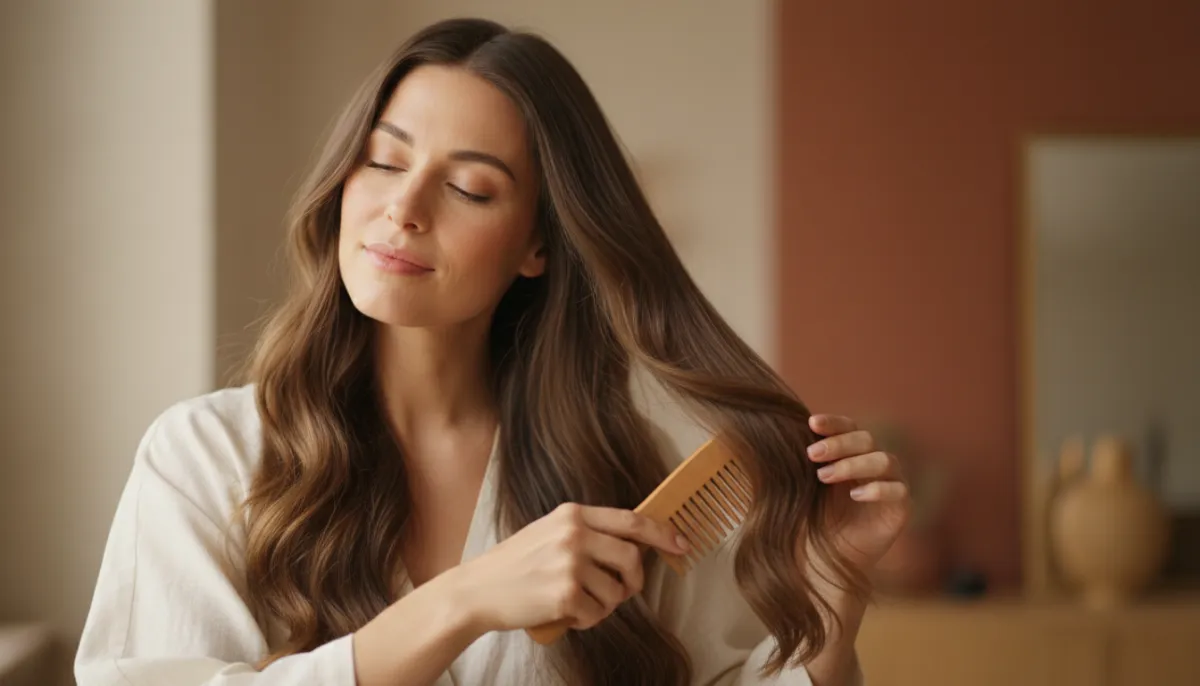
Brushing aggressively from the roots to the tips can snap fragile hairs. Instead, start at the ends and work upward, using a wide-tooth comb on wet hair and a soft brush on dry hair.
Heat and Chemical Treatments
Frequent use of flat irons, curling wands, and harsh dyes weakens the cuticle, leading to breakage that mimics shedding. Limit heat styling to two–three times per week and always apply a heat‑protectant serum.
Tight Hairstyles
Styles such as tight ponytails, braids, or buns exert constant tension on follicles, a condition known as traction alopecia. Looser styles and regular breaks from tight hairdos reduce this risk.
Below is a checklist you can use to audit your hair‑care routine:
- Do you use a wide‑tooth comb on wet hair?
- Are heat tools limited to a few sessions per week?
- Do you apply a nourishing conditioner after each wash?
- Are hairstyles loose enough to avoid constant pull?
- Do you regularly massage your scalp to stimulate circulation?
Implementing these simple adjustments can lower the amount of hair that falls out while brushing and promote overall scalp health.
Nutritional and Medical Factors Contributing to Excessive Hair Loss
What you eat and your overall health status have a direct impact on hair growth. Deficiencies and medical conditions often manifest as increased shedding during brushing.
Key Nutrients for Healthy Hair
Hair follicles require a steady supply of vitamins and minerals:
- Biotin (Vitamin B7): Supports keratin production.
- Iron: Essential for oxygen transport to follicles.
- Zinc: Regulates hormone levels that affect hair growth.
- Vitamin D: Influences the hair growth cycle.
- Protein: Provides the building blocks for hair strands.
Incorporate foods such as eggs, nuts, leafy greens, and lean meats to maintain adequate levels. If you suspect a deficiency, a blood test can confirm and guide supplementation.
Medical Conditions to Watch
Several health issues are linked to heightened hair shedding:
| Condition | Typical Hair Symptoms | Recommended Action |
|---|---|---|
| Thyroid disorders | Diffuse thinning, hair feeling brittle | Consult an endocrinologist for hormone regulation |
| Polycystic ovary syndrome (PCOS) | Hair thinning at the crown, increased shedding | Seek gynecological evaluation and hormonal therapy |
| Anaemia | Hair loss in patches, dull hair texture | Iron supplementation under medical supervision |
| Autoimmune diseases (e.g., alopecia areata) | Sudden round patches of hair loss | Dermatology referral for targeted treatment |
Addressing these underlying issues often reduces the amount of hair that falls out while brushing and improves overall hair density.
When to Seek Professional Help and Treatment Options
If you have ruled out simple lifestyle factors and still notice persistent hair falling out while brushing, professional evaluation becomes essential. Early intervention can prevent further thinning and open the door to effective treatments.
Diagnostic Steps
Hair specialists typically perform:
- Scalp examination to assess follicle health.
- Blood work to detect hormonal or nutritional imbalances.
- Trichoscopy (microscopic scalp imaging) to identify miniaturized hairs.
- Discussion of family history and stress levels.
Medical and Surgical Treatments
Depending on the diagnosis, options may include:
- Topical minoxidil or oral finasteride for androgen‑related loss.
- Platelet‑rich plasma (PRP) therapy to stimulate growth.
- Low‑level laser therapy (LLLT) devices for scalp rejuvenation.
- Follicular Unit Extraction (FUE) and Direct Hair Implantation (DHI) for permanent restoration.
Gold City Hair specializes in FUE and DHI techniques, offering personalized treatment plans that consider your unique hair pattern and goals. Their experienced team ensures a comfortable experience from the initial consultation through post‑procedure care.
Remember, the sooner you address abnormal shedding, the better the chances of preserving existing hair and achieving successful regrowth.
Why Choose Gold City Hair
Gold City Hair has been delivering safe, effective hair restoration solutions in Turkey since 2017. Our clinic combines cutting‑edge FUE and DHI technologies with a personalized approach, ensuring each patient receives a treatment plan tailored to their specific needs. Transparent communication, experienced surgeons, and a commitment to natural‑looking results set us apart. Whether you are dealing with subtle shedding or significant hair loss, our team is dedicated to helping you regain confidence through healthy, lasting hair growth.
Ready to stop worrying about hair falling out while brushing? Contact Gold City Hair today to schedule a confidential consultation and discover the best solution for your hair goals.
FAQ
Why does my hair fall out more when I brush it?
Hair can fall out during brushing due to mechanical stress, tight accessories, or underlying hormonal and nutritional issues.
How can I tell if my shedding is normal or a sign of early hair loss?
Normal shedding is up to 100 hairs per day, evenly distributed, and short‑term; early hair loss shows higher counts, localized thinning, and lasts longer.
What everyday habits increase hair shedding while brushing?
Aggressive brushing, heat styling, tight hairstyles, and brushing wet hair without a wide‑tooth comb are common culprits.
Which nutrients are essential for preventing hair loss?
Biotin, iron, zinc, vitamin D, and protein are key nutrients that support healthy hair growth.
When should I seek professional help for hair shedding?
If shedding exceeds normal limits, persists for more than two months, or is accompanied by thinning patches, consult a specialist.
What are the most effective medical treatments for excessive shedding?
Topical minoxidil, oral finasteride, PRP therapy, low‑level laser therapy, and hair transplant surgery are commonly used.