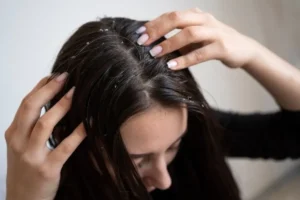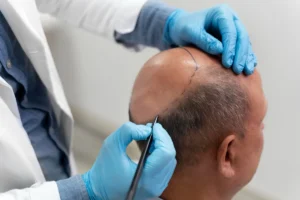
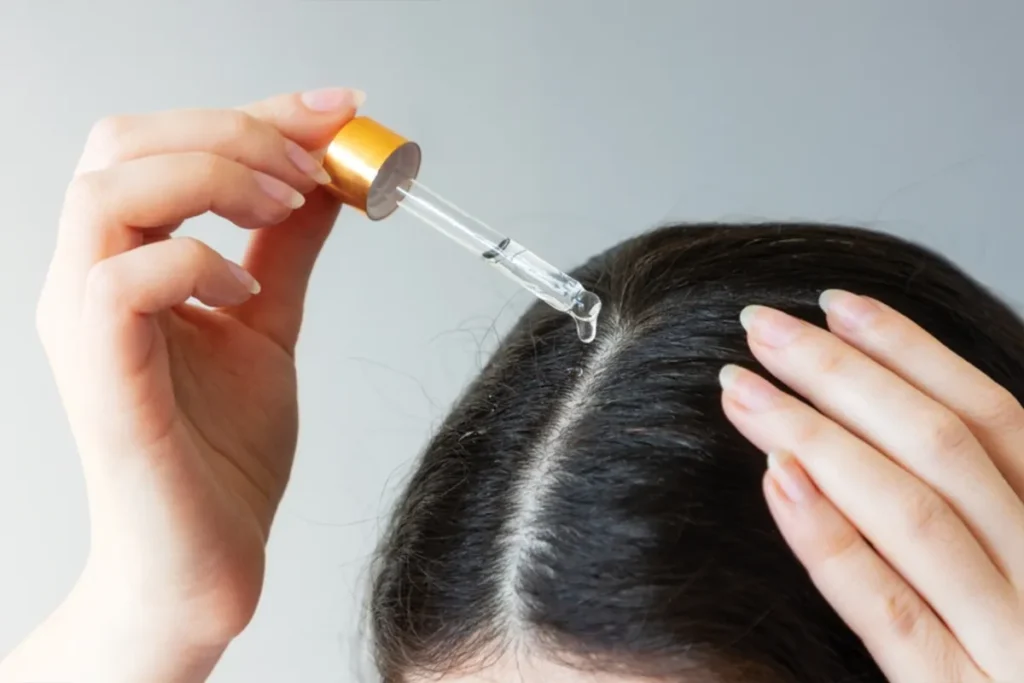
Losing your hair to chemotherapy is really tough. But knowing how to grow your hair back after treatment can give you hope. Usually, hair starts growing back 2-3 months after you finish chemo.
Celebrate hair growth post chemotherapy with these big wins. Discover amazing, gentle ways to regrow your hair and achieve incredible health fast.
When your hair grows back, it might look different at first. This is usually just a temporary change. Most people get their hair back fully in 6 to 12 months. Learning about hair growth after chemo can help cancer survivors feel better and more hopeful.
Key Takeaways
Hair regrowth typically begins within 2-3 months after chemotherapy.
Initial regrowth may exhibit changes in color and texture.
Full hair restoration is expected within 6 to 12 months.
Understanding the hair regrowth process can empower cancer survivors.
Regaining confidence is a significant emotional benefit of hair restoration.
Understanding Hair Growth Post Chemotherapy
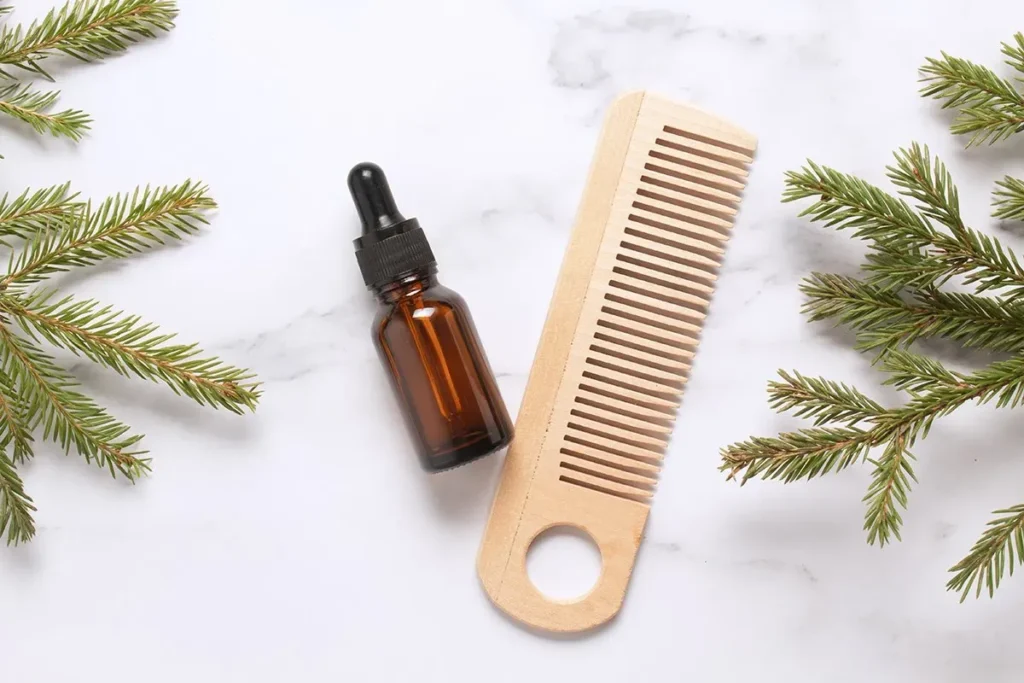
Many patients worry about losing their hair during chemotherapy. Knowing what happens during regrowth can be very empowering. It helps to understand the science behind hair loss and regrowth.
The Science Behind Hair Loss During Treatment
Chemotherapy targets fast-growing cells, including hair follicles. This disrupts the hair growth cycle, causing hair loss. The impact on hair follicles is usually temporary, and hair growth resumes after treatment ends.
The hair growth cycle has three phases: anagen (growth), catagen (transitional), and telogen (resting). Chemotherapy drugs affect the anagen phase. This causes hair follicles to enter the resting phase, leading to excessive hair shedding.
Typical Timeline for Hair Regrowth
Hair regrowth after chemotherapy is a slow process. Patients usually see initial signs of regrowth within 3-6 months after treatment. But, the rate and timing vary among individuals.
Initial Regrowth: Fine, soft hair often appears first.
Progressive Thickening: Over time, the hair thickens and becomes more robust.
Full Recovery: It may take up to a year or more for hair to return to its pre-treatment state.
What to Expect: “Chemo Curls” and Texture Changes
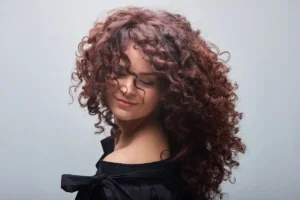
Many patients notice changes in hair texture after chemotherapy, known as “chemo curls.” About 63% of patients see their hair becoming curlier or wavier.
Some key changes include:
Texture Variation: Hair may become curlier, wavier, or even straighter than before.
Thickness: About 58% of patients report their hair growing back thinner.
Color: In some cases, the regrown hair may have a different color or texture.
Understanding these changes can help patients prepare for the regrowth process. It makes the journey less daunting and more manageable.
Practical Steps to Support Hair Regrowth
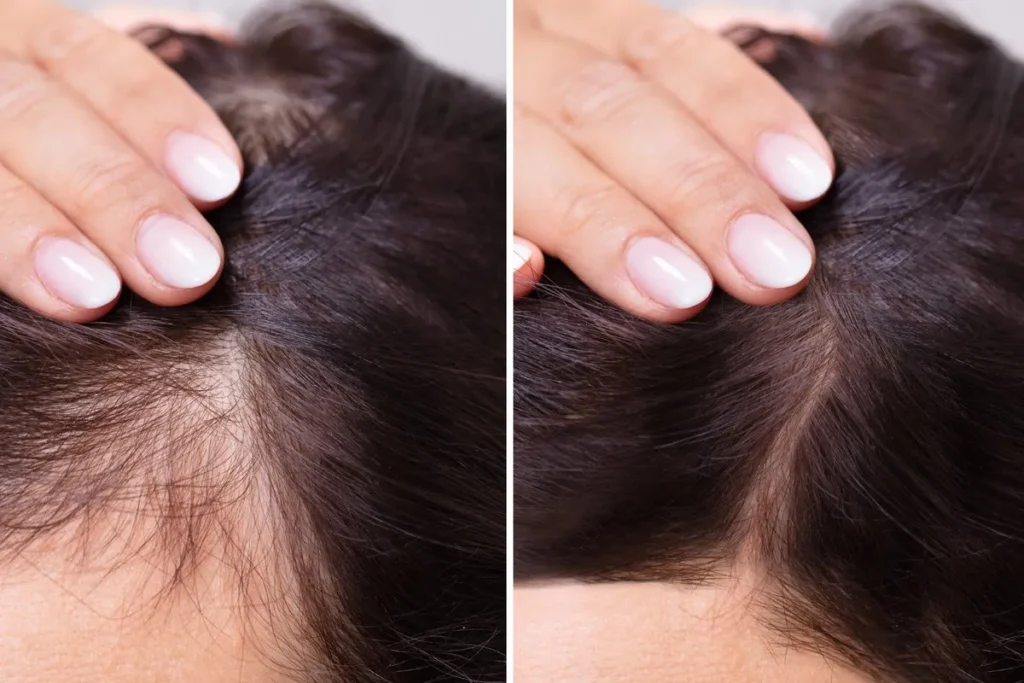
Getting your confidence back starts with knowing how to help your hair grow after chemo. Your hair and scalp need special care to grow healthy again.
Gentle Scalp Care Techniques
Gentle scalp care is key for hair growth. Avoid washing your hair more than twice a week to keep its natural oils. Using a baby shampoo is good because it’s gentle.
Massage your scalp gently to increase blood flow.
Use a wide-tooth comb to detangle your hair, reducing breakage.
Avoid harsh chemical treatments or excessive heat styling.
Nutrition and Supplements for Healthy Hair Growth
Eating a balanced diet is vital for hair growth. Include foods high in protein, iron, biotin, and vitamins A, C, D, and E in your meals. These nutrients help your hair grow strong.
Eat foods like salmon, almonds, and spinach for omega-3 fatty acids and antioxidants.
Think about taking biotin and vitamin B complex after talking to your doctor.
Drink lots of water all day to stay hydrated.
Protective Styling and Hair Care Products
Protective styling can reduce hair breakage and help it grow. Choose styles that don’t pull too tightly on your hair, like loose braids or buns. Pick hair care products that are sulfate-free and made for damaged or post-chemo hair.
Use a microfiber towel or an old t-shirt to dry your hair instead of a regular towel.
Avoid using heat styling tools or use a heat protectant spray when you do.
Consider using a scalp serum or hair growth treatment to stimulate regrowth.
By following these steps, you can help your hair grow back after chemo. Remember, patience and gentle care are important for growing strong, healthy hair.
Conclusion: Embracing Your Hair Journey After Chemotherapy
Getting your confidence back through hair restoration is a big step after cancer. Hair starts growing back 3 to 6 months after chemo. Knowing how hair grows back and dealing with “chemo curls” helps set realistic goals.
Gentle scalp care, good nutrition, and the right hair products are key for hair growth. Protective styling and the right hair care products help promote healthy hair. Everyone’s journey to full hair is different, but patience and the right care are essential.
For professional help, talking to a hair restoration expert can offer personalized advice. They can help you achieve your hair goals and boost your confidence.
Thanks to new hair restoration methods and personalized care, you can look forward to growing your natural hair. Understanding hair growth stages and finding the right hair care products are steps towards your goal.
FAQ
How long does it take for hair to grow back after chemotherapy?
Hair usually starts growing back 2–3 weeks after chemotherapy ends, with noticeable regrowth in 1–3 months. Full hair recovery can take 6–12 months, depending on the individual and treatment type.
What are “chemo curls” and are they permanent?
“Chemo curls” refer to new hair growing back with a different texture, often curlier or wavier than before. They are usually temporary, and hair may gradually return to its original texture.
How can I support hair regrowth after chemotherapy?
Support regrowth by maintaining a healthy diet, keeping the scalp moisturized, avoiding harsh chemicals or heat, using gentle hair care products, and protecting the scalp from sun exposure.
Can I take supplements to promote hair growth after chemotherapy?
Supplements like biotin, zinc, iron, omega-3 fatty acids, and a multivitamin may help if you have deficiencies, but it’s important to consult your oncologist before starting any supplements.
Why is my hair growing back while I’m on chemotherapy?
Some chemotherapy drugs affect hair follicles differently, so in certain cases, hair may begin regrowing even between cycles or as treatment intensity decreases.
How can I care for my scalp during hair regrowth?
Be gentle: use mild shampoos, moisturize the scalp, avoid tight hairstyles, protect from sun, and avoid harsh chemicals. Scalp massages can also stimulate blood flow.
Will my hair grow back the same as it was before chemotherapy?
Often, hair grows back slightly different—it may be thicker, thinner, curlier, or a different color initially. Over time, it may return closer to its original texture.
Can I dye my hair after chemotherapy?
Yes, but wait until hair is strong enough (usually a few months of regrowth), and use gentle, ammonia-free dyes to avoid scalp irritation.
References
National Center for Biotechnology Information. Evidence-Based Medical Insight. Retrieved from https://pmc.ncbi.nlm.nih.gov/articles/PMC8411022/