Keeping your hair healthy is key for looking good and feeling great. With millions worldwide dealing with hair loss, it’s vital to know about hair care practices.
The hair care market is booming, hitting about 93.74 billion USD in 2024. It’s expected to go over 121.08 billion USD by 2030. This growth shows how important hair wellness has become to people.
Eighty-six percent of Americans have a hair care routine. This shows how much people value daily hair care. This article will share top tips and guidelines for healthy hair.
Key Takeaways
Understanding the importance of scalp health in maintaining healthy hair.
Overview of current research and statistics on hair wellness.
Essential hair care practices for daily maintenance.
Guidelines for choosing the right hair care products.
Tips for preventing common hair care mistakes.
Understanding Hair and Scalp Health
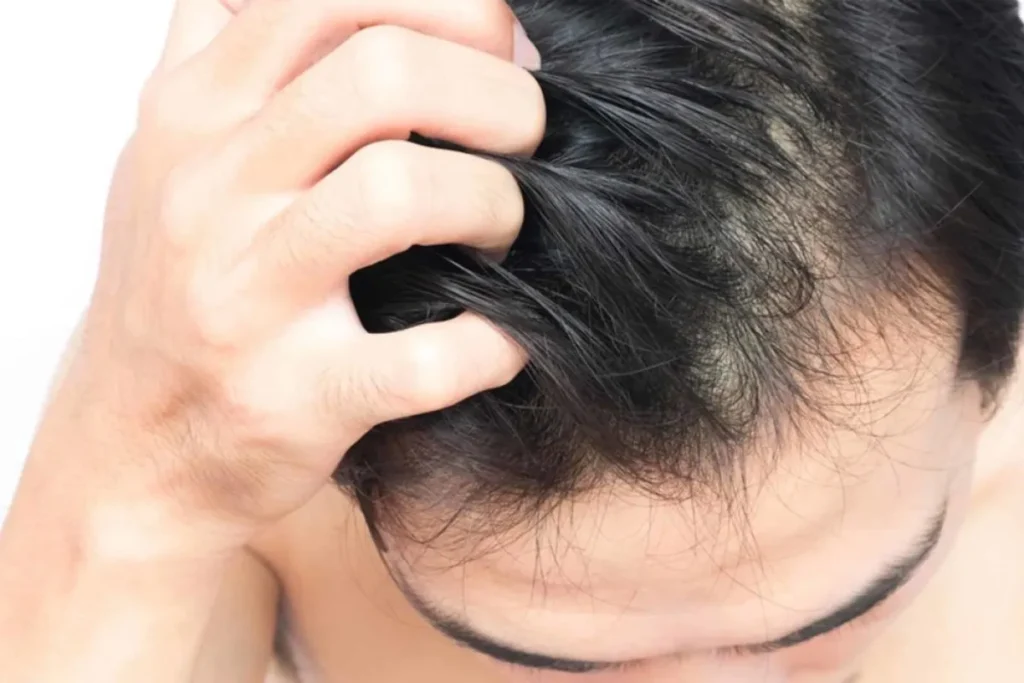
Knowing how hair grows and its structure is key to a healthy scalp. Hair health is closely tied to scalp health. Understanding this link helps solve common hair problems.
The Structure and Growth Cycle of Hair
Hair is mostly protein, and its growth depends on genetics, diet, and hair care. The growth cycle has three phases: anagen, catagen, and telogen. The anagen phase is when hair grows fast, lasting 2 to 6 years.
The catagen phase is a short transition, lasting about 2 weeks. Hair growth slows down here. The telogen phase is the resting phase, lasting 3 months, after which hair falls out.
Eating a balanced diet with essential vitamins and minerals is vital for hair growth. Nutrients like zinc, omega-3 fatty acids, and vitamins help keep the scalp healthy and promote hair growth. For example, zinc helps prevent hair shedding, and omega-3 fatty acids stimulate hair follicles and glands.
Common Hair Concerns and Their Causes
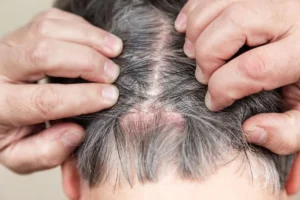
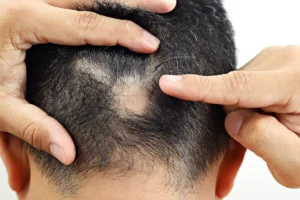
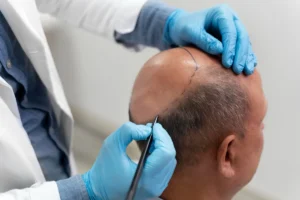
Many hair problems can be solved by knowing their causes and using the right hair care. These issues include hair loss, dandruff, and dryness. Hair loss can be due to genetics, diet, or too much heat styling.
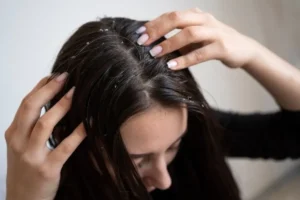
Dandruff often comes from a dry scalp or sensitivity to hair products. Dryness can be caused by washing too much, using the wrong products, or environmental factors.
By knowing the causes of these hair issues and following a good hair care routine, you can keep your hair and scalp healthy.
Health Tips for Healthy Hair: Daily Care Routine
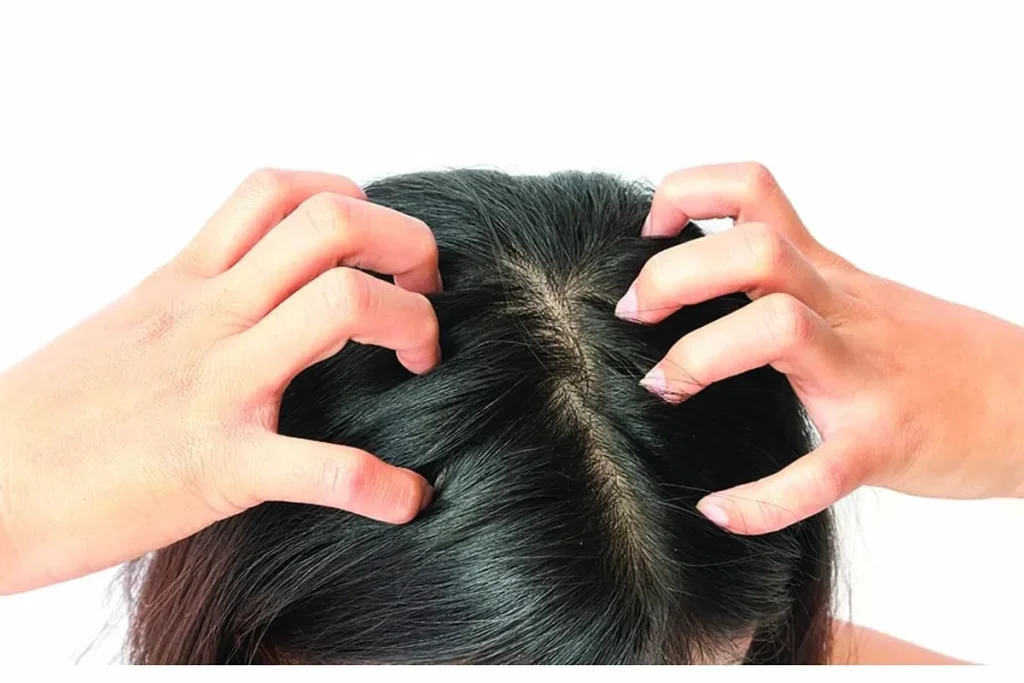
A good daily hair care routine is key to having healthy, vibrant hair. Adding a few simple steps to your daily routine can greatly improve your hair’s health and look.
Proper Washing and Conditioning Techniques
Choosing the right shampoo and conditioner is vital for healthy hair. Pick products that match your hair type. When washing, gently massage your scalp to remove dirt and boost blood flow.
Use warm water instead of hot to keep your hair’s natural oils. Conditioning is also key to keep moisture in and reduce tangles. Apply conditioner from mid-length to the ends, avoiding the scalp to prevent oil buildup.
To detangle, use a wide-tooth comb starting from the ends. This method reduces breakage and tangles. For curly hair, detangle in the shower with conditioner in your hair.
Benefits of Regular Scalp Massage
Scalp massage is a simple yet effective way to boost hair health. It increases blood flow, nourishing your hair follicles. Studies show scalp massages can make hair thicker by 8.24% in 24 weeks.
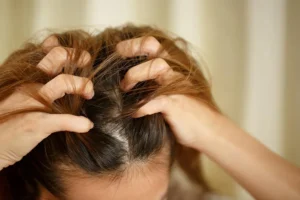
To add scalp massage to your routine, use your fingertips to massage your scalp in circular motions for a few minutes each day.
Heat Protection and Styling Best Practices
Too much heat styling can harm your hair, causing dryness, breakage, and frizz. Use a heat protectant spray or serum before styling with heat tools. Try to limit heat styling or use lower heat settings.
When styling with heat, keep the tool moving to avoid focusing heat on one spot for too long.
By following these daily care tips, you can greatly improve your hair’s health and look. Remember, being consistent is important. Making these practices a daily habit will give you the best results over time.
Nutrition and Lifestyle Factors for Hair Wellness
Your hair’s health is tied to what you eat and how you live. Certain vitamins, minerals, and habits help your hair grow well. Eating a balanced diet full of important nutrients is key for healthy hair.
Essential Vitamins and Minerals for Hair Growth
Eating a variety of vitamins and minerals is important for hair health. Key nutrients for hair growth include:
Vitamin D: Important for normal hair follicle development.
Iron: Essential for the production of hemoglobin, which carries oxygen to the hair follicles.
Zinc: Plays a critical role in hair growth and maintenance by supporting the immune system and regulating hair growth cycles.
Biotin: A B-complex vitamin that helps convert protein into energy, supporting hair growth.
Also, eating enough protein is vital for hair health. Hair is mostly made of protein.
Hydration, Sleep, and Stress Management
Hydration, sleep, and stress management are also important for hair health. Drinking enough water prevents dryness and breakage. Getting enough sleep helps the body repair and grow.
Managing stress through yoga or meditation supports overall wellness, including hair health. Chronic stress can cause hair loss and other hair problems.
To add these factors to your daily life, try these tips:
Drink at least 8 glasses of water a day to stay hydrated.
Aim for 7-8 hours of sleep per night to support hair growth and overall health.
Practice stress-reducing activities like yoga or meditation regularly.
By focusing on these nutrition and lifestyle factors, you can support healthy hair growth and maintain a healthy scalp.
Conclusion
To get healthier, more vibrant hair, you need to do more than just wash it. You must also eat right and live well. Knowing how your hair grows helps you tackle common problems and keep it in top shape.
Start by making a daily hair care plan. This should include washing and conditioning correctly, massaging your scalp, and protecting it from heat. Eating foods full of vitamins and minerals, drinking plenty of water, sleeping enough, and managing stress are also key. These steps help your hair stay healthy and follow important hair care rules.
By following these steps and staying consistent, you can greatly improve your hair’s health and look. Wondering how to make your hair healthier? It’s all about a complete approach to hair care. This means taking care of your hair from the inside and outside.
FAQ
How often should I wash my hair to maintain healthy hair?
2–3 times per week for most hair types. Oily hair may need more frequent washing; dry or curly hair needs less to prevent moisture loss.
What are the best practices for heat styling to prevent damage?
Use a heat protectant, keep tools below 180°C (350°F) when possible, avoid daily heat use, and deep condition weekly.
How can I promote hair growth through my diet?
Eat protein-rich foods (eggs, fish, lentils), iron sources (spinach, red meat), omega-3s, zinc, and vitamins like B12 and D. Balanced nutrition supports healthy follicles.
What is the importance of scalp massage for hair health?
Scalp massage improves blood circulation, may stimulate follicles, reduces tension, and helps distribute natural oils.
How does stress affect my hair health?
Chronic stress can trigger shedding (telogen effluvium), increase scalp inflammation, and worsen conditions like dandruff.
What are the benefits of using a wide-tooth comb for detangling?
It reduces breakage, minimizes pulling, and is gentler on wet or curly hair compared to fine-tooth combs.
How can I keep my scalp healthy?
Cleanse regularly, avoid heavy buildup, exfoliate occasionally, manage stress, protect from sun exposure, and use mild shampoos.
What role does hydration play in hair health?
Proper hydration supports scalp health and keeps hair more elastic, reducing dryness and brittleness.
Can I achieve healthier hair through lifestyle changes alone?
Lifestyle improvements (diet, stress control, sleep, hydration) greatly help, but genetic or medical hair loss may require targeted treatments.
How can I make my hair care routine more effective?
Choose products suited to your hair type, limit harsh chemicals, trim regularly, deep condition weekly, protect hair while sleeping, and maintain a balanced protein-moisture routine.
References
National Center for Biotechnology Information. Evidence-Based Medical Insight. Retrieved from https://pubmed.ncbi.nlm.nih.gov/30707399/