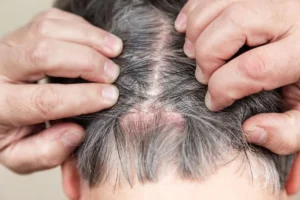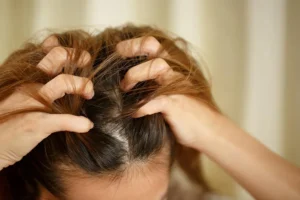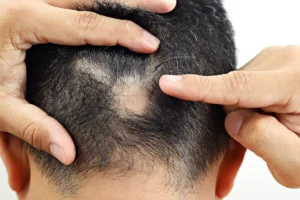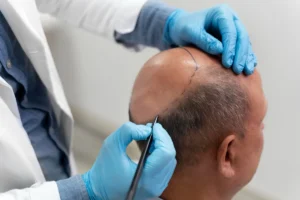
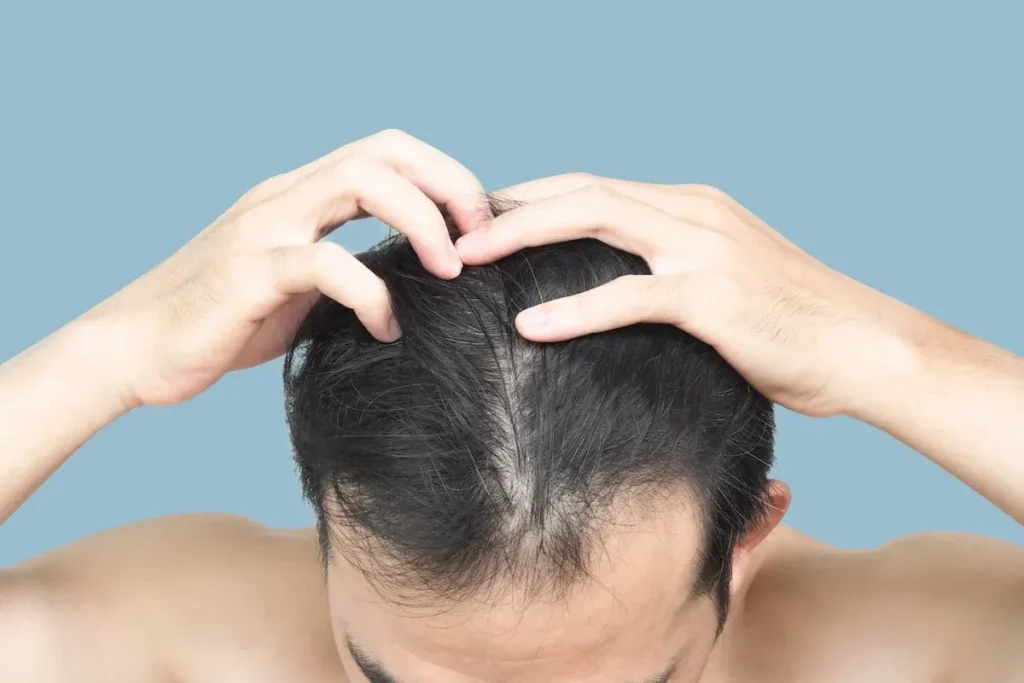
Seeing hair thinning on just one side of your head can be scary and upsetting. Unilateral alopecia, a condition where hair loss mainly hits one side of the scalp, is more common than you might think.
Dealing with hair loss right side of head? Discover the best fixes and amazing reasons why hair thins on one side and how to regrow it fast.
This uneven pattern is different from typical balding. It often means there’s an underlying issue that needs looking into. Feeling puzzled by hair thinning on one side? Getting it checked early can lead to good solutions.
With modern methods and expert care, regaining confidence through hair restoration is possible. Knowing the causes and tackling them is key to getting your hair and confidence back.
Key Takeaways
Unilateral alopecia is a condition where hair thinning affects one side of the scalp.
Early diagnosis is key for effective treatment.
Modern hair restoration techniques offer natural and dense results.
Expert consultation is essential for tailored solutions.
Regaining confidence through hair restoration is achievable.
Understanding Unilateral Hair Thinning
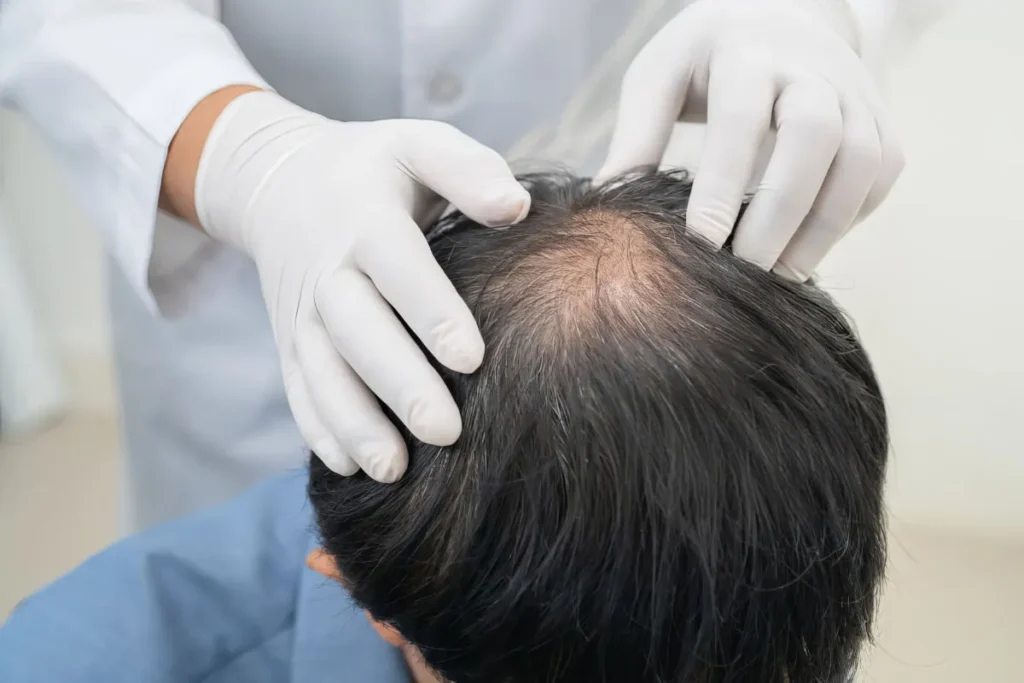
Hair loss on one side of the head is called unilateral alopecia. It’s a specific type of hair thinning that worries many. This condition shows up as patches of hair loss or thinning over a big area on one side. It makes the scalp look uneven, which can be upsetting.
What is Unilateral Alopecia?
Unilateral alopecia means hair thinning or loss mainly on one side of the scalp. It can happen for many reasons, like genetics, scalp problems, or how you style your hair. Knowing why it happens is key to finding the right treatment.
How It Differs from General Hair Loss
Unlike general hair loss, which affects the whole scalp, unilateral alopecia is just on one side. This makes treating it different. General hair loss often comes from hormones or aging. But unilateral alopecia can be caused by many things, like autoimmune diseases or hair follicle stress.
Impact on Appearance and Self-Confidence
Unilateral alopecia can really affect how you look and feel about yourself. The uneven hair loss makes it hard to hide the thinning. This can lead to feeling down. Treating unilateral alopecia is not just about fixing the hair. It’s also about boosting your confidence in how you look.
Getting your confidence back starts with understanding and treating the causes of unilateral hair thinning. With the right treatment, you can have a fuller, more even head of hair. This can improve not just how you look but also how you feel overall.
Common Causes of One-Sided Hair Thinning
[Add image here]
Seeing hair thinning on one side of your head can be scary. It’s often caused by specific reasons. Knowing these causes helps in finding the right treatment and feeling better.
Androgenetic Alopecia (Pattern Baldness)
Androgenetic alopecia, or pattern baldness, is a big reason for hair loss on one side. It’s caused by dihydrotestosterone (DHT), a part of testosterone. DHT makes hair follicles shrink, making hair thinner and shorter.
Pattern baldness usually hits the top and crown first. But it can also show up more on one side. Starting treatment early can slow down hair loss and help hair grow back.
Traction Alopecia from Hairstyling
Traction alopecia is another big reason for hair thinning on one side. Hairstyles that pull on the hair are to blame. Tight ponytails, braids, or buns put constant pressure on hair follicles, causing hair loss.
To avoid traction alopecia, change your hairstyles often. Choose styles that don’t pull too hard on your hair.
Scalp Conditions and Infections
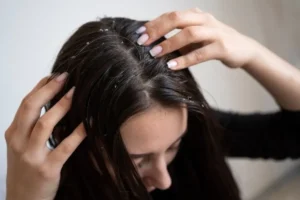
Scalp problems and infections can also cause hair thinning on one side. Issues like psoriasis, dermatitis, and fungal infections can harm hair follicles.
Treating these problems usually means fixing the root cause. This might involve medicine, changing your lifestyle, or special scalp treatments.
Alopecia Areata and Autoimmune Factors
Alopecia areata is an autoimmune disease that can cause hair loss on one or both sides of the head. The immune system attacks hair follicles by mistake, leading to hair loss.
It’s important to understand that alopecia areata is an autoimmune disease. This knowledge helps in finding the right treatment.
Effective Treatments for Hair Loss Right Side of Head
Dealing with hair loss on one side of the head needs a detailed plan. It starts with figuring out why it’s happening. Hair thinning can be caused by genes, scalp issues, or how you style your hair. Knowing the exact reason is key to picking the right treatment.
Diagnosis: Identifying Your Specific Cause
Finding out the exact cause is the first step to treating hair loss. Seeing a dermatologist or hair expert is important. They will look at your scalp, medical history, and hair habits to find out why you’re losing hair.
Diagnostic procedures might include scalp checks, hair pull tests, or biopsies. Knowing why you’re losing hair helps create a treatment plan just for you.
Medical Treatments and Medications
There are many treatments and medicines for hair loss on one side of the head. Minoxidil is a topical treatment that helps hair grow and slows loss. For serious cases, finasteride can be used to fight dihydrotestosterone (DHT), a hormone that causes hair loss.
Other treatments include low-level laser therapy (LLLT) and platelet-rich plasma (PRP) therapy. LLLT boosts blood flow to the scalp, and PRP therapy uses platelet-rich plasma to stimulate hair growth.
Lifestyle and Dietary Changes
Changing your lifestyle and diet can also help with hair loss. Eating a balanced diet full of vitamins and minerals is good. Foods rich in biotin, vitamin D, and iron help hair grow. Reducing stress through meditation or yoga is also helpful, as stress can cause hair loss.
Avoiding tight hairstyles and using gentle hair products helps prevent more hair loss. Minimizing heat styling also keeps your scalp healthy.
Hair Care Practices to Promote Regrowth
Along with medical treatments and lifestyle changes, certain hair care practices can help. Using a gentle shampoo and scalp massager can stimulate your scalp. Avoiding heat styling and harsh chemicals also keeps your hair healthy.
For those with a lot of hair loss, scalp micropigmentation can be a good option. It’s a non-invasive method that uses tiny dots to make your scalp look fuller.
Conclusion
Losing hair from one side of the head can be very upsetting. It affects how you look and how you feel about yourself. Knowing why it happens is key to fixing hair thinning on one side.
There are many ways to treat hair loss on one side. This includes medical treatments, changing your lifestyle, and taking better care of your hair. Finding out why your hair is thinning helps you find the best way to make it grow back.
With the right treatment and a healthy lifestyle, you can manage hair thinning. You can get back your confidence with modern hair restoration. These methods give you dense, natural-looking hair.
Getting help from a professional and making a care plan can help you. You can overcome hair thinning and have a fuller, healthier head of hair. With the right treatment, you can have the hair you’ve always dreamed of.
FAQ
What is unilateral alopecia, and how does it affect hair loss on one side of the head?
Unilateral alopecia means hair loss that occurs primarily on just one side of the scalp. It can make one side look thinner or patchier than the other, and the cause is often different from typical general thinning.
Is hair thinning on one side of the head a common condition?
No, symmetric thinning is more common. Hair loss on just one side is less typical and usually has a specific trigger like traction, scalp inflammation, or localized conditions.
Can hair loss on one side of the head be a sign of a more serious health issue?
In some cases, yes. While many causes are harmless, sudden or patchy one-sided loss can sometimes be linked to autoimmune issues or skin disorders, so it’s worth getting checked if it’s sudden or spreading.
What are the most effective treatments for hair loss on one side of the head?
Effective treatment depends on the cause. It may include topical growth stimulants, anti-inflammatory treatments, stopping damaging hairstyles, or addressing scalp conditions. A professional can tailor the approach.
Can I prevent hair thinning on one side of the head?
You can reduce risk by avoiding tight hairstyles, minimizing heat and chemical damage, and taking care of your scalp. Changing sleep habits or reducing friction might help if that’s a contributing factor.
How can I regrow hair on one side of my head?
If the follicles are still active, regrowth is possible with early treatment, good scalp care, and addressing any underlying issues like inflammation or stress.
Is hair transplantation a viable option for hair loss on one side of the head?
Yes, hair transplantation can be an option if the hair loss is stable and permanent and there’s enough donor hair. It’s usually considered after medical treatments or when thinning is long-term.
How long does it take to see results from hair restoration treatments?
Most treatments take time. You may notice changes after about three to six months, with fuller results often taking up to a year, because hair grows slowly.
References
National Center for Biotechnology Information. Evidence-Based Medical Insight. Retrieved from https://pubmed.ncbi.nlm.nih.gov/15243504/