A receding hairline is a common concern affecting millions worldwide. By age 40, about 40% of men and women notice thinning hair. This number goes up a lot in later years.
Stop hair receding with 7 amazing powerful fixes. Discover incredible secrets to restore your hairline and stop scary balding fast today.
Modern medicine has made it easier to slow or stop this problem if you start treatment early. Knowing what causes it and looking into treatments is key to fighting a receding hairline.
This article will share five proven ways to stop a receding hairline. You’ll learn about the best treatments and how to change your lifestyle.
Key Takeaways
Understanding the causes of a receding hairline is key to good treatment.
Starting treatment early can greatly improve results.
There are many treatment options, like medicines and lifestyle changes.
Five proven methods can help stop or slow hair loss.
Seeing a specialist is a good idea for personalized care.
Understanding Receding Hairlines
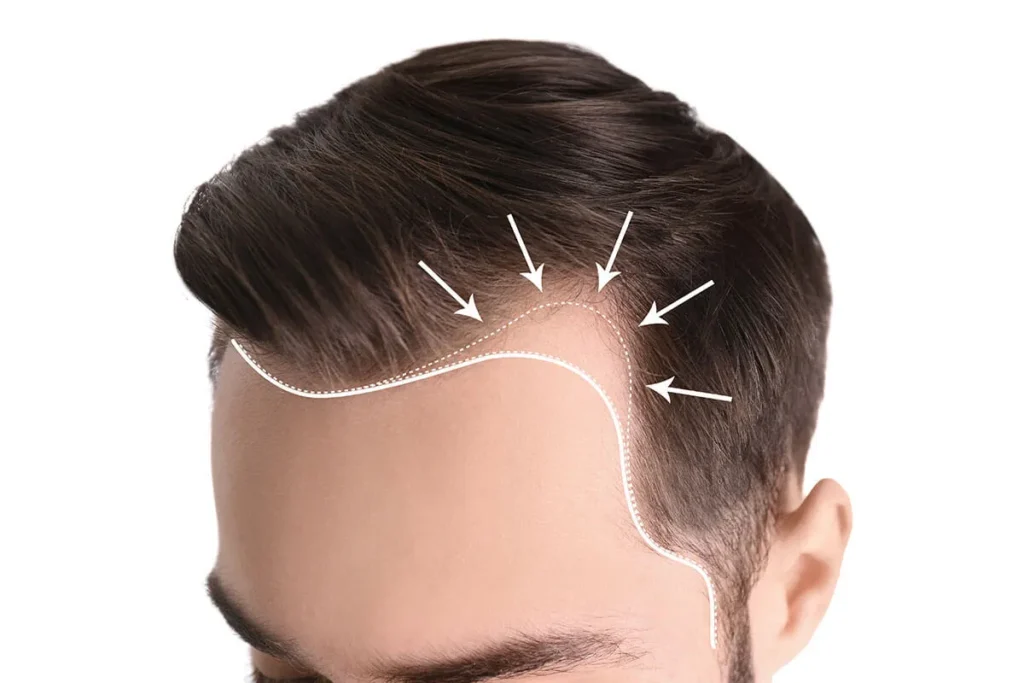
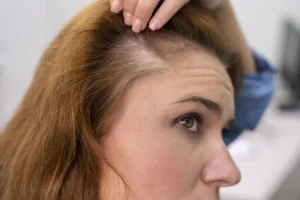
It’s important to know why a receding hairline happens. A receding hairline is when hair falls out along the hairline, making it look like you’re going bald.
The Science Behind Hair Loss
Hair loss is a complex issue. It’s caused by genetics, hormones, and age. A hormone called dihydrotestosterone (DHT) is key. DHT makes hair follicles shrink, causing hair to thin and fall out. Your genes can make you more likely to lose hair to DHT.
Who Is Affected and When
Both men and women can get receding hairlines, but men are more likely. Male pattern baldness, or androgenetic alopecia, is the main reason. It can start in puberty but gets worse in the late teens to early twenties. Women can lose hair too, often after menopause, due to hormones, stress, or genes.
Knowing who gets receding hairlines and when can help you find ways to prevent it. Or, you can start treatments early.
Understanding receding hairlines helps you make better choices for your hair. You can look into treatments to stop your hair loss.
5 Proven Methods to Stop Hair Receding
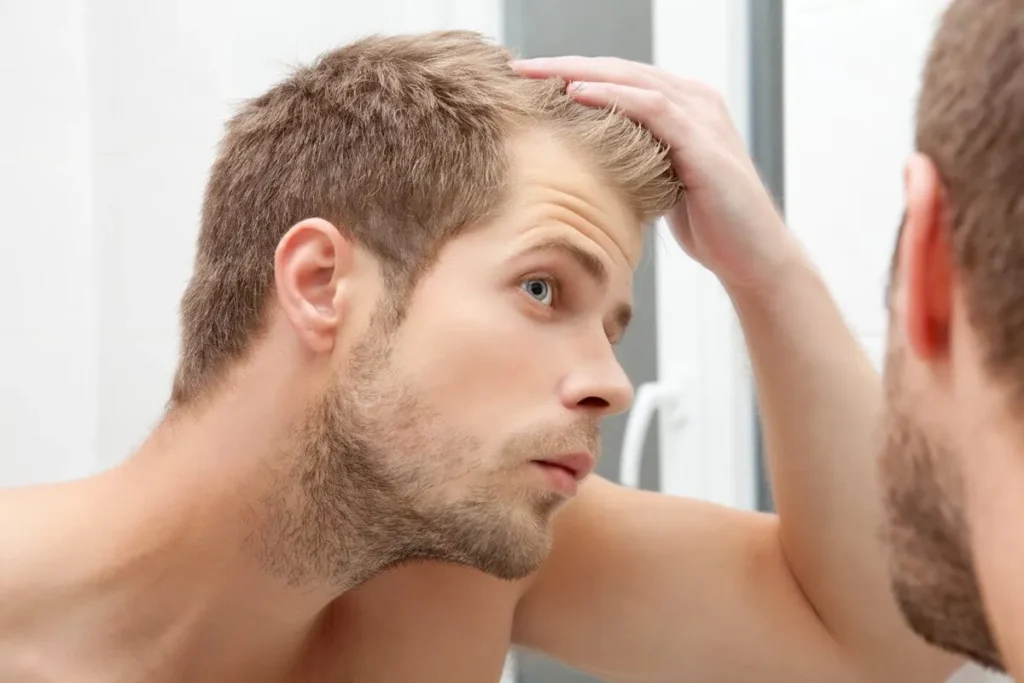
Stopping a receding hairline needs a mix of treatments. People losing hair can try many ways to slow it down. These include medical treatments and changes in lifestyle.
FDA-Approved Medications
Minoxidil and finasteride are two FDA-approved treatments. Minoxidil is applied to the scalp to grow hair and slow loss. Finasteride is taken by mouth to block a hormone that causes hair loss.
“Minoxidil and finasteride work well for male pattern baldness,” studies say. They might have side effects, but they’re usually safe when used right.
Hair Transplantation Procedures
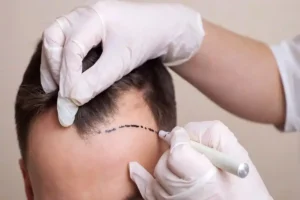
Hair transplantation moves hair follicles from the back to bald spots. It’s a lasting fix for receding hairlines.
The process includes a consultation, taking hair follicles, and transplanting them. Success depends on the surgeon’s skill and the quality of the donor hair.
Laser Therapy and Light Treatments
Low-level laser therapy (LLLT) uses a low-level laser to grow hair. It’s non-invasive and believed to boost hair density by improving scalp blood flow.
Though its exact effects are unclear, LLLT has shown promise in studies. It’s a good option for those avoiding surgery.
Natural Remedies and Supplements
Some people turn to natural remedies and supplements for receding hairlines. This includes changing diets, using herbal supplements like saw palmetto, and essential oils like rosemary.
While evidence for these is mostly from personal experiences, they can be part of a natural approach. Always talk to a doctor before trying new supplements.
Conclusion
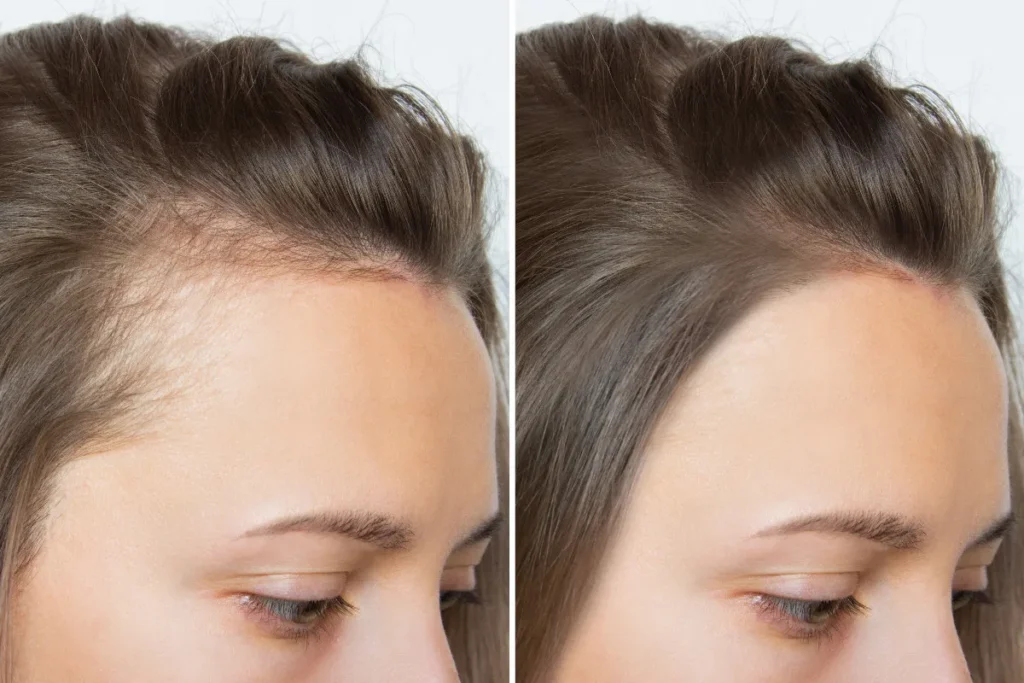
A receding hairline can be upsetting, but knowing what it is and how to treat it helps. A receding hairline happens when your hairline moves back, often due to hair loss.
It’s important to act early to treat a receding hairline. There are many ways to restore your hair, like FDA-approved drugs, hair transplants, laser therapy, and natural remedies. Getting advice from a professional is key to finding the best treatment.
By tackling hair loss early, you can regain your hair and confidence. With the right treatment, you can slow down or even stop a receding hairline. This way, you can have a fuller head of hair again.
FAQ
What are the best hair treatments for split ends
Trim regularly, use deep conditioning masks, protein treatments, bond-repair products, and serums to smooth and protect ends
What is the best hair serum for split ends
Popular options include Kérastase Nutritive Split Ends Serum, L’Oréal Paris EverPure Bond Repair Oil-in-Serum, Pantene Pro-V Split End Serum, K18 Molecular Repair Hair Oil, and Mise En Scene Perfect Serum
How can I prevent split ends
Trim every 6–8 weeks, avoid excessive heat, use heat protectant, brush gently when wet, and keep hair hydrated
What are the best products for treating dry ends
Look for keratin, proteins, argan oil, coconut oil, and silicones that hydrate and strengthen hair
Are there any affordable salon-quality hair treatments for split ends
Yes, drugstore serums and masks like Pantene or L’Oréal can smooth and protect ends at lower cost
What is a split end sealer, and how does it work
It temporarily bonds or coats split fibers to make hair look smoother but does not permanently repair splits
Can I use a leave-in serum for dry hair to treat split ends
Yes, leave-in serums hydrate, smooth, and protect ends throughout the day
What are the best hair remedies for split ends
Coconut or argan oil treatments, weekly deep conditioning masks, aloe vera or egg masks, regular trims, and gentle hair care
References
National Center for Biotechnology Information. Evidence-Based Medical Insight. Retrieved from https://pubmed.ncbi.nlm.nih.gov/12196747/