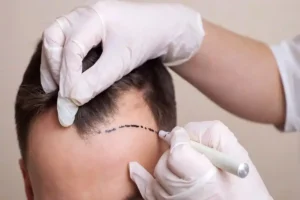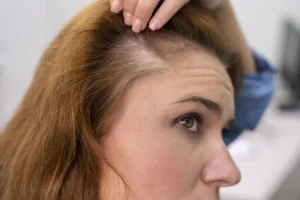
Experiencing hair thinning after surgery can be unsettling, especially when you’re already coping with the recovery process. This article explains the underlying reasons, typical duration, and practical steps to minimize hair loss, helping you regain confidence sooner. Studies show that up to 40% of patients notice noticeable shedding within the first three months post‑operation, a phenomenon often linked to physiological stress.
We’ll explore the biological mechanisms that trigger post‑surgical hair loss, identify factors that amplify the effect—such as anesthesia, rapid weight loss, or major procedures—and outline evidence‑based strategies to support regrowth. Whether you’ve undergone a cosmetic operation, bariatric surgery, or a routine medical procedure, understanding the timeline and care options can make a significant difference.
By the end of this guide, you’ll know how to distinguish normal shedding from concerning loss, what nutrients and products can help, and when it’s appropriate to consider professional hair restoration techniques like FUE or DHI.
What Causes Hair Thinning After Surgery?
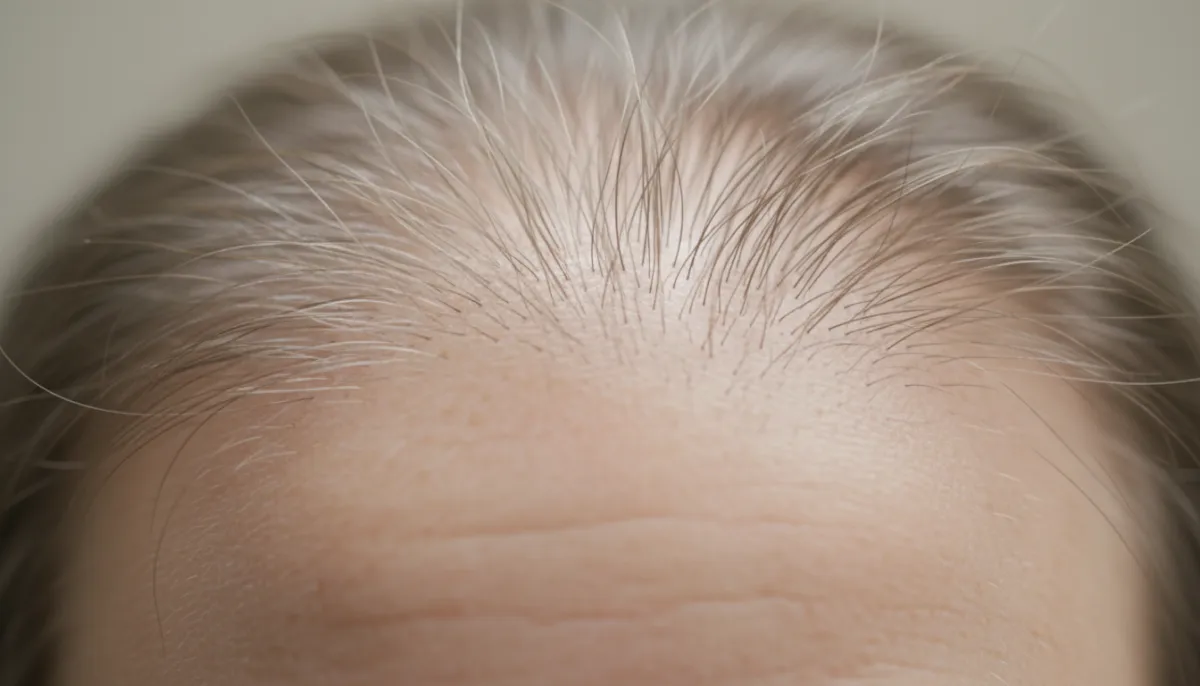
Hair thinning after surgery is primarily a reaction to the body’s stress response. When you undergo an operation, the endocrine system releases cortisol and other stress hormones, which can push hair follicles into the telogen (resting) phase. This temporary shift, known as telogen effluvium, often manifests 2–3 months after the procedure.
Several specific triggers contribute to this phenomenon:
- Anesthesia and medication effects: Certain anesthetics and postoperative drugs can disrupt the hair growth cycle, leading patients to wonder “does anesthesia cause hair loss?”
- Nutritional deficiencies: Rapid weight loss, especially after bariatric or gastric sleeve surgery, depletes essential vitamins and minerals that support hair health.
- Physical trauma: Direct scalp surgery or even prolonged positioning during lengthy operations can cause localized “shock loss.”
- Hormonal fluctuations: Procedures involving the thyroid or parathyroid glands may alter hormone levels, influencing hair density.
- Psychological stress: Anxiety and disrupted sleep patterns during recovery amplify cortisol production.
Below is a quick comparison of temporary versus potentially permanent causes:
| Cause | Typical Duration | Reversibility |
|---|---|---|
| Telogen effluvium (stress‑induced) | 3‑9 months | Usually reversible with proper care |
| Medication‑related shedding | Varies (weeks‑months) | Reversible after discontinuation or dosage adjustment |
| Shock loss from scalp surgery | 6‑12 months | Often regrows, but may need intervention |
| Nutrient deficiency (e.g., iron, zinc) | Months to a year | Reversible with supplementation |
| Permanent follicle damage | Indefinite | May require transplant |
Understanding these triggers helps you anticipate the pattern of shedding and take early steps to protect your hair.
How Long Does Hair Thinning Last After Surgery?
The duration of hair thinning after surgery varies widely, but most patients follow a recognizable pattern. The initial phase, often called “shock loss,” may begin within the first few weeks as the body reacts to trauma. Peak shedding typically occurs between 8 and 12 weeks, aligning with the hair’s transition to the telogen phase.
Key factors influencing how long thinning persists include:
- Type of surgery: Major abdominal or bariatric procedures tend to cause longer‑lasting shedding than minor outpatient surgeries.
- Age and genetics: Older individuals or those with a family history of androgenetic alopecia may experience prolonged or more pronounced thinning.
- Nutritional status: Adequate protein, iron, and vitamin D levels accelerate recovery.
- Post‑operative care: Gentle scalp handling and stress‑reduction techniques can shorten the shedding window.
Below is a typical timeline for post‑surgical hair changes:
| Time Post‑Surgery | Hair Condition | Recommended Action |
|---|---|---|
| 0‑2 weeks | Minimal change; hair may appear dull | Maintain gentle cleansing, avoid tight headwear |
| 2‑8 weeks | Early shedding begins | Introduce biotin‑rich supplements, reduce stress |
| 8‑12 weeks | Peak thinning (telogen effluvium) | Consider topical minoxidil, consult a dermatologist |
| 3‑6 months | Gradual regrowth starts | Continue nutrition support, monitor progress |
| 6‑12 months | Hair density stabilizes | Evaluate need for professional restoration if gaps remain |
Most patients see noticeable regrowth by the six‑month mark, but full recovery can extend to a year, especially after extensive weight‑loss surgeries where rapid fat loss compounds nutrient deficits.
Managing and Reducing Hair Thinning Post‑Operation
While some degree of shedding is inevitable, proactive measures can significantly reduce the severity of hair thinning after surgery. Below are evidence‑based strategies that address the main contributors identified earlier.
Nutrition and Supplements
Ensuring a balanced diet rich in protein, iron, zinc, and vitamins A, C, D, and E is crucial. Specific supplements that have shown benefit include:
- Biotin (5,000 µg daily)
- Iron‑bisglycinate (18 mg elemental iron)
- Zinc picolinate (30 mg)
- Vitamin D3 (2,000 IU)
- Omega‑3 fatty acids (1,000 mg EPA/DHA)
For patients who have undergone bariatric or gastric sleeve surgery, a multivitamin formulated for post‑weight‑loss patients is especially important to prevent micronutrient gaps.
Topical Treatments
Topical minoxidil (2% for women, 5% for men) can shorten the telogen phase and stimulate anagen (growth) activity. Apply twice daily to a clean, dry scalp. For those concerned about potential side effects, a low‑dose formulation or a prescription‑strength foam may be recommended by a dermatologist.
Gentle Scalp Care
Harsh brushing or tight hairstyles can exacerbate shedding. Adopt the following routine:
- Wash with a sulfate‑free, mild shampoo no more than three times per week.
- Pat dry with a soft towel; avoid vigorous rubbing.
- Use a wide‑tooth comb to detangle, starting from the ends and moving upward.
- Incorporate a weekly scalp massage (2–3 minutes) to improve circulation.
Lifestyle Adjustments
Stress management techniques—such as mindfulness meditation, light yoga, or short walks—help lower cortisol levels, which in turn reduces telogen induction. Adequate sleep (7–9 hours) and hydration also play supporting roles.
Below is a concise checklist for daily hair‑care after surgery:
| Action | Frequency | Benefit |
|---|---|---|
| Gentle shampoo | 3×/week | Prevents scalp irritation |
| Scalp massage | 2‑3 min daily | Boosts blood flow |
| Biotin supplement | Daily | Supports keratin production |
| Minoxidil application | Twice daily | Accelerates anagen phase |
| Stress‑relief activity | 30 min daily | Reduces cortisol spikes |
Adhering to this regimen can dramatically improve the speed and quality of regrowth, often reducing the visible thinning period by several months.
When to Seek Professional Hair Restoration
Most cases of hair thinning after surgery resolve with time and proper care, but certain signs indicate that medical intervention may be warranted. Consider consulting a hair restoration specialist if you notice any of the following:
- Persistent thinning beyond 12 months despite optimal nutrition and topical treatment.
- Visible bald patches or scar tissue that does not respond to minoxidil.
- Rapid progression of androgenetic alopecia accelerated by surgical stress.
- Psychological distress affecting daily life or self‑esteem.
Gold City Hair offers advanced techniques such as Follicular Unit Extraction (FUE) and Direct Hair Implantation (DHI), which can safely restore density even on previously thinned scalp areas. These procedures are performed under strict medical standards, ensuring minimal additional trauma to the scalp.
Below is a brief decision matrix to help you determine the appropriate next step:
| Condition | Duration of Thinning | Recommended Action |
|---|---|---|
| Typical telogen effluvium | ≤9 months | Nutrition, minoxidil, scalp care |
| Persistent thinning with no improvement | 9‑12 months | Dermatology evaluation, possible PRP |
| Scarring or localized bald spots | Any duration | Consult hair transplant specialist |
| Severe psychological impact | Any duration | Professional counseling + medical review |
Early consultation not only clarifies the cause but also opens the door to tailored solutions, ensuring the best possible outcome for your hair health.
Why Choose Gold City Hair for Your Hair Restoration Needs
At Gold City Hair, we combine over seven years of expertise with personalized care to address post‑surgical hair thinning and permanent hair loss. Our clinic in Turkey utilizes state‑of‑the‑art FUE and DHI techniques performed by experienced surgeons who prioritize natural‑looking results. Transparent communication, a comfortable environment, and a commitment to patient satisfaction set us apart as a trusted partner in your journey toward renewed confidence.
Ready to restore your hair and confidence? Contact Gold City Hair today for a personalized consultation and discover how our proven methods can help you achieve lasting, natural results.
FAQ
What causes hair thinning after surgery?
Hair thinning after surgery is mainly caused by the body’s stress response, which pushes follicles into the telogen (resting) phase, known as telogen effluvium.
How long does post‑surgical hair thinning typically last?
Most patients experience peak shedding between 8 and 12 weeks, with gradual regrowth starting around 3‑6 months and full recovery by 6‑12 months.
Can nutrition help reduce hair loss after surgery?
Yes, a diet rich in protein, iron, zinc, and vitamins A, C, D, and E, along with targeted supplements, supports hair regrowth and can lessen thinning.
Is minoxidil safe to use after an operation?
Topical minoxidil is generally safe after surgery when applied to a clean, dry scalp, but low‑dose formulations are recommended initially.
When should I consider a hair transplant after surgery?
If thinning persists beyond 12 months despite optimal care, or if you develop permanent bald patches, a hair transplant may be appropriate.