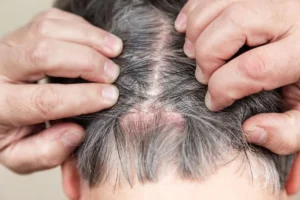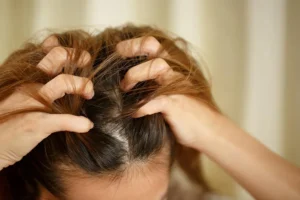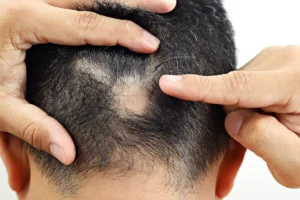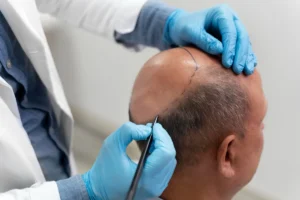
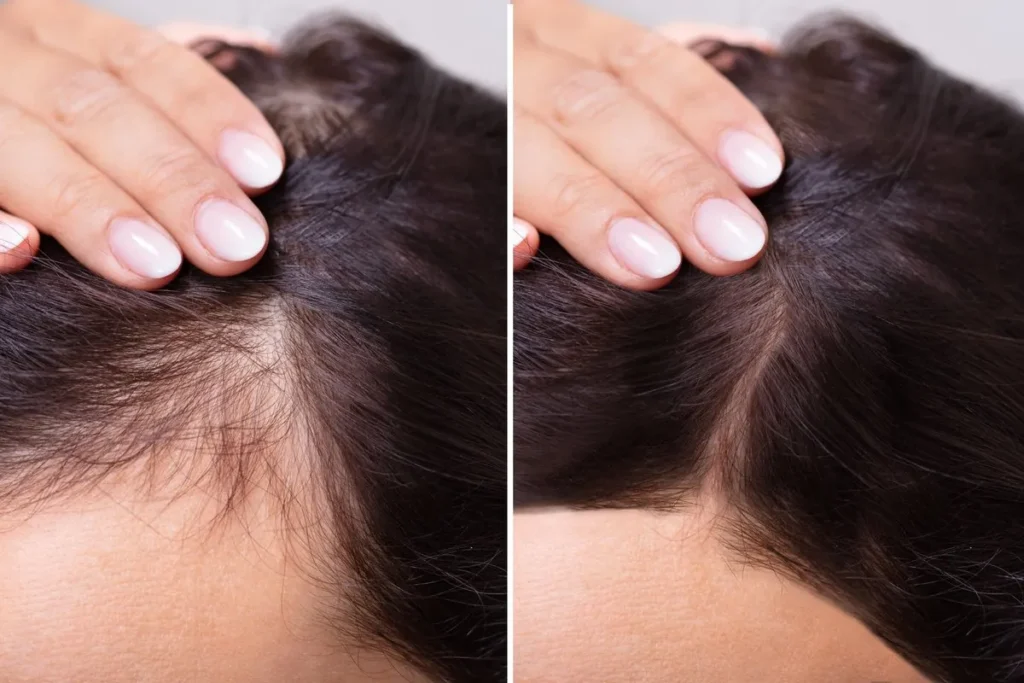
Hair thinning on the sides, also known as lateral alopecia, is a big worry for many. It affects millions globally, causing a lot of emotional pain
Stop hair thinning on sides with this amazing powerful fix. Discover incredible secrets for amazing regrowth and stop scary hair fall now..
The American Academy of Dermatology Association says about 80 million Americans lose their hair. A big part of them deal with lateral alopecia.
This problem comes from genes, how we style our hair, and stress. So, acting fast is key.
But, with the right help and treatment, you can fight hair thinning.
Key Takeaways
Knowing why lateral alopecia happens is key to fixing it.
Acting early can greatly help with hair thinning on the sides.
There are many ways to treat it, from medicine to changing your lifestyle.
Getting advice from experts is important to find the best solution.
Proven methods can stop hair thinning and make your hair healthier.
Understanding Hair Thinning on Sides and Its Prevalence
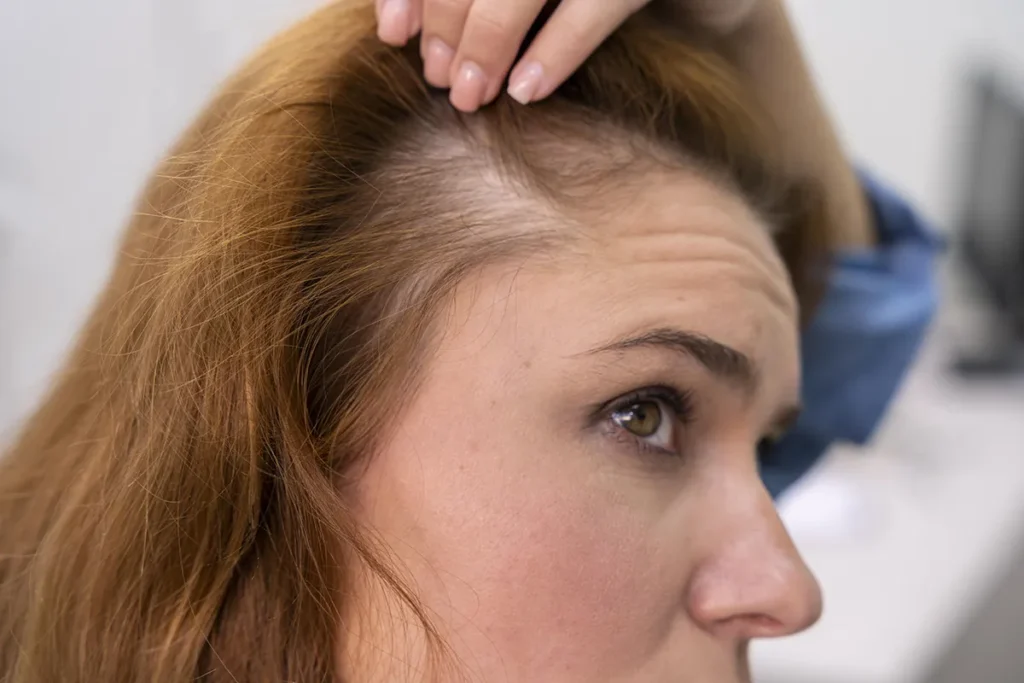
Lateral alopecia, or hair thinning on the sides, affects many people. It leads to less hair, mainly around the temples and crown. This is a common issue.
What Is Lateral Alopecia?
Lateral alopecia means hair thinning on the sides of your head. It makes your hair look less dense. Many things can cause it, like your genes, hormones, and how you style your hair.
Statistics and Demographics
About 80 percent of men and 50 percent of women will lose hair at some point. Side-temple areas are often hit hard by hair loss. Knowing these numbers helps us understand how common and why lateral alopecia happens.
Common Causes of Hair Thinning on Sides
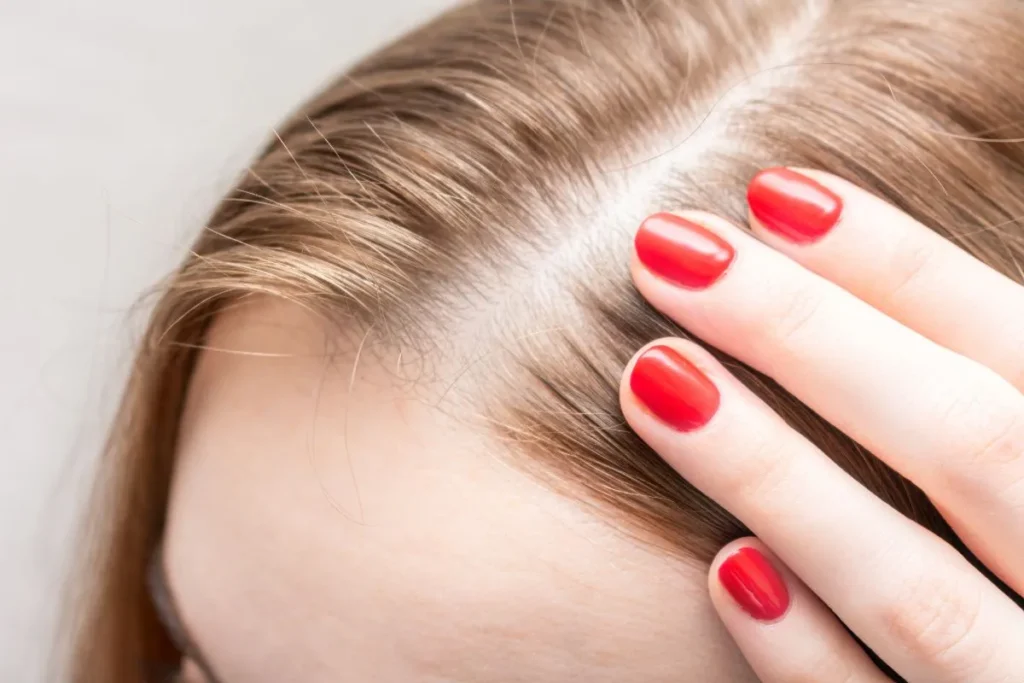
It’s important to know why hair thins on the sides to find the right treatments. Many things can cause it, from genes to how we live.
Androgenetic Alopecia and Hormonal Factors
Androgenetic alopecia, or pattern hair loss, is a big reason for thinning sides. It’s linked to genes and how sensitive we are to dihydrotestosterone (DHT). Hormonal imbalances, like too much DHT, shrink hair follicles, making hair thinner.
Traction Alopecia from Hairstyling
Traction alopecia is another major cause of thinning sides. It happens when tight hairstyles like braids or ponytails pull on hair follicles. Changing how we style our hair can help lessen this problem.
Stress-Induced Hair Loss
Stress can also make hair fall out more, known as telogen effluvium. When we’re stressed, more hair follicles rest, leading to more shedding. Reducing stress can help keep hair on our heads.
Environmental and Lifestyle Factors
Things like too much heat styling, chemical treatments, and a bad diet can also thin hair sides. Eating well and avoiding harsh chemicals can help keep hair healthy.
5 Proven Solutions to Stop Hair Thinning on Sides
If you’re seeing hair thinning on the sides, there are many ways to help. It’s important to start early. There are many treatments, from simple changes to advanced treatments like platelet-rich plasma injections.
Solution 1: Topical Medications (Minoxidil)
Minoxidil is a treatment for hair loss on the sides. Using minoxidil can make your hair grow and slow down loss. Make sure to use it every day for the best results.
Solution 2: Scalp Care and Massage Techniques
Good scalp care and massage can help your hair grow. Massaging your scalp gently can help. Also, use gentle, sulfate-free shampoos.
Solution 3: Dietary Changes and Supplements
What you eat can help your hair. Eating more protein and following a Mediterranean diet can help. Some supplements like biotin and vitamin D might also help. But, talk to a doctor before taking any supplements.
Solution 4: Hairstyle Modifications
Some hairstyles can make hair thinning worse. Avoid tight hairstyles like braids or ponytails. Changing your hairstyle can help prevent more hair loss.
By trying these solutions, you can fight hair thinning on the sides. Remember, hair growth takes time. Stay patient and keep up with your treatments.
Conclusion
Understanding hair thinning on sides, or lateral alopecia, is key to treating it. By tackling the root causes, people can start to fix their hair health. The 5 proven solutions in this article help tackle hair thinning on sides and the crown, a big problem for many women.
With the right treatment and lifestyle changes, you can slow down or stop hair thinning on the sides. These solutions help promote hair growth and improve hair health. Starting early is important for the best results.
FAQ
What is the most common cause of hair thinning on the crown of the head in females?
The most common cause is female pattern hair loss (androgenetic alopecia), a hereditary condition linked to hormonal sensitivity and aging.
How can I stop hair thinning on the crown of my head?
Early treatment with topical minoxidil, a nutrient-rich diet, stress management, and avoiding tight hairstyles can help slow further thinning.
Is hair thinning on the crown of the head a sign of balding?
It can be an early sign of female pattern hair loss, but not all crown thinning progresses to significant baldness.
Can stress cause hair thinning on the crown of the head?
Yes, high stress can trigger telogen effluvium, a temporary condition that causes increased hair shedding, including at the crown.
Are there any effective remedies for female balding on the crown?
Topical minoxidil, low-level laser therapy, platelet-rich plasma (PRP), and in some cases prescription medications may help improve hair density.
How can I regrow hair on my crown?
Consistent use of minoxidil, addressing nutritional deficiencies, and consulting a dermatologist for targeted therapies can support regrowth.
What are the best supplements for hair thinning on the crown?
Iron (if deficient), vitamin D, biotin, zinc, and adequate protein intake can help support healthy hair growth.
Can certain hairstyles contribute to hair thinning on the crown?
Yes, tight hairstyles like ponytails, braids, or buns can cause traction alopecia, leading to gradual thinning over time.
References
National Center for Biotechnology Information. Evidence-Based Medical Insight. Retrieved from https://pubmed.ncbi.nlm.nih.gov/15337948/