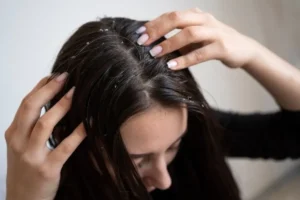
Many people think hair thinning and balding mean the same thing. But they don’t. Knowing the difference is key to fixing hair problems.
Hair thinning vs balding: do you know the big secret? Learn the incredible differences and how to choose the right powerful treatment for you.
Hair thinning means your hair gets thinner and weaker over time. But it keeps growing. Balding, on the other hand, is when you lose hair and it doesn’t grow back.
At Gold City Hair, we focus on you. We check your hair carefully to see if it’s just thinning or if you’re balding. This way, we can give you the right treatment for your hair.
Key Takeaways
Understanding the difference between hair thinning and balding is key to good treatment.
Hair thinning makes your hair thinner, but it keeps growing. Balding means you lose hair for good.
Getting the right diagnosis is important for the right treatment.
Personal care means we tailor solutions for your hair problems.
Our goal is to help you feel confident again with great hair.
Understanding Hair Thinning vs Balding
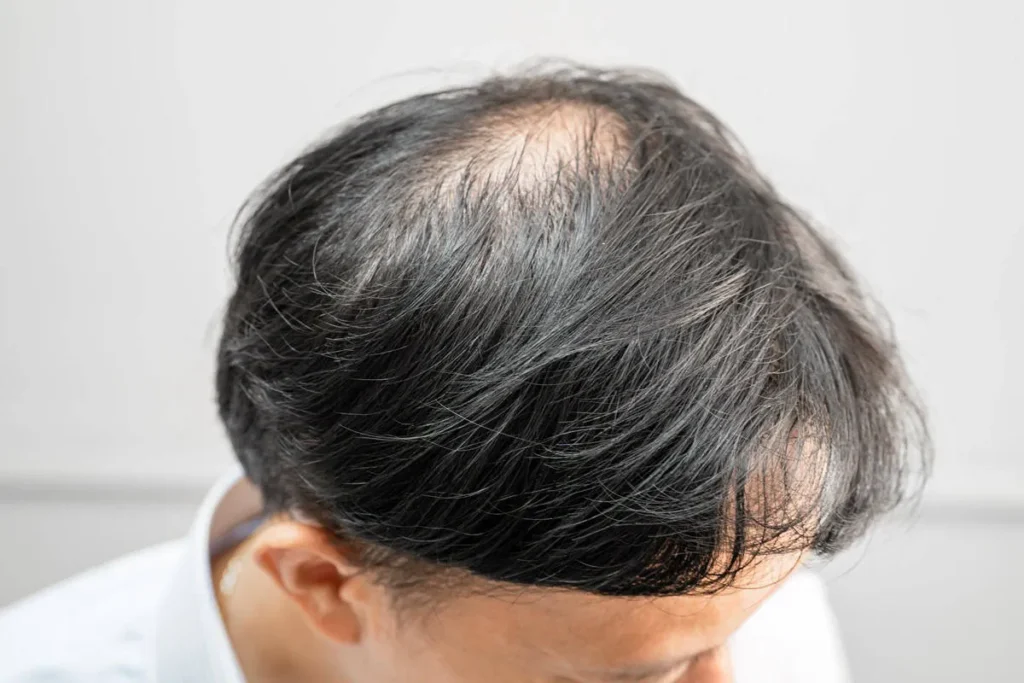
It’s important to know the difference between hair thinning and balding to tackle hair loss effectively. Hair loss can be upsetting. Knowing if you’re experiencing hair thinning or balding is the first step to finding a solution.
Hair thinning and balding are not the same. They show different stages and types of hair loss. It’s key to understand their definitions and what they look like.
Defining Hair Thinning
Hair thinning means your hair density and volume slowly decrease. Your hair strands get finer and weaker, but they keep growing. This happens when your hair strands get thinner, weaker, or when fewer new hairs grow after shedding.
Many things can cause hair thinning, like stress, bad nutrition, and hormonal changes. Knowing what causes it helps find the right treatment.
Defining Balding
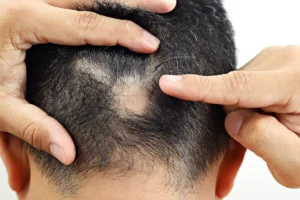
Balding is a more serious permanent hair loss. In this case, hair follicles shrink or stop working. This leads to bald spots or a receding hairline.
Balding can come from genetics, medical issues, or hormonal problems. Spotting balding signs early is key to getting the right treatment.
Understanding hair thinning and balding helps you tackle your hair issues. Whether it’s thinning or balding, today’s treatments and care can help you regain your confidence and get the hair you want.
Key Differences in Symptoms and Appearance
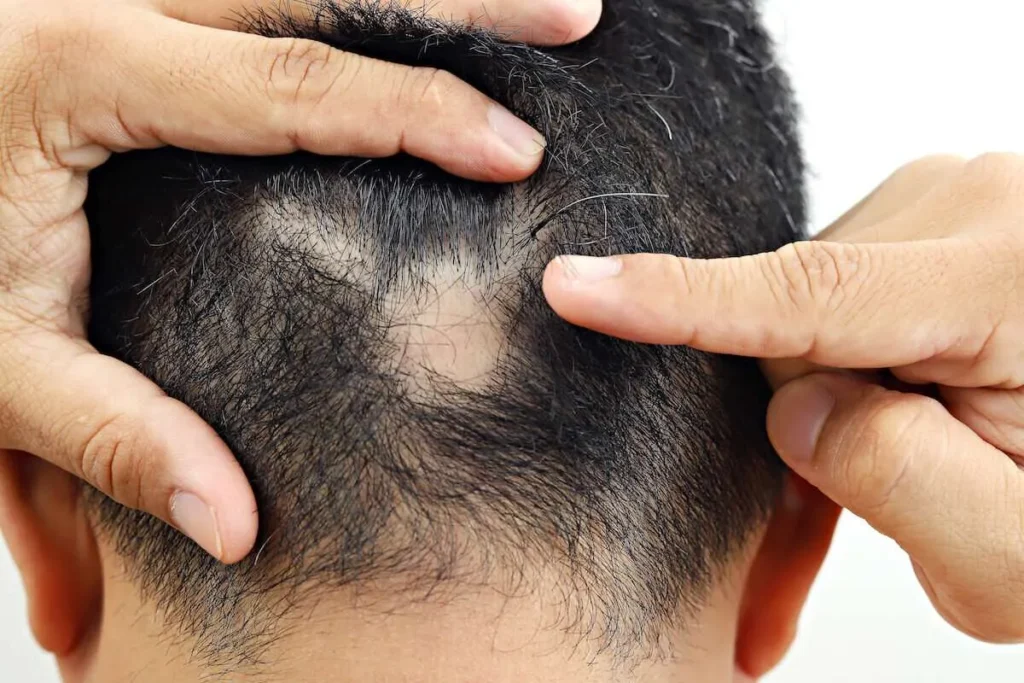
It’s important to know the difference between hair thinning and balding to deal with hair loss properly. Both conditions cause hair loss, but they look and feel different.
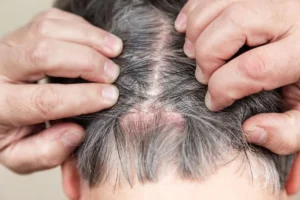
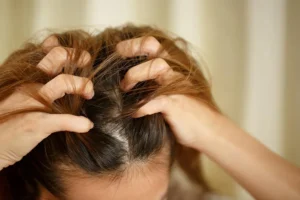
Visual Signs of Hair Thinning
Hair thinning means your hair gets thinner over time. It starts at the scalp’s parting line, sides, or crown and spreads out. Losing more than 50 to 100 hairs a day is a sign to pay attention.
Key indicators of hair thinning include:
A noticeable decrease in hair volume
Hair becoming finer or softer
A wider parting line on the scalp
Recognizing Balding Patterns
Balding follows a family pattern and shows up as bald spots or a receding hairline. It’s more visible and permanent than thinning. Men often see an ‘M’ shape hairline recession, while women notice thinning all over their scalp.
Identifying balding patterns early can help individuals seek timely treatment. Spotting these signs is the first step to fighting balding.
Common Causes and Statistics
Knowing why hair thins and falls out is key to treating it. Losing hair can hurt your looks and self-confidence.
Androgenetic Alopecia and Its Prevalence
Androgenetic alopecia, or pattern baldness, is a big reason for hair loss. It hits 50 million men and 30 million women in the U.S. By 50, half of men and a quarter of women see hair loss.
This condition makes hair thin on the scalp. It happens because of a hormone change that harms hair follicles.
Normal vs. Excessive Hair Loss
It’s normal to lose 50 to 100 hairs a day. But losing more hair might mean there’s a health issue. Things like genes, hormones, stress, and health problems can cause too much hair loss.
Age-Related Hair Changes
As we get older, our hair changes. We lose density and volume. This is a natural part of aging, but it can get worse with conditions like androgenetic alopecia.
Now, getting your hair back is easier than ever. Thanks to advanced technology and custom care, you can get dense, natural-looking hair that lasts.
Conclusion
It’s important to know the difference between hair thinning and balding to treat it right. Both can be caused by genetics, lifestyle, or health issues. Knowing the cause helps pick the best treatment.
Wondering if your hair is thinning or falling out? It’s key to tell hair loss from hair thinning. Hair thinning means less hair density. Balding is when you lose hair in a certain area.
Getting your confidence back starts with knowing your hair loss. Get professional advice to find the right treatment. With modern tech and care, you can get healthy, natural-looking hair.
Understanding hair thinning and balding is the first step to feeling confident again. With the right care, you can have healthy hair for life.
FAQ
What is the main difference between hair thinning and balding?
Hair thinning refers to a gradual reduction in hair density or diameter, while balding involves permanent hair loss in specific areas, usually due to follicle miniaturization or death.
Is hair thinning a sign of balding?
Sometimes. Persistent thinning, especially along the crown or hairline, may indicate early balding, but temporary thinning can also result from stress, nutrition, or other reversible causes.
What are the visual signs of hair thinning?
Signs include wider part lines, reduced volume, finer hair strands, visible scalp, and slower hair regrowth after shedding.
How can I recognize balding patterns?
Balding often follows specific patterns, like receding hairline, temple loss, or crown thinning in men, and diffuse top thinning or widening part in women.
What is androgenetic alopecia, and how prevalent is it?
Androgenetic alopecia is genetic pattern hair loss caused by sensitivity to androgens. It affects around 50% of men by age 50 and a significant number of women, especially after 40.
Is hair loss normal, or is it a sign of an underlying condition?
Some hair loss is normal—50–100 hairs per day—but sudden, patchy, or excessive loss may indicate stress, hormonal imbalance, nutritional deficiencies, or scalp disorders.
Can hair thinning be treated, and what are the available options?
Yes, treatments include topical minoxidil, oral finasteride (for men), PRP therapy, low-level laser therapy, nutritional support, and hair restoration procedures.
How can I determine whether I’m experiencing hair thinning or balding?
Tracking progression over time, noting patterns, consulting a dermatologist, and possibly using hair density tests can help distinguish thinning from permanent balding.
What is the difference between hair thinning and hair loss?
Hair thinning is reduction in hair diameter or density, while hair loss is the shedding or absence of hair from follicles, which may be temporary or permanent.
Can hair restoration procedures provide a permanent solution to balding?
Yes, procedures like FUE or FUT hair transplants can provide long-lasting results for areas with permanent hair loss, though ongoing maintenance may be needed for non-transplanted areas.