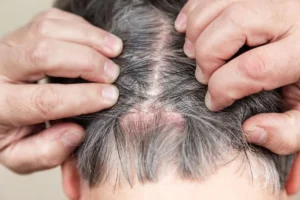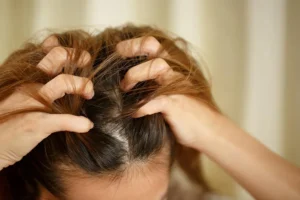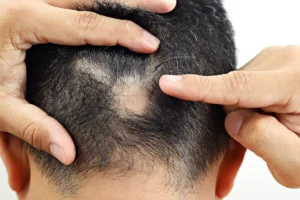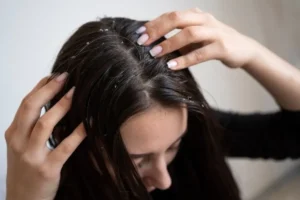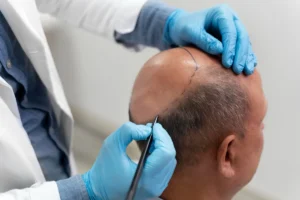
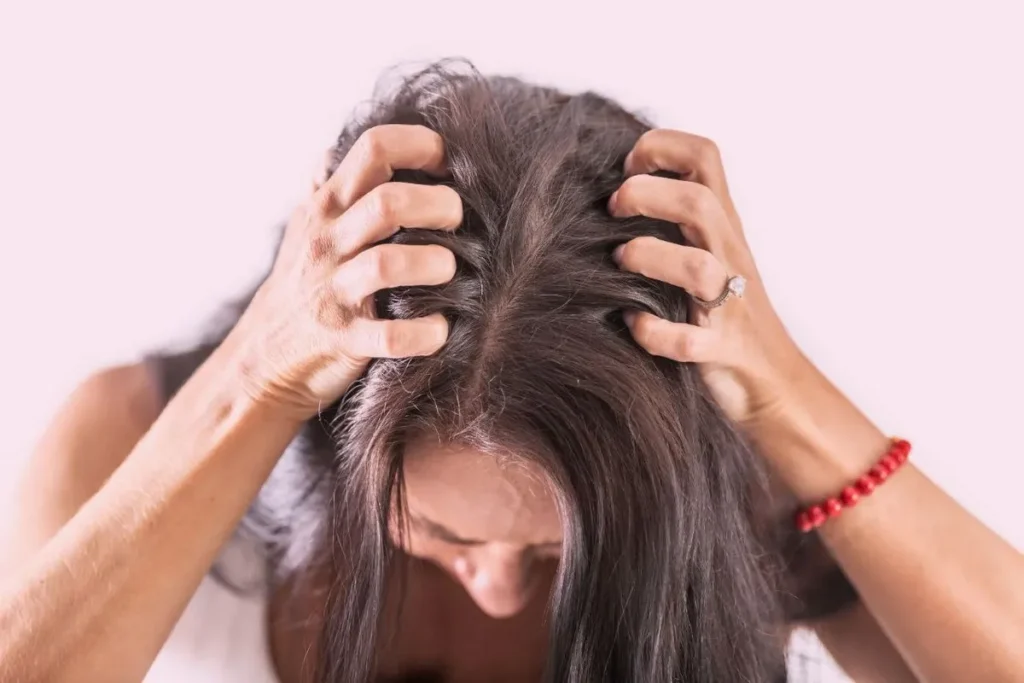
Achieving healthy hair is closely linked to overall wellness. A healthy scalp environment plays a key role. At KBB (Kurves Brow Bar), expert Hair Stylists say that healthy hair reflects your inner well-being.
Maintaining a healthy scalp is essential for nourishing your hair from the roots. By understanding the importance of scalp health and adopting a suitable hair care routine, you can achieve the healthy, vibrant hair you desire.
Key Takeaways
Healthy hair is closely linked to overall wellness.
A healthy scalp environment is key for achieving healthy hair.
Adopting a suitable hair care routine is essential.
Nourishing your hair from the roots is vital.
A healthy scalp and hair care routine can lead to vibrant hair.
Understanding the Science of Hair and Scalp Health
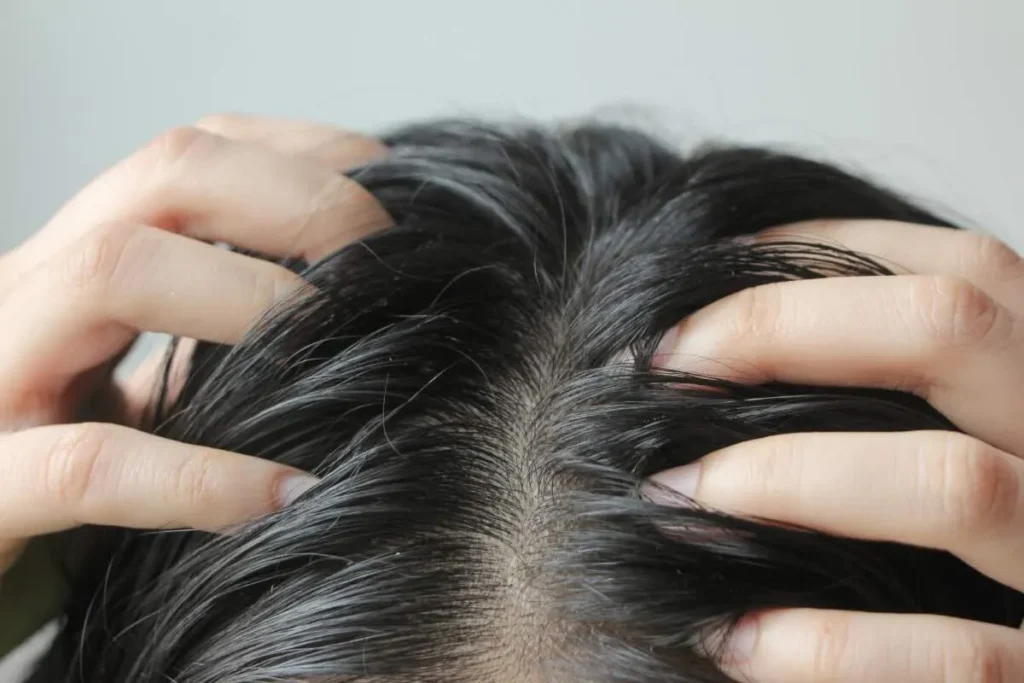
To keep your scalp and hair healthy, you need to know the science behind it. The health of your hair depends on your scalp’s condition. Knowing this helps you choose the right hair care.
The Hair Growth Cycle Explained
Hair grows in cycles with three phases: anagen, catagen, and telogen. The anagen phase is when hair grows, lasting 2 to 6 years. Then, there’s the catagen phase, a short transition lasting 2-3 weeks. Lastly, the telogen phase is the resting phase, lasting 3-4 months, before the hair falls out.
Knowing these phases helps tackle hair loss and boost growth. Disruptions in this cycle can cause hair loss and scalp problems.
The Critical Role of Scalp Microbiome
The scalp microbiome is key to hair health. A balanced microbiome keeps the scalp slightly acidic, which is good for hair growth. Recent studies highlight the microbiome’s role in hair wellness.
An imbalance in the microbiome, or microbial dysbiosis, can start inflammation. This can harm hair follicles and disrupt growth. Keeping the scalp microbiome balanced is vital for healthy hair.
Maintaining Optimal Scalp pH Balance
The scalp’s pH balance is also critical for hair health. If it’s too alkaline, it can irritate the scalp. If it’s too acidic, it can dry out and flake. Keeping the pH balanced is essential for scalp and hair health.
Using pH-balanced hair care products helps maintain this balance. Also, avoid harsh chemicals and use gentle cleansing methods to support scalp health.
Essential Hair Tips for Daily Maintenance
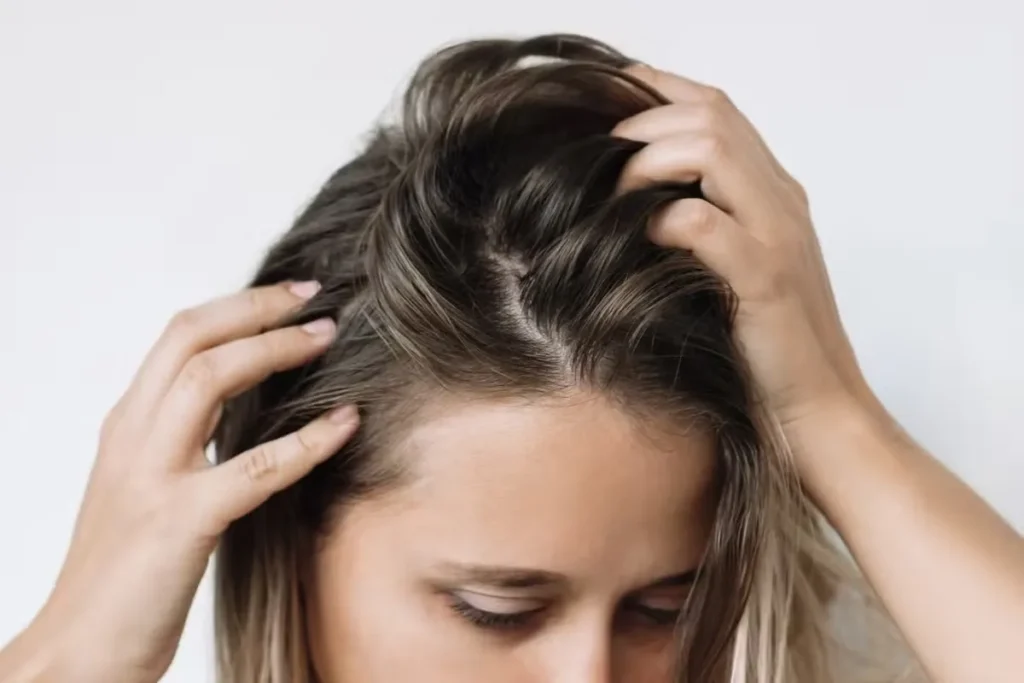
To keep your hair looking great, it’s important to have a daily hair care routine. You need to know your hair type and use the right products and techniques. This helps keep your hair healthy and strong.
Proper Cleansing Techniques for Different Hair Types
Cleansing is a key step in hair care. It’s important to choose a shampoo that matches your hair type. For dry or damaged hair, a gentle, sulfate-free shampoo is best. If you have oily hair, a clarifying shampoo can help manage oil.
For normal hair, a balanced shampoo that moisturizes and cleanses is ideal.
For curly hair, a sulfate-free shampoo that preserves natural oils is best.
For color-treated hair, use a color-protecting shampoo to maintain vibrancy.
Conditioning Strategies to Strengthen Hair
Conditioning is key for keeping hair strong and elastic. Deep conditioning treatments once a week can greatly improve hair health. For daily care, focus on the ends of your hair, where damage often builds up.
Use a leave-in conditioner for added moisture and protection.
Apply a hair mask once a week for deep nourishment.
Use a wide-tooth comb to detangle hair gently, starting from the ends.
Protecting Your Scalp Barrier Integrity
The scalp is the base of healthy hair. To protect it, use gentle cleansing and avoid harsh products that remove natural oils. Massaging your scalp can also boost blood flow, helping hair grow.
Use a scalp serum or treatment to nourish and protect your scalp.
Avoid using hot water, which can strip the scalp of its natural oils.
Minimize the use of heat styling tools to prevent damage to both hair and scalp.
By following these daily hair care tips, you can greatly improve your hair’s health and look. Remember, being consistent is the key to having healthy, vibrant hair.
Nutrition and Lifestyle Factors That Impact Hair Health
Hair health is closely tied to overall well-being. Diet, hydration, and stress levels are key factors. A balanced diet and managing stress can greatly improve your hair’s health.
Essential Vitamins and Minerals for Hair Growth
Good nutrition is vital for healthy hair. Iron, zinc, and biotin are important for hair health. Iron helps oxygen reach your hair follicles, while zinc aids in growth and maintenance. Biotin strengthens hair and prevents loss.
Hydration and Dietary Considerations
Drinking enough water is essential for healthy hair. It keeps hair follicles healthy, promoting growth and strength. Foods rich in omega-3 fatty acids, like salmon and walnuts, also nourish your scalp.
Key Dietary Considerations:
Drink plenty of water throughout the day
Incorporate foods rich in omega-3 fatty acids into your diet
Maintain a balanced diet that includes a variety of vitamins and minerals
Stress Management Techniques for Healthier Hair
High stress can harm hair health, leading to loss and scalp issues. Yoga, meditation, or deep breathing can help manage stress and improve hair health.
Effective Stress Management Techniques:
Practice yoga or meditation regularly
Engage in physical activity to reduce stress
Get enough sleep to help your body and hair recover
By making these nutrition and lifestyle changes, you can greatly improve your hair’s health. This will lead to a stronger, more vibrant mane.
Conclusion: Creating Your Personalized Healthy Hair Regimen
Creating a healthy hair regimen means knowing what your hair needs. It’s about sticking to a hair care routine. By using the tips shared, you can make your hair healthy and vibrant.
To keep your hair healthy, pay attention to your hair type, lifestyle, and diet. This way, you can make your hair stronger and more vibrant over time.
A good hair regimen includes a balanced diet, the right cleansing and conditioning, and managing stress. Getting advice from hair experts can also help you improve your routine and solve hair problems.
Follow these tips and stay dedicated to your hair care. This will help you get the healthy, vibrant hair you want.
FAQ
How can I promote healthy hair growth?
Eat enough protein, iron, zinc, and vitamins (B12, D), massage your scalp, limit heat styling, avoid tight hairstyles, and manage stress.
What is the importance of scalp health for hair growth?
Healthy follicles grow from a healthy scalp. Excess oil, buildup, inflammation, or poor circulation can disrupt the hair growth cycle.
How can I protect my scalp from damage?
Use gentle shampoos, avoid harsh chemicals, protect from sun exposure, limit tight styles, and avoid scratching.
Can stress affect my hair health?
Yes. Chronic stress can trigger shedding (telogen effluvium), worsen dandruff, and increase scalp sensitivity.
How does nutrition impact hair health?
Hair is made of protein (keratin), so poor nutrition can lead to thinning, breakage, and slow growth. Balanced meals support stronger, thicker hair.
What are some daily tips for maintaining healthy hair?
Avoid excessive heat, detangle gently, use a wide-tooth comb, protect hair while sleeping, stay hydrated, and trim regularly to prevent split ends.
References
National Center for Biotechnology Information. Evidence-Based Medical Insight. Retrieved from https://pmc.ncbi.nlm.nih.gov/articles/PMC6369642/