
Damaged hair is a common concern for many, with split ends being a major contributor to dull, brittle locks.
Discover how to heal split ends with amazing powerful results. Use incredible secrets to stop scary damage and achieve incredibly soft hair.
When the protective outer cuticle layer of hair wears away, it leads to split ends. This happens due to heat styling, chemical treatments, and environmental factors. Understanding the causes is key to finding effective treatments.
Exploring the various causes and remedies is the first step towards managing damaged hair. This can lead to healthier, more vibrant locks.
Key Takeaways
Split ends occur due to damage to the hair’s outer cuticle layer.
Effective remedies involve a combination of protective serums and nourishing oils.
Regular maintenance is key to preventing further damage.
Using the right hair products can help repair dry ends.
A strategic approach to hair care can help manage split ends.
Understanding Split Ends: Causes and Science
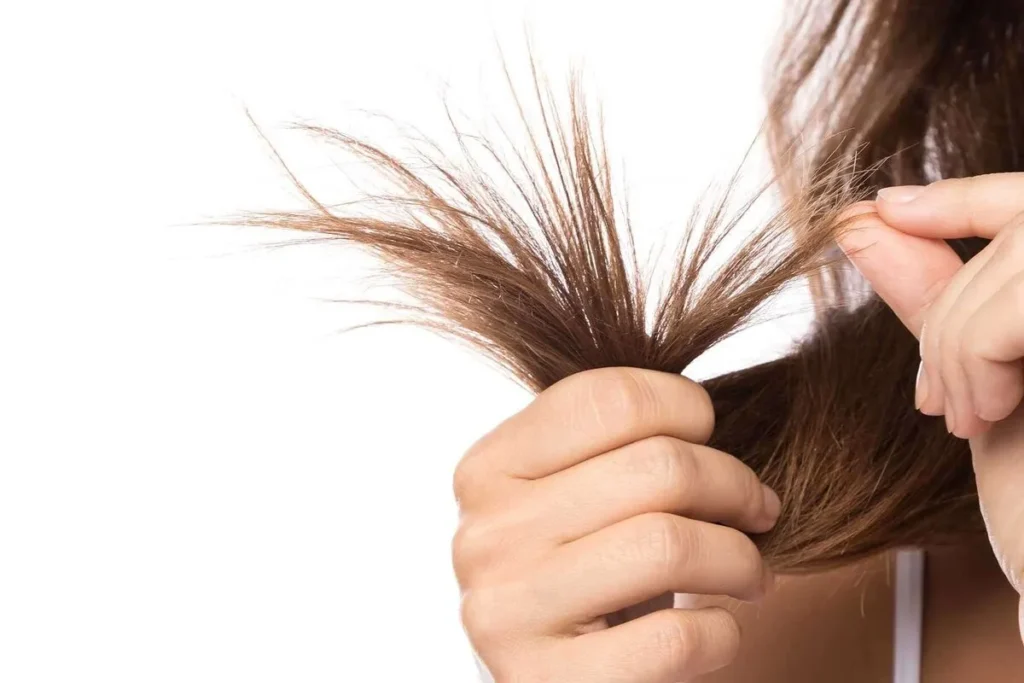
It’s important to know why split ends happen to take good care of your hair. Split ends are a sign of hair damage. They can come from too much heat styling, chemical treatments, and rough handling.
What Are Split Ends and Why They Occur
Split ends happen when hair splits into two or three strands. This starts at the hair’s end. Damage to the hair’s outer layer, the cuticle, exposes the inner layers, causing splits and breaks.
Using a leave-in serum for dry hair helps protect hair. It keeps moisture in and reduces hair strand friction.
The hair cuticle is key to preventing split ends. A healthy cuticle keeps the hair safe. But, when it’s damaged, hair becomes more vulnerable. Using split end oil or split end sealer helps nourish and protect the cuticle, reducing split ends.
Common Causes of Hair Damage
Many things can lead to split ends. Excessive heat styling dries out hair, lifting the cuticle and causing splits. Chemical treatments, like hair dye or perms, also damage hair by changing its structure and compromising the cuticle.
Mechanical stress from combing, brushing, or handling hair roughly can also damage it, more so when hair is wet. Using gentle hair care products and reducing heat styling helps. Adding split ends hair products to your routine gives extra nourishment and protection.
Effective Split End Treatment Products and Methods

Understanding and using the right hair care products and methods is key to treating split ends. Split ends can be a big problem, but with the right approach, they can be managed and treated.
Leave-in Conditioners and Serums
Leave-in conditioners and hair serums for split ends are essential for moisturizing and nourishing hair. They help keep moisture in, making split ends less visible and preventing more damage. Look for products with argan oil, coconut oil, or shea butter for their hydrating benefits.
Protein-Based Hair Treatments
Protein-based hair treatments are great for treating split ends. They repair and strengthen damaged hair. They’re good for hair damaged by chemicals, heat, or the environment. Regular use can make hair stronger and less prone to split ends.
Natural Oils and End Sealers
Natural oils and end sealers are important for hair care. They lock in moisture and protect hair ends from damage. Oils like argan, coconut, and jojoba are great for nourishing and protecting hair. End sealers, made with these oils, seal in moisture and prevent dryness, reducing split ends.
When picking the best hair product for dry ends, think about your hair type and needs. For dry or damaged hair, choose products rich in moisturizers. For oily hair, go for lighter products that won’t weigh it down.
Prevention and Long-Term Hair Care Strategies
To prevent split ends, you need the right products and techniques. Using a hair end seal serum usa can lock in moisture and protect hair. Regular trims and gentle hair care products also help prevent split ends.
If you already have split ends, a split hair treatment can repair and nourish your hair. Look for affordable salon-quality hair treatments for split ends women. These should include ingredients like argan oil and keratin. The best hair serum for split ends can smooth and protect your hair. A good split end treatment can repair and restore damaged hair.
Adding a best split end serum to your hair care routine can prevent split ends. This helps you achieve healthier, more vibrant hair. With the right products and techniques, you can keep your hair healthy for a long time. This reduces the appearance of split ends.
FAQ
What are the most effective hair treatments for split ends?
The most effective treatments are regular trims, protein-rich masks, strengthening serums, deep conditioners, and products formulated to smooth and temporarily seal split ends.
How can I prevent split ends from occurring in the first place?
Prevent split ends by avoiding excessive heat and chemical damage, using gentle detangling techniques, protecting hair from sun and friction, and keeping hair well-conditioned.
What is the best hair serum for split ends?
A serum with repairing and smoothing ingredients like argan oil, silicones, or keratin can help reduce the appearance of split ends and protect strands from further breakage.
Can I use a leave-in conditioner as a split end remedy?
Yes, leave-in conditioners help moisturize, strengthen, and protect hair, which can reduce the severity of split ends between trims.
How often should I get a trim to prevent split ends?
Getting a trim every 8–12 weeks helps remove damaged ends before they worsen and keeps hair healthy.
Are there any affordable salon-quality hair treatments for split ends?
Yes, many drugstore masks, serums, and leave-in treatments deliver salon-like results without a high price tag, especially those with keratin or deep-conditioning formulas.
Can I use natural oils to treat split ends?
Yes, natural oils like coconut, argan, jojoba, or castor oil can help nourish and smooth dry ends, making split ends less noticeable.
What is the best way to apply a hair serum for split ends?
Apply serum to damp or dry hair ends only, avoiding the roots, and use a small amount to smooth split ends and protect from heat and friction.
References
National Center for Biotechnology Information. Evidence-Based Medical Insight. Retrieved from https://pubmed.ncbi.nlm.nih.gov/24123183/