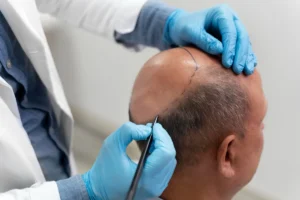
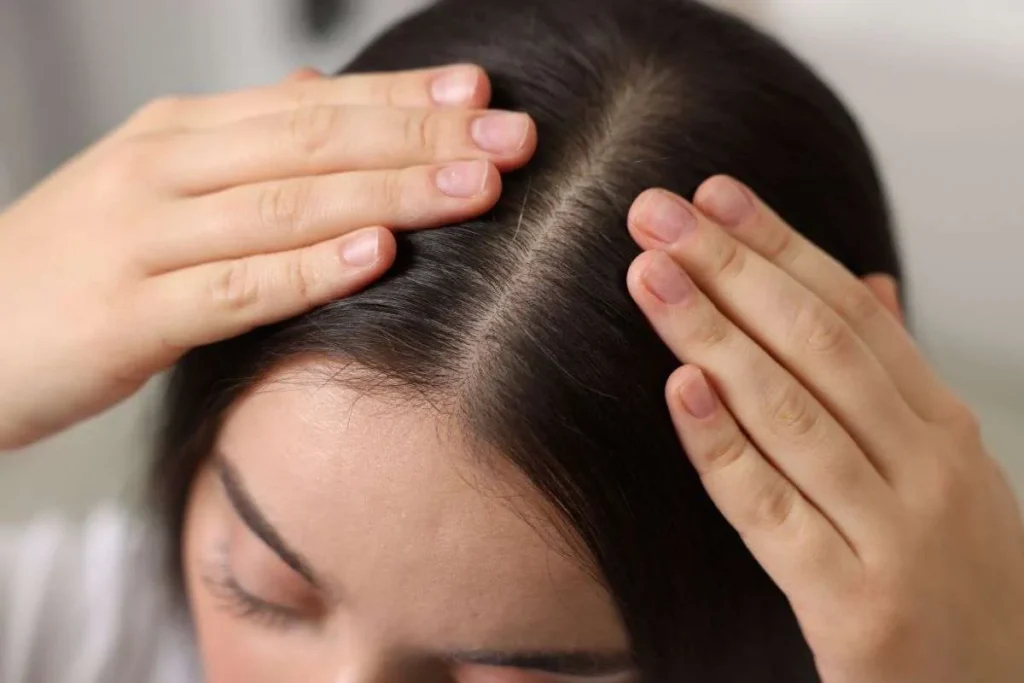
A strong, vibrant hair starts with a healthy scalp. The scalp has about 100,000 hair follicles. It’s key for hair growth, volume, and strength. Davines Canada says a healthy scalp is non-negotiable for shiny hair.
Nourishing the scalp keeps it balanced and supports the hair microbiome. This is vital for hair to grow well. By focusing on scalp nourishment and care, you can help your hair grow strong.
Key Takeaways
A healthy scalp is key for strong, vibrant hair.
Proper scalp nourishment supports hair growth and volume.
Maintaining a balanced scalp microbiome is essential for hair health.
Nourishing the scalp promotes a healthy environment for hair to thrive.
A well-cared-for scalp is the foundation of a robust hair care routine.
Understanding the Science of a Healthy Scalp
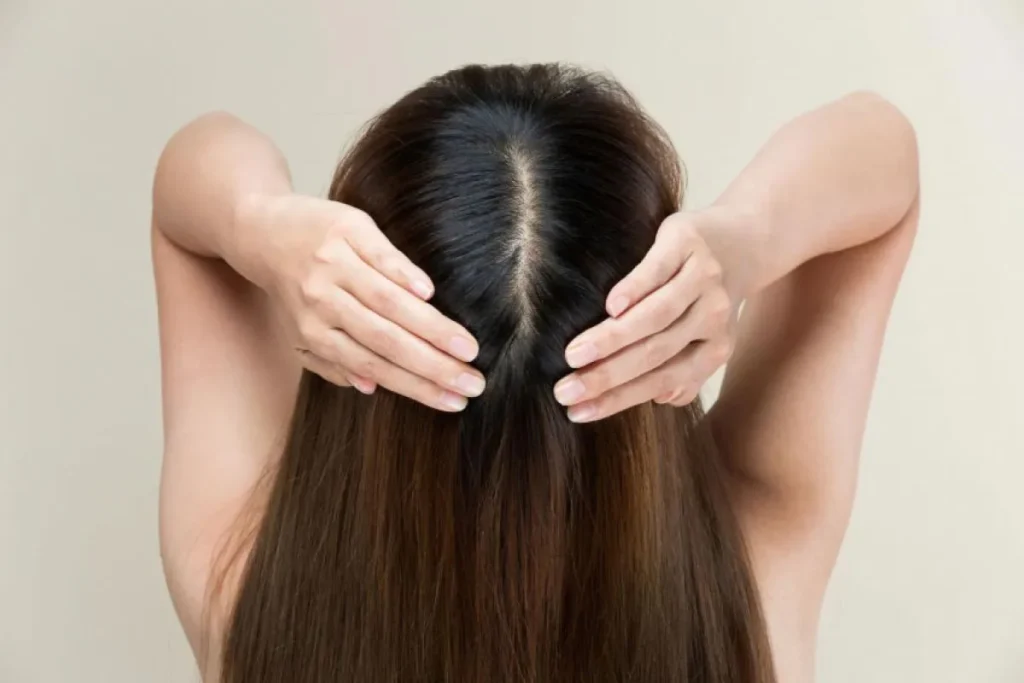
Exploring the science of a healthy scalp shows us how it supports hair growth. The scalp is a complex place where many biological processes happen. These processes either help or harm hair health.
The Microbiome and Hair Follicle Function
The scalp has its own ecosystem, called the scalp microbiome. It includes bacteria, fungi, and other tiny life forms. These tiny creatures are key to keeping the scalp healthy.
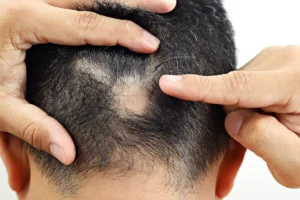
Research shows that an imbalance in the scalp microbiome can cause scalp problems. This imbalance can affect hair follicle function and lead to hair loss or other scalp issues.
A balanced scalp microbiome is vital for hair growth. It helps by controlling the immune system, reducing inflammation, and making sure hair follicles get the nutrients they need.
Common Scalp Issues and Their Root Causes
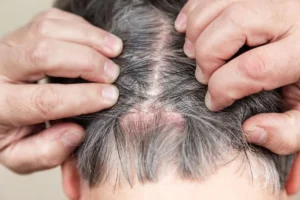
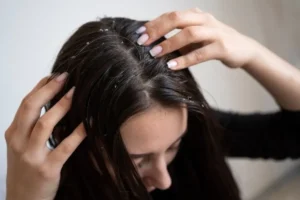
Scalp problems like dandruff, itchiness, redness, and conditions like psoriasis or eczema can come from an imbalance in the scalp microbiome. Knowing what causes these issues is key to finding good treatments.
Nutritional deficiencies, like not enough vitamin D or iron, can also harm the scalp. Vitamin D deficiency is linked to hair loss. Iron is important for scalp circulation and oxygen delivery to hair follicles. This shows how important a balanced diet is for a healthy scalp.
Essential Nutrients for Optimal Scalp Health
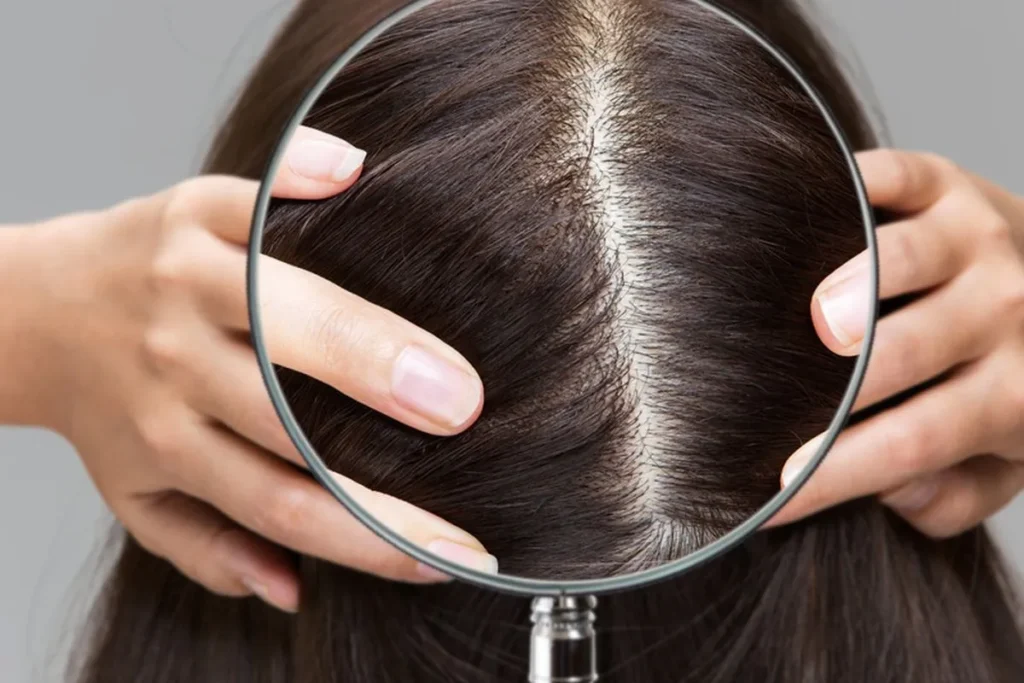
To have a healthy scalp, you need to know the key nutrients it needs. A well-cared-for scalp is key for hair to grow well. It also helps avoid scalp problems.
Vitamins That Nourish Your Scalp
Vitamins are vital for scalp health. Vitamin A helps keep sebum levels right and fights dandruff. Vitamin E and Vitamin C protect the scalp from harm with their antioxidant powers.
Here are some important vitamins for your scalp:
Vitamin A: Helps regulate sebum production
Vitamin E: Antioxidant properties protect the scalp
Vitamin C: Enhances collagen production and improves scalp health
Minerals and Proteins for Scalp Strength
Minerals and proteins are also key for a healthy scalp. Zinc and Iron help hair grow and prevent scalp issues. Proteins, like collagen, are important for scalp strength.
As we get older, our collagen levels drop. This is why supplements or scalp treatments are good for scalp health. Davines Canada says keeping the scalp hydrated is essential. They recommend using scalp serums and hair masks.
Adding these nutrients to your diet and scalp care can help your scalp and hair health.
Natural Remedies and Daily Practices for a Healthy Scalp
Keeping your scalp healthy involves using natural remedies and daily practices. A healthy scalp is key for hair growth and comfort.
Effective Natural Treatments
Many natural treatments can boost scalp health. Coconut oil penetrates deeply to prevent protein loss and balances the scalp’s bacteria. It’s great for a balanced scalp environment.
Tea tree oil fights fungi and bacteria, while apple cider vinegar balances the scalp’s pH. Adding these to your scalp care can improve health.
Creating a Scalp-Friendly Hair Care Routine
Creating a hair care routine that’s good for your scalp means choosing the right products and gentle practices. Flexitol’s guide suggests using a scalp relief serum and shampoo to soothe and hydrate the scalp.
When picking hair care products, look for ones that nourish and protect the scalp. Stay away from harsh chemicals that can dry out and irritate the scalp.
By adding these natural remedies and practices to your daily routine, you can get a healthier, more balanced scalp.
Conclusion
A healthy scalp is key for strong, vibrant hair. The health of your scalp directly affects your hair. To keep your scalp healthy, eat a balanced diet with protein, omega-3 fatty acids, zinc, biotin, and vitamin E.
Learning about scalp health and adding scalp-friendly habits to your day can help your hair grow well. Use natural remedies and choose gentle hair care products. Avoid harsh chemicals and too much heat styling.
By following these tips and making smart choices for your scalp, you can have a healthy scalp. This supports the growth of strong, healthy hair. Taking care of your scalp is an ongoing effort. It requires attention to your diet, hair care, and overall health.
FAQ
What is the importance of maintaining a healthy scalp for hair growth?
A healthy scalp provides the ideal environment for hair follicles to function, supporting strong, thick, and continuous hair growth.
How does the scalp microbiome affect hair follicle function?
A balanced scalp microbiome protects against harmful bacteria and fungi, reduces inflammation, and helps maintain optimal hair follicle health.
What are some common scalp issues and their causes?
Common issues include dandruff (yeast overgrowth), dryness (lack of moisture), oiliness (excess sebum), and irritation from product buildup or allergies.
What nutrients are essential for maintaining optimal scalp health?
Key nutrients include biotin, zinc, vitamin D, iron, omega-3 fatty acids, and protein, all of which support follicle strength and scalp integrity.
How can I naturally nourish my scalp?
Massaging with oils like coconut, jojoba, or argan, using aloe vera, and applying nutrient-rich masks can help improve blood flow and hydration.
What are some tips for creating a scalp-friendly hair care routine?
Use gentle, sulfate-free shampoos, avoid overwashing, exfoliate occasionally, condition regularly, and minimize heat or chemical damage.
How can I keep my scalp healthy and promote hair growth?
Maintain a clean, moisturized scalp, eat a balanced diet, manage stress, and treat scalp issues promptly to create an optimal environment for growth.
What are some signs of an unhealthy scalp?
Signs include persistent itching, redness, flaking, excess oil, burning sensation, hair thinning, or foul odor.
Can a healthy scalp routine help with hair loss?
Yes, a consistent scalp care routine can reduce inflammation, prevent buildup, and support hair follicles, potentially slowing or improving hair loss.
References
National Center for Biotechnology Information. Evidence-Based Medical Insight. Retrieved from https://pmc.ncbi.nlm.nih.gov/articles/PMC9791053/