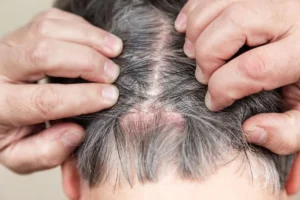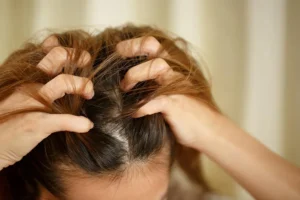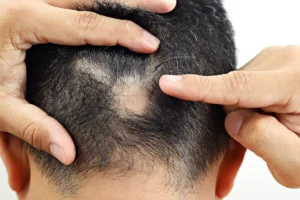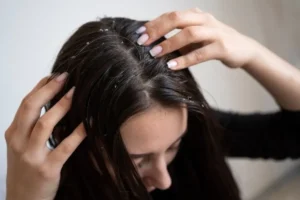
Hair loss is a big problem worldwide, affecting how people feel about themselves and their lives. Studies show that natural items like rosemary and aloe vera help hair grow and stop falling out.
Try these home remedies for hair loss for amazing wins. Use powerful, natural secrets for incredible growth and stop scary hair fall today.
More and more people are looking for natural remedies to keep their hair healthy. There are many safe and easy ways to stop hair fall and make hair grow again right at home.
Key Takeaways
Natural products can promote hair growth and reduce shedding.
Rosemary and aloe vera are backed by research for their efficacy.
Home-based treatments offer a safe alternative to conventional treatments.
Lifestyle modifications can complement natural remedies for hair health.
Simple, non-invasive methods can be effective in stopping hair fall.
Understanding Hair Loss: Causes and Statistics
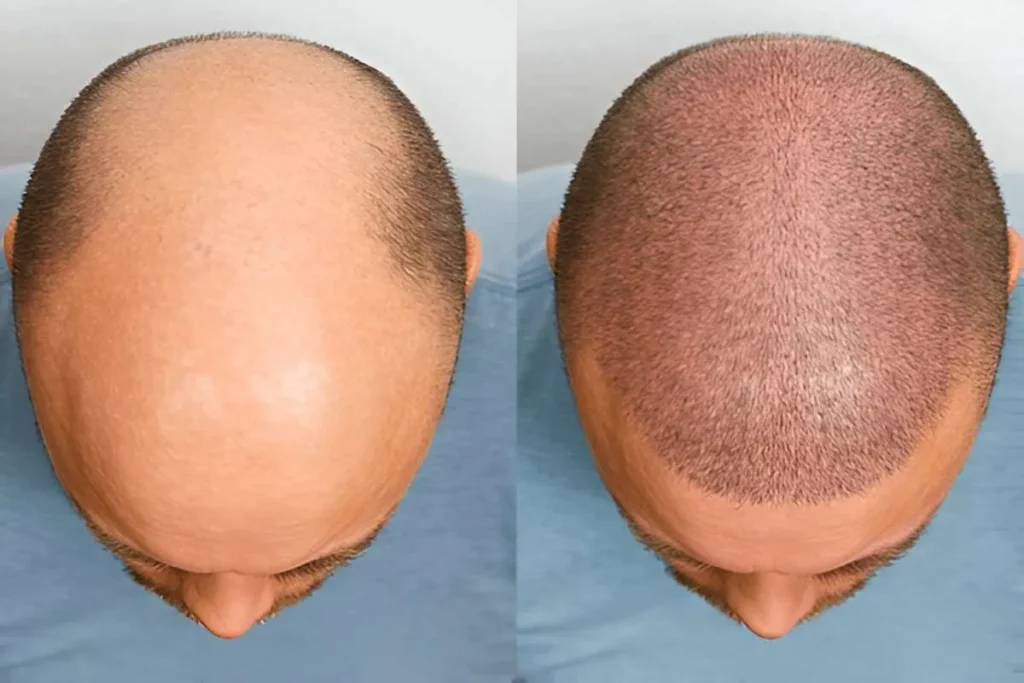
It’s important to know why hair loss happens to find good treatments. Hair loss, or alopecia, can be caused by genetics, hormonal changes, and some medical conditions.
Common Causes of Hair Fall
Hair fall comes from many things. Genetics play a big role, with conditions like androgenetic alopecia being common. Hormonal changes during pregnancy, menopause, or thyroid issues can also cause hair loss. Stress, some medicines, and not getting enough nutrients can make hair fall out too.
Genetic predisposition: Inherited traits can lead to hair loss, like androgenetic alopecia.
Hormonal imbalances: Hormone level changes, like during pregnancy or menopause, can cause hair loss.
Medical conditions: Certain health issues, like thyroid problems and autoimmune diseases, can lead to hair loss.
Hair Loss Demographics by Gender and Age
Hair loss affects many people, with different groups being more affected. Research shows that by age 50, over half of men and one-fourth of women have pattern hair loss. Knowing these numbers helps us tackle hair loss better.
By age 35, about two-thirds of men start to lose hair.
Women often notice hair loss more after menopause.
Hair loss can happen at any age, but it gets more common with age.
Knowing about hair loss demographics shows we need to be aware and find good solutions. By understanding why hair loss happens and how common it is, we can prevent and treat it better.
Effective Home Remedies for Hair Loss

Dealing with hair loss can be tough, but many home remedies help. These remedies are popular because they’re natural. Both men and women can benefit from them.
Natural products like rosemary, green tea, and aloe vera help grow hair. They are full of antioxidants and nutrients. These ingredients feed the scalp and make hair follicles stronger.
Herbal and Plant-Based Solutions
Herbal remedies have been around for ages to fight hair loss. Some top herbal solutions are:
Aloe Vera: It’s full of vitamins and minerals. Aloe vera feeds the scalp and boosts hair growth.
Green Tea: It’s loaded with antioxidants. Green tea cuts down hair loss and encourages new hair to grow.
Rosemary Essential Oil: Rosemary oil boosts hair growth by improving scalp circulation.
Using these herbal remedies alone or together can work best.
Oil Treatments and Massage Techniques
Oil treatments and scalp massage are great home remedies for hair loss. Some good oils are:
Olive Oil: It moisturizes and guards the hair follicles, helping hair grow healthy.
Coconut Oil: Coconut oil feeds the scalp and fights dandruff and other scalp problems that cause hair loss.
Rosemary Oil: As mentioned, rosemary oil encourages hair growth and boosts scalp circulation.
Scalp massage also helps grow hair. It increases blood flow, which feeds the hair follicles.
These remedies work differently for everyone. But many people find them helpful in reducing hair loss and growing new hair.
Lifestyle Changes to Support Hair Health
Making lifestyle changes can greatly improve hair health. Focus on nutrition and managing stress to help your hair grow and reduce shedding.
Nutrition for Stronger Hair
Eating foods rich in nutrients is key for healthy hair. Protein is essential for hair growth. Foods like salmon and oysters are good for your hair because they have omega-3 fatty acids and zinc.
Eggs and nuts are also great because they have biotin. Eating a variety of fruits and vegetables gives your hair the vitamins and minerals it needs. A balanced diet nourishes your scalp and promotes stronger hair.
Stress Management and Hair Loss Prevention
Stress can lead to hair loss, so managing it is important. Meditation and yoga can help you relax. Regular exercise also lowers stress and boosts health.
Getting enough sleep is also vital for hair health. Rest well and try stress-reducing activities to protect your hair from stress damage.
Conclusion
Understanding hair loss causes and using home remedies can help keep hair healthy. Home remedies like herbal solutions, oil treatments, and massages can stop hair fall naturally. They are very effective.
Adding natural remedies to a balanced diet and stress management can prevent hair loss. A diet full of nutrients supports hair health. Stress management reduces stress’s negative effects on hair.
Women can treat thinning hair at home with coconut oil or rosemary essential oil. These treatments nourish and strengthen hair, lowering hair loss risk.
Combining home remedies with lifestyle changes leads to healthier, stronger hair. Stopping hair fall naturally needs patience, persistence, and knowledge.
FAQ
Effective Home Remedies for Hair Loss
Scalp massages with essential oils like rosemary or peppermint are popular home remedies that help increase blood circulation to the hair follicles. Additionally, applying onion juice or aloe vera gel to the scalp may help reduce inflammation and provide nutrients that support a healthier environment for hair growth.
Preventing Hair Loss Through Diet
A diet rich in lean proteins, iron, and omega-3 fatty acids is essential for preventing hair loss and maintaining the structural integrity of the hair shaft. Incorporating foods like eggs, spinach, fatty fish, and nuts ensures your body has the necessary building blocks, such as biotin and zinc, to produce strong hair.
Stress and Hair Loss Management
Stress can trigger a condition called telogen effluvium, which pushes a large number of hair follicles into a resting phase, leading to significant shedding. Managing this through regular exercise, adequate sleep, and mindfulness practices can help return your body to a state of balance and eventually stop the stress-induced hair fall.
Natural Remedies for Women
Women often find success with natural remedies like rinsing the hair with green tea to deliver antioxidants or using pumpkin seed oil, which may act as a natural DHT blocker. Maintaining a healthy scalp pH through diluted apple cider vinegar rinses can also prevent the fungal and bacterial issues that often contribute to female hair thinning.
Promoting Natural Hair Regrowth
Promoting natural regrowth involves stimulating the scalp through daily massage and ensuring you are not causing mechanical damage with tight hairstyles or excessive heat. Using a soft-bristled brush and letting your hair air-dry can preserve existing strands while the body focuses on regenerating new growth from the follicles.
Home Remedies for Thinning Hair
For thinning hair, topical applications of castor oil or coconut oil can provide deep hydration and make individual strands appear thicker and more resilient. Saw palmetto supplements or topical treatments are also frequently used at home as a natural way to potentially reduce the hormonal triggers of hair thinning.
Herbal Remedies for Hair Loss
Herbal remedies like ginseng and hibiscus have been used for centuries to strengthen hair roots and prevent premature graying or shedding. While scientific evidence varies, many people find that herbal hair masks and infused oils help improve the overall texture and health of their hair over time.
Stopping Hair Fall Naturally
References
National Center for Biotechnology Information. Evidence-Based Medical Insight. Retrieved from https://pubmed.ncbi.nlm.nih.gov/25842469/