To get healthy, vibrant hair, you need a mix of good nutrition, scalp care, and regular maintenance. Eating well is key to keeping your hair and scalp healthy. How can i get healthy hair? Discover the amazing fix and powerful secrets for incredible shine and incredibly strong hair strands today.
Hair is mostly made of protein. So, eating at least 45 grams of protein every day is important. A diet full of important nutrients helps your hair stay strong and healthy.
Learning about the role of nutrition and other factors in hair health is a big step. It helps you start working towards your hair goals. Good hair care tips and hair wellness tips can help you create a hair care plan that’s just right for you.
Key Takeaways
Eat a balanced diet rich in essential nutrients for healthy hair.
Consume at least 45 grams of protein daily for hair strength.
Combine proper nutrition with scalp care and maintenance practices.
Develop a personalized hair care routine based on your hair type.
Maintain consistent hair care practices for lasting results.
Understanding Hair Health Fundamentals
To create a good hair care routine, knowing the basics of hair health is key. Hair health depends on genetics, nutrition, age, and the products we use. Understanding these factors helps achieve strong, healthy hair.
The Science Behind Hair Structure and Growth
Hair is made of a protein called keratin and grows from the hair follicle. It has three main parts: the cuticle, cortex, and medulla. The cuticle is the outer layer, protecting hair from damage.
The cortex, the main part of the hair shaft, holds melanin, which gives hair its color. It also determines hair strength and elasticity.
Hair grows in cycles: anagen, catagen, and telogen. The anagen phase is when hair grows fast. Knowing these cycles helps manage hair health.
Identifying Signs of Damaged vs. Healthy Hair
Healthy hair shines, is elastic, and breaks less. Damaged hair looks dull, brittle, and splits easily. Heat styling, chemical treatments, and environmental stress can damage hair.
To tell if your hair is healthy or damaged, watch for signs like excessive shedding, frizz, or unmanageability. Spotting these signs helps you fix your hair’s health.
How Can I Get Healthy Hair Through Proper Nutrition
Getting healthy hair starts with a balanced diet full of essential nutrients. A well-nourished body helps grow strong, resilient hair. The right nutrition gives hair the strength, shine, and health it needs.
Essential Proteins and Vitamins for Hair Strength
Proteins are key to hair structure, making up most of hair. Foods like lean meats, fish, eggs, and legumes are vital for hair strength. Vitamin C is also important, helping make collagen and iron absorption for hair growth. Citrus fruits, berries, and leafy greens are great Vitamin C sources.
B vitamins, like Biotin, are also important for hair health. Biotin helps turn protein into energy for hair growth. Nuts, seeds, and whole grains are good Biotin sources. Getting enough of these nutrients can make hair stronger and less prone to breakage.
Minerals That Support Hair Follicle Health
Zinc and Iron are minerals that help hair follicles. Zinc aids in hair growth and maintenance, while Iron ensures oxygen delivery to follicles. Eating zinc-rich foods like oysters, beef, and chicken, and iron-rich foods like red meat, spinach, and quinoa supports healthy hair growth.
Selenium is also key for scalp protection. Brazil nuts are a great Selenium source. Adequate mineral intake through diet or supplements keeps hair follicles healthy and supports hair health.
Hydration’s Role in Maintaining Hair Elasticity
Hydration is vital for hair elasticity. Drinking enough water keeps hair healthy and resilient. Dehydration can cause dry, brittle hair that breaks easily. Eating hydrating foods like watermelon, cucumbers, and celery also helps stay hydrated.
Keeping hair elastic isn’t just about water; it’s also about the right hair care products. Moisturizing shampoos and conditioners help keep hair flexible and strong. A healthy hair care routine with proper hydration and nourishing products greatly improves hair health and appearance.
Effective Scalp Care Techniques
Scalp care is key to having healthy, vibrant hair. A well-cared-for scalp helps hair grow better. It also lowers the chance of scalp problems.
Selecting Products Based on Your Hair Type
It’s important to pick the right hair care products. Different hair types need special products to stay healthy. For oily hair, products with tea tree oil or salicylic acid can help.
For dry or damaged hair, moisturizing products are best. Look for ones with coconut oil or shea butter. Avoid harsh chemicals like sulfates to prevent irritation.
Proper Cleansing and Conditioning Methods
Cleansing and conditioning are vital for scalp care. Proper cleansing gets rid of dirt and oil. Conditioning moisturizes and protects the hair and scalp.
When conditioning, focus on the hair ends but also nourish the scalp. Choose a conditioner that suits your hair type for better scalp health.
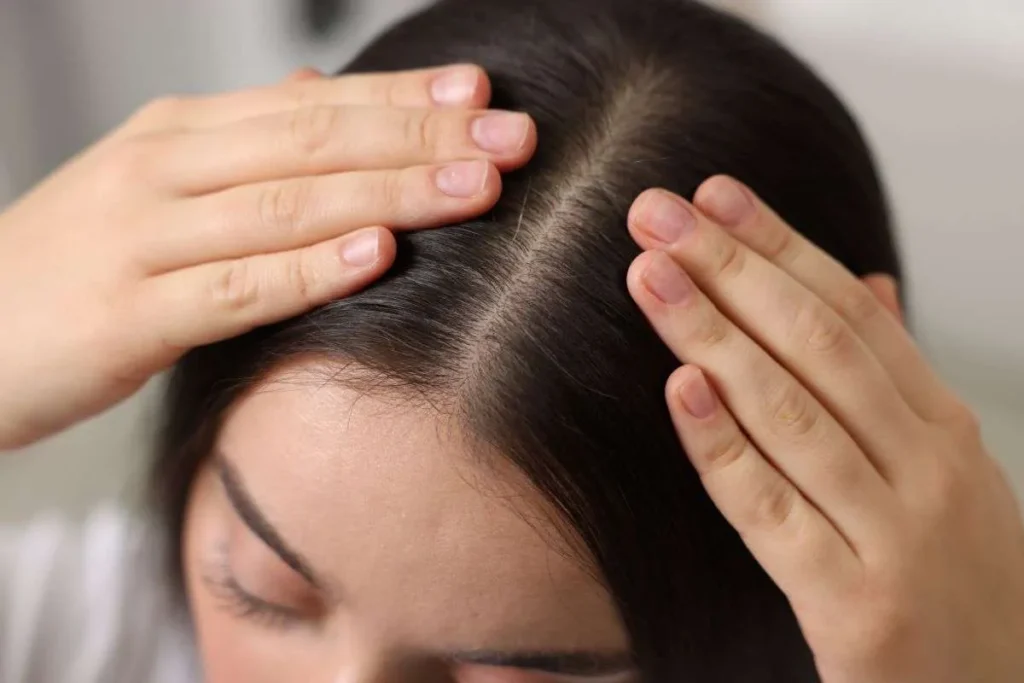
Scalp Massage and Exfoliation Benefits
Scalp massage and exfoliation boost scalp health. Massaging the scalp increases blood flow, aiding hair growth. It also reduces tension.
Exfoliating the scalp removes dead skin cells. Use a scalp scrub or brush for this. Adding these to your hair care routine keeps your scalp healthy and promotes hair growth.
Daily Hair Maintenance Practices
To keep your hair healthy, it’s important to add daily care to your routine. Doing so can greatly improve your hair’s health and look.
Heat Styling Protection and Alternatives
Too much heat styling can dry out and break your hair. Use a heat protectant spray before styling. Try air-drying or heatless styling to lessen damage.
Tips for Reducing Heat Styling Damage:
Limit heat styling to once or twice a week.
Use the lowest effective heat setting.
Avoid holding the heat tool in one place for too long.
Correct Brushing and Detangling Techniques
Brushing and detangling are key daily habits. They can either help or harm your hair, depending on how you do it. Use a wide-tooth comb or a detangling brush to gently detangle, starting from the ends.
Best Practices for Brushing and Detangling:
Defending Hair Against Environmental Damage
UV rays, pollution, and harsh weather can harm your hair. Use a hat or a hair product with SPF to protect it from the sun. A hair serum or mask can also shield your hair from environmental stressors.
Protective Measures for Hair:
Use a hair product with SPF or UV protection.
Wear a hat or scarf when going outside, in harsh weather.
Apply a hair serum or mask to repair and protect your hair.
By adding these daily practices to your hair care routine, you can greatly improve your hair’s health and look. Remember, consistent care is key to maintaining healthy, resilient locks.
Conclusion
Getting healthy hair is a big job that needs good nutrition, scalp care, and daily habits. Knowing how to keep your hair healthy helps a lot. It makes your hair strong and shiny.
A good hair care plan includes eating right, taking care of your scalp, and protecting your hair. Using the right hair products and keeping your hair clean is key. It also helps shield your hair from harm outside.
By following these steps, you can keep your hair healthy for a long time. A balanced hair care routine is vital. It makes your hair strong, flexible, and healthy.
FAQ
How can I make my hair healthier?
Use gentle products, deep condition weekly, limit heat styling, trim regularly, eat well, and protect hair while sleeping.
What are the key nutrients for healthy hair?
Protein, iron, zinc, omega-3 fatty acids, and vitamins B12, D, and C.
How does hydration impact hair health?
Proper hydration improves elasticity, reduces dryness, and supports a healthy scalp.
What are the benefits of scalp massage and exfoliation?
Massage boosts circulation and may support growth. Exfoliation removes buildup and keeps follicles clear.
How can I protect my hair from heat styling damage?
Use heat protectant, lower temperatures, avoid daily heat use, and deep condition regularly.
What are the best practices for brushing and detangling hair?
Use a wide-tooth comb, detangle from ends upward, and avoid brushing soaking-wet fragile hair roughly.
How can I defend my hair against environmental stressors?
Protect from sun, pollution, and chlorine; wear hats, rinse after swimming, and use antioxidant-rich products.
How often should I wash my hair?
Oily: every 1–2 days.
Normal: 2–3 times weekly.
Dry/curly: 1–2 times weekly.
What are the signs of a healthy scalp?
No excessive itching, redness, flakes, or buildup; balanced oil levels and minimal irritation.
How can I achieve healthy hair through my diet?
Eat balanced meals rich in protein, leafy greens, healthy fats, fruits, and whole grains; stay hydrated daily.