Learn how often should i use ketoconazole for seborrheic dermatitis to achieve clear skin. Follow this expert guide for effective scalp relief.
Seborrheic dermatitis is a common skin condition that affects millions. It causes itchy, flaky, and inflamed skin patches. Ketoconazole, an antifungal medication, is a highly effective treatment.
Ketoconazole comes in different forms like shampoo, cream, and foam. It offers a versatile solution for managing seborrheic dermatitis. Knowing how to use it properly can help you get the most out of the treatment.
This article will guide you on using ketoconazole for seborrheic dermatitis. It will help you achieve the best results while avoiding side effects.
Key Takeaways
Ketoconazole is a proven, effective treatment for seborrheic dermatitis.
Various formulations are available, including shampoo, cream, and foam.
Proper application and frequency of use are key for optimal results.
Ketoconazole offers antifungal properties to combat seborrheic dermatitis.
Understanding the treatment can help minimize side effects.
Understanding Ketoconazole Treatment for Skin Conditions

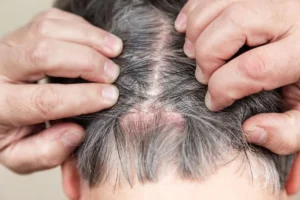
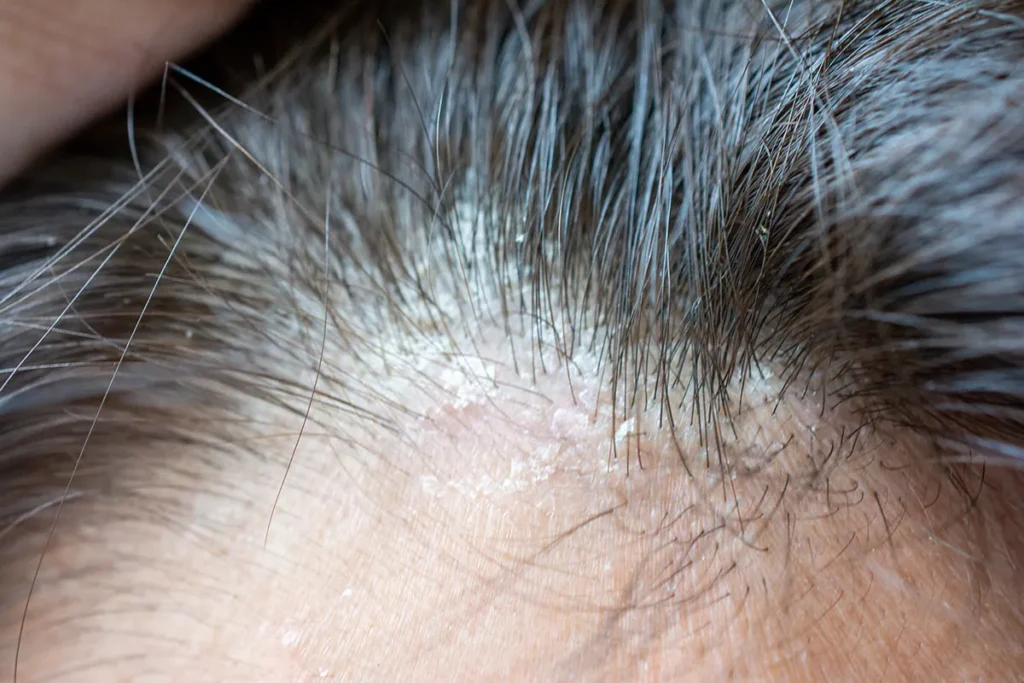
Ketoconazole plays a key role in treating seborrheic dermatitis. This condition causes flaky, itchy skin, mainly on the scalp. It can also appear on other oily parts of the body.
What is Seborrheic Dermatitis and Its Causes
Seborrheic dermatitis is linked to too much Malassezia furfur, a skin yeast. This yeast growth causes inflammation and symptoms. Stress, cold weather, and genetics can trigger this condition.
How Ketoconazole Works as an Antifungal Treatment
Ketoconazole stops fungal growth by changing the cell membrane. It blocks the making of ergosterol, a key part of fungal cells. This stops Malassezia furfur from growing and reduces seborrheic dermatitis symptoms.
Effective antifungal treatment is key for managing seborrheic dermatitis. Ketoconazole’s action makes it a top choice for treating this condition.
Available Formulations: Shampoo, Cream, and Foam
Ketoconazole comes in shampoo, cream, and foam. Nizoral shampoo is famous for scalp treatments. The cream and foam are for other body areas.
When using ketoconazole cream, follow your doctor’s or the label’s advice. Apply it once or twice a day to the affected area. Clean and dry the area first for better results.
The different ketoconazole forms help create personalized treatment plans. These plans meet the individual’s specific needs and condition severity.
How Often Should I Use Ketoconazole for Seborrheic Dermatitis

Using ketoconazole the right way is key to treating seborrheic dermatitis. Knowing how much to use and when is important for the best results.
Ketoconazole Shampoo Dosage and Frequency
For treating seborrheic dermatitis, use ketoconazole 2% shampoo twice a week for 2-4 weeks. This strong start helps control symptoms well.
After the first treatment, use it once a week to keep symptoms away. This keeps your scalp healthy.
Ketoconazole Cream and Foam Usage Guidelines
Ketoconazole cream and foam have their own rules for use. For seborrheic dermatitis, apply it to the affected area once a day.
The treatment time depends on how bad the condition is and how well you respond. Always follow what your doctor says.
Using Ketoconazole for Pityriasis Versicolor and Tinea Versicolor
Ketoconazole works well for pityriasis versicolor and tinea versicolor too. Use ketoconazole cream or shampoo once a day for 1-2 weeks.
Nizoral shampoo, a ketoconazole product, is good for pityriasis versicolor. Apply it to the area, wait a bit, then rinse off.
By sticking to the right dosage and application, you can manage seborrheic dermatitis and other fungal infections with ketoconazole.
Maintenance Therapy and Long-Term Management
Managing seborrheic dermatitis long-term means using ketoconazole maintenance therapy. Studies show that using ketoconazole shampoo once a week can greatly reduce its return.
Adding ketoconazole shampoo to your routine helps keep seborrheic dermatitis away. Its antifungal action fights off infections that cause the condition. This keeps your scalp healthy and symptom-free.
To get the best results, stick to a consistent maintenance plan. Use ketoconazole shampoo as your healthcare provider advises. With this approach, you can control seborrheic dermatitis for good. This means a healthier, symptom-free life for you.
FAQ
How often should I use ketoconazole shampoo for seborrheic dermatitis?
Usually 2–3 times per week for 2–4 weeks, then once weekly for maintenance.
Can I use ketoconazole shampoo every day?
Daily use is not usually needed and may cause dryness unless advised by a doctor.
How do I use ketoconazole cream for seborrheic dermatitis?
Apply a thin layer to the affected area once or twice daily after washing and drying the skin.
How long should I use ketoconazole cream?
Typically 2–4 weeks, depending on severity and response.
Can I use ketoconazole cream on my face?
Yes, it is commonly used for facial seborrheic dermatitis, but avoid the eyes.
How often should I apply ketoconazole cream?
Usually once or twice daily as prescribed.
Is ketoconazole effective for pityriasis versicolor?
Yes, it treats fungal infections like Pityriasis versicolor effectively.
How do I use Nizoral shampoo for pityriasis versicolor?
Apply to affected skin, leave for 5–10 minutes, then rinse. Use daily for 3–5 days or as directed. Nizoral
Can I use ketoconazole shampoo for tinea versicolor?
Yes, it is commonly used to treat Tinea versicolor.
References
National Center for Biotechnology Information. Evidence-Based Medical Insight. Retrieved from https://pmc.ncbi.nlm.nih.gov/articles/PMC11416180/