Learn how to fix dead hair with this incredible recovery guide. Use amazing, powerful secrets to restore your incredibly beautiful hair fast.
Damaged hair is a big problem for millions worldwide. Excessive heat styling, chemical treatments, and environmental factors all harm hair a lot.
Fixing damaged hair means knowing why it happens and how to fix it. At Gold City Hair, we know how important hair health is. We help you bring back your hair’s natural shine by fixing the damage at its source.
Key Takeaways
Understanding the causes of damaged hair is key to fixing it.
Too much heat and chemicals damage hair a lot.
Things like pollution also hurt hair.
Fixing damaged hair needs a plan made just for you.
Getting your hair healthy again makes it look and feel better.
Understanding the Science of Hair Damage

To fix hair damage, we need to know what causes it and how it shows up. Hair damage is complex. It involves the hair’s structure and outside factors that harm it.
Identifying Dead and Damaged Hair
Identifying Dead and Damaged Hair
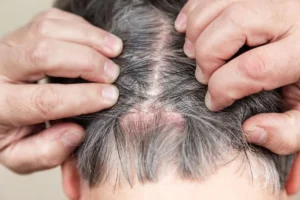
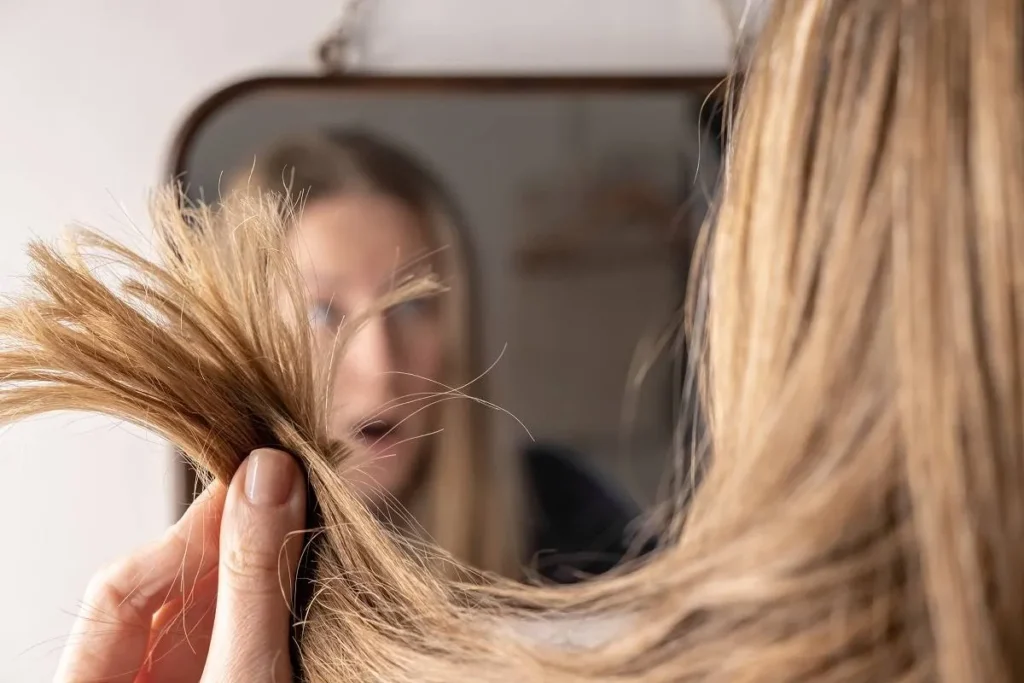
Damaged hair shows up as split ends, breakage, and loss of bounce. Studies reveal that damaged hair stretches 30 to 70 percent. This causes hair fiber fractures and increased porosity. Look for these signs to spot damaged hair:
Dryness and brittleness
Split ends and breakage
Dullness and lack of shine
Unmanageable and frizzy texture
Causes of Hair Damage
Common Causes of Hair Deterioration
Chemical treatments like bleaching and coloring harm the cuticle layer. Environmental pollution also changes the cuticle and cortex. Other common reasons include:
Knowing these causes helps us fix damaged hair. By understanding what causes hair damage, we can start to fix it. This leads to healthier, more vibrant hair.
How to Fix Dead Hair: Emergency Rescue Techniques
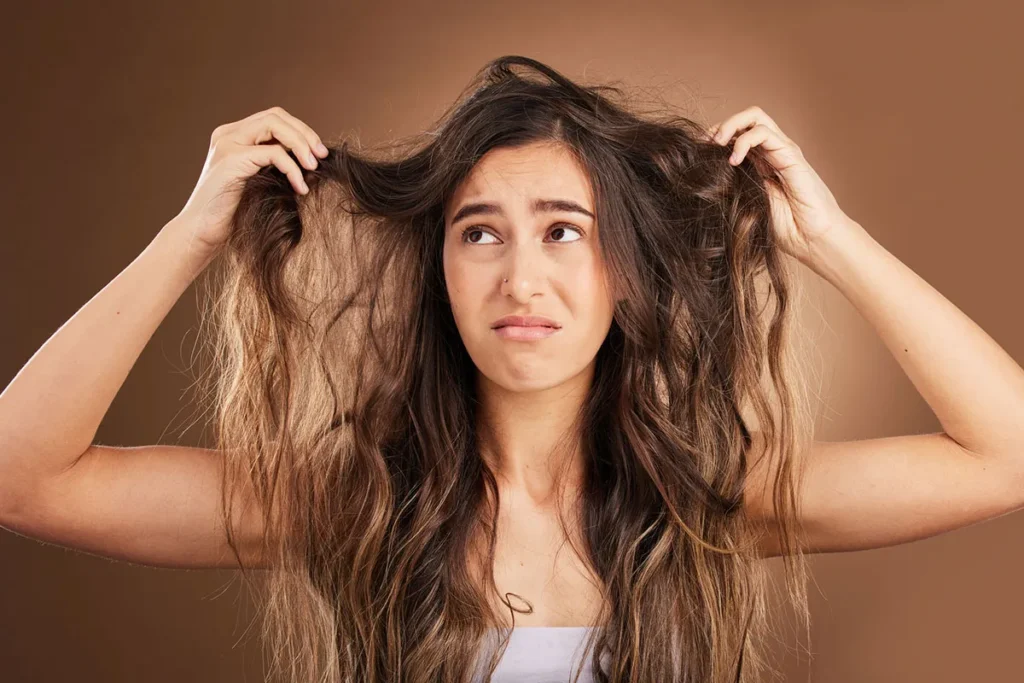
Fixing damaged hair needs quick action and the right methods. When hair gets damaged, it loses its shine, becomes brittle, and breaks easily. To restore damaged hair, you need a detailed plan that includes deep treatments and good hair care.
Deep Conditioning Treatments
Deep conditioning is a top way to repair broken hair fast. These treatments go deep into the hair, adding moisture and nutrients. They help revive dry, damaged hair. Products like ULTIMATE REPAIR Shampoo and Conditioner are made to fix damaged areas, bringing back hair’s natural life.
For the best results, do deep conditioning treatments often, like once or twice a week. Keep the conditioner on for at least 30 minutes before rinsing with cold water. This seals the cuticles and keeps moisture in.
Protein Treatments for Structural Repair
Damaged hair often doesn’t have enough protein, making it weak. Protein treatments fix this by rebuilding the hair’s structure. These treatments have proteins that strengthen the hair shaft, cutting down on breakage.
Use a protein-based hair mask once a week.
Leave the treatment on for 15-30 minutes.
Rinse well and then use a moisturizing conditioner.
Trimming and Damage Control Strategies
While treatments help a lot, trimming is sometimes needed to cut off split ends and stop more damage. Regular trims keep hair healthy by removing damaged parts that can spread up the hair shaft if not cut.
To undamage hair well, it’s key to use damage control strategies. This includes using less heat styling, combing with a wide-tooth comb, and protecting your hair from the environment.
Long-Term Restoration Methods for Severely Damaged Hair
Restoring dead hair takes time and the right methods. It’s a journey that needs patience and the right care. With the right steps, you can make your hair healthy and vibrant again.
Hair Masks and Overnight Treatments
Hair masks and overnight treatments deeply nourish damaged hair. K18 Leave-In Molecular Hair Mask and Kérastase Nutritive 8H Magic Night Serum are great for repair. They condition, fill gaps, and lock in moisture.
To get the most from these treatments, apply them to damp hair. Focus on the ends, which are usually the most damaged. Leave it on for 15 minutes to overnight, then rinse well.
Scalp Care for Healthier Hair Growth
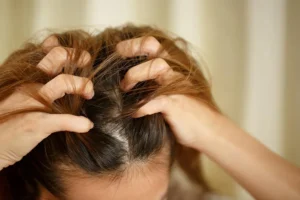
A healthy scalp is key for hair growth. Clean it regularly, massage it, and protect it from harm. Massaging the scalp boosts blood flow and hair growth.
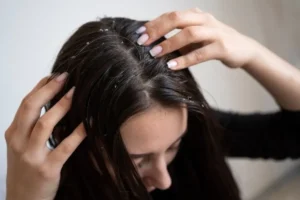
Scalp serums with biotin, keratin, or saw palmetto are also good. They nourish the scalp, reduce dandruff, and create a healthy environment for hair.
Nutrition and Supplements for Hair Repair
Good nutrition is essential for hair health. Eating foods rich in vitamins and minerals, like biotin and omega-3s, helps a lot. Salmon, walnuts, and spinach are great for your hair.
Supplements can also help. Biotin strengthens hair follicles and promotes growth. Omega-3s nourish the scalp and support healthy hair growth.
By using these methods together, you can restore your damaged hair. It’s all about a good hair care routine, nourishing treatments, scalp care, and a balanced diet.
Conclusion: Preventing Future Damage and Maintaining Results
To keep your hair healthy and vibrant, it’s key to have a regular hair care routine. This should include using gentle products and methods. By knowing how to fix my hair and taking action early, you can avoid future damage and keep your hair looking great.
Choosing the right products and avoiding too much heat styling are important. Also, gentle hair care is essential. Regular trims, deep conditioning, and a diet full of nutrients can help how to heal damaged hair and support growth.
By following these tips and being careful with your hair care, you can help dead hair recover and grow. With time and effort, you can get the healthy, beautiful hair you’ve always wanted.
FAQ
How can I fix my damaged hair?
Trim split ends, reduce heat styling, use a deep conditioning mask weekly, apply a leave-in conditioner, and avoid harsh chemical treatments. Consistent gentle care improves texture and strength.
What are the common causes of hair damage?
Excessive heat styling, bleaching and coloring, chemical treatments, tight hairstyles, rough brushing, sun exposure, and lack of moisture are the most common causes.
How can I revive my dead hair?
Hair isn’t “alive,” but you can improve its look by deep conditioning, using lightweight oils on the ends, limiting heat, and trimming damaged portions.
What is the best way to restore damaged hair?
Combine regular trims, protein treatments (for strength), moisturizing masks (for dryness), minimal heat use, and protective styling for best results.
Can I fix really damaged hair?
Severely damaged hair can’t be fully repaired. You can improve manageability and shine, but badly split or overprocessed hair often needs to be cut off.
How do I prevent future hair damage?
Use heat protectant, avoid frequent bleaching, don’t overwash, detangle gently, protect hair from sun, and avoid tight hairstyles that cause breakage.
What role does nutrition play in hair repair?
Nutrition supports healthy new hair growth from the roots. Protein, iron, zinc, omega-3s, and vitamins like biotin and vitamin D are important for stronger, healthier hair.
Are there any supplements that can help repair damaged hair?
Supplements like biotin, collagen, iron (if deficient), vitamin D, and omega-3s may support healthier growth. It’s best to check for deficiencies before taking supplements.
References
National Center for Biotechnology Information. Evidence-Based Medical Insight. Retrieved from https://pmc.ncbi.nlm.nih.gov/articles/PMC9695591/