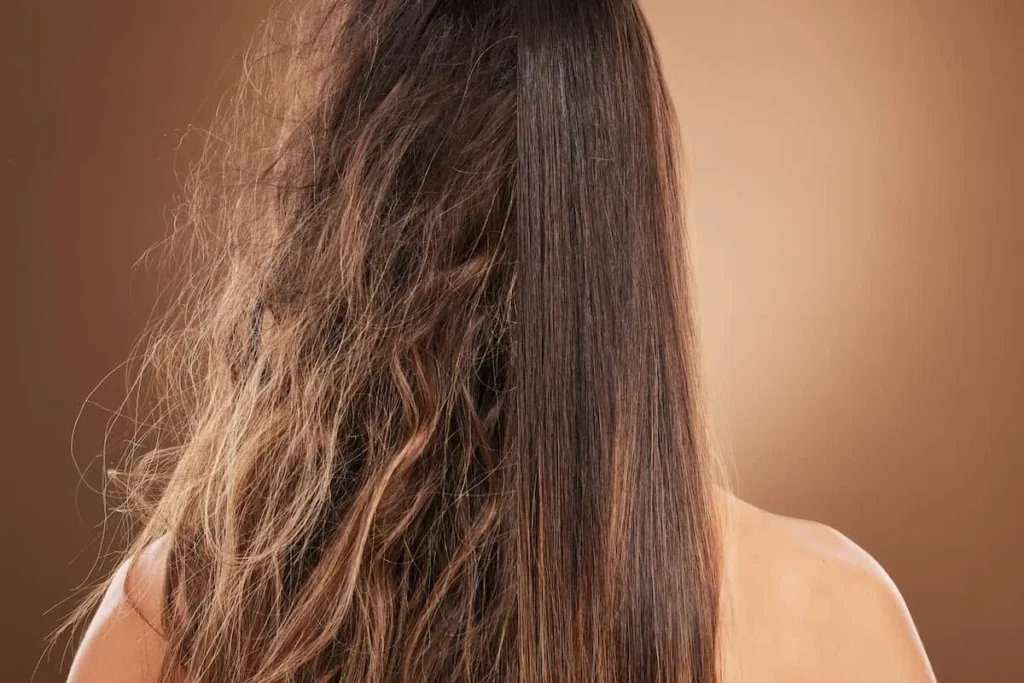
Damaged hair is a big problem worldwide, affecting about 43% of people. When hair feels brittle, breaks easily, and looks dull, it’s really frustrating.
The reasons for hair damage include mechanical, chemical, and heat damage. New treatments like PRP and coconut oil are showing promise.
By using professional treatments, eating right, and protecting your hair, you can fix damaged hair. Here are 7 steps to help you restore your hair.
Key Takeaways
Understand the causes of hair damage, including mechanical, chemical, and heat-related factors.
Explore emerging therapeutic approaches, such as PRP treatment and coconut oil applications.
Learn how to combine professional treatments, nutritional support, and protective practices.
Discover 7 proven steps to repair and restore damaged hair.
Revive your hair with a complete approach.
Understanding Extremely Damaged Hair
It’s important to know how much hair is damaged to fix it. Hair damage shows in different ways. So, it’s key to spot the signs and find out why it happens.
Signs Your Hair Is Severely Damaged
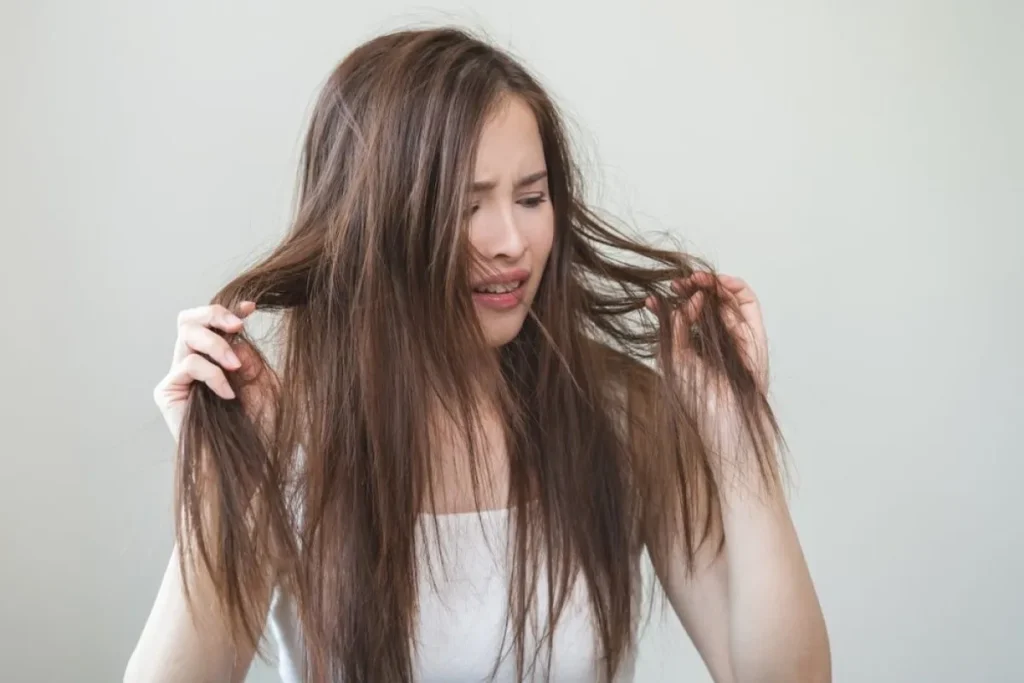
Severely damaged hair has clear signs. Look out for:
Dryness and brittleness
Excessive breakage
Split ends
Dullness and lack of shine
Hair experts say, “Damaged hair looks dull because it lacks a smooth outer layer.”
Common Causes of Hair Damage
Hair damage comes from many things, like:
Knowing these causes helps fix hair damage. Spotting damage and its causes lets people make better hair care plans.
How to Fix Extremely Damaged Hair: Initial Recovery Steps
Fixing extremely damaged hair starts with stopping harmful practices, trimming damaged ends, and using deep conditioning treatments. These steps help begin the healing process and restore your hair’s health.
Step 1: Stop Damaging Hair Practices Immediately
To start recovering, you must stop damaging hair practices right away. Avoid too much heat styling, cut down on chemical treatments, and be gentle when combing or brushing. Stopping these practices prevents more damage and lets your hair recover.
Using heat styling tools less and choosing gentler products can greatly reduce damage. Always use a heat protectant spray when styling with heat to protect your hair.
Step 2: Trim Away Split Ends
Trimming split ends is key to hair recovery. Split ends can move up the hair shaft if not cut, causing more damage and breakage. Regular trims keep your hair healthy and prevent split ends from spreading.
Getting a trim every 6-8 weeks is recommended to remove split ends and prevent further damage. Even if you’re trying to grow your hair, regular trims are important for hair health.
Step 3: Deep Condition with Protein Treatments
Deep conditioning with protein treatments is essential for repairing damaged hair. Protein treatments strengthen and make hair more elastic by filling in gaps in the hair shaft. Look for deep conditioning masks with protein-rich ingredients like keratin, argan oil, or coconut oil.
To maximize a protein treatment, apply it after shampooing, focusing on the ends. Leave it on for at least 30 minutes before rinsing well.
Advanced Restoration Techniques for Damaged Hair
To fix severely damaged hair, add advanced restoration methods to your hair care. These techniques can greatly improve damaged hair’s health and look.
Step 4: Apply Natural Oils for Cuticle Repair
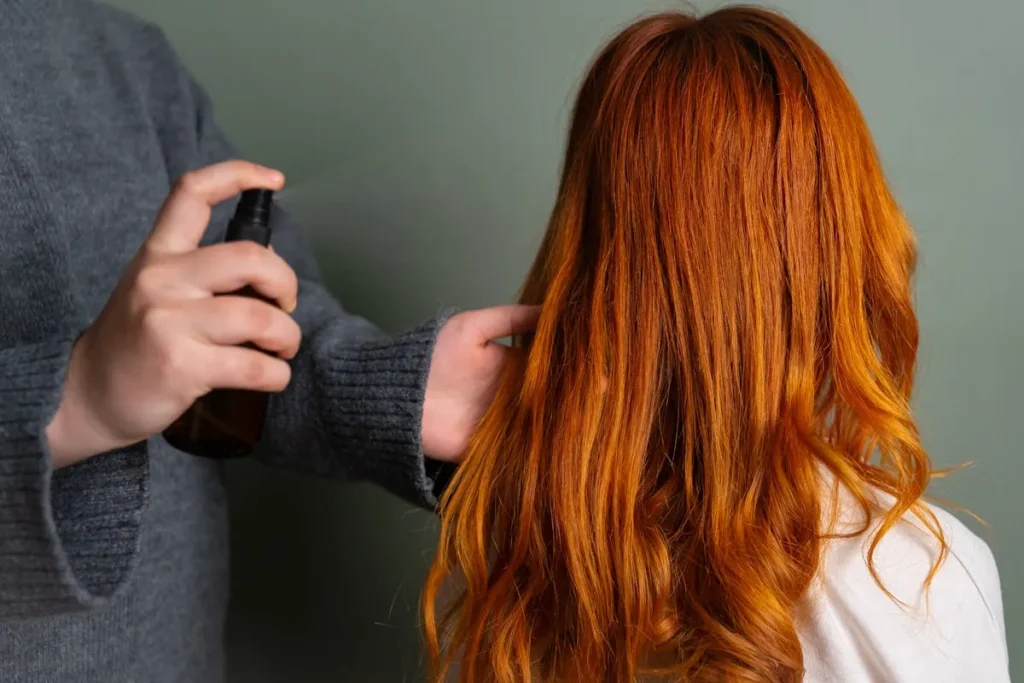
Natural oils are key in fixing hair. Oils like coconut oil, argan oil, and olive oil are full of nutrients. They help fix the hair cuticle, cut down frizz, and make hair shine. Coconut oil is special because it goes deep into the hair shaft, giving it deep nourishment.
“Using natural oils on your hair is easy. Just apply a bit to the ends after washing, or do a pre-shampoo treatment. Soak your hair in oil for hours before washing,” hair care experts advise.
Step 5: Use Heat-Free Styling Methods
Heat styling often damages hair. Switching to heat-free styling can help your hair heal. Braiding, twisting, and using rollers can make your hair look great without heat.
Braiding: Great for achieving wavy patterns without heat.
Twisting: Excellent for creating curls and adding definition.
Rollers: Ideal for adding volume and curls.
Step 6: Consider Professional Treatments
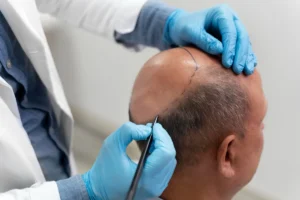
For really damaged hair, professional treatments can help a lot. Treatments like PRP (Platelet-rich Plasma) therapy, keratin treatments, and hair masks can fix hair a lot. PRP therapy is when they inject platelet-rich plasma into your scalp to help hair grow and get thicker.
Conclusion
Fixing damaged hair needs a full plan. This includes stopping bad habits, using nourishing treatments, and helping hair grow back. Knowing why hair gets damaged and acting early can make a big difference.
Fixing very damaged hair takes a few important steps. First, cut off split ends. Then, deep condition with protein treatments. Lastly, use natural oils to fix the hair cuticle. Using these methods and avoiding heat styling can greatly improve your hair’s health and look.
To get your hair healthy again, be patient and stick to your hair care plan. Using products like Moroccanoil and Kerastase can help. By using these methods and avoiding harm, you can fix and restore your damaged hair.
FAQ
How can I fix fried hair?
Stop heat styling immediately, trim split ends, use a deep moisturizing mask 1–2 times weekly, apply a leave-in conditioner, and seal ends with a light oil to reduce dryness and frizz.
What are the best ways to revive damaged hair?
Combine regular trims, weekly deep conditioning, occasional protein treatments for strength, minimal heat use, and gentle detangling.
How can I get damaged hair healthy again?
Focus on moisture + strength balance, avoid bleaching or chemical treatments, use sulfate-free shampoo, and protect hair while sleeping with silk or satin fabric.
What can I do to restore dead hair?
Hair isn’t alive, so it can’t truly be restored—but you can improve its texture and shine with consistent conditioning, protein repair treatments, and trimming damaged ends.
How can I revitalize my hair?
Hydrate with masks, massage your scalp to boost circulation, improve nutrition (protein, iron, omega-3s), and reduce stress and harsh styling.
How do I reverse damaged hair?
You can’t fully reverse structural damage. You can improve appearance and prevent further breakage through conditioning, strengthening treatments, and cutting off severely damaged portions.
What are some tips for repairing really damaged hair?
Avoid heat completely for a while, space out washes, use bond-repair treatments, trim gradually, avoid tight hairstyles, and protect hair from sun exposure.
How can I heal damaged hair?
Reduce chemical processing, moisturize regularly, use protein treatments when hair feels weak, and handle hair gently when wet.
How can I restore damaged hair fast?
You can improve the look quickly with a deep conditioning mask and smoothing serum, but true improvement takes several weeks of consistent care.
What are some ways to repair broken hair?
Use strengthening treatments, avoid brushing wet hair roughly, detangle with a wide-tooth comb, keep hair moisturized, and trim split ends regularly.
How can I make damaged hair healthy again?
Adopt a gentle routine: less heat, balanced moisture and protein, regular trims, and good nutrition to support healthier new growth.
How can I save dead hair?
Severely damaged sections can’t be revived permanently. Trim the worst areas and focus on protecting and strengthening the remaining hair.
How can I undamage my hair?
You can’t completely undo damage, but you can prevent further harm and greatly improve texture with consistent hydration, strengthening care, and minimizing heat and chemicals.
References
National Center for Biotechnology Information. Evidence-Based Medical Insight. Retrieved from https://pmc.ncbi.nlm.nih.gov/articles/PMC4387693/