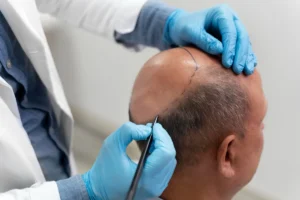
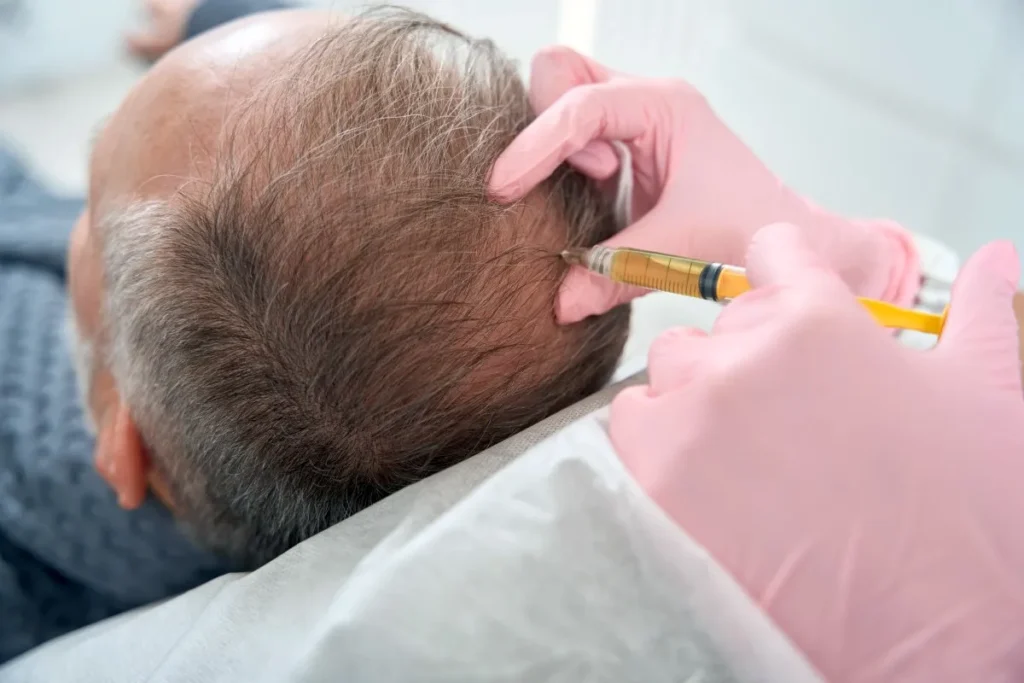
A healthy scalp is key for strong, vibrant hair. It’s essential for hair health, affecting its strength, shine, and resilience.
Learn how to get a healthy scalp with 5 fast fixes. Eliminate itching and flakes with amazing natural treatments for incredible hair growth.
Regaining your confidence starts with understanding your scalp’s role. A healthy scalp is clean, hydrated, and protected from damage. This sets the stage for beautiful hair.
This guide will show you how to improve your scalp condition. We’ll cover how to tackle dandruff and irritation. Plus, we’ll share tips for a better scalp care routine.
Key Takeaways
Understand the importance of a healthy scalp for hair health
Learn effective strategies for achieving and maintaining scalp health
Discover how to address common scalp issues like dandruff and irritation
Optimize your scalp care routine with professional insights
Transform your scalp condition with evidence-based approaches
Understanding Scalp Health and Its Importance
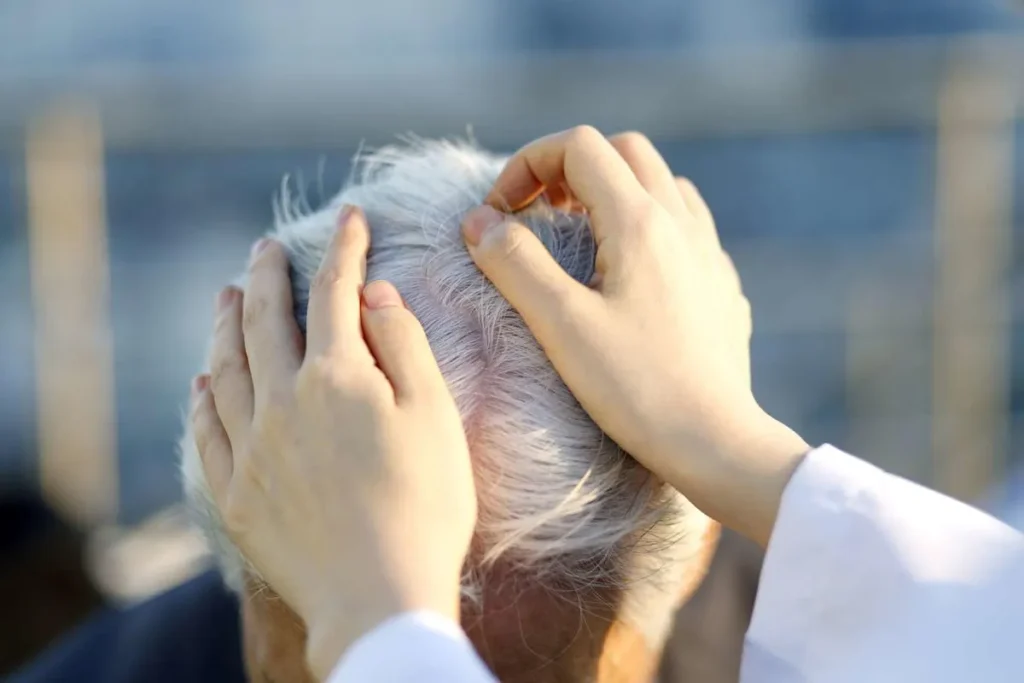
Scalp health is key to hair health. A healthy scalp helps hair grow strong and prevents problems. It’s where hair follicles live and grow.
The Connection Between Scalp and Hair Health
The scalp and hair are very connected. An unhealthy scalp can cause dryness, itching, and hair loss. Healthy hair means a healthy scalp. Knowing this helps improve scalp health.
Things that can harm scalp health include:
Poor hygiene
Too much oil
Being sensitive to hair products
What you eat and how you live
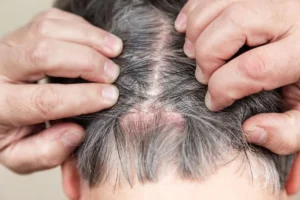
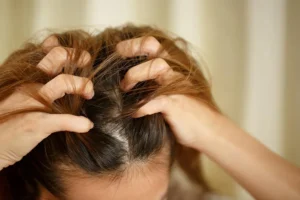
Signs of an Unhealthy Scalp
Spotting an unhealthy scalp is the first step to fixing it. Look out for:
Itching and irritation
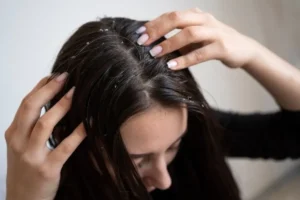
Flakes or dandruff
Redness and swelling
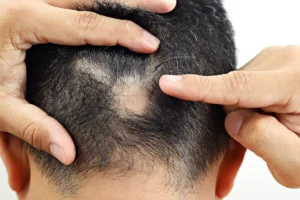
Hair loss or thinning
If you see these signs, change your hair care routine. You might also need to see a dermatologist for advice.
Common Scalp Conditions and Their Prevalence
Many scalp conditions can harm hair health. Here are some common ones:
Dandruff: Caused by sensitivity, dry skin, or fungus, it shows as dead skin flakes.
Seborrheic Dermatitis: A long-term condition with scaly patches, red skin, and stubborn dandruff.
Scalp Psoriasis: An autoimmune disease causing red, scaly patches on the scalp.
Knowing these conditions helps improve scalp health. Treatment might include special shampoos, lifestyle changes, or medical help.
By recognizing unhealthy scalp signs and understanding common conditions, you can start improving your scalp and hair health.
How to Get a Healthy Scalp: Essential Care Practices
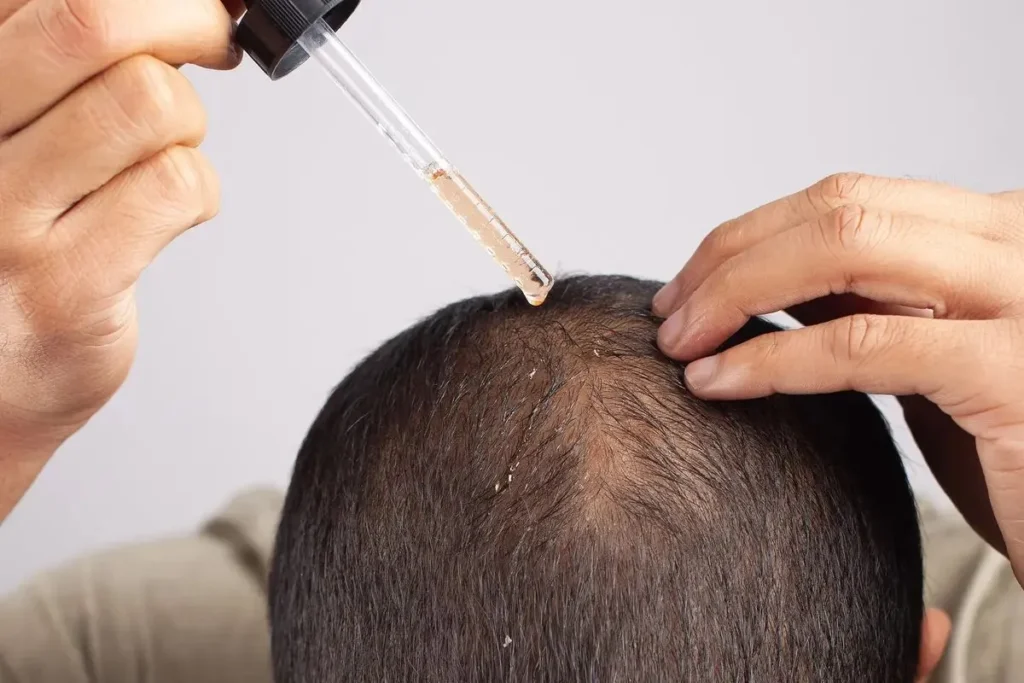
To have a healthy scalp, you need a good care routine. This routine should cover all aspects of scalp health. A healthy scalp is key for growing strong hair and feeling good overall.
Proper Cleansing Techniques
Cleansing is very important for scalp care. Choose a gentle, sulfate-free shampoo that fits your scalp. Massage the shampoo into your scalp to get rid of dirt and oil. Then, rinse well with lukewarm water. Hot water can take away your scalp’s natural oils.
Massage your scalp gently while shampooing to remove dirt and promote blood flow.
Rinse your scalp thoroughly to prevent residue buildup.
Consider using a scalp cleanser or exfoliant once a week for deeper cleansing.
Balancing Moisture and Oil Production
It’s important to keep your scalp’s moisture and oil levels balanced. Use a scalp serum or treatment product to help with this. For dry scalps, a moisturizing mask can add extra hydration.
Apply a scalp serum or oil treatment to help balance moisture levels.
Use a hydrating mask once a week for dry scalps.
Avoid over-washing, which can disrupt the scalp’s natural oil balance.
Exfoliation and Stimulation Methods
Exfoliating your scalp removes dead skin cells and helps hair grow. Use a scalp scrub or brush for gentle exfoliation. Also, massaging your scalp can increase blood flow and help your hair grow.
Diet and Lifestyle Factors for Scalp Health
Eating a diet full of vitamins and minerals, like biotin and vitamin E, supports scalp health. Stay hydrated and eat a balanced diet to nourish your scalp. Reducing stress and exercising regularly also helps keep your scalp healthy.
Eat a balanced diet rich in fruits, vegetables, and proteins.
Stay hydrated by drinking plenty of water.
Manage stress through relaxation techniques like meditation or yoga.
Effective Products and Ingredients for Optimal Scalp Care
The right ingredients and products can make a big difference in scalp health. A healthy scalp is key for growing strong hair. Knowing what ingredients and products to use is important.
Key Ingredients That Promote Scalp Health
Some ingredients are great for the scalp. Tea tree oil fights off scalp infections and reduces dandruff. Salicylic acid helps remove dead skin and unclog pores.
Niacinamide keeps the scalp moist and reduces inflammation. Look for these ingredients in your products for a healthier scalp.
The “Scalp Skinification” Trend
The “scalp skinification” trend treats the scalp like facial skin. It uses nourishing products to keep the scalp healthy. This trend shows how important scalp care is.
Building Your Personalized Scalp Care Routine
To create a good scalp care routine, know your scalp type and concerns. There are products for every scalp type. Use products with key ingredients like tea tree oil and niacinamide.
Regularly clean, moisturize, and exfoliate your scalp. This will help you get a healthier scalp and hair. A routine that fits you is the best for scalp care.
Conclusion
A healthy scalp is key for growing great hair. Understanding scalp health and sticking to a care routine can get you the hair you dream of. To keep your scalp healthy, follow a healthy scalp routine. This includes cleaning, balancing moisture and oil, and exfoliating regularly.
Adding these habits to your daily life helps keep your scalp healthy and boosts hair growth. This leads to a full head of healthy hair, boosting your confidence. With dedication and the right methods, you can maintain a healthy scalp and achieve your hair goals.
Committing to long-term scalp care brings lasting benefits. You’ll see less scalp problems, better hair growth, and a more vibrant mane. By following this guide, you’re on your way to a lifetime of healthy hair.
FAQ
How often should I wash my scalp to keep it healthy?
Scalp cleansing depends on your hair type and lifestyle. Oily scalps may need washing every 1–2 days, while dry or textured hair can be washed once or twice a week. The goal is to remove buildup without stripping natural oils.
What are the signs of an unhealthy scalp?
Signs include itchiness, redness, flaking, excessive oiliness, unpleasant odor, bumps, or hair thinning. Persistent issues may indicate underlying scalp conditions.
Can diet affect scalp health?
Yes, a diet rich in protein, vitamins, minerals, and omega-3 fatty acids supports healthy hair follicles and scalp function, while deficiencies can contribute to dryness, inflammation, or shedding.
What is scalp skinification, and how can I achieve it?
Scalp skinification is treating the scalp like facial skin—cleansing, exfoliating, moisturizing, and protecting it. Use gentle cleansers, mild exfoliation, hydrating serums, and sun protection for optimal scalp health.
How can I balance moisture and oil production on my scalp?
Balance can be achieved by washing appropriately, using lightweight moisturizers, avoiding harsh products, and incorporating scalp serums or oils as needed to maintain natural hydration without excess oil.
Are there any specific ingredients I should look for in scalp care products?
Look for ingredients like salicylic acid, niacinamide, hyaluronic acid, tea tree oil, and mild botanicals that soothe, hydrate, and maintain a healthy scalp barrier.
Can stress affect scalp health?
Yes, chronic stress can increase oil production, trigger inflammation, and worsen hair shedding, so stress management supports a healthier scalp.
How can I maintain a healthy scalp long-term?
Maintain a healthy scalp by following a consistent cleansing and moisturizing routine, eating a balanced diet, protecting from sun and environmental damage, avoiding harsh styling, and managing stress.
References
National Center for Biotechnology Information. Evidence-Based Medical Insight. Retrieved from https://pmc.ncbi.nlm.nih.gov/articles/PMC6369642/