Learn how to get rid of frizzy hair with this amazing fix. Use powerful, incredible secrets for amazing smoothness and incredibly shiny hair.
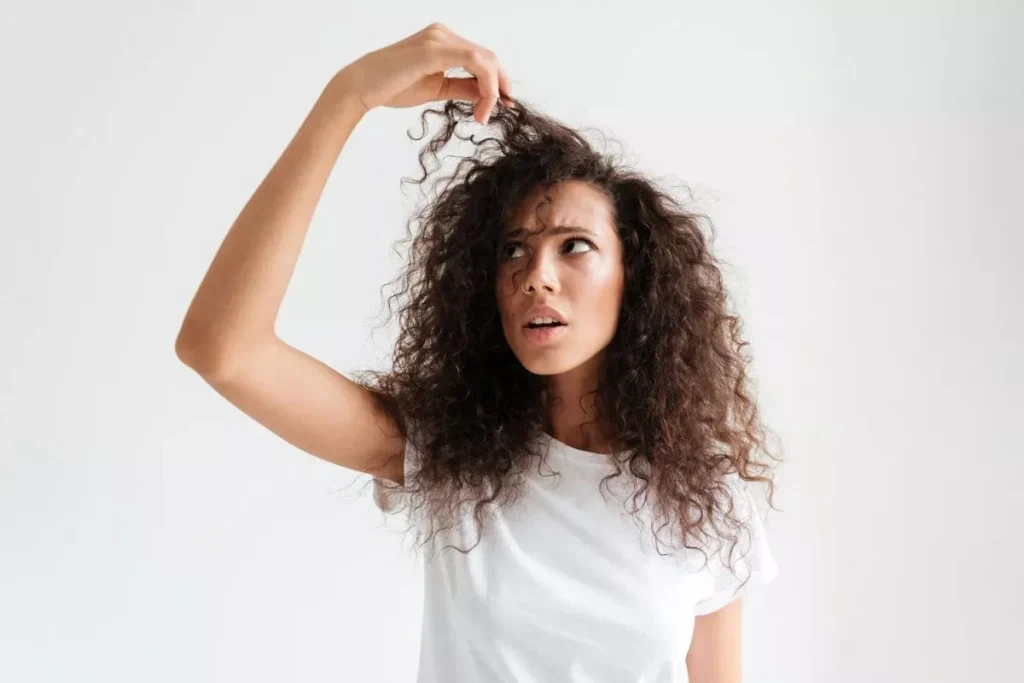
Frizzy hair is a big problem for millions around the world. It’s one of the top hair issues people search for online. Dealing with unmanageable hair can be really frustrating, and it seems like nothing works for long.
There are many reasons why hair gets frizzy. It can be because of humidity, heat damage, dryness, or even genetics. Frizz makes hair look dull and not good. But, there are effective solutions out there. They include targeted products, professional treatments, and simple changes in your daily life to make hair smooth again.
Key Takeaways
Understand the root causes of frizzy hair
Discover effective methods to manage frizz
Learn about the science behind frizzy hair
Explore daily care solutions and advanced treatments
Create a personalized frizz-fighting routine
Understanding the Science Behind Frizzy Hair
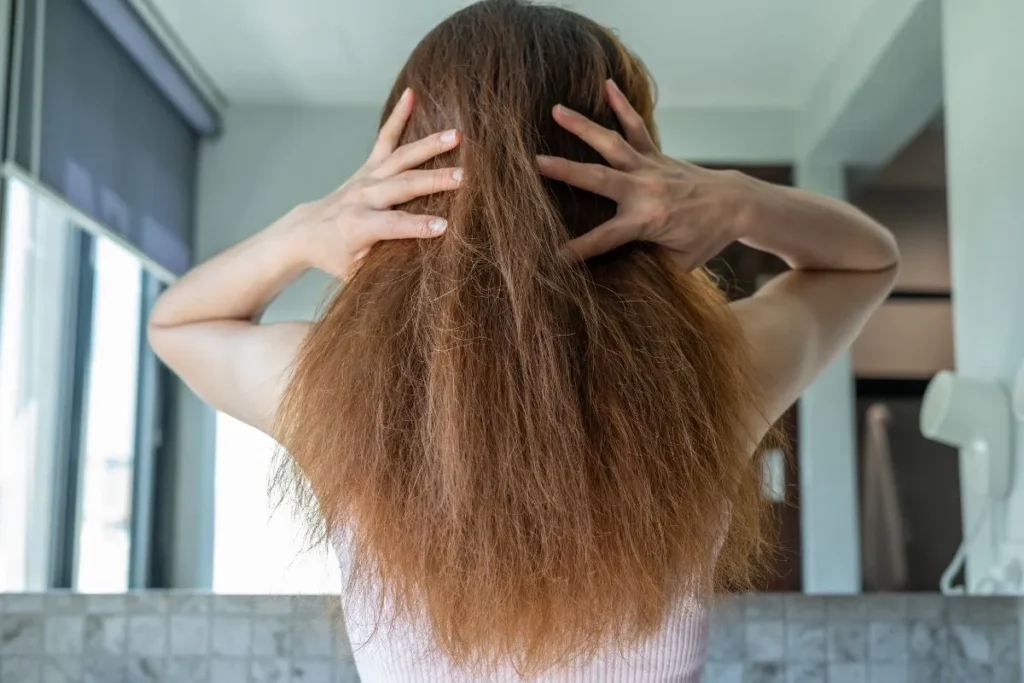
To fight frizzy hair, knowing what causes it is key. Frizzy hair happens when hair lacks moisture and is affected by the environment.
The Cuticle Connection: Why Hair Gets Frizzy
The cuticle, the hair’s outer layer, is important for frizz. When it’s lifted, moisture gets in, causing hair to swell and frizz. Damaged or porous hair is more likely to frizz.
Three Main Culprits: Genetics, Dryness, and Humidity
Research shows that dry, porous hair and high humidity lead to frizz. Genetics can also make hair more prone to frizz. Together, these factors cause frizzy hair and make it hard to manage.
Common Habits That Worsen Frizz
Some habits make frizz worse, including:
Using harsh shampoos that strip the hair of its natural oils
Excessive heat styling without proper protection
Rough towel-drying that damages the hair cuticle
By knowing these causes and changing our hair care, we can start to control frizzy hair.
How to Get Rid of Frizzy Hair: Daily Care Solutions

Dealing with frizzy hair every day can be tough. But, with the right steps, you can get smooth, sleek hair. Frizzy hair happens when the hair’s outer layer gets rough, letting moisture in and swelling it. To fix this, you need a daily routine that smooths the cuticle and keeps moisture in.
1. Switch to Sulfate-Free, Moisturizing Shampoos
Choosing a sulfate-free shampoo is key. Sulfates can dry out your hair, causing frizz. Instead, pick a moisturizing shampoo that cleanses gently. Look for coconut oil and shea butter for their moisturizing benefits.
2. Master the Gentle Towel-Drying Technique
After washing, blot your hair with a microfiber towel, not rub it. This gentle towel-drying technique cuts down on frizz. It keeps the cuticle from lifting.
3. Apply Leave-In Conditioners and Anti-Frizz Products
Leave-in conditioners and anti-frizz products are great for frizzy hair. They smooth the hair shaft and reduce frizz. Use a little on the ends and work up to the roots for smooth hair all day.
4. Adopt Protective Styling Methods
Protective styling helps fight frizz. Styles like braids and buns protect your hair from frizz-causing factors. Use a wide-tooth comb or detangling brush to gently detangle, starting from the ends.
By adding these daily care tips to your routine, you can manage frizzy hair well. You’ll get the smooth, healthy hair you want.
Use sulfate-free, moisturizing shampoos to cleanse your hair gently.
Master the gentle towel-drying technique to reduce friction.
Apply leave-in conditioners and anti-frizz products to smooth the hair cuticle.
Adopt protective styling methods to minimize hair manipulation and environmental damage.
Advanced Treatments for Long-Term Frizz Control
To keep your hair frizz-free, try advanced treatments. Genetics, dryness, and humidity cause frizz. So, fixing these problems is key for lasting frizz control.
Weekly Deep Conditioning Treatments
Weekly deep conditioning treatments are great for frizz. They add moisture and fix damage, making your hair smooth and healthy. Look for masks with argan oil, shea butter, or keratin.
Heat Protection and Styling Strategies
Heat protection and styling strategies are also important. A heat protectant spray can protect your hair from styling tool damage. Also, using air-drying or a microfiber towel can help.
Professional Keratin Treatments and Salon Solutions
For a lasting fix, think about professional keratin treatments or salon solutions. Keratin treatments smooth the hair cuticle, reducing frizz and adding shine. Here’s a table comparing different keratin treatments:
Adding these advanced treatments to your hair care can lead to long-term frizz control. You’ll have healthier, easier-to-manage hair.
Conclusion: Creating Your Personalized Frizz-Fighting Routine
Frizzy hair is a big problem worldwide. The right products and techniques can help manage it. By understanding frizz causes and using daily care and treatments, you can have smooth hair.
Getting rid of frizz takes patience and trying different products and methods. You might need to switch to sulfate-free shampoos. Also, learn how to dry your hair gently and use leave-in conditioners and anti-frizz products.
Creating a frizz-fighting routine is key. It helps you stop frizz and fix it when it happens. With the right steps, you can keep your hair healthy and smooth.
FAQ
What causes frizzy hair?
Frizz happens when hair lacks moisture and the cuticle lifts, allowing humidity to enter. Common causes include dryness, heat damage, chemical treatments, rough towel drying, and naturally curly or porous hair.
How can I control frizzy hair?
Use moisturizing shampoo and conditioner, apply a leave-in conditioner, avoid overwashing, limit heat styling, and protect hair from humidity with anti-frizz products.
What products should I use to manage frizzy hair?
Look for sulfate-free shampoos, deep conditioning masks, leave-in conditioners, anti-frizz serums, lightweight oils (like argan oil), and heat protectants.
How often should I deep condition my hair to reduce frizz?
Most people benefit from deep conditioning once a week. Very dry or damaged hair may need it 1–2 times weekly.
Can heat styling cause frizzy hair?
Yes. Excessive heat damages the hair cuticle, making it rough and more prone to frizz and dryness.
How can I reduce frizz when drying my hair?
Use a microfiber towel or cotton T-shirt instead of a rough towel, apply styling products on damp hair, use a diffuser on low heat, and finish with a cool air setting.
Are there any long-term solutions for frizzy hair?
Regular trims, consistent moisture care, reducing chemical treatments, protective styling, and treatments like keratin smoothing can provide longer-lasting control.
How can I maintain smooth, frizz-free hair?
Keep hair well-hydrated, avoid harsh products, protect it while sleeping with satin or silk, use anti-humidity products, and maintain a gentle, consistent haircare routine.
References
National Center for Biotechnology Information. Evidence-Based Medical Insight. Retrieved from https://pubmed.ncbi.nlm.nih.gov/22235613/