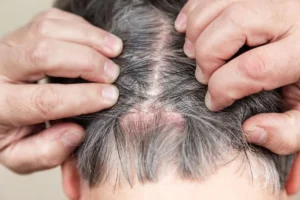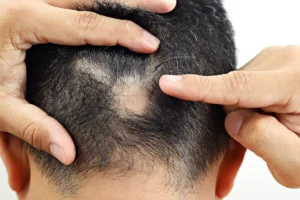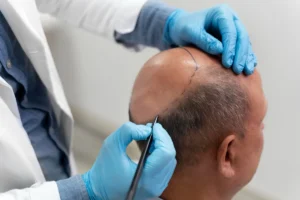

Wondering how to get thicker hair? Use these amazing fast wins and powerful methods to achieve incredible volume and hair density quickly. Wondering how to get thicker hair? Use these amazing fast wins and powerful methods to achieve incredible volume and hair density quickly.
Men worried about thinning hair often feel it’s hard to get thicker hair. But, about 85 percent of men see a lot of thinning by age 50. This shows it’s a common problem.
Genetics do play a part in hair thickness. But, daily habits, what you eat, stress, and scalp care matter a lot too. At Gold City Hair, we get how important your looks and confidence are. Our team is here to help you regain your confidence with proven, science-backed solutions.
By knowing why hair thins and using the right methods, men can get the thicker, fuller hair they want. This article will look at 7 proven ways to help men get healthier, thicker hair.
Key Takeaways
Understand the causes of hair thinning beyond genetics.
Discover the impact of daily habits and nutrition on hair health.
Learn about proven, science-backed solutions for thicker hair.
Explore the importance of scalp care in achieving hair density.
Find out how to regain confidence with a fuller head of hair.
Understanding Hair Thinning in Men
It’s important for men to know why their hair thins. Hair thinning can lead to more hair loss. Finding out why it happens helps in solving the problem.
Male Pattern Baldness: The Primary Culprit
Male pattern baldness, or androgenetic alopecia, is the main reason for hair thinning in men. It makes hair thinner, mainly on the top and front of the scalp. The main causes are:
Genetic predisposition
Hormonal imbalances, like the conversion of testosterone to dihydrotestosterone (DHT)
Age-related changes
These factors shorten the hair growth cycle and shrink follicles. This results in thinner, shorter hairs.
The Science Behind Hair Thinning
The science of hair thinning involves genetics, hormones, and environment. DHT, a testosterone derivative, is key. It shrinks hair follicles by binding to androgen receptors.
Other causes include:
Poor diet lacking hair health nutrients
Too much heat styling and chemical treatments
Stress, which raises cortisol and can cause hair loss
Knowing these causes helps men fight hair thinning. They can work on growing thicker, healthier hair.
Medical Solutions to How to Get Thicker Hair
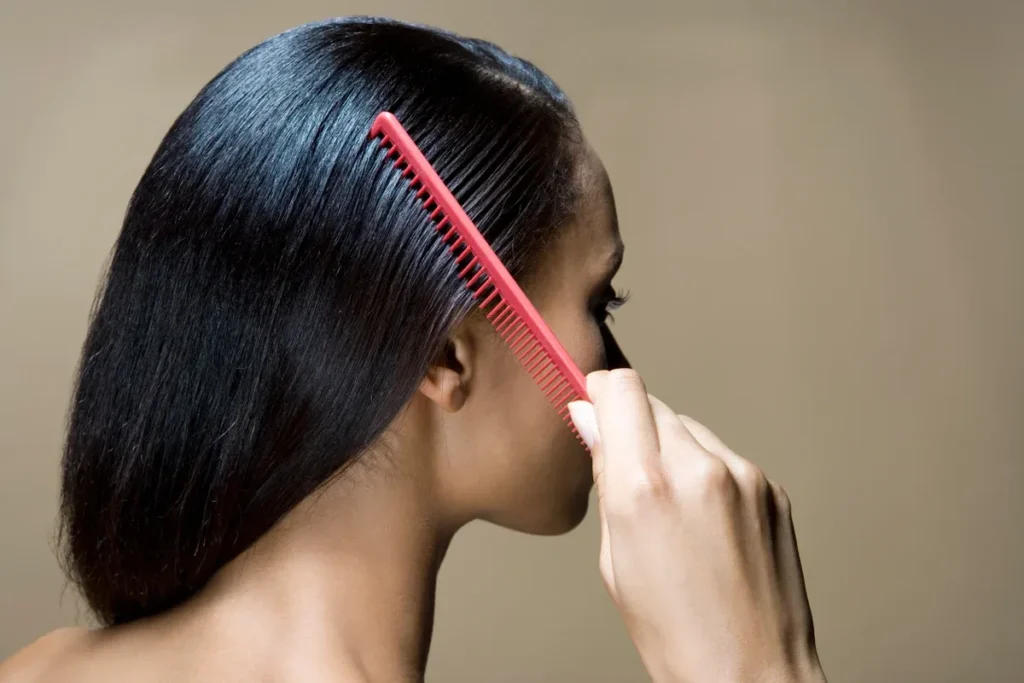
Medical breakthroughs offer men a way to get thicker, fuller hair. For those with thinning hair, these advancements are effective. We’ll look at the main medical treatments available.
Minoxidil: The Topical Solution
Minoxidil is a proven topical treatment for hair growth. It has been shown to increase hair regrowth and slow down hair loss. It works by improving blood flow to the scalp, making hair grow longer.
By applying minoxidil to the scalp, men can get thicker, healthier-looking hair. It’s easy to use and fits into a daily routine.
Finasteride: The Oral Approach
Finasteride is an oral medication for male pattern baldness. It reduces DHT, a hormone that causes hair loss. Men using it for two years see significant hair density increases.
Finasteride is for men with moderate to severe hair loss. It works best with other treatments like minoxidil.
Professional Treatments and Procedures
For permanent solutions, professional treatments and procedures are available. Hair transplantation moves healthy hair follicles to balding areas. This can give natural-looking, permanent results. Other treatments include low-level laser therapy (LLLT) and platelet-rich plasma (PRP) therapy, both for hair growth.
The right treatment depends on hair loss, health, and personal preferences. Talking to a healthcare professional or dermatologist can help find the best plan.
Natural Methods for Thicker, Fuller Hair
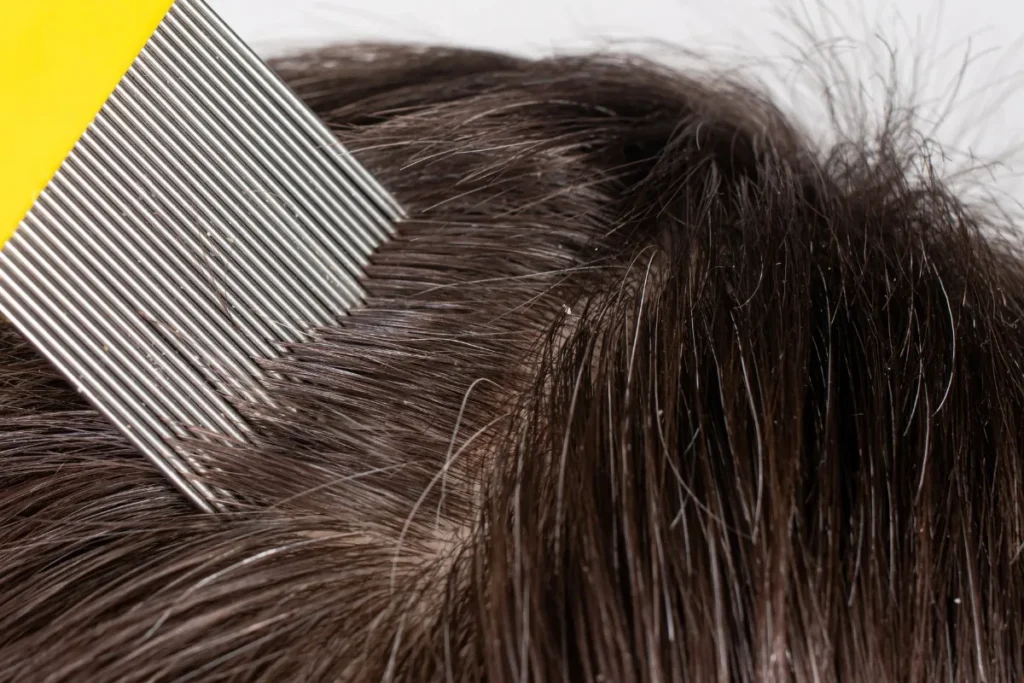
Getting thicker, fuller hair is possible with natural methods. Men can use these approaches to improve their hair health and reduce damage.
Pumpkin Seed Oil Supplementation
Pumpkin seed oil has shown great results in studies. A study on 76 men found a 40 percent increase in hair count after six months. This oil is packed with nutrients that help hair grow.
Scalp Massage Techniques
Scalp massage is a great way to boost hair growth. It improves blood flow, bringing more nutrients to the hair follicles. This leads to thicker, healthier hair. You can do scalp massage by gently rubbing your scalp in circles with your fingertips.
Nutritional Approaches for Hair Health
Eating foods rich in vitamins and minerals is key for healthy hair. Foods high in omega-3 fatty acids, zinc, and biotin are good for hair health. These nutrients feed the hair follicles, helping hair grow thicker.
Hair Care Practices That Promote Thickness
Gentle hair care is important to avoid damage and breakage. Using mild shampoos, reducing heat styling, and avoiding harsh chemicals helps. These steps promote thicker, healthier hair.
Effective hair care includes using a wide-tooth comb, brushing less, and using a microfiber towel. This reduces friction and helps hair stay healthy.
By adding these natural methods to their routine, men can get thicker, fuller hair. Whether through supplements, scalp massage, nutrition, or gentle hair care, there are many ways to improve hair health and thickness.
Conclusion
Getting thicker, healthier hair is possible. Understanding why hair thins and using both medical and natural methods can help. Simple changes like using clean products and eating well can make a big difference.
Adding treatments like minoxidil and finasteride can also help. A healthy lifestyle and the right treatments can lead to thicker hair. Taking these steps is the first step towards your hair goals.
Thicker hair for men is not just a dream. It’s a journey that needs patience and the right steps. By following these 7 proven methods, men can start their journey to thicker hair and regain confidence.
FAQ
What are the main causes of hair thinning in men?
The most common cause is male pattern baldness (androgenetic alopecia), driven by genetics and sensitivity to DHT. Other causes include stress, nutritional deficiencies, hormonal imbalances, scalp conditions, smoking, and certain medications.
How does Minoxidil help in achieving thicker hair?
Minoxidil increases blood flow to hair follicles, prolongs the growth (anagen) phase, and can enlarge miniaturized follicles, making hair appear thicker over time.
What is Finasteride and how does it work?
Finasteride blocks the conversion of testosterone to DHT, the hormone responsible for shrinking hair follicles in male pattern baldness, helping slow hair loss and promote regrowth.
Are there any natural methods to achieve thicker hair?
Yes. Managing stress, improving diet, using essential oils like rosemary oil, pumpkin seed oil, and maintaining scalp health may support thicker-looking hair, though results are usually gradual.
How can scalp massage techniques promote hair growth?
Regular scalp massage improves blood circulation, may stimulate hair follicles, reduce stress hormones, and support healthier hair growth when done consistently.
What nutritional approaches can help in achieving thicker hair?
Adequate protein intake, iron, zinc, vitamin D, biotin, and omega-3 fatty acids support hair structure and growth. Deficiencies can contribute to thinning.
Can hair care practices affect hair thickness?
Yes. Avoid excessive heat styling, harsh chemicals, tight hairstyles, and overwashing. Gentle shampoos and proper conditioning help reduce breakage and maintain volume.
How to get dense hair for men?
Combine medical treatments like Minoxidil or Finasteride (if appropriate), a nutrient-rich diet, scalp care, stress control, and consistent hair care habits. Early treatment gives better results.
What are the benefits of pumpkin seed oil for hair growth?
Pumpkin seed oil may help block DHT naturally, reduce inflammation, and support hair thickness. Some small studies show improved hair count in men with hair loss.
Are hair transplants a viable option for thicker hair?
Yes. Procedures like Follicular Unit Extraction and Follicular Unit Transplantation relocate healthy follicles to thinning areas for permanent results, but they are surgical and costly.
How long does it take to see results from hair thickening treatments?
Most treatments take 3–6 months to show visible improvement, with full results often seen after 9–12 months of consistent use.
Refereences
National Center for Biotechnology Information. Evidence-Based Medical Insight. Retrieved from https://pmc.ncbi.nlm.nih.gov/articles/PMC11204140/