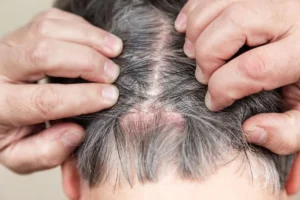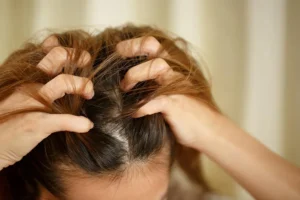
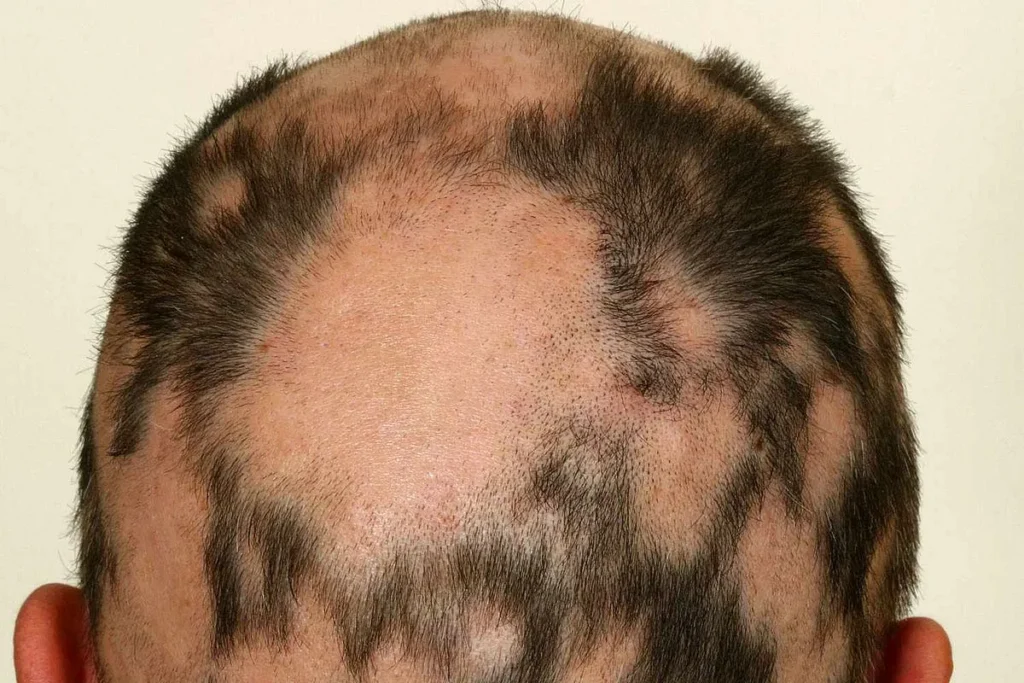
People taking GLP-1 receptor agonists, like Ozempic and Wegovy, might experience hair loss. This side effect is known as alopecia. It’s a concern for those on these medications.
The exact reason for hair loss from these drugs isn’t known. But experts think it might be because of weight loss. This has led to many looking for ways to prevent or manage this issue.
This article will look into the link between semaglutide and hair thinning. It will offer advice based on solid evidence to help address this problem.
Key Takeaways
GLP-1 receptor agonists like Ozempic may cause hair loss in some users.
The exact cause of semaglutide-related hair loss is unclear.
Weight loss from the medication is a possible factor.
Evidence-based advice can help manage this side effect.
Proven methods can help reduce hair loss from Ozempic use.
Understanding Ozempic-Related Hair Loss
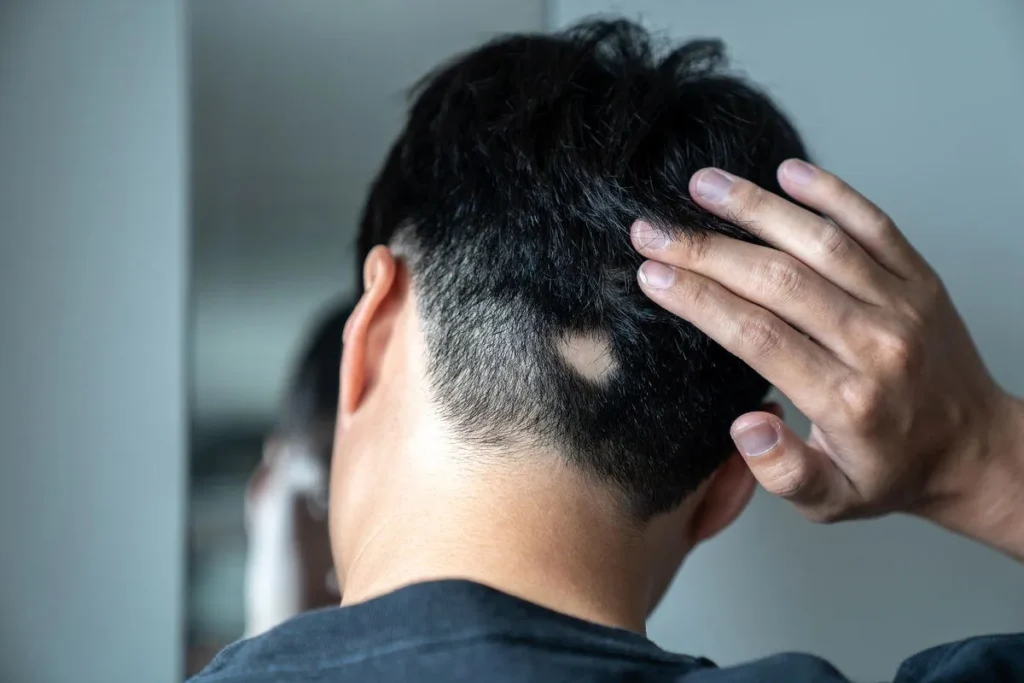
Ozempic, used for weight loss and diabetes, is getting more attention for hair loss side effects. Even though clinical trials don’t list hair loss, many users report it. This has sparked interest in the possible link between Ozempic and hair shedding.
The Connection Between Weight Loss Medications and Hair Shedding
Medications like Ozempic can cause hair loss by changing the body. Marisa Garshick, MD, says any body stress can lead to hair shedding. This is called telogen effluvium, where more hair follicles rest and then shed.
Stress from losing weight quickly can mess up hair growth. This isn’t just Ozempic’s fault. Any big weight loss can cause it, through diet, surgery, or meds.
Telogen Effluvium: Why Rapid Weight Loss Causes Hair Loss
Telogen effluvium makes hair thin or fall out after stress, like quick weight loss. It happens when the hair cycle gets disrupted. More hair than usual rests, then falls out before growing.
It’s important to understand how Ozempic, weight loss, and hair loss are connected. Knowing about telogen effluvium helps manage hair loss while using Ozempic.
How to Stop Hair Loss from Ozempic: 5 Effective Strategies
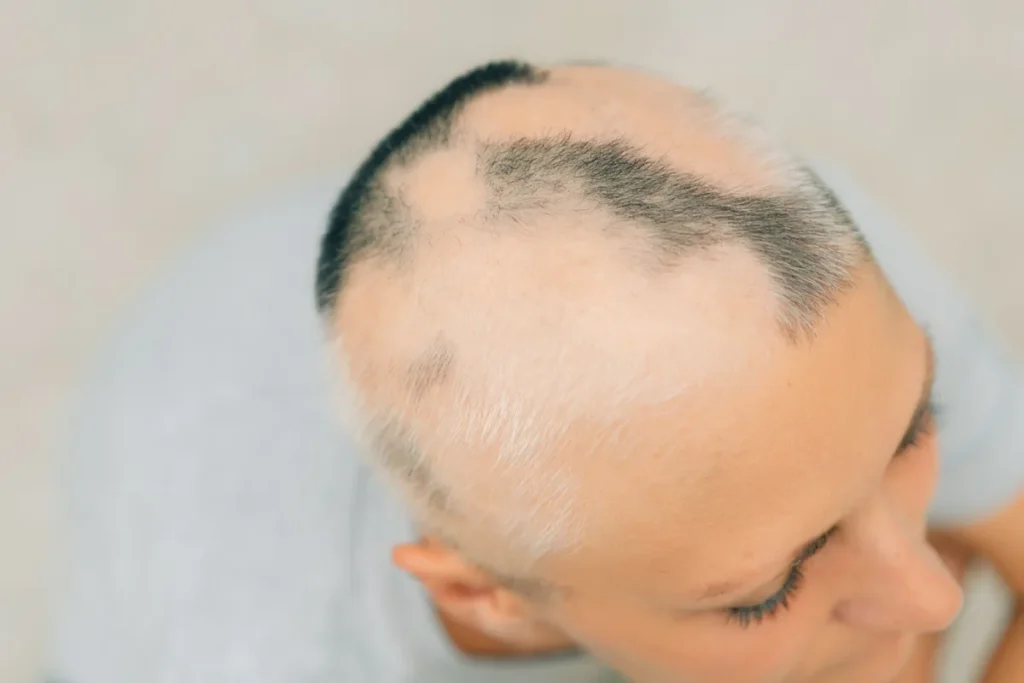
To fight hair loss from Ozempic, you need a plan that covers diet, supplements, and gentle hair care. Eating right, even when you’re not hungry, is key to keeping your hair healthy.
1. Optimize Your Protein and Nutrient Intake
Eating foods rich in proteins, vitamins, and minerals is essential for healthy hair. When on Ozempic, make sure to eat enough protein to help your hair grow. Include foods like lean meats, fish, eggs, and legumes in your meals. Also, add foods high in omega-3 fatty acids, zinc, and biotin to support hair health.
According to Sun Kim, MD, an associate professor of Endocrinology at Stanford Medicine, “When hair loss occurs, I check for possible vitamin and iron deficiencies, which can be associated with hair loss. Vitamin D deficiency is common. I also check zinc levels.” This shows how important a diet full of nutrients is for preventing hair loss.
2. Supplement with Biotin, Iron, and Zinc
Along with a balanced diet, taking supplements can help prevent hair loss. Biotin, iron, and zinc are great for hair health. Biotin makes hair stronger and improves its texture. Iron helps hair follicles get the oxygen they need. Zinc is important for keeping hair follicles healthy.
Before starting any supplements, talk to a healthcare professional. They can help figure out what’s best for you.
3. Moderate Your Weight Loss Rate
Fast weight loss can lead to hair loss, known as telogen effluvium. To avoid this, slow down your weight loss. Aim to lose 1-2 pounds a week. Adjust your diet and exercise to lose weight safely.
4. Use Gentle Hair Care Products and Techniques
Choosing gentle hair care products and methods can also help prevent hair loss. Stay away from harsh chemicals, too much heat styling, and tight hairstyles that can damage hair. Use soft shampoos and conditioners and a wide-tooth comb or soft-bristled brush to protect your hair.
By following these tips, people taking Ozempic can lower their risk of hair loss. It’s all about making smart choices and caring for your hair in a holistic way.
Timeline and Expectations for Hair Recovery
Hair loss from Ozempic is usually temporary. But, how long it takes to grow back varies. Knowing this can help manage your expectations.
Typical Recovery Process
Recovering from hair loss due to semaglutide involves several steps. First, you need to stop losing weight to prevent more hair loss. Marisa Garshick, MD, says, “If your weight stabilizes, your hair should too.” But, growing back hair takes time.
Nutritional intake is key for hair growth. You need enough protein, vitamins, and minerals. Biotin, iron, and zinc are important for hair health.
Experts say hair growth is slow. It can take six to twelve months to see changes. Being patient and taking good care of your hair is important during this time.
When to Seek Professional Advice
If your hair loss doesn’t stop or you have other symptoms, see a doctor. A healthcare provider can help and give advice tailored to you.
Here are reasons to seek professional advice:
Prolonged hair loss beyond the expected recovery period
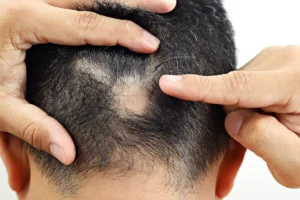
Significant hair thinning or bald patches
Other symptoms such as fatigue, skin issues, or hair loss in other body areas
By understanding the recovery timeline and living a healthy lifestyle, you can help your hair grow back after using Ozempic or semaglutide.
Conclusion
Hair loss from Ozempic, a drug for type 2 diabetes and obesity, worries many. But, most people’s hair loss isn’t permanent.
Jenni Holman, MD, FAAD, says if hair loss is from telogen effluvium, the body can recover. This happens when weight loss stops. This condition often starts with quick weight loss, like from semaglutide in Ozempic.
Knowing semaglutide can lead to hair loss helps set realistic expectations. It’s key to eat well and be patient while recovering. Eating enough protein and nutrients, taking biotin, iron, and zinc, and using gentle hair care can help hair grow back.
Even though there’s debate on GLP-1 receptor agonists like semaglutide causing hair loss, most evidence points to rapid weight loss. This is more likely the cause than the drugs themselves.
FAQ
Is hair loss a common side effect of Ozempic?
Hair loss is not a primary listed side effect of Ozempic, but some people report increased shedding, often linked to rapid weight loss rather than the medication itself.
Why does Ozempic cause hair loss?
Semaglutide can lead to rapid weight loss, which may trigger Telogen effluvium. Sudden calorie restriction, protein deficiency, or stress on the body can push hair into the shedding phase.
How can I prevent hair loss while taking Ozempic?
Avoid crash dieting, ensure adequate protein intake, monitor iron and vitamin D levels, stay hydrated, and lose weight gradually if possible.
Can I take supplements to help with hair loss while on Ozempic?
Yes, if you have deficiencies. Protein supplements, iron (if low), vitamin D, zinc, biotin, and omega-3s may help—but it’s best to confirm with blood tests before supplementing.
How long does it take for hair to regrow after semaglutide-induced hair loss?
If shedding is due to telogen effluvium, regrowth typically begins within 3–6 months after the trigger is stabilized, with fuller recovery over 6–12 months.
Is hair loss from Ozempic permanent?
In most cases, it is temporary and related to weight loss stress. Permanent loss is uncommon unless there is underlying genetic hair thinning.
Does GLP-1 cause hair loss?
GLP-1 receptor agonists like semaglutide are not directly known to damage hair follicles. Shedding is usually secondary to rapid weight loss or nutritional changes.
What can I do to promote hair growth while taking Ozempic?
Maintain balanced nutrition, prioritize protein, manage stress, consider gentle scalp massage, and use treatments like Minoxidil if needed and approved by your doctor.
When should I seek medical help for hair loss while on Ozempic?
If shedding is severe, lasts longer than 6 months, comes with other symptoms (fatigue, thyroid signs), or you notice patchy or patterned thinning, consult a healthcare professional for evaluation.
References
National Center for Biotechnology Information. Evidence-Based Medical Insight. Retrieved from https://pmc.ncbi.nlm.nih.gov/articles/PMC11909624/