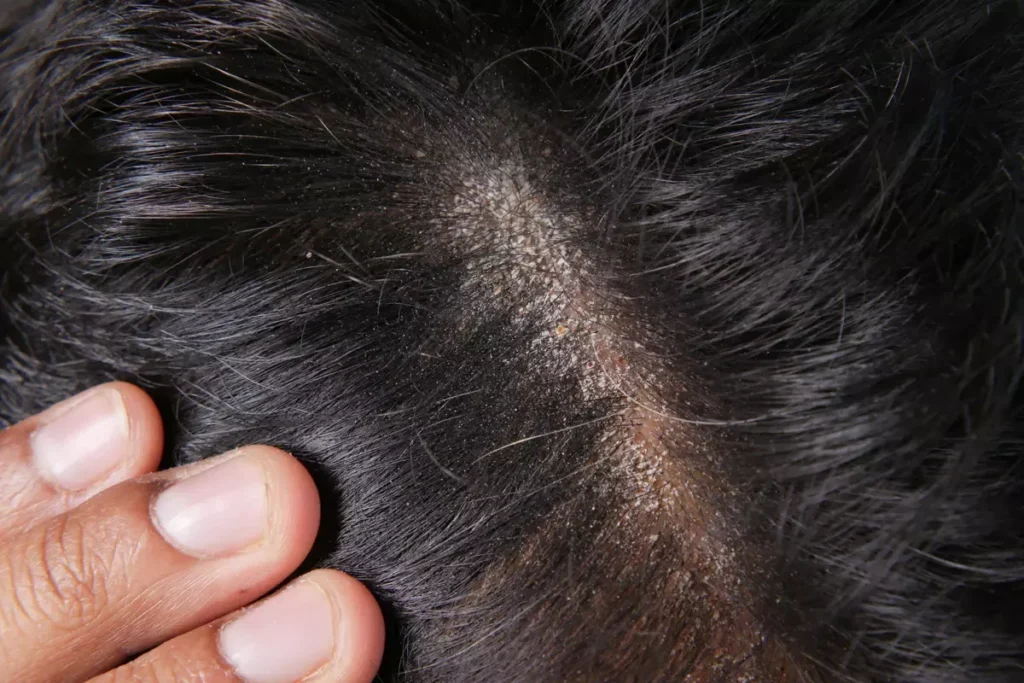
Cradle cap, or infantile seborrheic eczema, is a common skin condition in newborns and young infants.
It affects up to 71% of babies in their first three months. The condition shows as greasy, yellowish plaques mainly on the scalp.
Cradle cap is benign and self-limiting. It’s not a sign of infection, allergy, or pain. It usually goes away in 1-2 weeks with the right care.
This guide will help you understand and manage seborrheic dermatitis in babies. You’ll learn how to care for your baby’s scalp and more.
Key Takeaways
Knowing cradle cap is harmless can ease parents’ worries.
Good scalp care is key to managing and treating cradle cap.
The condition is not due to poor hygiene or allergies.
The right shampoo can help treat cradle cap well.
Cradle cap usually goes away by the baby’s first year.
Understanding Infantile Seborrheic Eczema
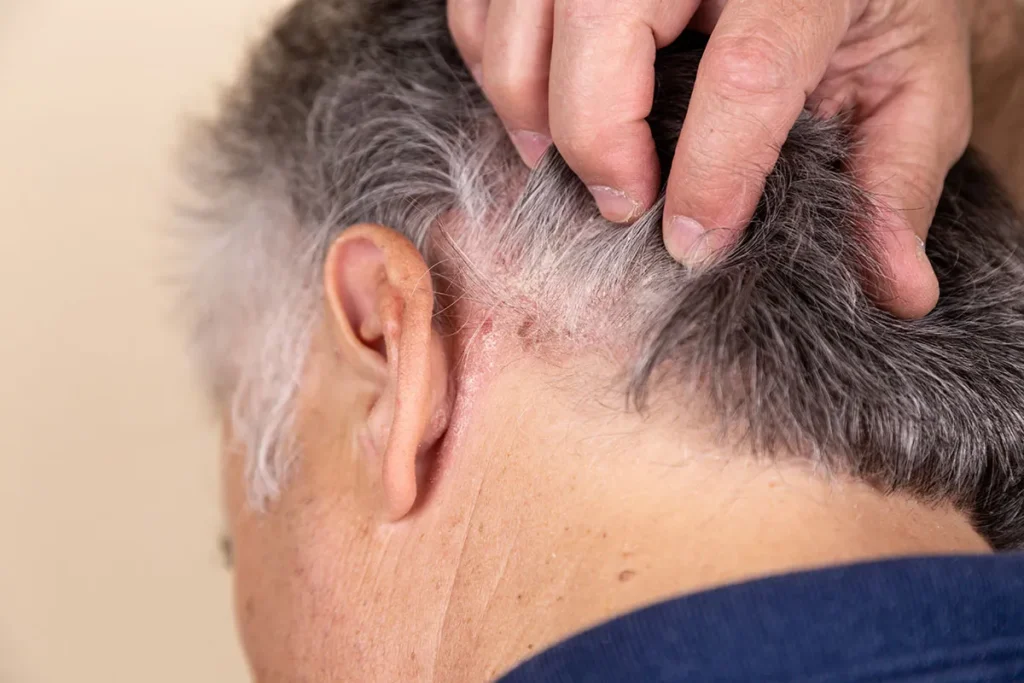
It’s important to know the causes and symptoms of infantile seborrheic eczema. This condition, also known as cradle cap on the scalp, can show up on an infant’s face and skin folds too.
What Causes Infantile Seborrheic Eczema?
Malassezia yeast is a key player in infantile seborrheic eczema. The exact cause is complex, but it’s thought that dead skin trapped in oil glands and other factors play a role.
The presence of Malassezia yeast suggests a link to skin oil production and inflammation.
Common Symptoms and Affected Areas
Infantile seborrheic eczema shows up as erythematous plaques and greasy yellow scales on the scalp, face, and skin folds. It can worry parents a lot because of how it looks.
Common spots include:
The scalp, known as cradle cap
The face, like eyebrows and nasolabial folds
Skin folds, such as behind the ears and in the neck
Normal Progression and Prevalence
Infantile seborrheic eczema is common in babies, showing up in the first few months. It usually goes away by the first year, but some cases can last longer.
Using gentle scalp care and the right shampoos can help manage the condition. Knowing how it progresses and how common it is can help parents and caregivers plan and seek care when needed.
Effective Treatment Methods for Infantile Seborrheic Eczema
Understanding and treating infantile seborrheic eczema is key. This condition, also known as cradle cap, needs gentle care. It affects the scalp and can be uncomfortable for babies.
Gentle Scalp Care for Cradle Cap
Start by shampooing your baby’s scalp with a mild shampoo. Gently massage the scalp to loosen flakes. Use a soft brush to remove flakes.
For tough flakes, apply baby oil first. This makes it easier to remove the crust.
Treating Facial and Skin Fold Eczema
When eczema hits the face and skin folds, keep these areas clean and dry. Use a gentle cleanser for babies. Avoid harsh products that can irritate the skin.
For skin folds, dry them well. Use a fragrance-free moisturizer to keep the skin hydrated without clogging pores.
Safe Products and Ingredients
Choosing the right products is important. Look for fragrance-free and hypoallergenic products to avoid irritation. Aloe vera and oatmeal are good for soothing the skin.
Always check the labels and talk to a pediatrician if unsure about a product.
When to Seek Medical Treatment
Most cases of infantile seborrheic eczema can be managed at home. But, if it doesn’t get better or gets worse, see a doctor. Look out for signs of infection like redness, swelling, or pus.
A pediatrician can help with further treatment. This might include medicated shampoos or creams.
In conclusion, treating infantile seborrheic eczema needs patience and the right care. By understanding how to care for your baby’s scalp, face, and skin folds, you can manage this condition. This helps your baby feel more comfortable.
Conclusion: Reassurance for Parents
Infantile seborrheic eczema, or cradle cap, is common in newborns and infants. It can worry parents, but it’s treatable with the right care.
Seborrheic dermatitis on a baby’s face and scalp can be managed. Parents should use gentle care and the right products. Most cases of seborrheic dermatitis in newborns get better with time.
Treating infantile seborrheic dermatitis means gentle scalp care and avoiding harsh products. Using medicated shampoos or creams, as advised by a doctor, is also key. Knowing the causes and symptoms helps parents manage the condition and improve their child’s comfort.
With the right approach, parents can help their child overcome infantile seborrheic dermatitis. This ensures a healthier and happier start in life.
FAQ
What is infantile seborrheic eczema, and is it a serious condition?
Infantile seborrheic eczema is another name for Seborrheic dermatitis. It commonly appears as greasy, yellowish scales on a baby’s scalp (cradle cap) and sometimes on the face or skin folds. It is usually mild, harmless, and not serious.
What causes infantile seborrheic eczema?
It is linked to overactive oil glands stimulated by maternal hormones and a natural skin yeast (Malassezia). It is not caused by allergies or poor hygiene.
How is infantile seborrheic eczema treated?
Most cases improve with gentle daily washing, soft brushing to remove scales, and occasional use of mild antifungal or low-strength medicated creams if recommended by a pediatrician.
Can I use any shampoo or soap on my baby’s scalp?
Use a mild, fragrance-free baby shampoo. Avoid harsh soaps or adult dandruff shampoos unless prescribed by a doctor.
How can I prevent infantile seborrheic eczema from coming back?
Regular gentle cleansing, avoiding heavy oil buildup, and lightly brushing flakes can help reduce recurrence.
When should I seek medical treatment for my baby’s infantile seborrheic eczema?
Consult a doctor if the rash spreads widely, becomes red and inflamed, oozes, seems painful, doesn’t improve with home care, or lasts many months.
Is infantile seborrheic eczema related to other skin conditions, such as eczema or dermatitis?
It is a form of dermatitis but different from Atopic dermatitis, which is usually dry, itchy, and allergy-related.
Can I treat my baby’s facial and skin fold eczema differently than their scalp?
Yes. The scalp can tolerate gentle brushing and shampooing, while facial and skin fold areas should be treated more gently with mild cleansers and doctor-recommended creams if needed.
References
https://www.google.com/url?sa=t&source=web&rct=j&opi=89978449&url=https://pmc.ncbi.nlm.nih.gov/articles/PMC6397947/&ved=2ahUKEwi18prIrZSTAxXz2QIHHQvXOZQQFnoECBkQAQ&usg=AOvVaw0-DMyONu94VDZNX2U5WxoS