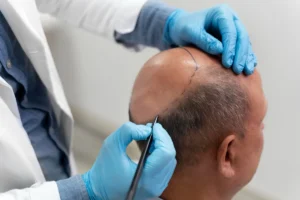
Stop your itchy scalp with 7 amazing powerful cures. Discover incredible relief from scary irritation and achieve a healthy scalp today.
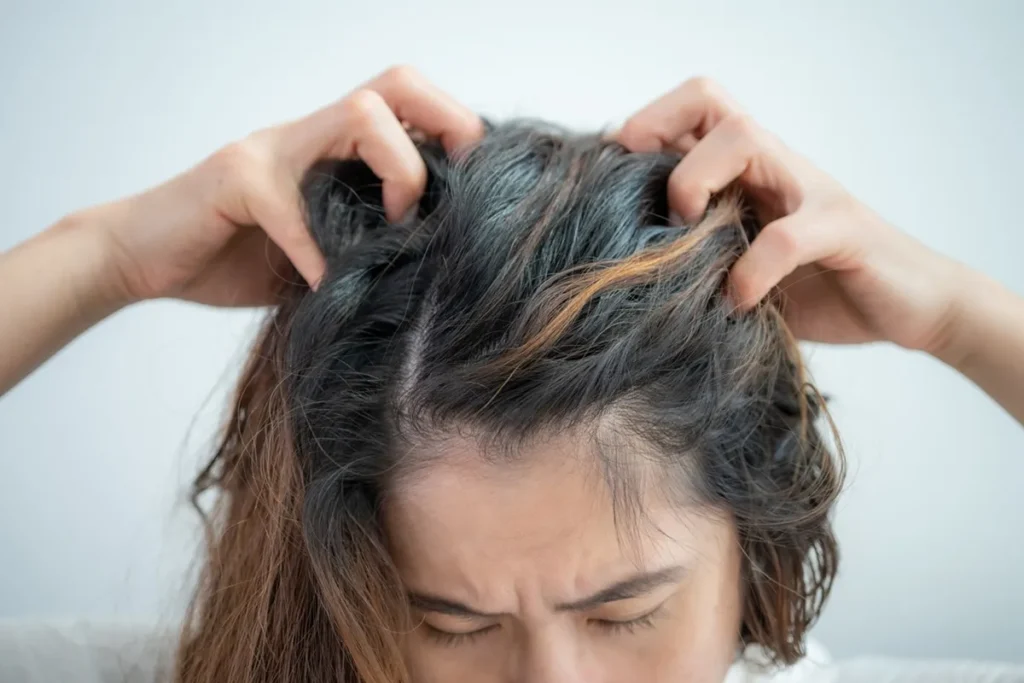
An itchy scalp is a common problem, affecting about 25 percent of people. It’s one of the most common skin issues.
Dandruff and seborrheic dermatitis are big scalp problems, affecting almost half of the world’s people. They cause discomfort and mess up daily life.
Knowing what causes an itchy scalp is key. It could be seborrheic dermatitis, psoriasis, fungal infections, or product sensitivities. This knowledge helps find the best treatment.
Key Takeaways
An itchy scalp is a widespread condition affecting a significant portion of the population.
Common causes include dandruff, seborrheic dermatitis, psoriasis, and fungal infections.
Understanding the underlying cause is essential for effective treatment.
A personalized approach is necessary for complete care.
Professional diagnosis is key to easing unnecessary discomfort.
Understanding the Itchy Scalp Condition
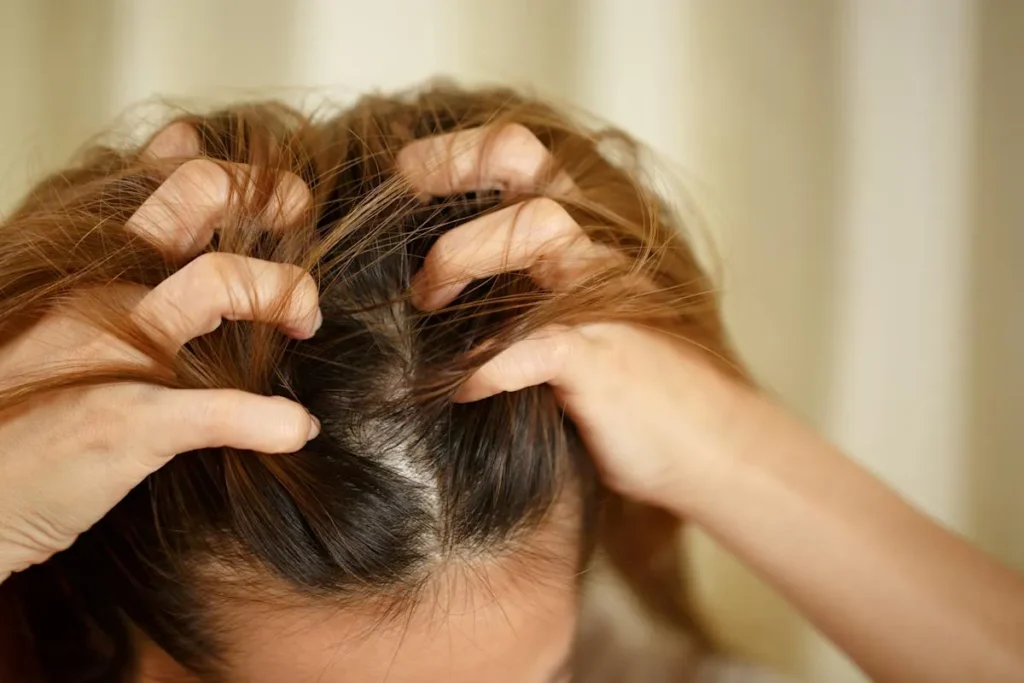
An itchy scalp is a common problem with many causes. These include seborrheic dermatitis, psoriasis, and fungal infections. Knowing the cause is key to treating it.
The American Academy of Dermatology (AAD) says simple mistakes can irritate your scalp. Not washing your shampoo out well enough can cause itching and discomfort.
Common Symptoms and Warning Signs
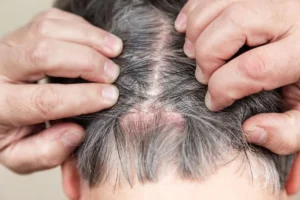
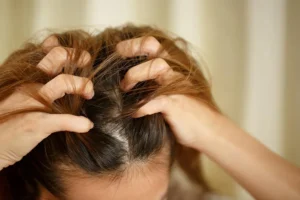
Spotting the signs of an itchy scalp is the first step to solving it. You might notice itching, redness, and irritation. Itchy spots or patches, flaking skin, or scratchy hair are common signs.
Prevalence and Impact on Daily Life
An itchy scalp can really disrupt your day. It’s not just a small problem; it can hurt your self-esteem and happiness. It affects people of all ages and backgrounds.
Knowing how common it is can help us seek better treatments and ways to prevent it.
Common Causes of Itchy Scalp
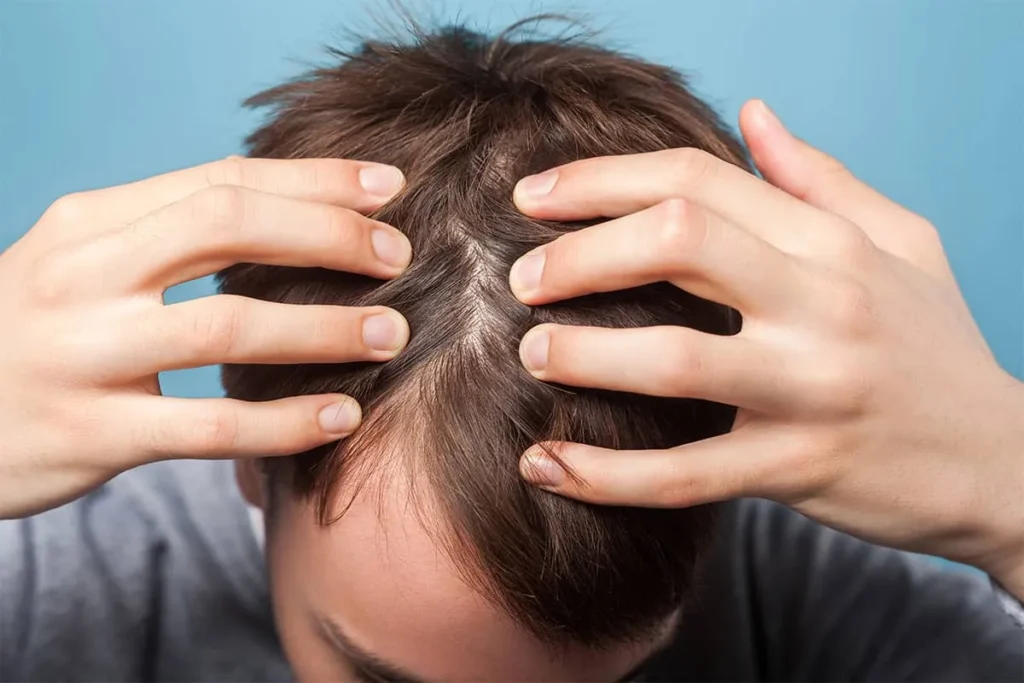
An itchy scalp can be really frustrating. It often comes from different causes. Knowing these causes helps find the right treatment.
Seborrheic Dermatitis and Dandruff
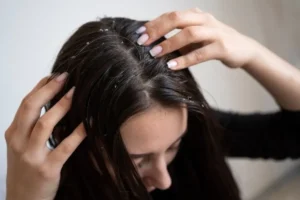
Seborrheic dermatitis causes scaly patches and red skin on oily areas like the scalp. Dandruff is a mild version of this, caused by too much Malassezia yeast. It shows as white or yellow flakes.
A study shows dandruff is the top reason for scalp itchiness. To manage it, use medicated shampoos that control yeast and reduce flakes.
Psoriasis and Scalp Plaques
Psoriasis can also make your scalp itch. About 50 percent of people with psoriasis get scalp involvement. Symptoms include thick, silvery-scaled plaques that go beyond the hairline. Treating scalp psoriasis can be tough and may need both topical treatments and lifestyle changes.
Fungal Infections and Scalp Ringworm
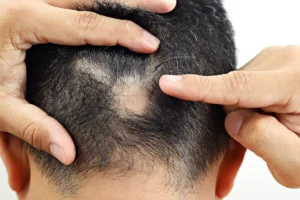
Fungal infections, like ringworm of the scalp (tinea capitis), can make your scalp itch. It’s more common in kids and shows as circular patches of hair loss, redness, and sometimes pus. Treatment usually involves antifungal meds.
Hives and Allergic Reactions
Hives or urticaria on the scalp can itch a lot. They can be caused by allergies to hair care products, foods, or other things. The best way to handle hives is to find and avoid the allergen.
Effective Treatments for Itchy Scalp
There are many ways to treat an itchy scalp. You can try simple home remedies or advanced medical treatments. The best choice depends on what’s causing the itch.
Medicated Shampoos and Over-the-Counter Solutions
For many, medicated shampoos or over-the-counter (OTC) solutions are the first step. These products often have zinc pyrithione, ketoconazole, or salicylic acid. They help with flaking, inflammation, and fungal infections.
Popular OTC treatments include:
Shampoos containing coal tar
Products with salicylic acid for exfoliating the scalp
Anti-dandruff shampoos
Prescription Treatments for Severe Cases
If OTC treatments don’t work, you might need prescription meds. These can include stronger topical corticosteroids or antifungal medications.
Medical Expert, Dermatologist
Natural Remedies and Home Care
Some people like to try natural remedies first. Options include:
Apple cider vinegar rinses to balance the scalp’s pH
Tea tree oil for its antifungal properties
Scalp massages to improve circulation
If your itchy scalp doesn’t get better, or if symptoms worsen, see a doctor. They can figure out what’s wrong and suggest the right treatment.
Understanding why your scalp itches and choosing the right treatment can help. This way, you can find relief and avoid future problems.
Conclusion
It’s important to know why your scalp itches and how to stop it. Whether it’s from sweating or small bumps, finding the cause helps a lot.
Choosing the right shampoo for an itchy scalp can make a big difference. Also, treating any health issues can help a lot. Things like seborrheic dermatitis or fungal infections can make your scalp itch.
To manage an itchy scalp, you need a plan. This includes using medicated shampoos and natural remedies. Also, taking care of your scalp is key. If your scalp is really itchy or you see a rash, see a dermatologist.
Knowing what makes your scalp itch and acting on it can help a lot. This way, you can keep your scalp healthy and itch-free. Taking care of your scalp is essential for a comfortable head.
FAQ
What are the most common causes of an itchy scalp?
Dandruff (often linked to Seborrheic dermatitis), dry scalp, product buildup, allergic reactions, fungal infections like Tinea capitis, psoriasis, and lice are common causes.
Why is my scalp itchy after I shower?
Hot water can dry out your scalp, harsh shampoos may irritate it, or you might be reacting to a product ingredient. Not rinsing thoroughly can also leave residue that causes itching.
Can an itchy scalp lead to hair loss?
Itching itself doesn’t directly cause hair loss, but constant scratching can damage hair follicles. Conditions like Seborrheic dermatitis or psoriasis may contribute to temporary shedding if severe.
What is the best shampoo for an itchy scalp?
Look for shampoos with ketoconazole, zinc pyrithione, salicylic acid, or coal tar. For dandruff-related itching, medicated anti-dandruff shampoos are usually most effective.
How can I treat an itchy scalp at home?
Use a gentle, sulfate-free shampoo, avoid hot showers, massage your scalp with coconut or tea tree oil (diluted), rinse thoroughly, and avoid scratching.
When should I see a doctor for an itchy scalp?
If itching is severe, lasts more than 2–3 weeks, includes thick scales, redness, sores, hair loss, or doesn’t improve with over-the-counter treatments, see a dermatologist.
Can stress cause an itchy scalp?
Yes. Stress can trigger or worsen scalp conditions like dandruff and psoriasis, leading to increased itching.
Are there any natural remedies for relieving an itchy scalp?
Diluted apple cider vinegar rinses, aloe vera gel, coconut oil, and tea tree oil (properly diluted) may help soothe mild irritation. If symptoms persist, medical treatment may be needed.
References
National Center for Biotechnology Information. Evidence-Based Medical Insight. Retrieved from https://pubmed.ncbi.nlm.nih.gov/