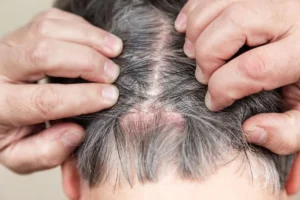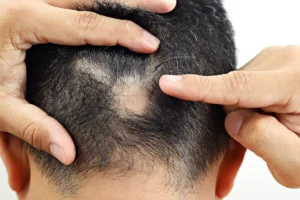
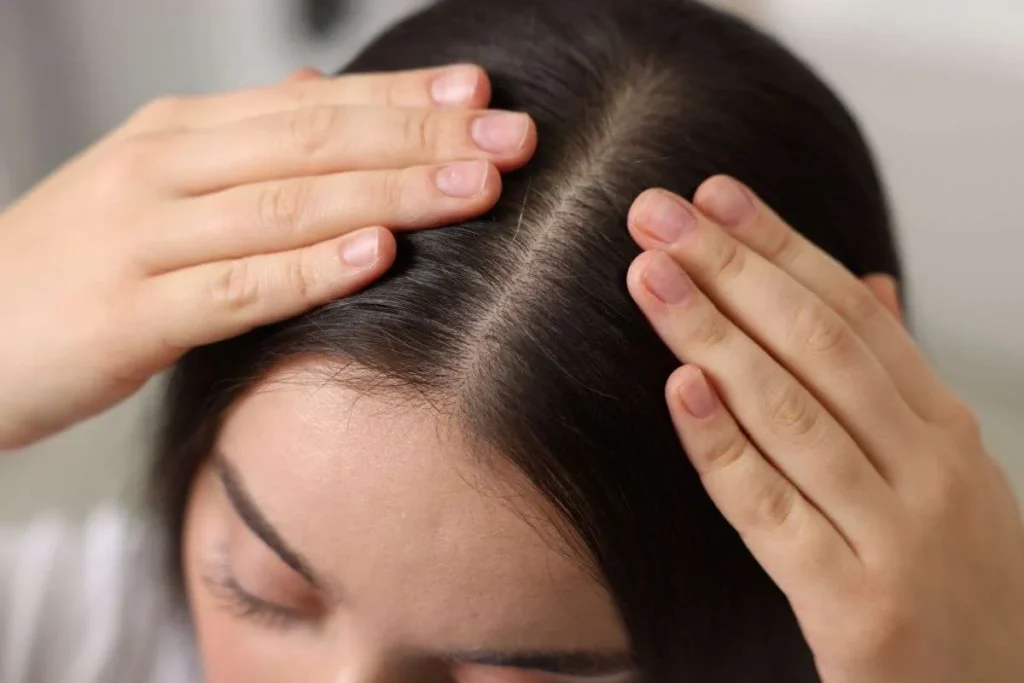
Scalp conditions are a common problem, affecting many people. Pilar cysts alone affect about 10 percent of individuals. This makes them a big concern.
Understand lesions on scalp with the scary truth and fixes. Use amazing, powerful ways to manage scary spots and achieve incredible health.
Many things can cause scalp problems. These include chronic health issues, environmental exposures, infections, and parasites. Getting the right diagnosis is key to treating these issues.
It’s important to know about the different scalp growths. There are many conditions that can affect the scalp. A detailed guide can help people understand their diagnosis and treatment options.
Key Takeaways
Scalp conditions are a common issue, with pilar cysts affecting around 10% of the population.
Various factors can cause scalp growths, including chronic health issues and environmental exposures.
Proper diagnosis is essential for effective treatment.
Understanding the different types of scalp growths is important for getting the right care.
A detailed guide can help people understand their diagnosis and treatment options.
Understanding Common Lesions on Scalp: Prevalence and Overview
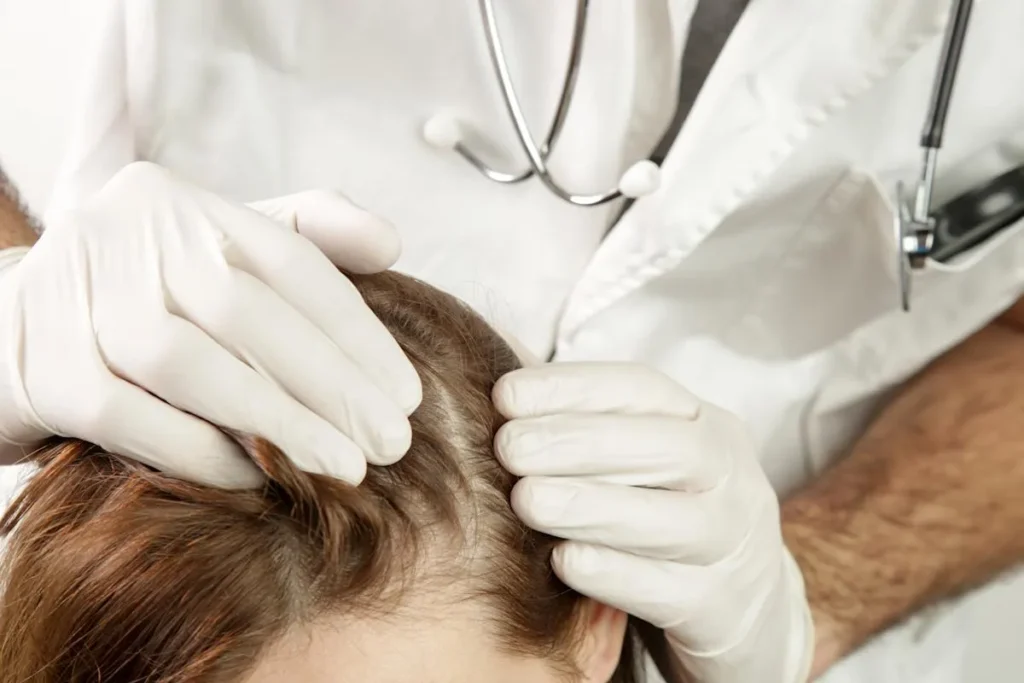
It’s important to know about scalp lesions for both patients and doctors. These can be harmless growths or serious tumors. How common they are can vary a lot.
Prevalence of Scalp Lesions in the Population
Scalp lesions are quite common. Some types are more common than others. For example, pilar cysts are found in about 2.5 percent of adults who get head scans.
Most of these cysts, 80 to 90 percent, are on the scalp. This shows how common they are in this area.
Most scalp lesions, 93 to 99 percent, are not cancerous. Knowing this helps doctors decide how to treat them. It also helps calm people who find growths on their scalp.
Benign vs. Malignant Scalp Growths
It’s key to tell the difference between harmless and dangerous scalp growths. Benign growths, like pilar cysts, are usually not serious. They might not need a lot of treatment.
Malignant tumors, though, are serious and need quick action. They need to be treated right away.
Knowing the difference between harmless and dangerous growths is very important. Doctors use special tools to figure out what a scalp lesion is. This helps them give the right treatment.
7 Common Types of Scalp Lesions and Their Characteristics
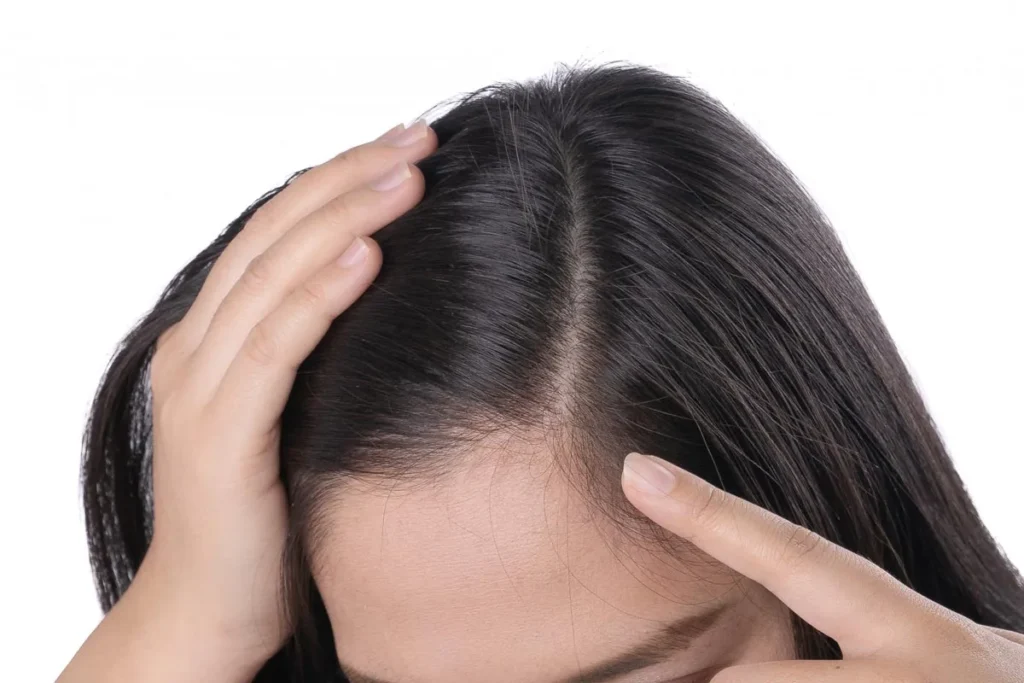
Knowing about scalp lesions is key for the right treatment. These growths can be caused by many things, leading to cysts, tumors, and more.
A scalp lesion might be harmless or serious. Knowing the type helps decide how to treat it. We’ll look at 7 common scalp lesions, their signs, and symptoms.
Pilar Cysts (Trichilemmal Cysts)
Pilar cysts, also known as trichilemmal cysts, are common and usually harmless. They are:
Smooth and firm to the touch
Mobile and not attached to the surrounding tissue
Filled with a thick, keratinous material
These cysts can get inflamed or infected, causing pain and scarring. They are often removed surgically.
Epidermoid Cysts
Epidermoid cysts are benign growths on the scalp. They are:
Filled with a cheesy, white material
Usually slow-growing and painless
Can become inflamed or infected
They are treated by removing them surgically. It’s important to tell them apart from other scalp lesions.
Dermoid Cysts
Dermoid cysts are present at birth or appear in childhood. They are:
Typically present at birth or appear during childhood
Filled with a variety of tissues, including hair, skin, and other elements
Can become infected or cause discomfort
They are usually removed surgically to avoid problems.
Sebaceous Hyperplasia
Sebaceous hyperplasia is a benign condition. It makes sebaceous glands on the scalp grow bigger. It looks like:
Small, yellowish or flesh-colored bumps
Usually multiple and can be widespread
Can be associated with other skin conditions
It’s usually not a worry but can be treated for looks.
In summary, knowing about scalp lesions is vital for treatment. Recognizing the signs of these common growths helps get the right care. This ensures the best results.
Conclusion: When to Seek Medical Attention for Scalp Growths
It’s important to know why a growth on your scalp is there. Many are harmless, but some could be serious, like a tumor.
If you see a new or changing growth, see a doctor. Look out for signs like a fast-growing bump, pain, or bleeding.
Scalp growths can have many causes. A doctor or dermatologist needs to check it out. If you’re worried, get it checked to avoid health problems.
Getting it checked early can make you feel better. Knowing when to see a doctor helps keep your scalp healthy.
FAQ
What are the most common types of scalp cysts?
Common scalp cysts include epidermoid cysts, pilar (trichilemmal) cysts, and sebaceous cysts, which are usually benign and slow-growing.
What is the difference between a benign and malignant scalp growth?
Benign growths are non-cancerous, slow-growing, and usually painless, while malignant growths may grow rapidly, bleed, ulcerate, or cause pain, and require prompt medical evaluation.
What are the symptoms of a scalp tumor?
Symptoms can include a lump, persistent pain, redness, bleeding, ulceration, or changes in size or color of the scalp lesion.
Can scalp lesions be a sign of an underlying condition?
Yes, some scalp lesions may indicate infections, autoimmune disorders, or skin cancers, so proper evaluation is important.
How are scalp growths diagnosed?
Diagnosis often involves a physical examination, dermoscopy, imaging, and sometimes a biopsy to determine the nature of the growth.
Are scalp nodules always a cause for concern?
No, many scalp nodules are benign cysts, but changes in size, pain, or appearance should be assessed by a healthcare professional.
What is sebaceous hyperplasia on the scalp?
Sebaceous hyperplasia is a benign enlargement of sebaceous glands, appearing as small, yellowish bumps that are usually harmless.
When should I seek medical attention for a scalp growth?
Seek medical evaluation if a growth grows rapidly, bleeds, becomes painful, changes color, or persists for several weeks, to rule out infection or malignancy.
References
National Center for Biotechnology Information. Evidence-Based Medical Insight. Retrieved from https://pmc.ncbi.nlm.nih.gov/articles/PMC10510136/