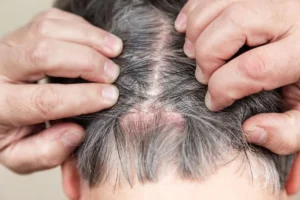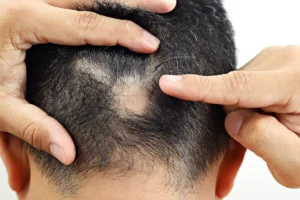

Finding a new lump on your head can be scary. But knowing what it is can help you feel better and stay healthy. Most lumps are not serious and can be fixed easily. But, some signs mean you should see a doctor right away.
Lumps can come from many things, like cysts, lipomas, and more. They might happen because of infections, allergies, or when cells grow in the wrong way. It’s important to know about these types and what they look like to get the right help.
Key Takeaways
Most head lumps are benign and treatable.
Cysts, lipomas, and other growths can cause lumps.
Infections and allergic reactions can lead to lump formation.
Understanding lump characteristics is essential for diagnosis.
Prompt medical attention is necessary for certain warning signs.
Understanding Common Types of Lumps in Hair on Head

Hair lumps on the head are common and can have different causes. Some are harmless, while others might be a sign of a bigger issue. Knowing what types of lumps can appear is key to figuring out what to do next.
Pilar and Trichilemmal Cysts
Pilar cysts, also known as trichilemmal cysts, grow from hair follicles. They are usually flesh-colored and smooth. About 10 percent of people have pilar cysts, making them quite common. These cysts often show up on the scalp and can be removed if they bother you.
Epidermoid and Sebaceous Cysts
Epidermoid cysts are benign lumps that happen when a hair follicle or oil gland gets blocked. They grow slowly and might have a cheesy, white substance inside. Sebaceous cysts, caused by sebum buildup, can get inflamed or infected. Both can be treated with minor surgery.
Lipomas and Soft Tissue Growths
Lipomas are soft, fatty growths that can appear under the skin, including on the head. They are usually harmless and can be removed if they’re uncomfortable or for looks. Other soft tissue growths, like neurofibromas, might need a doctor’s check-up to figure out what they are.
Distinguishing Characteristics of Head Lumps
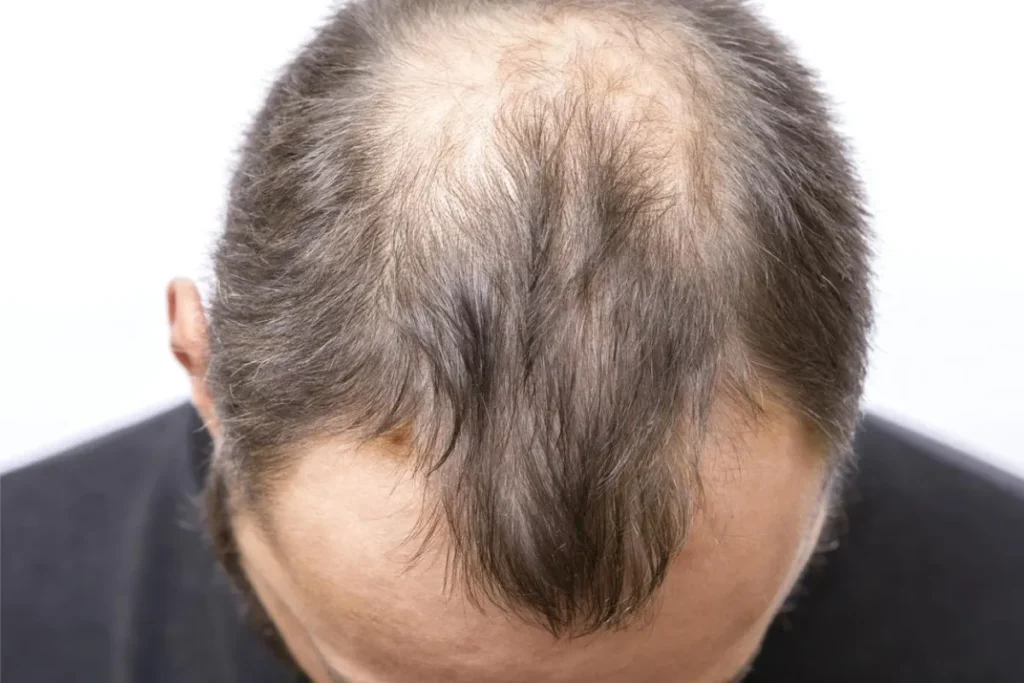
Head lumps can tell us a lot about what they are and if we need to see a doctor. They can be anything from harmless cysts to serious problems that need medical help.
Soft vs. Hard Lumps
Head lumps can feel either soft or hard. Soft lumps are usually lipomas or cysts, which are not harmful. Hard lumps, though, might be something more serious and need a doctor’s check-up.
A squishy lump on head is often a lipoma or cyst, which feels soft and can move. But a hard lump on head that hurts might mean you have an infection or swelling.
Painful vs. Painless Lumps
Whether a lump hurts or not is also important. Painful lumps could mean you have an infection or swelling. But painless lumps might just be harmless growths. For example, a painful lump on scalp could be a sign of something serious that needs a doctor’s look.
Movable vs. Immovable Growths
How easily a lump can be moved is another clue. Lumps that move easily are usually not a big deal. But lumps that don’t move might be stuck to something deeper or could be serious. For instance, a hard knot on side of head that won’t move could be a worry and should be checked out.
When to Seek Medical Attention for Head Lumps
Many head lumps are harmless, but some can be serious. Knowing when to seek medical help is important. Look out for warning signs that mean you should get checked right away.
Warning Signs That Require Immediate Evaluation
Some head lumps can be a sign of a serious problem. If you see any of these signs, get medical help:
Rapid growth: A fast-growing lump might mean a serious issue.
Pain or tenderness: A painful or tender lump could be a sign of a problem.
Changes in size or shape: If a lump changes, it’s important to get it checked.
Redness or inflammation: Redness or swelling around a lump could mean an infection or serious condition.
— American Academy of Dermatology
Differentiating Between Benign and Potentially Serious Conditions
Telling if a head lump is harmless or serious can be hard without a doctor. Benign lumps, like lipomas or cysts, grow slowly and might not hurt. But, lumps that are cancerous or caused by an infection can show warning signs.
If you have a lump on my head that hurts or lumps on head that come and go, see a doctor. They can give you a proper diagnosis.
Medical experts say it’s important to watch for changes in your body. This includes new lumps or changes in old ones. This can help catch serious conditions early.
Conclusion
Seeing lumps on your head can worry you. But knowing what they are and why they happen is key. There are many kinds of lumps, like pilar and trichilemmal cysts, and others.
A lump on your head might be harmless or serious. It’s important to tell the difference. If you think it might be cancer, get help right away.
If you find a lump, see a doctor. They will check it to figure out what to do next. They look at how soft or hard it is, and if it hurts or moves.
Knowing about lumps helps you get the right help. If you’re worried about a lump, go to the doctor. They can make you feel better and help you get better.
FAQ
Common Types of Head Lumps
The most common types of lumps found on the head include pilar cysts, which form in hair follicles, and lipomas, which are soft growths of fatty tissue. Other frequent causes are sebaceous cysts, swollen lymph nodes behind the ears, or simple “goose eggs” resulting from minor physical trauma or injury.
Soft vs. Hard Head Lumps
A soft, movable lump is typically a benign growth like a lipoma or a fluid-filled cyst that poses little immediate danger to your health. In contrast, a hard, fixed, or stony lump that does not move under the skin may indicate a bone growth, a calcified hematoma, or in rarer cases, a more serious underlying condition.
When to Seek Medical Attention
You should seek medical attention immediately if a lump grows rapidly, becomes painful, or is accompanied by persistent headaches, dizziness, or changes in vision. It is also important to have any lump evaluated if it begins to bleed, discharge fluid, or appears after a significant head injury.
Lumps and Cancer Risk
While most head lumps are benign cysts or fatty growths, a persistent, irregular, or ulcerated lump can occasionally be a sign of skin cancer or a metastatic lesion. Only a medical professional can rule out malignancy through a physical exam and, if necessary, a biopsy or imaging to confirm the nature of the growth.
Pilar Cysts and Treatment
A pilar cyst is a smooth, firm lump filled with keratin that almost always develops on the scalp and is generally harmless. Treatment usually involves a simple surgical excision under local anesthesia, where a doctor removes the entire cyst wall to prevent the lump from returning in the future.
Lipomas and Pain
Lipomas on the head are typically painless, slow-growing fatty masses that feel soft and rubbery to the touch. Pain only usually occurs if the lipoma grows large enough to press against a nearby nerve or if it contains a significant number of small blood vessels.
Lumps Caused by Infection
Infections can cause lumps on the head, such as painful boils (furuncles) or abscesses that are often red, warm, and tender to the touch. Additionally, viral or bacterial infections elsewhere in the body can cause the lymph nodes at the base of the skull to swell and feel like small knots.
Diagnosing Head Lumps
Doctors diagnose head lumps by performing a physical examination to check the texture, mobility, and location of the growth. If the cause is unclear, they may order an ultrasound, a CT scan, or a fine-needle aspiration to analyze the tissue and ensure an accurate diagnosis.
References
National Center for Biotechnology Information. Evidence-Based Medical Insight. Retrieved from https://pmc.ncbi.nlm.nih.gov/articles/PMC3229327/[1