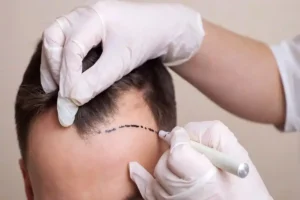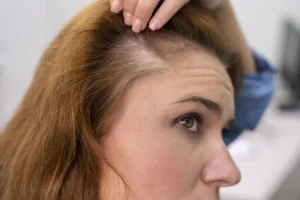
Finding a natural solution for hair fall is a priority for many who notice thinning strands or increased shedding. This article explores why hair loss happens, which gentle remedies can help, and how lifestyle adjustments support healthier growth. According to recent studies, up to 40 % of men and women experience noticeable hair thinning by age 30, making early intervention crucial. We’ll walk through the science behind hair fall, present proven natural treatments, and explain when it might be time to consider professional options such as a hair transplant.
Understanding the root causes empowers you to choose the right approach, whether you prefer over‑the‑counter products, dietary changes, or a combination of both. Throughout the guide, you’ll find actionable tips, easy‑to‑follow routines, and a clear picture of what to expect from each method.
Let’s begin by examining the factors that trigger hair loss and how they can be addressed without harsh chemicals or invasive procedures.
Understanding Hair Fall and Its Causes
Hair follicles undergo a natural growth cycle, but disruptions can lead to excessive shedding. Common triggers include hormonal shifts, nutritional deficiencies, stress, and certain medical conditions. Recognizing these factors helps you target the right hair loss treatment and prevent further thinning.
- Hormonal changes: Androgenic alopecia, often called male or female pattern baldness, is driven by dihydrotestosterone (DHT) affecting follicle miniaturization.
- Nutrient shortfalls: Lack of iron, zinc, biotin, or protein can weaken hair shafts.
- Stress and sleep: Elevated cortisol levels and poor sleep disrupt the anagen (growth) phase.
- Medical issues: Thyroid disorders, scalp infections, and autoimmune diseases may cause sudden hair loss.
- Improper hair care: Excessive heat, tight hairstyles, and harsh chemicals can damage the cuticle.
Addressing the underlying cause is the first step toward an effective natural solution for hair fall. For example, supplementing iron in anemic individuals often restores normal shedding rates within a few months.
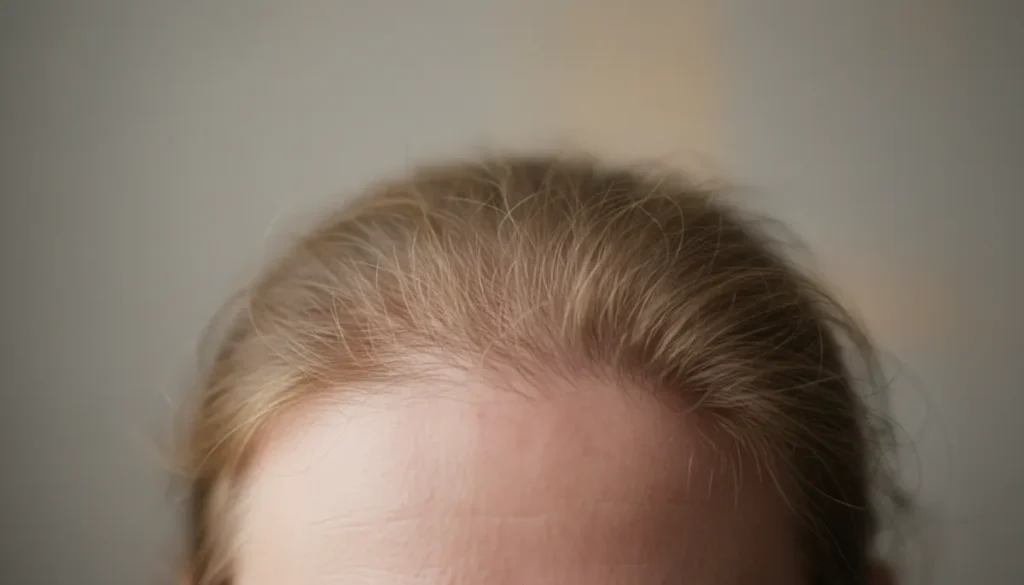
Top Natural Remedies for Reducing Hair Fall
When you’re searching for a natural solution for hair fall, the market offers a variety of plant‑based oils, extracts, and dietary strategies that have shown promise in clinical and anecdotal reports.
1. Essential Oils and Scalp Massage
Rosemary, peppermint, and lavender oils contain antioxidants and vasodilators that improve blood flow to follicles. Mix 3–5 drops with a carrier oil (such as jojoba) and massage gently for 5 minutes, three times a week.
2. Herbal Extracts
Ingredients like saw palmetto, green tea catechins, and ginseng inhibit DHT formation. Daily oral supplements or topical serums containing these extracts can complement a balanced diet.
3. Nutrient‑Rich Foods
- Protein‑rich meals: Eggs, lean meats, legumes, and quinoa supply keratin building blocks.
- Omega‑3 fatty acids: Salmon, walnuts, and flaxseeds reduce inflammation and support scalp health.
- Vitamins A, C, D, and E: Citrus fruits, leafy greens, and fortified dairy aid in collagen synthesis and antioxidant protection.
4. DIY Hair Masks
A weekly mask of mashed avocado, honey, and yogurt delivers moisture and vitamins directly to the shaft, reducing breakage and promoting a healthier appearance.
These approaches together form a comprehensive, natural solution for hair fall that many find both affordable and sustainable.
Lifestyle Changes That Support Hair Health
Beyond topical treatments, everyday habits play a pivotal role in maintaining a natural solution for hair fall. Consistency in sleep, stress management, and physical activity creates an internal environment where hair can thrive.
| Habit | Impact on Hair | Practical Tips |
|---|---|---|
| Quality Sleep (7‑9 hrs) | Regulates hormone balance, reduces cortisol | Establish a bedtime routine, limit screens before sleep |
| Stress Reduction | Prevents telogen effluvium (stress‑induced shedding) | Practice mindfulness, yoga, or breathing exercises daily |
| Regular Exercise | Improves circulation to scalp, boosts IGF‑1 | Engage in moderate cardio 3‑4 times a week |
| Avoid Tight Hairstyles | Reduces traction alopecia | Choose loose ponytails or braids; avoid daily use of hair ties |
Adopting these habits not only supports hair growth but also enhances overall well‑being, creating a synergistic effect that reinforces any topical or dietary regimen you follow.
When Natural Options Aren’t Enough: Professional Interventions
Even with the best natural solution for hair fall, some individuals experience progressive thinning that requires medical assistance. Understanding when to transition from home care to professional treatment can save time and improve outcomes.
Hair Transplant Techniques
Gold City Hair specializes in FUE (Follicular Unit Extraction) and DHI (Direct Hair Implantation). Both methods relocate healthy follicles from a donor area to balding zones, offering permanent, natural‑looking results.
Medical Therapies
- Minoxidil: Topical vasodilator approved for both men and women.
- Finasteride: Oral DHT blocker for male pattern baldness.
- Platelet‑Rich Plasma (PRP): Autologous growth factor infusion that stimulates dormant follicles.
| Option | Typical Candidates | Recovery Time |
|---|---|---|
| FUE Transplant | Moderate to advanced thinning, stable donor area | 7‑10 days for minor swelling; full results in 9‑12 months |
| DHI Transplant | Patients seeking higher density in a single session | Similar to FUE, with slightly faster graft placement |
| PRP Therapy | Early‑stage thinning, looking for non‑surgical boost | Minimal downtime; series of 3‑4 sessions over 6 months |
Choosing the right professional route depends on the extent of hair loss, budget, and personal goals. A thorough consultation will determine whether a surgical transplant, medication, or a combination best complements your ongoing natural regimen.
Maintaining Results: Long‑Term Care for Your Hair
Whether you’ve adopted a natural solution for hair fall or undergone a transplant, ongoing care is essential to preserve density and vitality.
Post‑Treatment Nutrition
Continue a diet rich in lean protein, omega‑3s, and antioxidants. Consider a daily multivitamin that includes biotin, zinc, and vitamin D to support follicle metabolism.
Gentle Styling Practices
- Use sulfate‑free shampoos and conditioners.
- Limit heat styling to once a week; employ a heat protectant.
- Pat hair dry instead of vigorous rubbing.
Regular Follow‑Up
Schedule quarterly check‑ins with your specialist to monitor progress, adjust topical treatments, and address any emerging concerns promptly.
By integrating these maintenance habits, you reinforce the benefits of both natural and clinical interventions, ensuring lasting confidence in your appearance.
Why Choose Gold City Hair
Gold City Hair has been delivering personalized hair restoration solutions in Turkey since 2017. Our team combines advanced FUE and DHI techniques with transparent communication, ensuring each patient receives a tailored plan that aligns with their goals. With a focus on safety, aesthetic excellence, and long‑term support, we help you regain confidence through sustainable hair health.
Ready to start your journey toward fuller, healthier hair? Contact Gold City Hair today to schedule a free, no‑obligation consultation and discover the most effective natural and professional solutions for you.
FAQ
What are the main causes of hair fall?
Hair fall is commonly triggered by hormonal changes, nutrient deficiencies, stress, medical conditions, and improper hair care.
How can essential oils help reduce hair fall?
Essential oils like rosemary, peppermint, and lavender improve scalp circulation and provide antioxidant benefits that support hair growth.
Which foods are most beneficial for preventing hair loss?
Protein‑rich foods, omega‑3 fatty acids, and vitamins A, C, D, and E are essential for healthy hair growth.
When should someone consider professional hair restoration?
If hair loss progresses despite natural remedies, or if thinning becomes noticeable and affects confidence, professional options should be explored.
What lifestyle habits support long‑term hair health?
Adequate sleep, stress management, regular exercise, and avoiding tight hairstyles are key lifestyle habits for hair health.
How should one maintain results after a hair transplant?
Continue a nutrient‑rich diet, use gentle hair care products, and schedule regular follow‑ups with your specialist.