
Olaplex has become popular for fixing damaged locks. But, many users say they lost a lot of hair after using it.
Use olaplex for hair loss? Discover the amazing truth and learn powerful ways to achieve incredible strength and stop scary hair breakage.
There’s a big debate about Olaplex and its side effects. Even though the company says their products are safe, a lawsuit was filed in February 2023. It claims some ingredients can cause adverse reactions.
As worries grow, it’s key to look at the science. We need to understand what might be causing these problems.
Key Takeaways
Olaplex is known for repairing damaged hair, but some users have reported hair loss.
A class action lawsuit alleges that Olaplex products caused hair loss and scalp damage.
The company maintains that its products undergo rigorous safety testing.
Scientific evidence regarding Olaplex and hair loss is currently inconclusive.
Users worldwide are raising concerns about the possible side effects of Olaplex treatments.
Understanding the Olaplex Hair Loss Controversy

The Olaplex hair loss controversy has sparked a lot of debate. It’s important to know what Olaplex is and how it works.
What is Olaplex and How It Works
Olaplex is a hair repair treatment. It fixes damaged hair by repairing bonds. These bonds are key for hair’s strength and flexibility.
When hair faces chemical treatments, heat, or stress, these bonds can break. Olaplex reconnects these bonds, making hair healthy again.
The treatment comes in salon and at-home versions. It’s popular for repairing hair during bleaching and coloring.
The Emergence of Hair Loss Claims
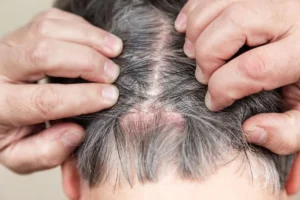
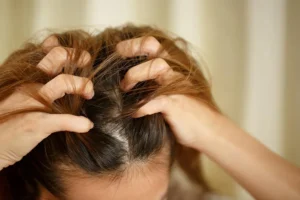
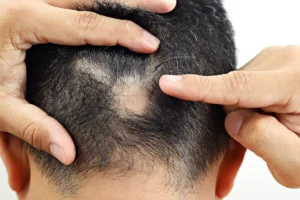
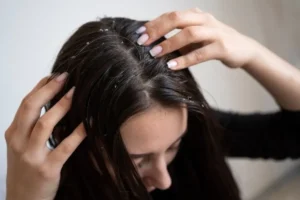
Despite its benefits, some users say Olaplex causes hair loss. These claims are on social media and forums. Users report more shedding and scalp issues after using Olaplex.
These concerns led to investigations into Olaplex’s ingredients. People worry about their impact on hair health.
The 2023 Class Action Lawsuit Details
In 2023, a lawsuit was filed against Olaplex’s maker. It claimed certain ingredients cause hair loss and scalp damage. Lilial, a fragrance, was named as a culprit.
Key allegations included:
Hair loss and scalp irritation due to lilial and other ingredients
Failure to adequately warn consumers about possible risks
Misrepresentation of product safety and effectiveness
Olaplex changed its products to remove lilial. This was in response to consumer and regulatory concerns.
The Olaplex controversy shows the need for thorough testing and clear labels in hair care. As people learn more about their products, companies must keep up with safety standards.
Evaluating Olaplex for Hair Loss: Scientific Evidence and Safety
[Add image here]
Olaplex has faced criticism about hair loss, but what does science say? It’s important to look at the scientific evidence and safety of its products to see if it causes hair loss.
Industry Safety Testing and Third-Party Certification
Olaplex has done thorough safety tests to make sure its products are safe. These tests check for irritants and allergens that could lead to hair loss. Reputable third-party certifications also show Olaplex’s dedication to safety.
Key safety testing measures include:
Toxicological assessments to identify health risks
Skin and scalp irritation tests for safety
Allergenicity testing to avoid allergic reactions
The Lilial Ingredient Controversy and EU Ban
A big issue with Olaplex is the ingredient Lilial, also known as Butylphenyl methylpropional. It’s used in some Olaplex products. But, the European Union banned it in 2021 because of concerns about reproductive toxicity.
Olaplex has changed its products to not use Lilial. This shows the company’s effort to address safety concerns and meet consumer needs.
Olaplex’s Product Reformulation and Response
Olaplex has updated its products to remove Lilial and other controversial ingredients. This change shows the company’s commitment to safety and listening to what consumers want.
Even though Olaplex has made changes, the question remains: can Olaplex cause hair loss? The science says Olaplex, when used correctly, is unlikely to cause hair loss. But, everyone’s body reacts differently to hair care products.
In conclusion, while some people have reported hair loss from using Olaplex, the science doesn’t prove a direct link. Olaplex’s efforts to update its products and get third-party certifications show its dedication to safety and trust with consumers.
Conclusion: Should You Be Concerned About Olaplex?
Olaplex has faced controversy over claims of hair loss and other issues. Despite this, the science is not clear-cut. There are concerns about hair loss and whether Olaplex is safe for your hair.
Olaplex has made changes to its products to address these worries. The company says its products are safe. Yet, there are lawsuits, including ones about cancer claims.
Whether Olaplex is safe depends on many things. This includes your hair type and how you use the products. It’s important to know the risks and benefits.
Olaplex has not been recalled and is available in stores. In summary, while there are ongoing worries and legal issues, the evidence is not clear. It’s up to each person to decide based on their own needs and experiences.
FAQ
Olaplex and Hair Loss Claims
There is no clinical or scientific evidence that Olaplex products cause hair loss; however, the brand has faced public controversy and legal challenges regarding this issue. Olaplex maintains that its products are safe, citing independent third-party lab tests, and suggests that hair loss reported by users is likely due to unrelated factors like stress, medical conditions, or improper product use.
Understanding Olaplex and Bond Repair
Olaplex is a professional-grade hair care line built around a patented active ingredient called Bis-Aminopropyl Diglycol Dimaleate. This molecule works by repairing broken disulfide bonds in the hair shaft that are damaged during chemical services, heat styling, and mechanical stress, ultimately helping to restore the hair’s internal structure and strength.
The 2023 Class Action Lawsuit
In February 2023, a lawsuit was filed by roughly 30 consumers who alleged that Olaplex products caused hair loss, breakage, bald spots, and scalp irritation. The plaintiffs claimed the company used harmful ingredients and made false advertising claims; however, the judge eventually dismissed the collective class action in mid-2023, ruling that the plaintiffs’ individual experiences were too varied to be handled as a single group.
Reformulations and Lilial Safety
Olaplex proactively reformulated its best-selling No. 3 Hair Perfector in early 2022 to remove lilial (butylphenyl methylpropional) globally, even though it was only banned in the EU and UK. Lilial was a fragrance ingredient classified as “reprotoxic,” meaning it was linked to potential fertility issues in high doses, but it was not identified as a primary cause of hair loss.
Safety and Recalls
Olaplex products are widely considered safe for use and have not been recalled by the FDA or any other regulatory body for safety concerns related to hair loss or health risks. The brand continues to release safety data sheets and third-party test results (such as HRIPT) to reassure consumers that their formulas do not cause skin sensitization or irritation.
Cancer and Benzene Allegations
There is no established link between Olaplex products and cancer, though some lawsuits have explored the theoretical risk of benzene formation if certain preservatives like sodium benzoate are combined with citric acid. While benzene is a known carcinogen, Olaplex has consistently defended its formulations as stable and safe, and no regulatory evidence has surfaced to suggest their products contain dangerous levels of the chemical.
Continuing Use of Olaplex
If you are concerned about hair loss, you can still use Olaplex, but it is important to apply the products only to the hair strands rather than the scalp to avoid buildup and irritation. If you experience persistent thinning, it is better to consult a dermatologist, as the cause is likely related to internal health, hormones, or excessive mechanical damage rather than the bond-repairing treatment itself.
References
National Center for Biotechnology Information. Evidence-Based Medical Insight. Retrieved from https://pubmed.ncbi.nlm.nih.gov/