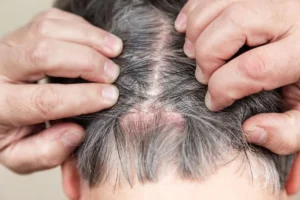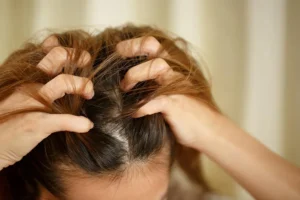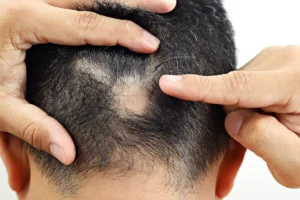
Oral minoxidil is a new hope for those losing hair. It’s great for androgenetic alopecia and female pattern hair loss.
It was first made to lower blood pressure. But, it was found to also make hair grow in people with alopecia.
This guide will show you how to use oral minoxidil for hair loss. We’ll cover the best ways to take it and its advantages over creams and gels.
Key Takeaways
Oral minoxidil is a viable prescription treatment for hair loss.
It offers a convenient alternative to topical formulations.
Effective for both men and women experiencing hair loss.
Originally developed for treating high blood pressure.
Stimulates hair growth in individuals with alopecia.
Optimal dosing strategies can improve hair density.
Understanding Oral Minoxidil for Hair Loss
Oral minoxidil is now used to treat hair loss, not just high blood pressure. It’s important to know how it works and its history for those thinking about trying it.
What Is Oral Minoxidil?
Oral minoxidil is a medication for high blood pressure. It works by widening blood vessels to lower blood pressure. But it also helps hair grow.
Doctors say minoxidil’s effect on hair is amazing. It’s now used to treat different hair loss problems.
Oral minoxidil makes hair grow by improving blood flow to the scalp. This brings more oxygen and nutrients to hair follicles. This can make hair thicker and healthier.
From Blood Pressure Medication to Hair Loss Treatment
Minoxidil’s journey from treating high blood pressure to hair loss is interesting. When given orally for blood pressure, it unexpectedly made hair grow. This led researchers to look into it for hair loss.
Now, minoxidil comes in topical solutions and oral tablets. The oral form is used off-label for hair loss. This shows how medical research can find new uses for drugs.
For those with hair loss, like PCOS or female pattern hair loss, oral minoxidil is a good option. But, it’s important to think about side effects and the need for ongoing treatment.
Dosage Guidelines and Administration
The right amount of oral minoxidil for hair loss varies for everyone. Studies show that the dose needed is much lower than for treating high blood pressure.
Recommended Dosages for Women
Women might need 0.25 to 1 mg daily to fight hair loss. This amount helps avoid side effects and encourages hair growth.
Recommended Dosages for Men
Men might need a bit more, around 1 to 5 mg daily. The exact amount depends on how much hair they’ve lost and how well they can handle the drug.
As
Finding this balance is key to sticking with the treatment long-term.
How to Take Oral Minoxidil Properly
It’s important to take oral minoxidil at the same time every day. Always follow the dose your doctor tells you, as they can adjust it for you.
Being consistent with oral minoxidil is vital. Skipping doses or taking it irregularly can reduce its effectiveness. It’s important to be ready for dose changes and to keep up with doctor visits.
By sticking to the dosage guidelines and tips for taking oral minoxidil, you can get the most out of it. This helps your hair grow back without too many side effects.
Effectiveness and Safety of Oral Minoxidil for Hair Loss
Research shows that oral minoxidil can help with different hair loss types. This part will look at the evidence, how long it takes to see results, and possible side effects.
Clinical Evidence and Results
Low-dose oral minoxidil works as well as topical versions and is easier to stick to. Clinical trials show it’s good for androgenetic alopecia and alopecia areata. It’s a solid choice for those fighting hair loss.
Timeline for Visible Improvements
People start seeing hair growth in 3 to 6 months with oral minoxidil. But, it depends on how bad the hair loss is and the dose. Keeping up with treatment is key for the best results.
Potential Side Effects
Oral minoxidil is mostly safe, but it can cause hypertrichosis (too much hair in wrong places), fluid retention, and feeling dizzy. These issues are usually not serious and can be managed with doctor’s help. It’s important to talk to your doctor about your health and any worries to avoid problems.
In summary, oral minoxidil is a good choice for hair loss, with solid evidence and safety. Knowing how it works, how long it takes, and possible side effects helps make the right choice for hair loss.
Conclusion
Oral minoxidil is a big step forward in treating hair loss. It’s a handy alternative to creams and gels for people with androgenetic alopecia and female pattern hair loss. By learning how to use oral minoxidil, you can start managing your hair loss.
Oral minoxidil has many benefits. It helps grow hair and is easy to take. Studies and patient experiences show it works well against hair loss.
If you’re thinking about using inoxidil pills or tablets, remember to follow the dosage instructions. Also, be aware of possible side effects. Thanks to Ral rogaine and others, oral minoxidil is now a real hope for those losing their hair.
FAQ
Oral Minoxidil and Its Mechanism
Oral minoxidil is a systemic vasodilator originally used for high blood pressure that is now prescribed at low doses to treat various forms of hair loss. It works by opening potassium channels and increasing blood flow to the scalp, which delivers more oxygen and nutrients to follicles to stimulate a longer and thicker growth cycle.
Method of Administration
For hair loss, oral minoxidil is typically taken as a single daily tablet at the same time each day to maintain consistent levels in the bloodstream. It can be taken with or without food, but many patients prefer taking it in the evening to minimize the impact of potential side effects like dizziness or lightheadedness.
Recommended Dosages
The recommended dosage for women generally starts very low, between 0.25 mg and 1.25 mg daily, to minimize the risk of unwanted facial hair growth. Men typically require a slightly higher range, often starting at 1.25 mg and potentially increasing up to 5 mg daily depending on their response and tolerance.
Timeline for Visible Results
Patients usually begin to see a reduction in shedding within the first two months, but visible regrowth and increased density typically take four to six months of consistent use. Because hair grows slowly, the full aesthetic benefit of the treatment is often not fully realized until the one-year mark of continuous therapy.
Side Effects and Management
Common side effects include hypertrichosis (extra body hair), mild fluid retention, and temporary headaches, which can often be managed by reducing the daily dose. To mitigate lightheadedness, users should stay well-hydrated and avoid standing up too quickly after sitting or lying down for extended periods.
Effectiveness for Pattern Hair Loss
Oral minoxidil is highly effective for both female pattern hair loss and male androgenetic alopecia, often producing better results than topical versions in clinical studies. It is particularly useful for those who have a low level of the enzyme “sulfotransferase” in their scalp, which is required for topical minoxidil to work.
Use for PCOS-Related Hair Loss
Oral minoxidil can be used as a supportive treatment for hair thinning caused by Polycystic Ovary Syndrome (PCOS) by physically stimulating the follicles to stay active. While it does not treat the underlying hormonal imbalance of PCOS, it is often paired with anti-androgen medications to protect the hair from further thinning.
Oral vs. Topical Minoxidil
The main advantage of oral minoxidil over topical Rogaine is increased convenience and better compliance since there is no messy residue or scalp irritation. Additionally, the oral version is processed by the liver, ensuring the active form of the drug reaches the follicles even if the scalp lacks the necessary enzymes for topical absorption.
Stopping Hair Loss Completely
While oral minoxidil is excellent for regrowing hair and slowing down thinning, it usually does not stop genetic hair loss completely on its own over the long term. Most specialists recommend using it as part of a multi-therapy approach to maintain hair density, as stopping the medication will cause the regained hair to fall out.
Low-Dose Minoxidil Defined
Low-dose oral minoxidil refers to the use of very small amounts of the drug, typically 0.25 mg to 5 mg, which is a fraction of the 10 mg to 40 mg used for blood pressure. These “micro-doses” are specifically calculated to provide the maximum benefit for hair follicles while minimizing the risk of systemic cardiovascular side effects.
References
National Center for Biotechnology Information. Evidence-Based Medical Insight. Retrieved from https://pubmed.ncbi.nlm.nih.gov/38093670/