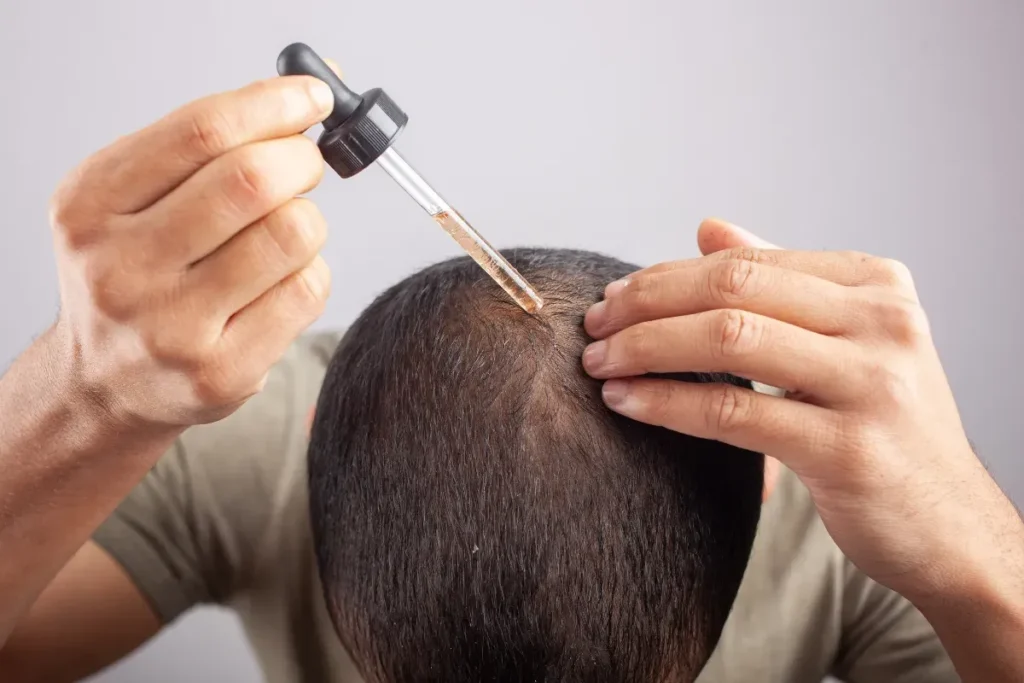
Minoxidil was first made in the 1970s to treat high blood pressure. Now, it’s used to help with hair loss. It works by making hair grow longer, helping with balding.
Know the oral minoxidil side effects before starting. Learn scary warnings and amazing, powerful ways to manage incredible hair regrowth safely.
Low-dose oral minoxidil is given in small amounts, from 0.25 to 5 mg a day. It’s effective, but knowing its side effects is important.
Studies show it’s mostly safe, with few stopping treatment. But, some people get more hair than they want, affecting 15.1% in a big study.
Key Takeaways
Oral minoxidil was originally developed as a vasodilator for hypertension.
It works by extending the anagen hair growth phase.
Low-dose oral minoxidil is used for treating androgenetic alopecia.
Hypertrichosis is a common side effect, occurring in 15.1% of patients.
Discontinuation rates due to side effects are generally low, below 2%.
Understanding Oral Minoxidil: From Hypertension to Hair Loss Treatment
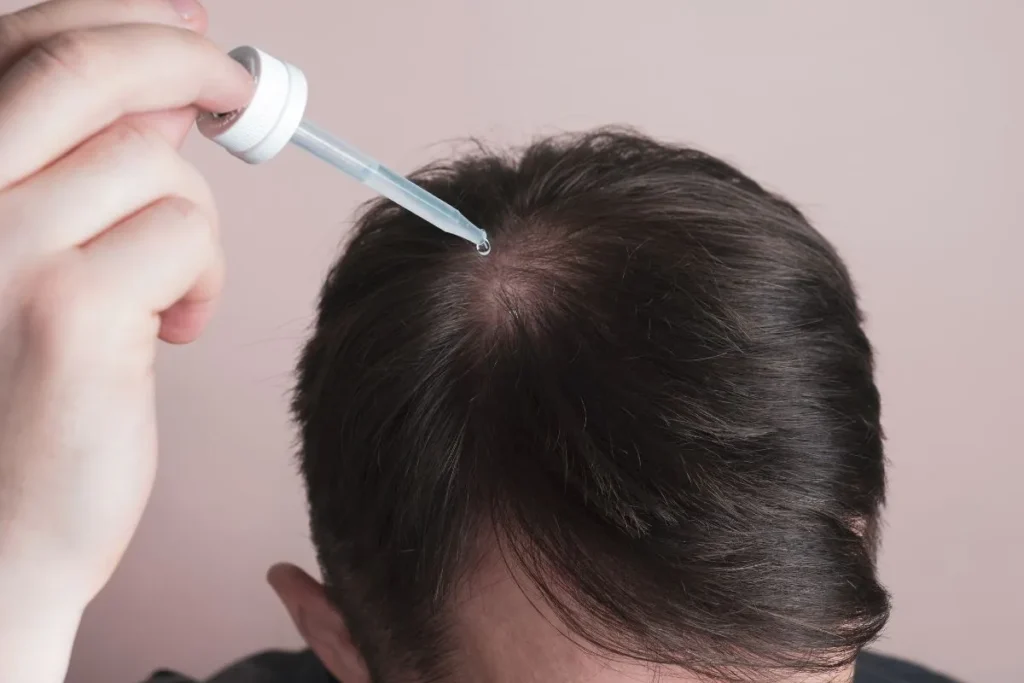
Minoxidil was first made to fight high blood pressure. But, it was found to help with hair loss by accident. Its journey from treating blood pressure to helping hair growth is fascinating. It works in a special way that helps in skin care.
Historical Development as a Vasodilator
Minoxidil was created to widen blood vessels for high blood pressure. It worked well and was approved for severe hypertension. But, it caused too much hair growth as a side effect. This led to more research on using it for hair loss.
The historical development of minoxidil as a vasodilator set the stage for its hair growth benefits. It was made to relax blood vessels and lower blood pressure. The surprise of its hair growth effects opened up new research paths.
Mechanism of Action for Hair Growth
Minoxidil works by turning into minoxidil sulfate in the body. This active form is key for growing hair. For topical use, this happens in the scalp. For oral use, it happens in the liver.
Minoxidil sulfate boosts blood flow to the scalp, helping hair grow.
The sulfotransferase enzymes are vital in making minoxidil active.
Oral minoxidil is changed in the liver, treating hair loss systemically.
Low-Dose Oral Minoxidil (LDOM) Applications
Low-dose oral minoxidil is a new hope for hair loss. It uses minoxidil’s benefits at lower doses, safer than for blood pressure. It’s a promising treatment for androgenetic alopecia and female pattern hair loss.
LDOM’s benefits include:
It makes hair thicker and grow faster.
It can help both men and women with hair loss.
It’s a systemic treatment that works with topical treatments.
In conclusion, minoxidil’s journey from treating blood pressure to hair loss shows its versatility. As research grows, LDOM’s uses are likely to expand. It offers new hope for those losing their hair.
7 Common Oral Minoxidil Side Effects and Their Prevalence
[Add image here]
Oral minoxidil is used to treat high blood pressure and hair loss. But, it can cause several side effects. Knowing these side effects is key for those thinking about using it.
A big study with 1404 patients showed what side effects oral minoxidil can cause. The most common side effect was hypertrichosis, seen in 15.1% of patients.
1. Hypertrichosis (15.1% of Patients)
Hypertrichosis means too much hair growth on the body. While it might help those wanting more hair, it’s not wanted everywhere. This side effect is common, so think carefully before starting treatment.
2. Lightheadedness (1.7% of Patients)
Lightheadedness is another side effect of oral minoxidil. It happens because the drug lowers blood pressure. If you feel lightheaded, be careful, like when standing up fast.
3. Fluid Retention (1.3% of Patients)
Fluid retention is seen in about 1.3% of patients. It can cause swelling in different parts of the body. It’s important to watch your fluid balance, more so if you have heart problems.
4. Tachycardia (0.9% of Patients)
Tachycardia, or a fast heart rate, affects 0.9% of patients. It’s likely because of how the drug affects the heart. If you have heart issues, talk to your doctor about the risks.
Knowing about these side effects is key when using oral minoxidil for hair loss. Healthcare providers can help by guiding patients and managing side effects.
Common Side Effects:Hypertrichosis (15.1%)
Lightheadedness (1.7%)
Fluid Retention (1.3%)
Tachycardia (0.9%)
Conclusion: Safety Profile and Treatment Considerations
Oral minoxidil is a good choice for treating alopecia. It has fewer side effects compared to its use in treating high blood pressure. Only 1.7% of patients stopped using it because of side effects.
Choosing the right patients, adjusting doses, and watching for side effects are key. If side effects happen, doctors can lower the dose or use other treatments. They can also suggest changes in lifestyle, like eating less salt.
Doctors need to think about the good and bad of using oral minoxidil. This helps them give the best advice to patients. It makes sure the treatment works well and is safe for everyone.
FAQ
Oral Minoxidil Uses
Oral minoxidil is a systemic medication originally developed to treat high blood pressure, but it is now widely used “off-label” to treat various forms of hair loss. It is particularly effective for patients with androgenetic alopecia or telogen effluvium who find topical treatments messy, irritating, or ineffective for their specific needs.
Mechanism for Hair Growth
Minoxidil works by acting as a vasodilator that opens potassium channels and relaxes the smooth muscles of the blood vessels, significantly increasing blood flow to the scalp. This improved circulation delivers essential oxygen and nutrients to dormant hair follicles, stimulating them to transition from the resting phase into the active growth phase.
Common Side Effects
The most frequently reported side effects of oral minoxidil include hypertrichosis (unwanted hair growth on the face or body), lightheadedness due to lower blood pressure, and temporary headaches. Some users may also experience initial shedding, heart palpitations, or mild swelling in the lower extremities during the first few weeks of treatment.
Prevalence of Hypertrichosis
Hypertrichosis is the most common side effect of oral minoxidil, occurring in approximately 10% to 25% of patients depending on the daily dosage. While it can occur in both genders, it is often more noticeable in women and typically manifests as fine hair growth on the forehead, temples, or sideburns.
Managing Fluid Retention
Fluid retention, which often presents as swelling in the ankles or around the eyes, can usually be managed by reducing the daily dose or implementing a low-sodium diet. In persistent cases, a healthcare provider may prescribe a low-dose diuretic to help the body flush out excess salt and water while maintaining the hair growth benefits.
Safety for Hair Loss
Low-dose oral minoxidil is generally considered safe for healthy individuals when prescribed and monitored by a qualified physician to ensure it does not negatively impact cardiovascular health. However, it is not recommended for people with a history of heart failure or significant kidney issues, as even small doses can affect fluid balance and heart rate.
Typical Dosage Range
The typical dosage for treating hair loss is much lower than the amount used for hypertension, usually ranging from 0.25 mg to 2.5 mg daily for women. Men often take slightly higher doses, typically between 1.25 mg and 5 mg, as these lower levels provide a safer side-effect profile while still effectively stimulating the follicles.
Minimizing Side Effects
Side effects can be minimized by starting with an extremely low “micro-dose” and gradually increasing it over several months to allow the body to acclimate to the medication. Taking the dose at night can reduce feelings of dizziness or lightheadedness, while staying well-hydrated helps the body maintain stable blood pressure and fluid levels.
References
National Center for Biotechnology Information. Evidence-Based Medical Insight. Retrieved from https://www.ncbi.nlm.nih.gov/books/NBK482378