Polycystic ovary syndrome (PCOS) affects many women worldwide. 6% to 12% of women of reproductive age have this condition. About 30% of women with PCOS experience hair thinning and hair loss.
Hormonal imbalances, like too much androgens, are common in PCOS. These imbalances contribute to hair loss. It’s important to understand how PCOS affects hair health to find effective treatments.
Key Takeaways
PCOS is a common condition affecting 6% to 12% of women of reproductive age.
Hair thinning and loss are significant concerns for many women with PCOS.
Hormonal imbalances are a key factor in PCOS-related hair issues.
Addressing the underlying hormonal issues is critical for managing hair loss.
Proper diagnosis and treatment can help alleviate PCOS symptoms, including hair thinning.
Understanding PCOS and Its Prevalence
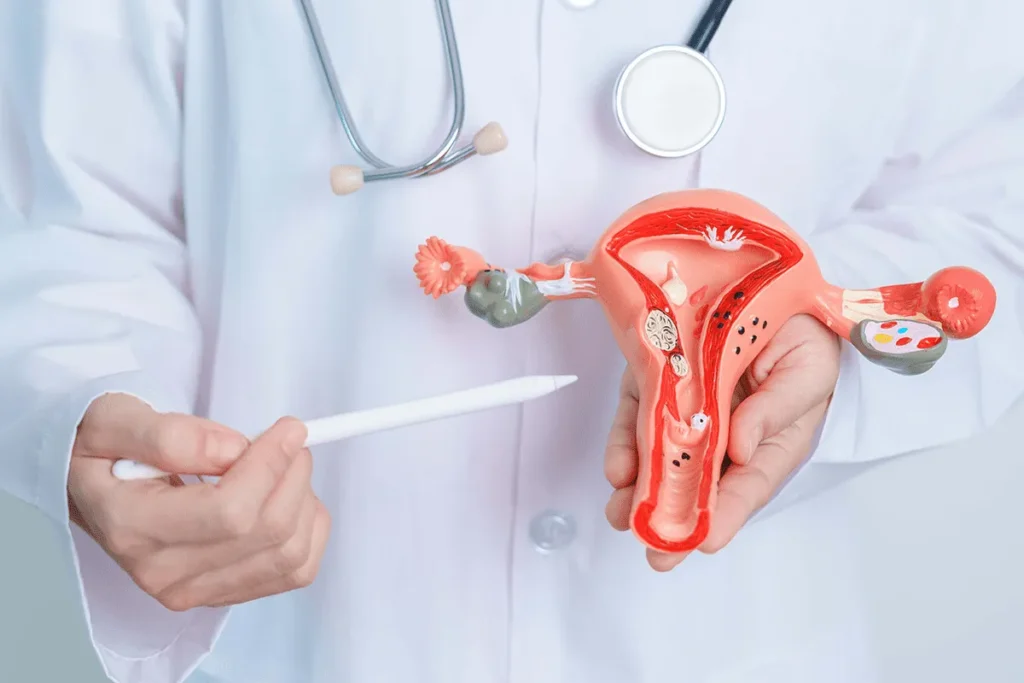
PCOS, or Polycystic Ovary Syndrome, is a complex condition. It involves hormonal imbalances, ovarian cysts, and metabolic issues. It’s more than just ovarian cysts; it’s a mix of hormonal, metabolic, and reproductive problems.
What is Polycystic Ovary Syndrome?
Polycystic Ovary Syndrome is a hormonal disorder that affects many women of childbearing age. Women with PCOS often have irregular or infrequent periods. They also have high levels of male hormones.
The ovaries may have many small fluid collections (follicles) and not release eggs regularly. The exact cause of PCOS is not known. But, it’s thought that genetics and environment play a role.
Key characteristics of PCOS include:
Hormonal imbalance
Cysts on the ovaries
Irregular menstrual cycles
Excess androgen levels
How Common is PCOS?
PCOS is a common endocrine disorder among women of childbearing age. It affects about 6% to 12% of them. The exact number can vary based on the criteria used and the population studied.
Despite its commonness, PCOS is often not diagnosed early. This is because symptoms can vary and there’s no single test for it.
The impact of PCOS goes beyond reproductive issues:
Metabolic syndrome
Increased risk of type 2 diabetes
Cardiovascular disease risk factors
Understanding PCOS and its prevalence is key. It helps in early diagnosis and management. This improves the lives of those affected.
How PCOS Hair Growth Problems Occur
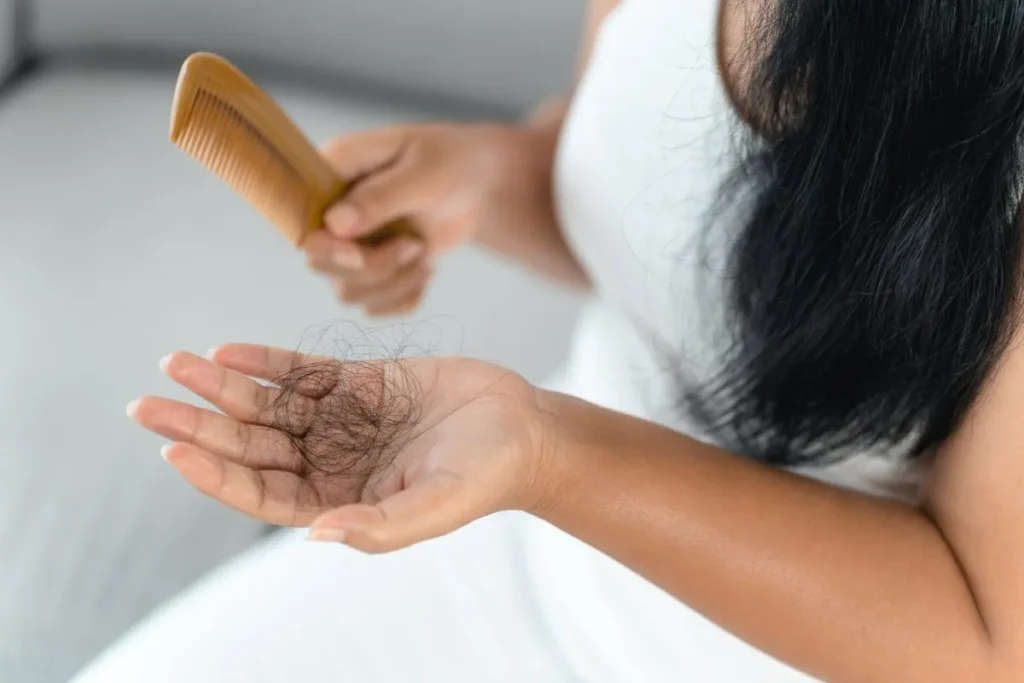
PCOS and hair loss are linked to too much androgen. Women with Polycystic Ovary Syndrome (PCOS) make too many androgens like testosterone and DHT. These hormones mess with hair growth cycles.
The Role of Excess Androgens
Too much androgen causes hair loss in PCOS. Testosterone and DHT shrink hair follicles. This makes hairs thinner, shorter, and leads to hair loss.
Excess androgens affect hair growth in two ways:
Hair follicle miniaturization: Androgens shrink follicles, making hairs finer and shorter.
Increased shedding: More hairs fall out because of the extra androgens.
Androgenic Alopecia in Women with PCOS
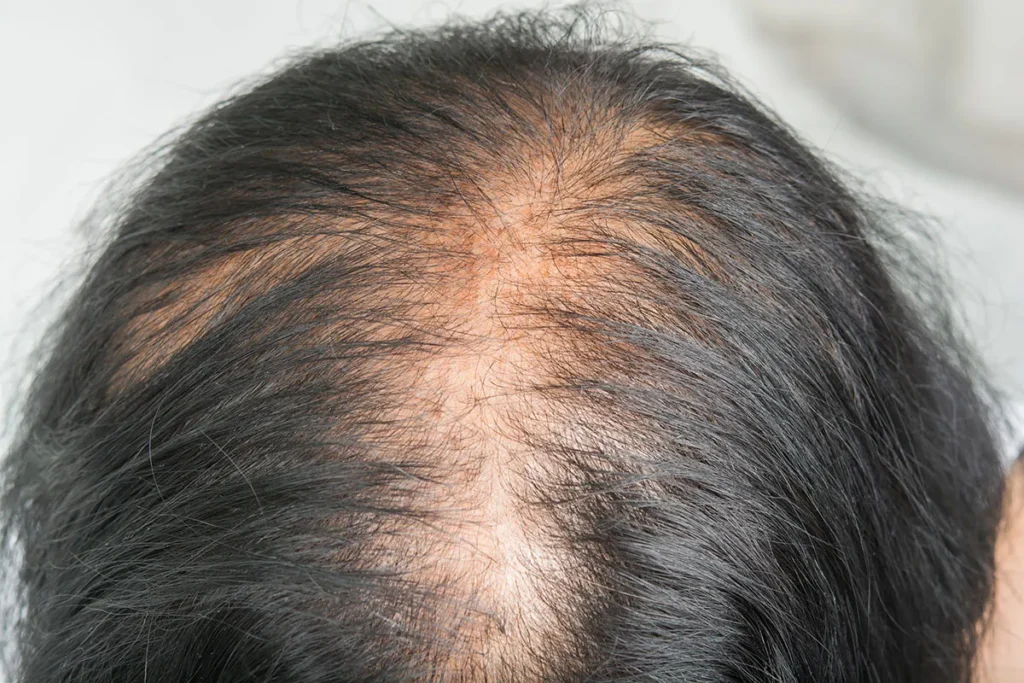
Women with PCOS often get androgenic alopecia. This means their hair thins, mainly on the scalp. This can really hurt a woman’s self-esteem and life quality. The hair loss spreads over the scalp, mainly on the top and crown.
Two Main Mechanisms of Hair Loss
PCOS hair loss happens in two main ways:
Hair falling from the root: Too much androgen weakens follicles, causing hair to fall out.
Hair breaking along the shaft: Dry, damaged hair shafts break easily, a common problem in PCOS.
Knowing these mechanisms helps find better ways to treat PCOS hair loss.
Recognizing PCOS-Related Hair Thinning
It’s important for women to know the signs of PCOS-related hair thinning. PCOS, or Polycystic Ovary Syndrome, is a hormonal disorder. It can cause hair thinning and loss.
Characteristic Patterns and Symptoms
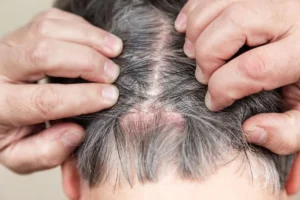
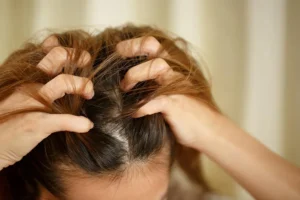
PCOS hair thinning shows as diffuse thinning at the crown and a wider hair part line. This is different from male pattern baldness, which starts with a receding hairline. Women with PCOS may also have excess hair growth on their face, chest, and back due to high androgens.
Hair loss from PCOS can be upsetting. It often comes with irregular periods, acne, and weight gain. Knowing these signs helps identify PCOS-related hair thinning.
Differentiating from Other Types of Hair Loss
It’s key to tell PCOS hair thinning from other hair loss causes. Causes like thyroid issues, autoimmune diseases, and nutritional deficiencies need a careful look. A detailed medical history and physical check can help find the cause of hair loss.
Unlike male pattern baldness, PCOS hair thinning is more widespread. It doesn’t always mean a receding hairline. Other PCOS symptoms, like hirsutism and ovarian cysts, help in diagnosing.
Diagnostic Approaches
Diagnosing PCOS hair thinning involves several steps. Healthcare providers will do a physical check and look for signs of too much androgens. They might also do a pelvic ultrasound and blood tests.
Pelvic ultrasound to check for ovarian cysts
Blood tests to measure hormone levels, including androgens and thyroid hormones
Medical history to identify other symptoms of PCOS, such as irregular menstrual cycles and weight gain
A detailed diagnostic process helps confirm PCOS. It also helps create a treatment plan for hair thinning and other symptoms.
Conclusion
PCOS is a big reason for hair loss in women. It happens because of too many androgens that mess up hair growth. Knowing the signs of PCOS hair loss is key to finding the right treatment.
Handling PCOS hair problems needs a full plan that fixes hormonal imbalances. By getting how PCOS affects hair, people can try different ways to grow healthy hair. This helps lessen the hair loss caused by PCOS.
Living a healthy life and getting help from experts can help women with PCOS. It can also help them deal with hair loss and feel better overall. Getting the right diagnosis and treatment is very important for managing PCOS hair growth issues.
FAQ
PCOS and Hair Thinning
Polycystic Ovary Syndrome (PCOS) is a leading cause of hair thinning in women due to the systemic hormonal imbalances it creates. While the condition often causes unwanted hair to grow on the face and body, the follicles on the scalp frequently react by shrinking and producing much finer, shorter strands.
Frequency of Hair Loss in PCOS
Hair loss is a very common symptom of PCOS, affecting a significant percentage of women diagnosed with the condition. It typically presents as female pattern hair loss, where the hair density decreases across the top and crown of the head while the front hairline remains largely unchanged.
PCOS Without Hirsutism
It is entirely possible to have PCOS without experiencing excessive hair growth (hirsutism), as the condition is a spectrum with varying symptoms for every individual. Some women may primarily experience irregular periods and ovarian cysts without the outward physical signs of high androgens like facial hair or acne.
Role of Androgens in Hair Loss
Excess androgens, specifically dihydrotestosterone (DHT), bind to receptors in the scalp follicles and cause them to miniaturize over time. This process shortens the hair’s growth phase, leading to thinner hair shafts and eventually causing the follicle to stop producing visible hair altogether.
Patterns of PCOS Thinning
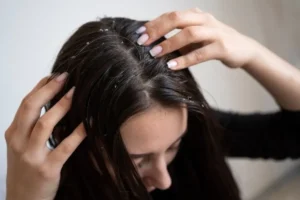
PCOS-related thinning is characterized by a “diffuse” loss of volume, meaning the hair feels thinner all over, but especially at the parting line and crown. Unlike other types of hair loss, it rarely results in total baldness and is often accompanied by an oily scalp or persistent dandruff due to high sebum production.
Diagnosing PCOS-Related Hair Loss
Diagnosing this type of hair loss involves a combination of blood tests to check levels of free testosterone and DHEA-S, along with a physical scalp examination. Doctors also look for a “Rotterdam criteria” diagnosis, which includes checking for irregular cycles and using ultrasound to identify polycystic ovaries.
Ovarian Cysts and Hair Fall
While the cysts themselves do not directly cause hair to fall out, they are a hallmark of the hormonal environment that triggers hair loss. The same high levels of insulin and androgens that lead to the formation of ovarian cysts are the primary drivers of the follicular damage seen on the scalp.
Hair Growth in Polycystic Ovaries
Women with polycystic ovaries often experience a “double-edged sword” where hair grows excessively in androgen-sensitive areas like the chin and chest but thins out on the head. This paradoxical growth occurs because different hair follicles in the body respond differently to the presence of male hormones.
PCOS Without Facial Hair
You can definitely have polycystic ovary syndrome without developing any facial hair, as the “hirsutism” component of the condition depends on your individual genetic sensitivity to hormones. Many women with PCOS focus on managing other symptoms, such as weight gain or insulin resistance, without ever experiencing male-pattern hair growth.
References
Nature. Evidence-Based Medical Insight. Retrieved from https://www.nature.com/articles/nrdp201657