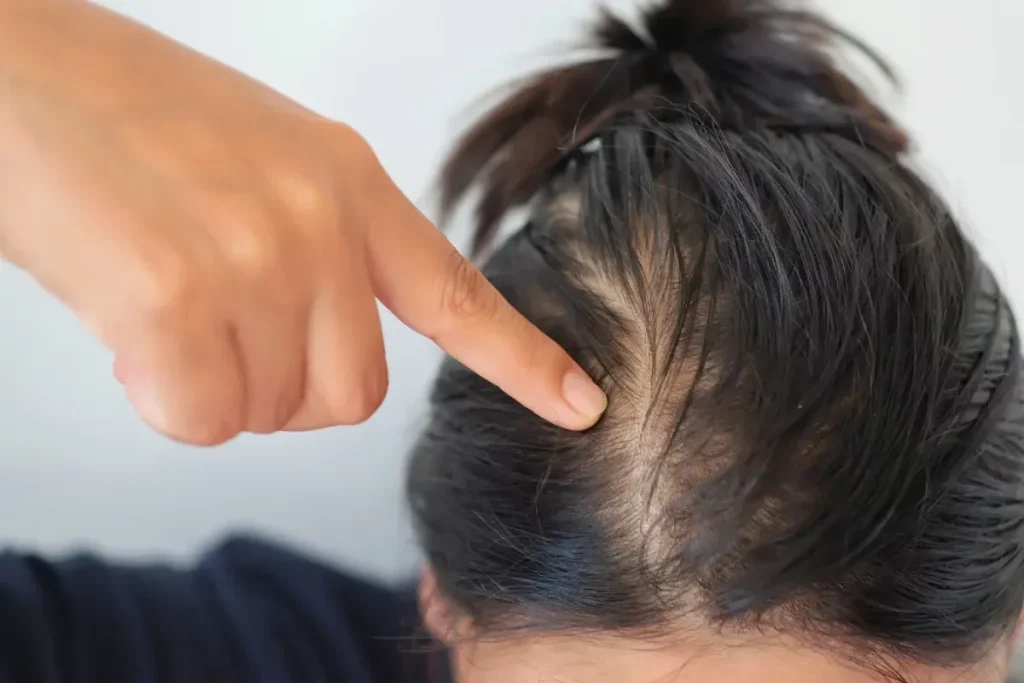
Use postpartum hair loss vitamins for fast regrowth. Discover the best essential nutrients to restore your hair’s volume and health after birth.
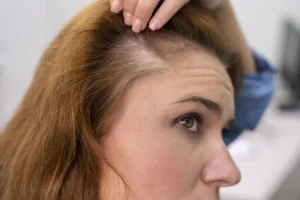
Many new mothers face a tough time after giving birth: losing a lot of hair. This happens to 50 to 91 percent of them in the first year. It’s because of big changes in hormones and a lack of nutrients during and after pregnancy.
Regaining confidence and getting healthy hair growth is key for new moms. The good news is that special vitamins can help make hair fuller and healthier again.
At gold city hair, we know that getting better after having a baby is more than just physical. It’s also about feeling good emotionally. By using the right vitamins for hair loss, new moms can feel more confident and get the hair they’ve always wanted.
Key Takeaways
Postpartum hair loss is a common condition affecting many new mothers.
Hormonal changes and nutrient depletion are primary causes.
Targeted vitamin supplementation can help restore hair health.
Regaining confidence through hair regrowth is a significant emotional benefit.
Effective solutions are available to address postpartum hair loss.
Understanding Postpartum Hair Loss
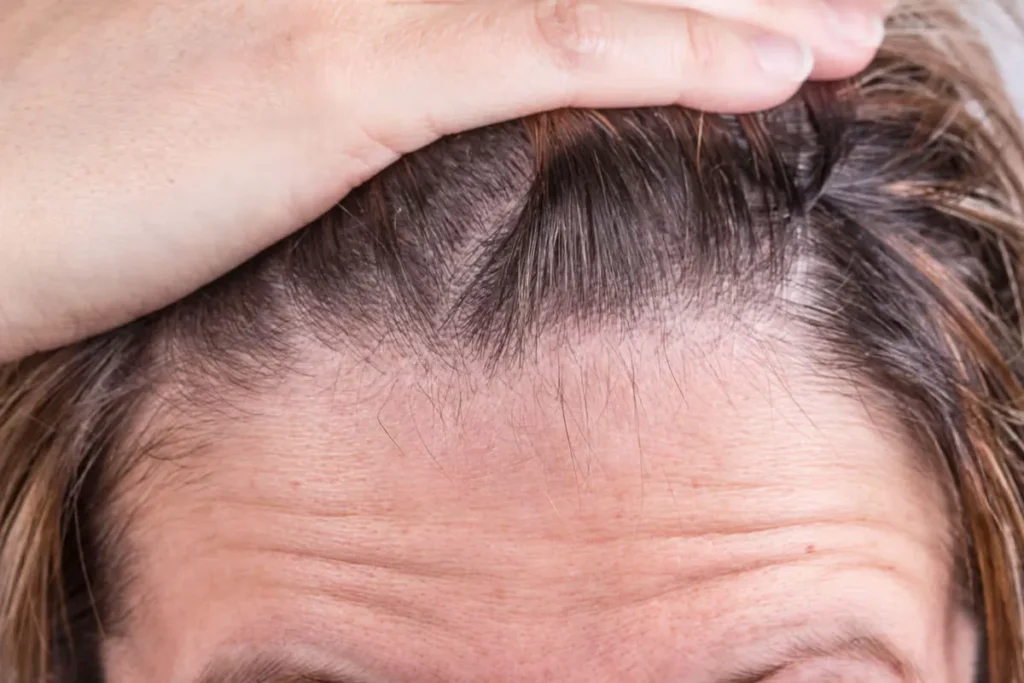
Becoming a mother brings many surprises, including postpartum hair loss. This issue worries many new moms, adding to the stress of this time. Knowing why it happens is the first step to fixing it.
What Causes Postpartum Hair Shedding
After having a baby, hair loss is common. It’s because of big changes in hormones. During pregnancy, estrogen levels surge, making hair thicker and healthier. But after the baby is born, estrogen drops, and hair follicles stop growing.
This leads to a lot of hair falling out, usually a few months after giving birth.
The Role of Hormones and Nutritional Depletion
Hormones play a big part in hair loss after having a baby. The drop in estrogen affects hair growth and overall health. Also, nutritional depletion from pregnancy and breastfeeding adds to the problem.
Important nutrients like iron, biotin, and folic acid are vital for hair. Without them, hair loss gets worse.
Knowing about hormonal and nutritional impacts helps new moms tackle hair loss. It’s a step towards growing healthy hair again.
5 Best Postpartum Hair Loss Vitamins for Healthy Regrowth
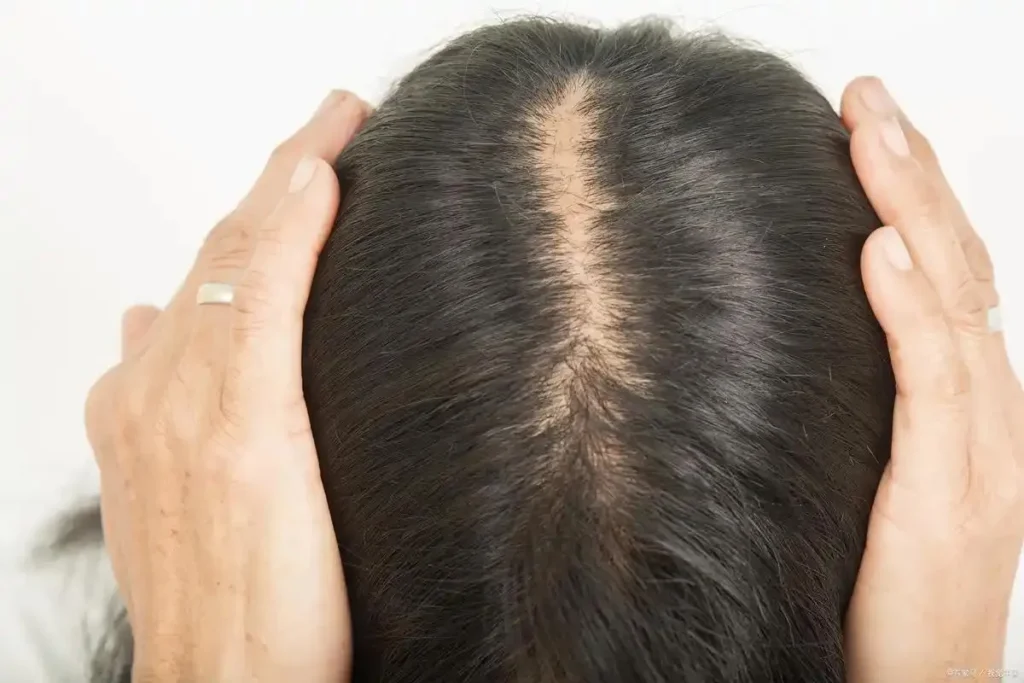
Getting your hair back after having a baby is possible with the right vitamins. Many women lose a lot of hair after birth because of hormonal changes and not getting enough nutrients. But, some vitamins can help your hair grow back and get healthy again.
Biotin (Vitamin B7)
Biotin is key for hair growth because it helps make keratin and makes hair stronger. You can find biotin in eggs, nuts, and whole grains. Baby Blues Postpartum Hair Vitamins also have biotin to help fight hair loss for new moms.
Folic Acid
Folic acid is important for making new cells and improving blood flow. This is good for growing healthy hair. Eating foods high in folic acid or taking supplements can help your hair grow back after having a baby.
Iron Supplements
Iron is needed to get oxygen to your hair follicles, which helps your hair grow. Many women don’t get enough iron after having a baby. Taking iron supplements can be very helpful.
Vitamin D
Vitamin D helps control how hair follicles work, and not having enough can lead to hair loss. You can get enough vitamin D from the sun, food, or supplements. This helps your hair grow back.
The table below shows the main vitamins for postpartum hair loss and what they do:
By adding these vitamins to their daily routine, new moms can feel more confident and help their hair grow back healthy.
Conclusion: Creating Your Personalized Hair Recovery Strategy
Getting your hair back after postpartum loss needs a plan just for you. Knowing why your hair falls out and using the right vitamins helps. Vitamins like biotin and vitamin D are key for healthy hair growth.
A personalized hair strategy is more than just vitamins. It’s about a consistent hair care routine. This includes the best vitamins for hair loss while breastfeeding. With time and the right nutrients, you’ll see big improvements in your hair health in 6-12 months.
By taking charge of your hair recovery, you can feel confident again. Create a plan that fits you and don’t be afraid to ask for professional help. This will help you get the best results.
FAQ
What are the best postpartum vitamins for hair loss
Look for vitamins with biotin, iron, zinc, vitamin D, B‑complex, vitamin C, and collagen to support hair regrowth after childbirth
Can postpartum hair loss be stopped with vitamins
Vitamins help support and nourish hair growth, but they don’t stop shedding instantly—natural postpartum shedding usually resolves on its own
Are Baby Blues Postpartum Hair Vitamins effective
Supplements like Baby Blues may help if they provide key nutrients, but effectiveness varies by individual and nutritional needs
How long does it take to see results from postpartum hair loss vitamins
Most people notice improvements in 8–12 weeks of consistent intake
Can I take postpartum hair loss vitamins while breastfeeding
Many vitamins are safe during breastfeeding, but check with your healthcare provider to ensure they match your needs
What is the role of estrogen in postpartum hair loss
After pregnancy, estrogen levels drop, triggering telogen effluvium—a temporary shedding phase that causes hair loss
Can I take vitamin D for postpartum hair loss
Yes, vitamin D supports hair follicle health, especially if levels are low, but confirm dosage with your doctor
Are there any other nutrients I should take with postpartum hair loss vitamins
Yes—iron, zinc, omega‑3 fatty acids, B vitamins, and collagen all support stronger, healthier hair growth
References
National Center for Biotechnology Information. Evidence-Based Medical Insight. Retrieved from https://pmc.ncbi.nlm.nih.gov/articles/PMC6380979/