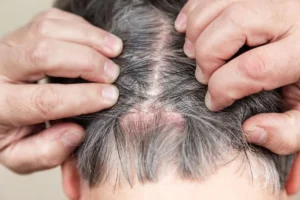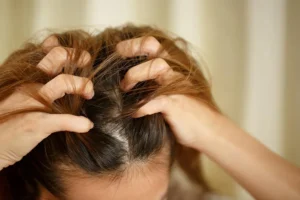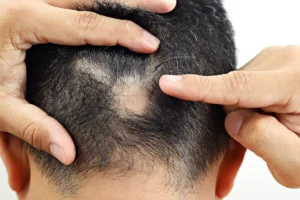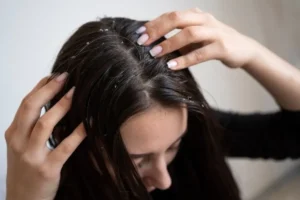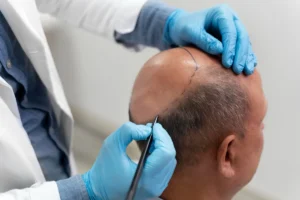
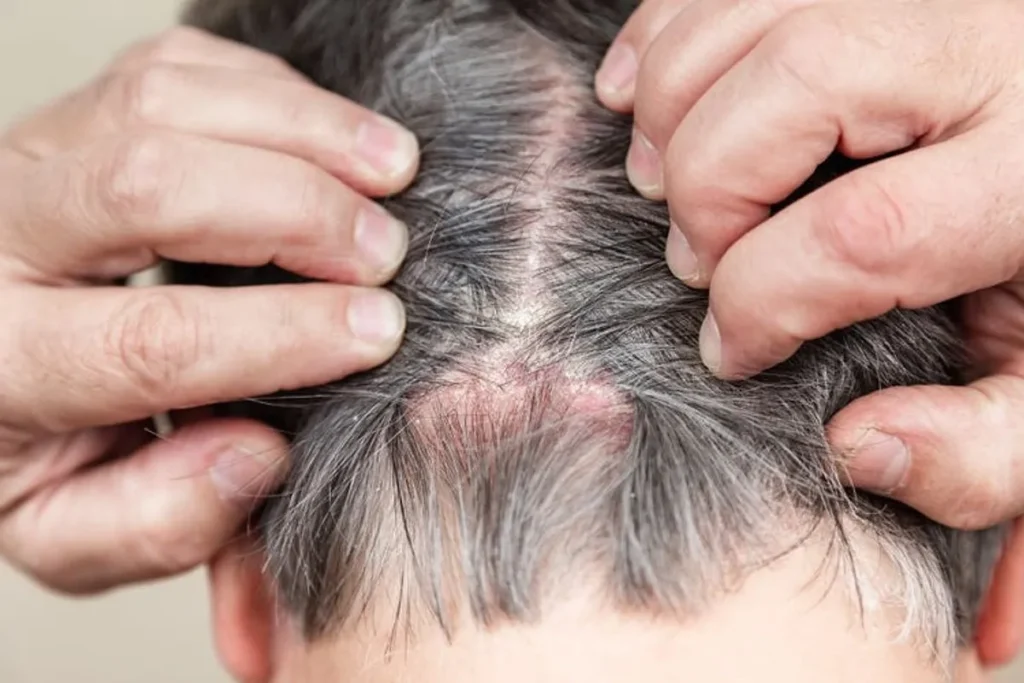
A scalp rash can be a persistent and frustrating condition. It affects about 3 to 5 percent of the general population. It shows up as red patches, painful bumps, flaking skin, and itchy inflammatory responses.
Fix a rash on head with the scary truth and an amazing cure. Use powerful, incredible remedies to stop scary itching and achieve health now.
Scalp rashes can be caused by many things, like seborrheic dermatitis, fungal infections, and allergic reactions. Knowing what causes it is important for treating it right.
gold city hair offers expert dermatological care. They focus on patient-centered solutions. They use advanced medical protocols to quickly identify and treat scalp rashes.
Key Takeaways
Scalp rashes affect a significant portion of the population.
Various conditions can cause scalp rashes, including seborrheic dermatitis and fungal infections.
Understanding the cause is key to effective treatment.
Expert dermatological care is available for scalp rash treatment.
Advanced medical protocols can provide quick relief from scalp rashes.
Understanding Head Rashes
A rash on the head can show up in many ways, causing worry and discomfort. Scalp rashes can look like red patches, painful bumps, flaking skin, and itchy spots. These can happen on the back of the head, at the hairline, or under hair.
Common Symptoms and Appearance
Scalp rash symptoms can vary, but common ones include itchiness, white flakes, red patches, and painful bumps. Sometimes, the rash can also cause swelling and tenderness.
The look of a scalp rash can change based on the cause. For example, seborrheic dermatitis might show up as yellowish, oily, scaly patches. On the other hand, ringworm can cause a circular, itchy rash.
When to Seek Medical Attention
If your symptoms don’t go away or get worse, you should see a doctor. A healthcare professional can find out what’s causing the rash and suggest the right treatment.
Some signs you need to see a doctor include:
Increasing severity of symptoms
Spread of the rash to other areas
Presence of pus or discharge
Fever or swollen lymph nodes
Common Types of Rashes on Head
It’s important to know about the different rashes that can appear on the head. Each type has its own cause. Knowing this helps in finding the right treatment.
Seborrheic Dermatitis
Seborrheic dermatitis is a common rash on the head. It shows up as scaly, flaky patches on the scalp. This condition can be very uncomfortable and often causes redness and itching.
Symptoms of seborrheic dermatitis include:
Flaky patches on the scalp
Redness and inflammation
Itching and irritation
Fungal Infections: Ringworm and Yeast
Fungal infections like ringworm and yeast can also cause rashes on the head. Ringworm is very itchy and contagious. Yeast infections can make the scalp itchy and flaky.
Common symptoms of fungal infections include:
Intensely itchy rashes
Redness and inflammation
Flaking and scaling
Contact Dermatitis from Hair Products
Allergic reactions to hair products can lead to contact dermatitis. This causes rashes on the head. It happens when the skin reacts to something in a hair care product, leading to irritation.
Symptoms of contact dermatitis include:
Redness and inflammation
Itching and irritation
Blisters or rashes
Psoriasis and Folliculitis
Psoriasis can cause thick, scaly patches on the scalp. Folliculitis makes the hair follicles inflamed. Both can be very uncomfortable and need proper treatment.
Common symptoms of psoriasis and folliculitis include:
Thick, scaly patches
Inflammation and redness
Pustules or bumps on the scalp
Treating a Rash on Head: Effective Solutions
When you have a rash on your head, finding the cause is key to the right treatment. The scalp is very sensitive. The right treatment can ease symptoms and stop more irritation.
Medicated Shampoos and Topical Treatments
Medicated shampoos and creams are often the first step for many scalp rashes. For issues like seborrheic dermatitis and dandruff, over-the-counter shampoos work well. They contain zinc pyrithione, ketoconazole, or salicylic acid.
Key ingredients in medicated shampoos:
Zinc pyrithione: Effective against dandruff and seborrheic dermatitis.
Ketoconazole: Antifungal properties help treat fungal infections.
Salicylic acid: Helps remove scales and reduce inflammation.
Prescription Options for Severe Cases
If OTC treatments don’t work or the rash is bad, a doctor might prescribe stronger meds. A dermatologist can give out stronger creams or pills. For psoriasis, treatments might include biologics or other medicines.
Prescription options may include:
Stronger topical corticosteroids to reduce inflammation.
Antifungal medications for persistent fungal infections.
Biologics for autoimmune conditions like psoriasis.
Soothing Home Remedies for Quick Relief
There are also home remedies that can help with a head rash. A warm or cool compress can ease the itch and swelling. Keeping your scalp clean and avoiding harsh hair products also helps.
Home remedies to consider:
Warm or cool compresses to soothe the scalp.
Tea tree oil for its antifungal and antibacterial properties.
Aloe vera to calm irritation and reduce itching.
Conclusion
It’s important to know why scalp rashes happen and how to treat them. A rash on your head can be caused by many things, like air rash or ashes. Finding the right treatment is key to feeling better.
Scalp rashes can be caused by different things, like seborrheic dermatitis or fungal infections. Knowing what’s causing your rash helps you choose the best treatment. This could be special shampoos, creams, or stronger medicines for serious cases.
For mild rashes, home remedies can help a lot. But if your symptoms don’t go away or get worse, see a doctor. They can check for serious problems that need professional care.
Learning about scalp rashes and their treatments helps you take care of your scalp. This way, you can avoid future problems and feel more comfortable. It’s all about keeping your scalp healthy and free from irritation.
FAQ
What are the common causes of a scalp rash?
Common causes include seborrheic dermatitis, psoriasis, fungal infections (like tinea capitis), allergic reactions to hair products, eczema, heat rash, and bacterial infections.
How can I identify a scalp rash?
A scalp rash may appear as redness, itching, flaking, bumps, scaly patches, crusting, or even small blisters depending on the cause.
What is seborrheic dermatitis, and how is it treated?
Seborrheic dermatitis is a common inflammatory condition linked to yeast overgrowth and excess oil; it’s treated with medicated shampoos containing ketoconazole, selenium sulfide, or zinc pyrithione, and sometimes topical steroids.
Can a scalp rash be a sign of a fungal infection?
Yes, fungal infections often cause red, itchy, scaly patches and sometimes hair loss, and they typically require antifungal treatment.
How can I treat a rash on my head at home?
Use gentle shampoos, avoid irritating products, apply soothing ingredients like aloe vera, and try over-the-counter antifungal or anti-inflammatory treatments if appropriate.
When should I seek medical attention for a scalp rash?
See a doctor if the rash is painful, spreading, producing pus, causing hair loss, accompanied by fever, or not improving within a week.
Can hair products cause a scalp rash?
Yes, certain shampoos, dyes, styling products, or fragrances can trigger allergic contact dermatitis or irritation.
What are the treatment options for psoriasis on the scalp?
Treatment options include medicated shampoos, topical corticosteroids, vitamin D analogs, coal tar products, light therapy, and prescription systemic medications for severe cases.
References
National Center for Biotechnology Information. Evidence-Based Medical Insight. Retrieved from https://www.ncbi.nlm.nih.gov/pmc/articles/PMC4852869/