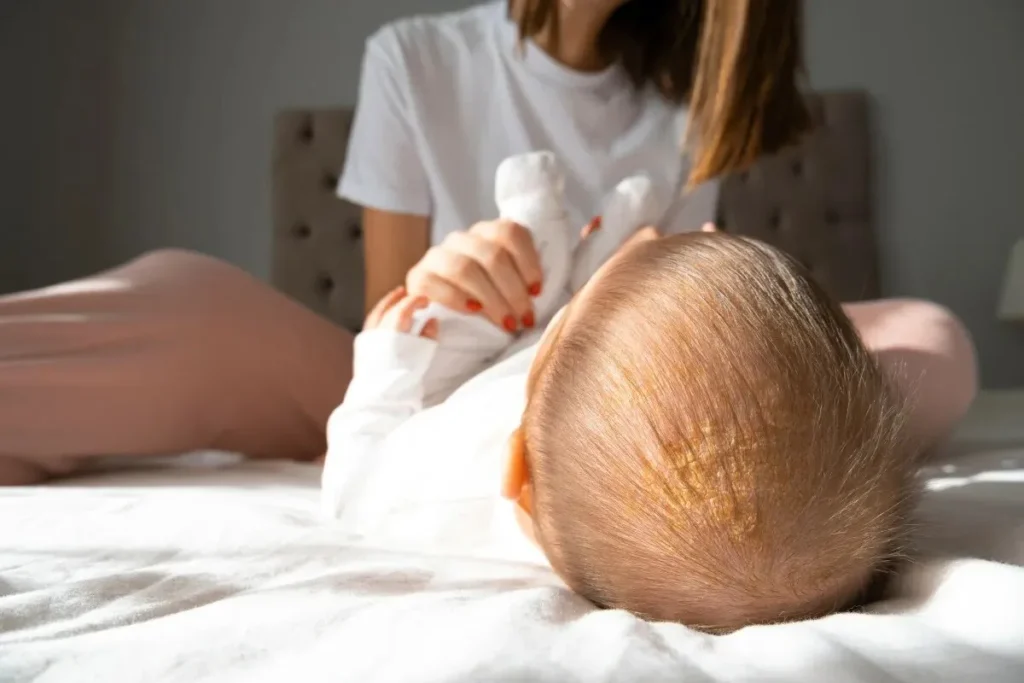
Seborrheic dermatitis, also known as cradle cap, is a common skin issue. It affects about 10% of babies in the first three months.
This condition shows up as yellowish, greasy patches on the scalp. It usually starts between 3 weeks and 12 months old. But don’t worry, it’s not contagious or itchy and often goes away by itself in a few months.
It’s important for parents to know about seborrheic dermatitis in infants. This helps them find ways to soothe their child.
Gold City Hair’s pediatric dermatology team is dedicated to providing trusted care.
Key Takeaways
Cradle cap affects up to 10% of infants.
It appears as yellowish, greasy crusts on the scalp.
The condition is harmless and not contagious.
It typically resolves on its own within a few months.
Pediatric dermatology teams offer trusted care for affected infants.
Understanding Seborrheic Dermatitis in Infants
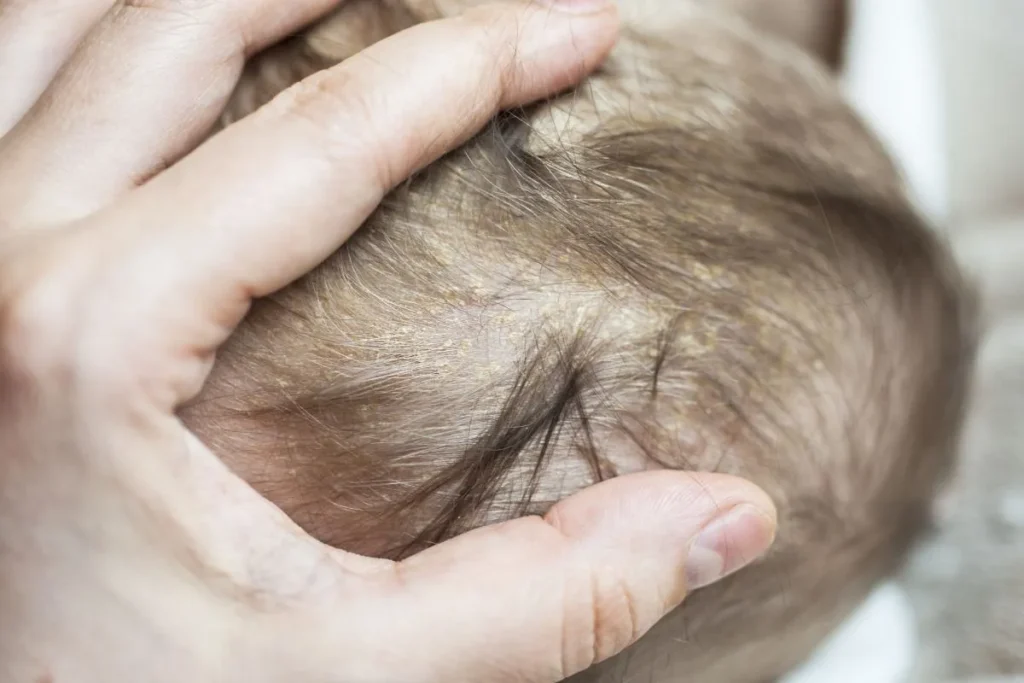
Seborrheic dermatitis, also known as cradle cap when it affects the scalp, is a common issue. It causes greasy, yellowish scales on the scalp, face, and other areas. This condition can be distressing for parents.
What is Cradle Cap?
Cradle cap, or seborrheic dermatitis of the scalp, is common in infants. It shows up as yellow or brown scales on the scalp, looking oily or waxy. It’s not contagious and not due to poor hygiene.
Key characteristics of cradle cap include:
Yellow or brown scales on the scalp
Oily or waxy appearance
Not caused by poor hygiene
Not contagious
Signs and Symptoms
Seborrheic dermatitis in infants can show different signs. Common symptoms are:
Scaly patches on the scalp, face, or other areas
Redness and inflammation
Greasy or oily appearance of the scales
Sometimes, mild itching
It’s important to tell seborrheic dermatitis apart from other skin issues like eczema or psoriasis. If it doesn’t get better or gets worse, see a pediatrician.
Causes and Risk Factors
The exact cause of seborrheic dermatitis in infants is not known. It might be a reaction to a yeast on the skin. Several factors can raise the risk of getting it:
Hormonal changes
Presence of a specific yeast on the skin
Stress, though this is more relevant in adults
Other health conditions, though rare in infants
Knowing these factors can help manage and treat the condition well.
Step-by-Step Treatment for Seborrheic Dermatitis in Infants
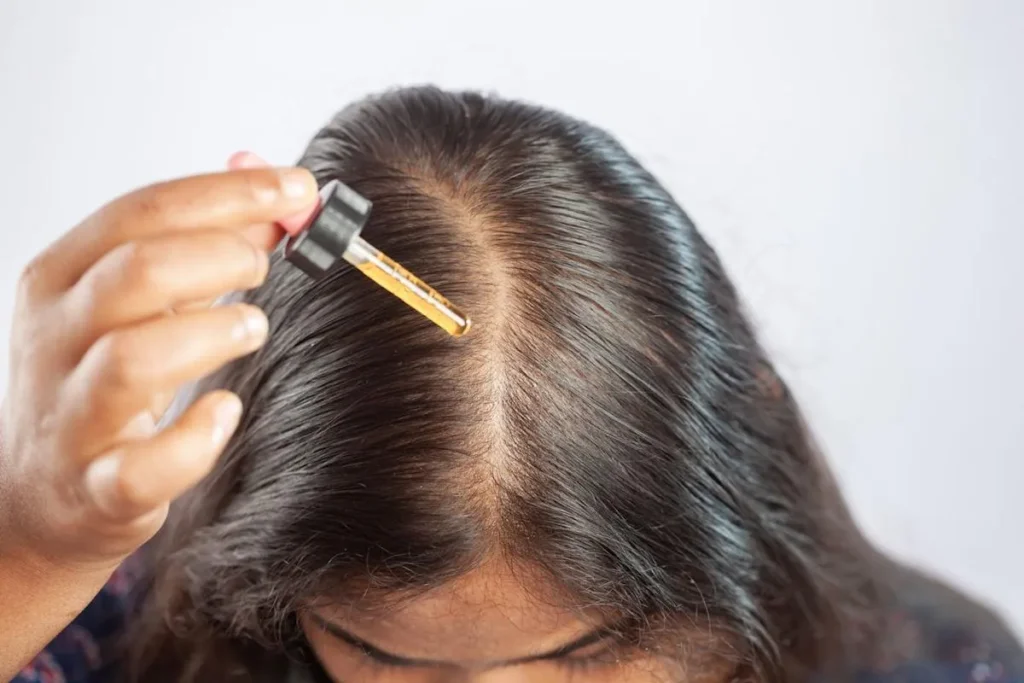
Infantile seborrheic dermatitis can be managed with a step-by-step plan. This condition, also known as cradle cap, needs a gentle approach. This helps to ease symptoms and prevent problems.
Gentle Cleansing Techniques
The first step is gentle cleansing. Use a mild baby shampoo and massage it on the scalp to loosen scales. Make sure to rinse well with warm water to remove all residue.
Tips for Gentle Cleansing:
Use lukewarm water to avoid irritating the scalp.
Massage the shampoo gently onto the scalp with your fingertips.
Rinse the scalp thoroughly to prevent any shampoo residue from causing irritation.
Scale Removal Process
After cleansing, remove scales carefully. Use a soft-bristled brush or a fine-tooth comb to gently loosen and remove scales. Be patient and gentle to avoid discomfort or injury to the infant’s scalp.
It’s essential to be patient and gentle during this process to avoid causing stress to the infant.
Medicated Solutions When Needed
In some cases, a healthcare provider may recommend medicated shampoos or solutions. These can help reduce inflammation and fight fungal infections that may be causing the condition.
Common Medicated Solutions:
When to Consult a Pediatrician
While many cases can be managed at home, sometimes a pediatrician’s advice is needed. If the condition doesn’t improve, gets worse, or is accompanied by fever or irritability, seek medical help.
Signs That Require Medical Attention:
Increased redness or swelling
Pus or discharge from the affected area
Fever or irritability
Failure to improve with home treatment
Conclusion
Seborrheic dermatitis is common in infants, affecting the scalp and face. It can worry parents, but it’s usually not serious. It often goes away on its own in a few weeks or months.
There are ways to help manage symptoms. Gentle cleaning and removing scales can make a big difference. Sometimes, doctors might need to use special treatments.
Parents should know that this condition can come and go. With the right care, it can be kept under control. If it doesn’t get better or gets worse, seeing a pediatrician is a good idea.
Learning about seborrheic dermatitis can help parents ease their child’s discomfort. It also helps keep their skin healthy.
FAQ
What is the difference between seborrheic dermatitis and eczema in infants?
Seborrheic dermatitis (cradle cap) causes greasy, yellowish scales and is usually not itchy. Atopic dermatitis (eczema) causes dry, red, very itchy patches and often runs in families with allergies or asthma.
How is seborrheic dermatitis in infants diagnosed?
It is usually diagnosed by a pediatrician through physical examination of the scalp and skin. Lab tests are rarely needed.
Can seborrheic dermatitis in infants be treated with over-the-counter medications?
Yes. Mild cases improve with gentle baby shampoo, soft brushing, and sometimes mild antifungal or low-strength hydrocortisone creams if recommended by a doctor.
Is seborrheic dermatitis in infants contagious?
No, it is not contagious and cannot spread between babies.
Can seborrheic dermatitis in infants occur on other parts of the body beside the scalp?
Yes, it can appear on the eyebrows, eyelids, behind the ears, neck folds, armpits, and diaper area.
How can I prevent seborrheic dermatitis in my infant?
Wash the scalp regularly with a gentle cleanser, avoid heavy product buildup, and gently remove flakes to reduce recurrence.
Is seborrheic dermatitis in infants a sign of a weakened immune system?
No, it is common in healthy infants and is not usually linked to immune problems.
Can I use coconut oil or other oils to treat seborrheic dermatitis in my infant?
Yes, small amounts of coconut oil or mineral oil can help loosen scales. Apply briefly before washing, and avoid leaving oil on too long to prevent buildup.
References
National Center for Biotechnology Information. Evidence-Based Medical Insight. Retrieved from https://pmc.ncbi.nlm.nih.gov/articles/PMC6397947/