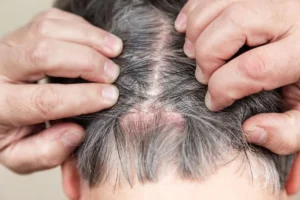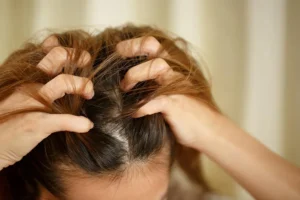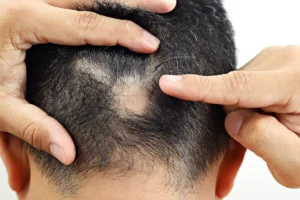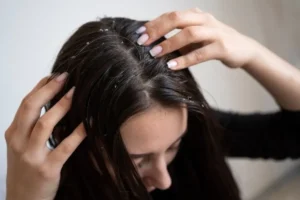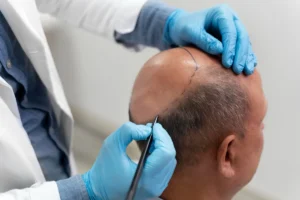
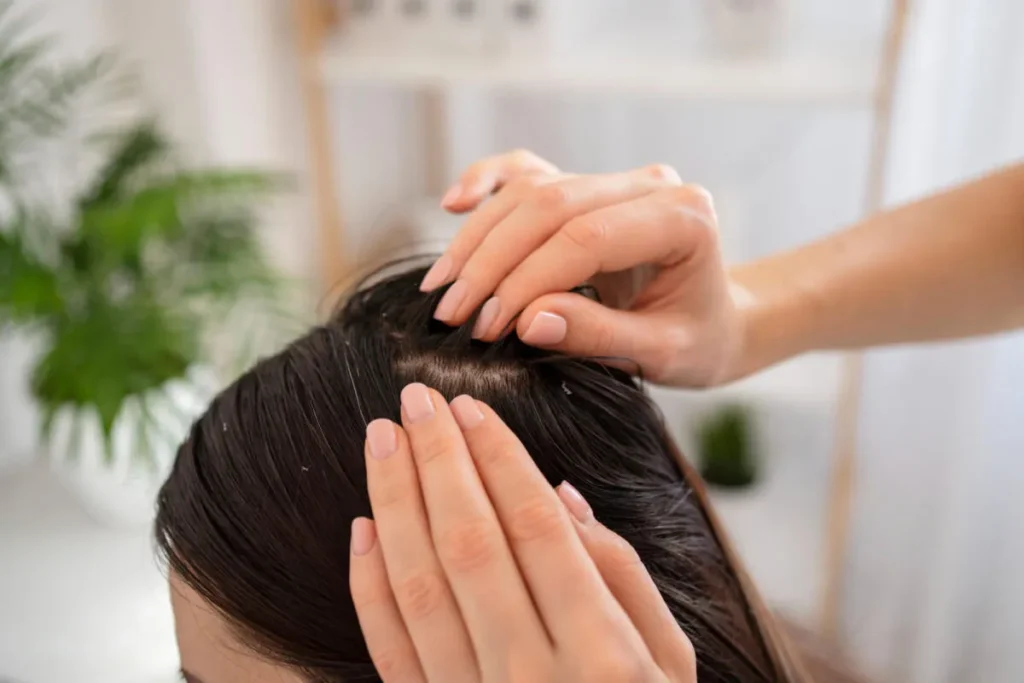
Many think going bald means no more dandruff. But, the truth is more complex. Shaving might make it harder for dandruff-causing fungi to grow. Yet, people without hair can also get this scalp problem.
It’s important to know how dandruff works on shaved heads. And how to take care of your scalp. The main reason for dandruff is a fungus called Malassezia globosa. It feeds on scalp oils. Even without hair, the scalp can stay at risk because of oils and the scalp’s natural bacteria.
Key Takeaways
Dandruff can occur on a shaved head due to the presence of Malassezia yeast.
The scalp remains vulnerable to dandruff even without hair.
Proper scalp care is essential for maintaining healthy skin.
Understanding the causes of dandruff is key to managing it.
Scalp oils and microbiome play a big role in dandruff.
The Science of Scalp Flaking
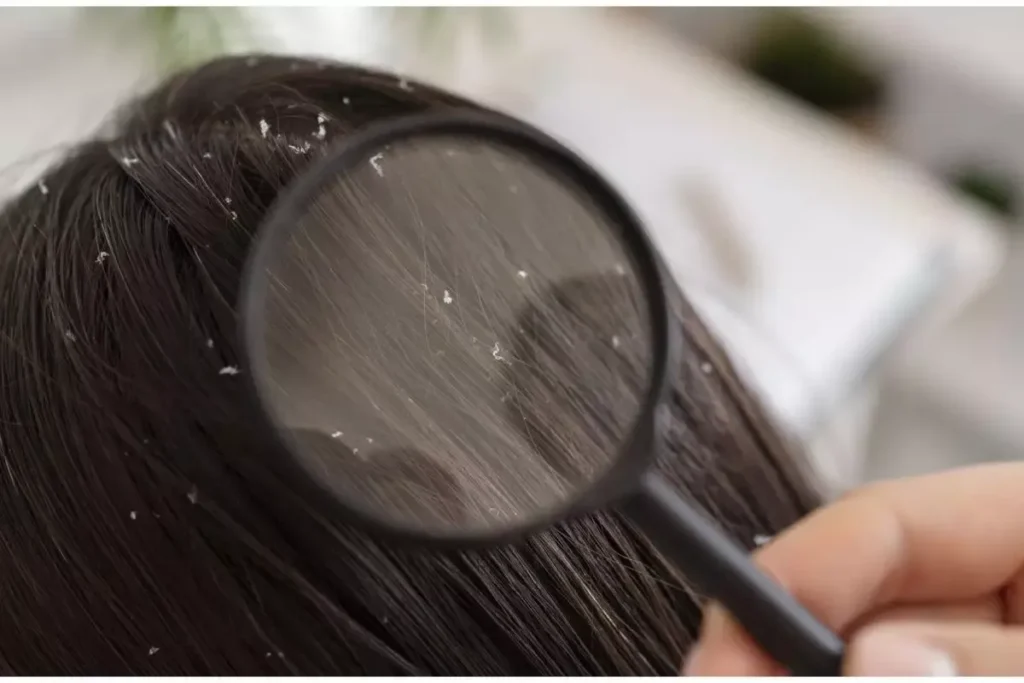
Dandruff is a complex issue involving scalp oils, skin sensitivity, and fungus. To understand it, we must look at the key factors that cause it.
What Really Causes Dandruff
Dandruff mainly comes from our body’s reaction to the Malassezia fungus. This fungus feeds on scalp oils. This reaction makes skin cells grow faster, leading to white or yellow flakes.
Our scalp’s natural oils and sensitivity are also important. People with sensitive skin or conditions like seborrheic dermatitis are more likely to get dandruff.
The Malassezia Globosa Connection
Malassezia globosa is a fungus found on human scalps. It breaks down scalp oils, causing irritation and dandruff. The byproducts of Malassezia globosa make skin cells renew faster, causing flakes.
Knowing how Malassezia globosa and other factors cause dandruff is key to treating it. By tackling the root causes, we can manage symptoms and reduce flakes.
Shaved Head Dandruff: Facts and Myths
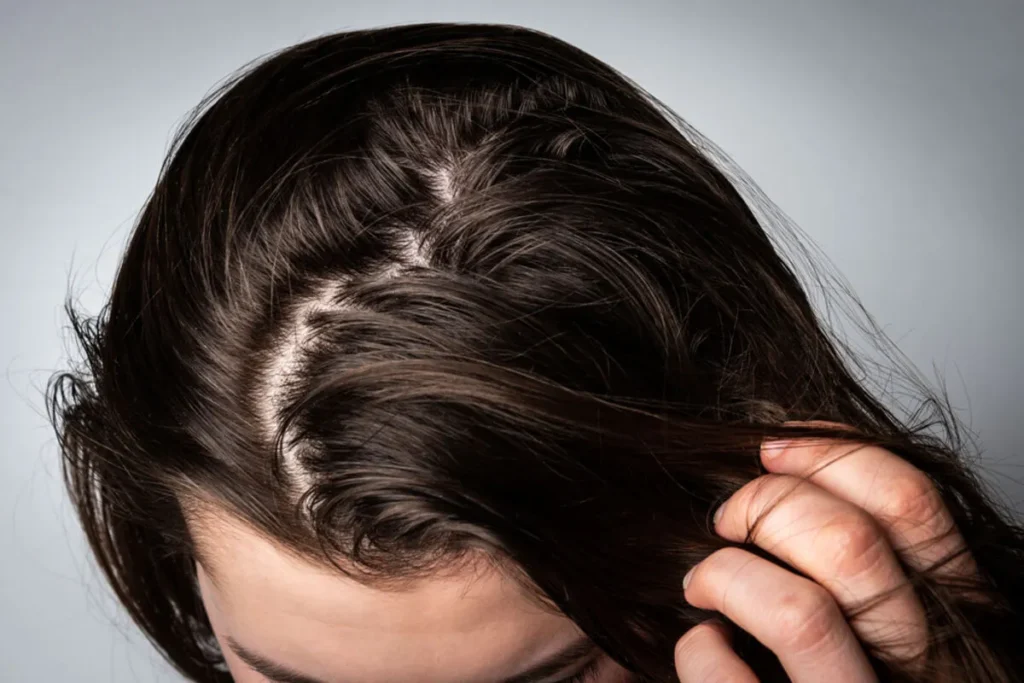
Shaving your head might change your scalp’s environment, but does it affect dandruff? Many people think going bald will solve the problem. But, the truth is more complicated. Shaving your head can make dandruff more visible, but it doesn’t get rid of the causes.
How Shaving Affects Your Scalp Environment
Shaving your head changes more than just your look. It alters your scalp’s environment. Without hair, your scalp is more exposed to dry air, sun, and cold. This can irritate your scalp and make dandruff worse.
The scalp’s natural oil production is also affected. Without hair, these oils are exposed more. This can lead to dryness or irritation if not managed right.
Temperature and Humidity Differences on Bald Scalps
A bald scalp feels the temperature and humidity more. Extreme temperatures can dry out the scalp, causing flakiness and irritation. Low humidity also takes away natural moisture, making dandruff symptoms worse.
Increased sun exposure can cause sunburn on the scalp, irritating it more.
Dry air dries out the scalp, making it flaky.
Cold winds take away natural oils, causing irritation.
To manage dandruff on a shaved head, a good scalp care routine is key. Use gentle shampoos, moisturize when needed, and protect from extreme weather.
Why You Might Stil Experience Flaking After Shaving
Many people worry about dandruff on shaved heads. They wonder why it keeps coming back. Shaving your head changes your scalp’s environment. But it doesn’t get rid of all the reasons for flaking.
Oil Production and Scalp Dryness
One big reason for dandruff on shaved heads is oil production. The scalp makes sebum, an oily substance. This oil can cause flaking when it meets the Malassezia globosa fungus. Even without hair, the scalp keeps making sebum, which can lead to dryness and flaking if not managed right.
Using a gentle, pH-balanced cleanser helps keep the scalp balanced. Also, applying a moisturizer made for the scalp can help prevent dryness and flaking.
Environmental Stressors on Exposed Scalps
Shaving your head makes your scalp more exposed to the environment. Things like sun, dry air, and cold weather can dry out the scalp, causing irritation and flaking. It’s important to protect your scalp from these stressors to manage dandruff.
Wearing a scalp sunscreen or a hat can protect against UV damage. In dry or cold weather, using a scalp moisturizer or a humidifier can keep your scalp healthy.
Impact of Washing Habits and Products
How often you wash your scalp and what products you use matter a lot. Using harsh shampoos or washing too much can dry out the scalp, leading to flaking. Not washing enough can cause oil buildup and make dandruff worse.
It’s important to find the right balance in washing and using gentle, right products. A gentle exfoliating scrub can help remove dead skin cells and reduce flaking.
Understanding and tackling these issues can help people with shaved heads manage dandruff and keep their scalp healthy.
Conclusion: Effective Dandruff Management for Shaved Heads
Even without hair, people with shaved heads can get dandruff. It’s important to know why it happens and how to manage it. This keeps the scalp healthy.
Those with bald dandruff can find relief with special treatments. Yes, bald people can get dandruff. It’s key to take care of the scalp well.
Choosing the right products and shielding the scalp from harm helps a lot. This way, people can feel better and have a scalp without flakes.
Managing dandruff well means good scalp care and the right treatments. Knowing the reasons for dandruff and acting on it helps keep the scalp healthy. This makes life more comfortable and confident for bald individuals.
FAQ
Can you get dandruff if you’re bald?
Dandruff is a biological process involving the skin of the scalp rather than the hair itself, so being bald does not prevent it from occurring. The condition is primarily driven by the interaction between natural scalp oils and a yeast-like fungus called Malassezia, both of which remain present on the skin even after hair is gone. When this balance is disrupted, the skin cells on your head continue to shed at an accelerated rate, resulting in the visible white or yellowish flakes commonly known as dandruff.
Does shaving your head get rid of dandruff?
Shaving your head can make dandruff less visible and easier to treat, but it does not actually “cure” the underlying condition. While removing hair eliminates the structure that traps flakes and excess oil, the skin cells still shed and the fungal activity continues on the surface of the scalp. However, because treatments like medicated shampoos and moisturizers can reach the skin directly without hair in the way, many people find that their dandruff becomes much more manageable after shaving.
What causes dandruff on a shaved head?
The primary cause of dandruff on a shaved head is often seborrheic dermatitis, which is triggered by an overgrowth of fungus feeding on the scalp’s natural oils. Additionally, the act of shaving itself can cause irritation or “razor burn” that mimics dandruff as the skin heals and peels. Other factors include sensitivity to shaving creams, the use of dull blades that scrape the skin’s protective barrier, and environmental exposure to dry air or UV rays that cause the scalp to become dehydrated and flaky.
How can I manage dandruff on a shaved head?
Managing dandruff on a shaved head requires a combination of targeted cleansing and consistent hydration to keep the skin barrier intact. You should use a medicated shampoo containing zinc pyrithione or ketoconazole a few times a week, allowing the lather to sit on the skin for several minutes to effectively neutralize the fungus. Following up with a soothing, non-comedogenic moisturizer or an aftershave balm designed for sensitive skin will help calm inflammation and prevent the dryness that leads to further flaking.
Can oil production affect dandruff on a shaved head?
Oil production, or sebum, plays a critical role in dandruff because it serves as the primary food source for the microbes that cause scalp irritation. Even without hair, the sebaceous glands in a bald scalp remain highly active and can sometimes overproduce oil to compensate for the friction and exposure caused by shaving. This excess oil creates a sticky environment where dead skin cells clump together into flakes, making it essential to balance oil levels without completely stripping the skin of its natural moisture.
Are bald people more prone to dandruff?
Bald people are not necessarily more prone to the biological causes of dandruff, but they are more susceptible to external irritants that can trigger flaking. Without a layer of hair to act as a buffer, the scalp is directly exposed to harsh weather, pollution, and sun damage, all of which can dry out the skin and cause it to peel. Furthermore, the frequent mechanical irritation from razors and the use of alkaline soaps or body washes can disrupt the scalp’s pH more easily than on a head with hair.
How do washing habits and products impact dandruff on a shaved head?
Your choice of cleansing products and the frequency of your routine significantly impact the health of a shaved scalp. Using standard bar soaps or high-sulfate body washes can be too aggressive, stripping away the acid mantle and leaving the skin vulnerable to fungal overgrowth and dryness. Washing too frequently can lead to a “rebound” effect where the scalp produces even more oil, while washing too rarely allows sweat and dead skin to build up; finding a balance with a gentle, pH-balanced cleanser is key to maintaining a flake-free surface.
Can environmental stressors affect dandruff on a shaved head?
Environmental stressors like low humidity, extreme cold, and intense sunlight have a direct and immediate impact on a shaved scalp because it lacks natural insulation. Cold, dry winter air can sap moisture from the skin, leading to fine, dry flakes, while excessive sweating in heat can create a moist environment that encourages fungal activity. Protecting the scalp with a hat or a specialized scalp sunscreen is a vital step in preventing the environmental damage that often manifests as chronic dandruff.
References
National Center for Biotechnology Information. Evidence-Based Medical Insight. Retrieved from https://pubmed.ncbi.nlm.nih.gov/20831631/