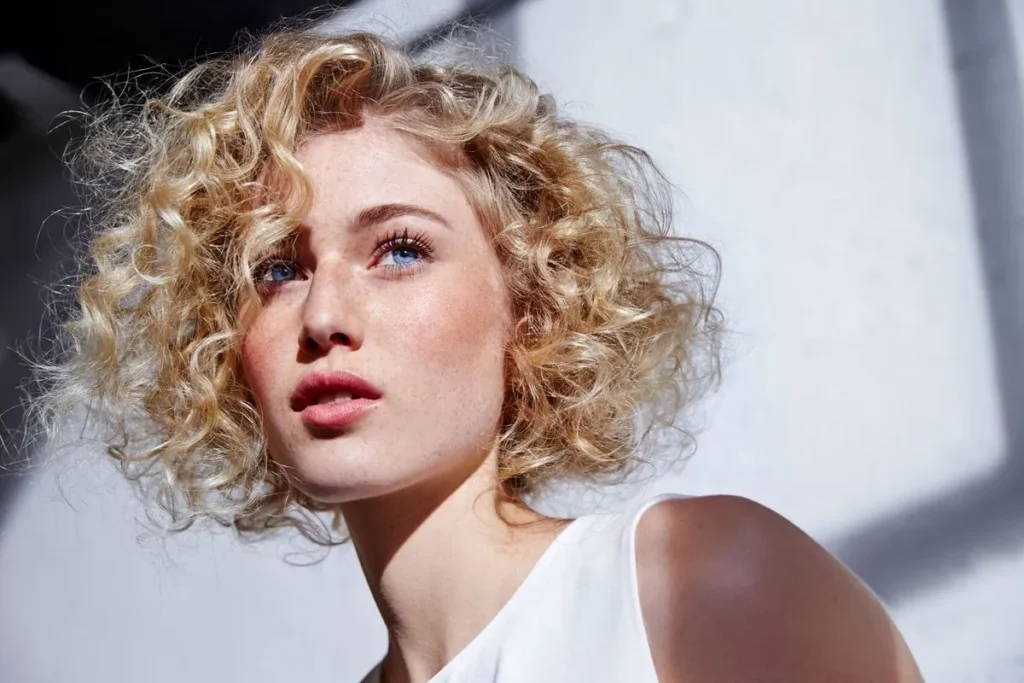
Styling short curls needs the right tools and techniques. Hairstylist Paola Cabiedes says using smaller curling irons and flat irons is key. This helps create salon-quality curls without adding too much volume.
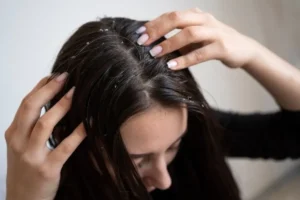
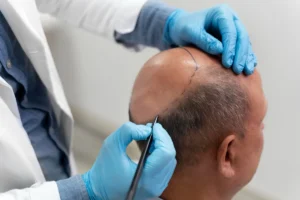
For those with hair loss, like telogen effluvium, styling short curls is tough. It’s important to know how to care for and style your hair during this time.
Key Takeaways
Use smaller curling irons and flat irons to style short curls.
Understand the causes and treatments for telogen effluvium.
Proper hair care is essential for maintaining healthy curls.
Techniques for styling short curls can vary depending on hair type.
Consulting a professional hairstylist can provide personalized guidance.
Understanding Your Short Curly Hair
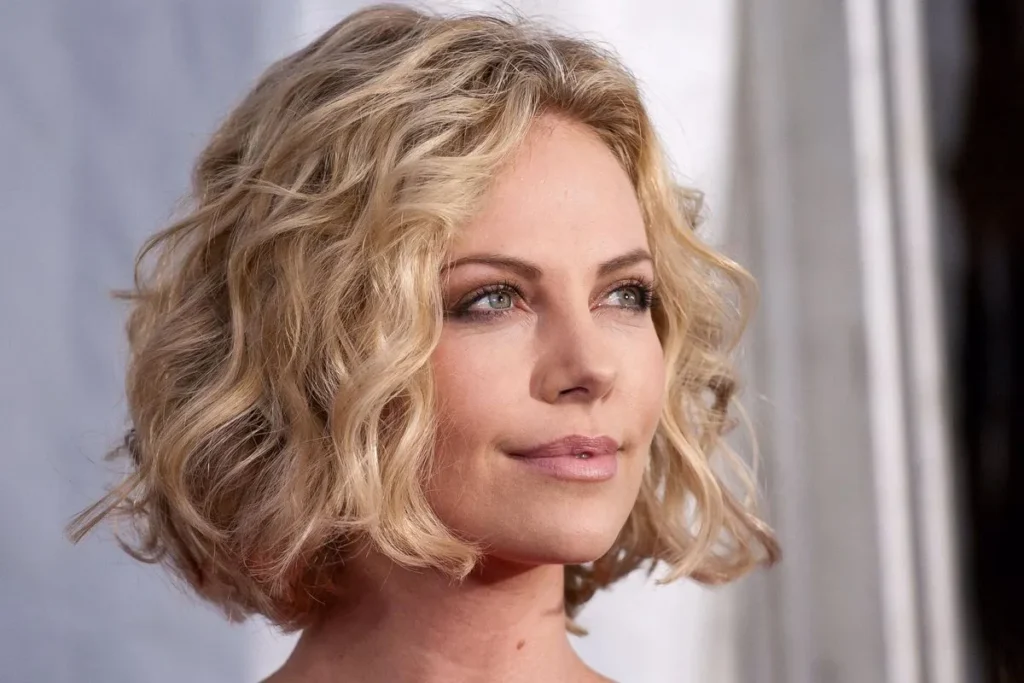
To care for short curly hair, you need to know its special needs. Curly hair has its own set of requirements. Understanding these needs is key to getting healthy, vibrant hair.
Identifying Your Curl Pattern
Curly hair comes in many patterns, from loose waves to tight coils. Knowing your curl pattern is important. It helps you choose the right products and styling methods.
Curl patterns are mainly divided into three types: 2a-2c (wavy), 3a-3c (curly), and 4a-4c (coily). Knowing your pattern helps pick the right products and styling.
Assessing Hair Porosity and Texture
Hair porosity is how well your hair absorbs and holds moisture. It’s key to picking the right products for curly hair. Low porosity hair needs light products, while high porosity hair needs more moisture.
Texture is how thick or thin your hair strands are. Fine hair needs gentle products, while thicker hair can handle richer ones.
Knowing your hair’s porosity and texture helps tailor your care routine. The right sulfate-free shampoo and leave-in conditioner can greatly improve your hair’s health and look.
For those with telogen effluvium, a condition causing excessive hair loss, gentle, nourishing shampoo and careful hair care can help.
Essential Products for Short Curls
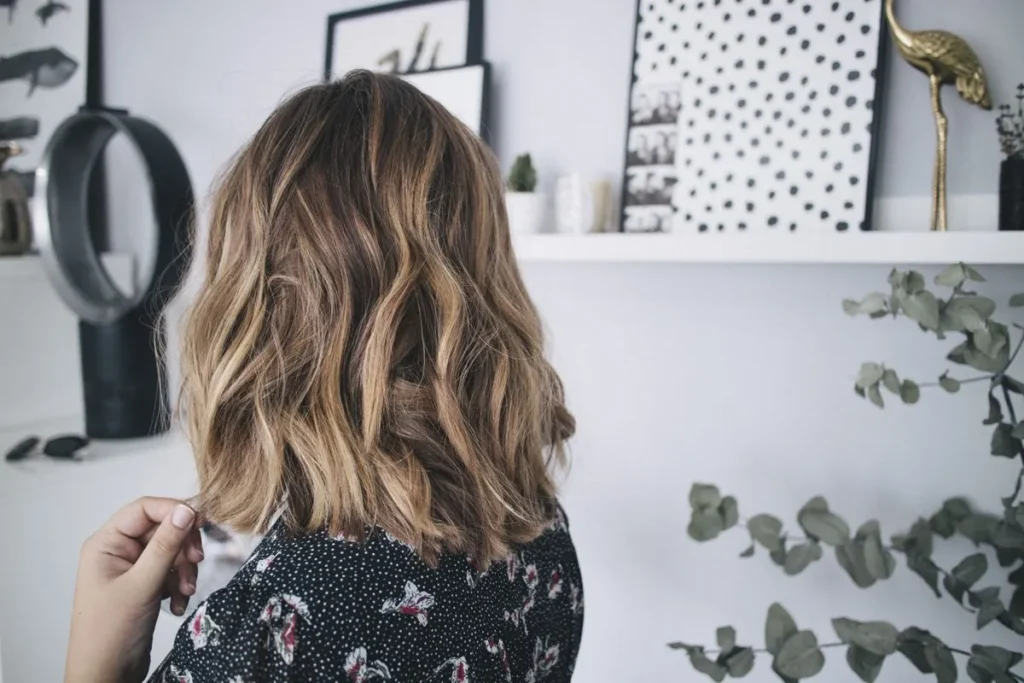
Getting beautiful, bouncy curls starts with the right products. The right items can greatly improve how your curls look and feel.
Cleansers and Conditioners
Choosing the right cleansers and conditioners is key for short curly hair. A sulfate-free shampoo is best as it cleanses gently without taking away natural oils. Janine Jarmon’s Curl Cult products recommend a moisturizing conditioner for hydration.
For those with telogen effluvium, a condition that slows hair growth, a gentle, nourishing shampoo is vital.
When picking a conditioner, think about a leave-in conditioner for extra moisture and definition. Leave-in conditioners help detangle curls and reduce frizz. They are a must-have for short curly hair.
Styling Products for Definition and Hold
Styling products are key for better curl definition and hold. For short curls, a curl activator or a lightweight curl enhancer is great. They define curls without making them heavy.
For more hold, use a curl-defining cream or a light hold styling gel. These keep curls in place all day without making them stiff or flaky.
Tools and Accessories for Curly Hair
The right tools and accessories can make short curly hair look and feel better. Use a microfiber towel or an old t-shirt to gently blot out moisture and reduce frizz. A wide-tooth comb or a detangling brush is best for gently detangling curls, with a leave-in conditioner.
A diffuser attachment for your blow dryer is also useful. It spreads heat evenly, making curls more defined and drying them faster.
Styling Techniques for Short Curls
Choosing the right styling techniques can really enhance short curly hair. You can make curls stand out, reduce frizz, and add shine to your hair.
Wash and Go Method
The wash and go method is a favorite for short curls. It means washing your hair, using a curl product, and letting it air-dry. Janine Jarmon suggests using a wide-tooth comb or a wet brush for gentle detangling.
Use a sulfate-free cleanser for curly hair.
Apply a lot of leave-in conditioner for detangling and moisture.
Use a curl product to define curls and fight frizz.
Let your hair air-dry or use a microfiber towel to blot water.
Finger Coiling and Curl Definition
Finger coiling boosts curl definition. It involves twisting hair around your finger to make tight coils.
Apply a curl activator or styling cream to damp hair.
Twist small hair sections around your finger, from roots to ends.
Release the coil and do it for all your hair.
Let it dry completely before gently separating coils for a fuller look.
Diffusing Short Curly Hair
Diffusing is a smart way to dry curly hair without frizz. It spreads heat evenly and improves curl definition.
Tips for Diffusing:
Use a diffuser attachment on your blow dryer.
Set the dryer to low or medium heat.
Start at the roots and move down to the ends with the diffuser.
Avoid touching the hair with the diffuser to prevent frizz.
Pineappling and Other Protective Styles
Pineappling is a protective style that gathers hair into a high ponytail. It helps keep curls intact and reduces frizz while you sleep.
To pineapple your hair:
Gather your hair into a loose ponytail on top of your head.
Secure with a satin scrunchie or a silk scarf.
In the morning, gently release the ponytail and shake out your curls.
Conclusion
Proper hair care is key for healthy short curls. Knowing your curl pattern and using the right products helps. It also means using effective styling techniques.
The American Academy of Dermatology says hair coloring can damage hair and lead to loss. To avoid this, use gentle, sulfate-free cleansers and conditioners. Also, try to use less heat styling.
If you have telogen effluvium, a condition with too much hair shedding, there are treatments. You can try telogen effluvium treatment at home or use products like Rogaine.
To treat telogen effluvium well, it’s important to know how to do it. Look into options like rogaine for telogen effluvium. With the right hair care and treatment, you can help your hair grow and shed less.
FAQ
What is the best shampoo for telogen effluvium?
Look for gentle, sulfate‑free shampoos formulated for thinning hair with ingredients like biotin, niacin, caffeine, or ketoconazole to support scalp health and reduce breakage.
How do I treat telogen effluvium at home?
Focus on stress management, a balanced diet rich in protein and key nutrients, gentle hair care, and regular scalp massages to support the natural hair growth cycle.
What are the best treatments for telogen effluvium?
Effective treatments include correcting underlying causes (stress, nutrient deficiencies, thyroid issues), gentle hair care, medicated shampoos, and in some cases topical treatments like minoxidil.
How do I reverse telogen effluvium?
Reversing it involves addressing triggers, improving nutrition, reducing stress, and allowing time—hair regrowth typically begins once the cause is corrected.
Can I use minoxidil for telogen effluvium?
Yes, minoxidil can help stimulate hair follicles and improve regrowth but should be used alongside treating the root cause for best results.
How do I care for my curly hair while experiencing telogen effluvium?
Use gentle cleansers, deep conditioning, avoid heat and tight styling, detangle carefully, and maintain moisture to prevent breakage while supporting regrowth.
What are some remedies for telogen effluvium?
Remedies include nutrient‑rich foods or supplements (iron, zinc, biotin, vitamin D), scalp massage, stress reduction, and mild, strengthening hair products.
How is chronic telogen effluvium treated?
Chronic telogen effluvium is treated by identifying and managing ongoing triggers, optimizing nutrition, consistent gentle hair care, and sometimes medical therapies advised by a dermatologist.
References
National Center for Biotechnology Information. Evidence-Based Medical Insight. Retrieved from https://www.ncbi.nlm.nih.gov/books/NBK430848/