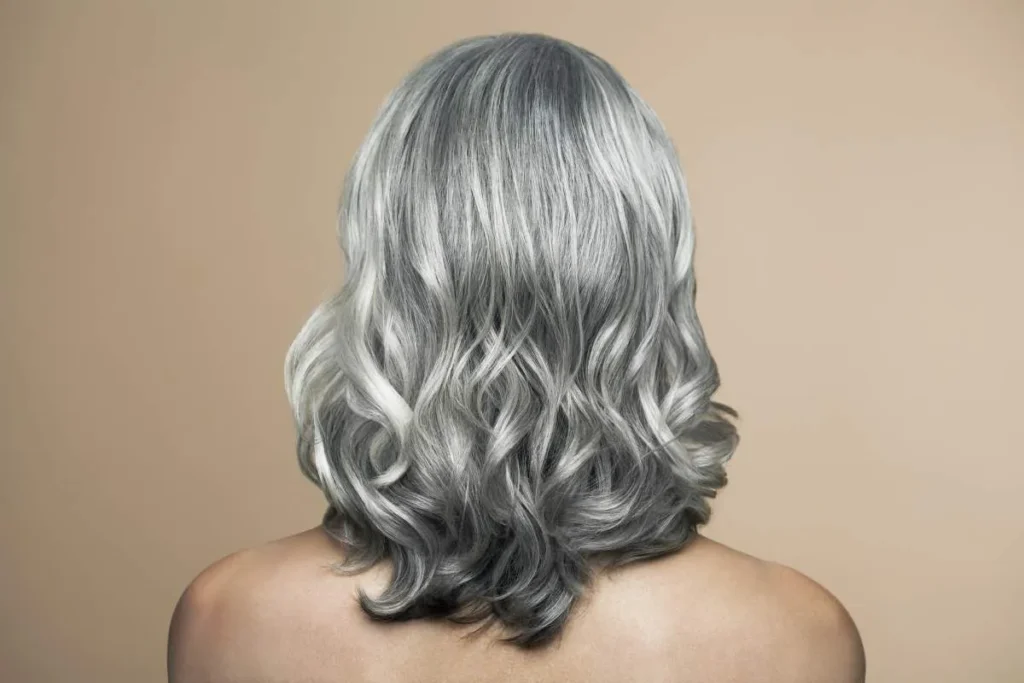
Millions of women worldwide are choosing silver hair color. But, many don’t know the risks. The American Academy of Dermatology says about 75 percent of women dye their hair. Many want a gray color hair dye look.
To get silver hair dye for grey hair, you need to know about skin health and hair dye chemicals. Hair turns gray when it stops making melanin as we age. To get the right shade, you need to lighten your hair first.
It’s important to understand the science behind silver hair color for safe results. This guide will help you through the process. It covers the risks of hair dye, like skin irritation and allergic reactions from ammonia and PPD.
Key Takeaways
Understand the risks associated with hair dye, including irritant contact dermatitis and allergic contact dermatitis.
Pre-lightening is necessary to achieve the desired silver hair color shade.
Choose the right gray color hair dye products for your hair type.
Follow proper techniques to minimize damage and ensure safe results.
Consider consulting a professional for guidance on achieving the perfect light silver hair dye shade.
Understanding Silver Hair Color
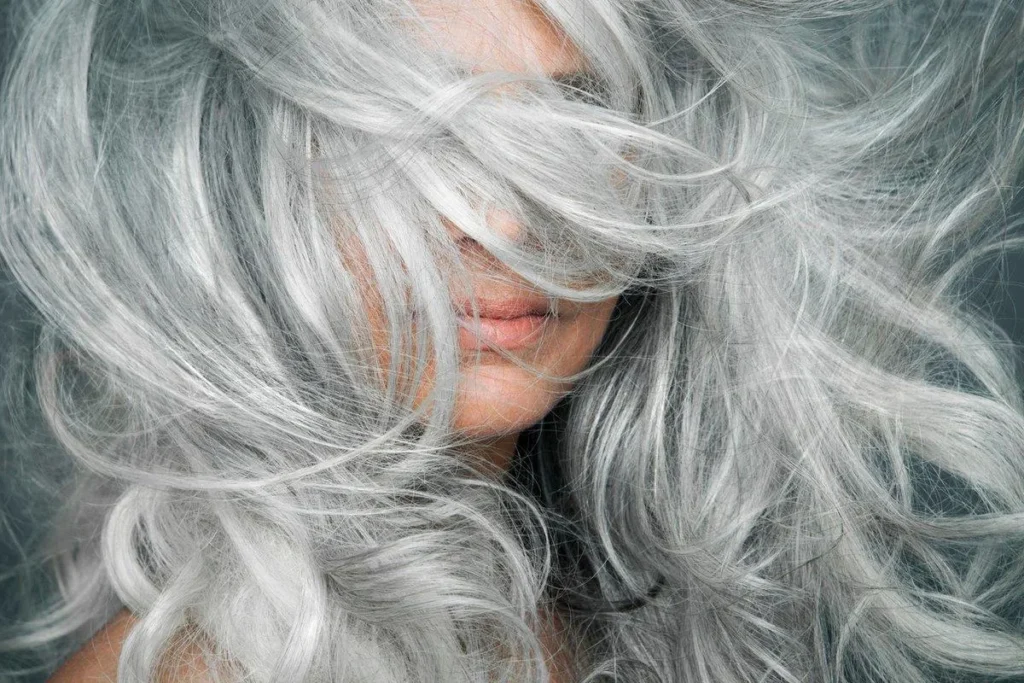
The journey to silver hair starts with knowing the science of gray hair and the need for pre-lightening. Silver hair color is more than a trend; it’s a style needing a deep understanding of hair pigmentation and application techniques.
The Science Behind Gray Hair
Gray hair happens when the hair follicle makes less melanin, the pigment that gives hair its color. As we get older, melanin production goes down, causing hair to turn gray or white. But dyeing hair silver gray aims to get a vibrant, even color that doesn’t happen naturally.
Factors Affecting Gray Hair: The sun, harsh water, heat styling, some medicines, pollution, and product buildup can harm gray hair. They often make it turn yellow or brassy.
Why Pre-Lightening is Essential for Silver Tones
Pre-lightening is key for silver hair color. Silver dye works best on light hair, so pre-lightening or bleaching is needed to remove existing pigment and get the right shade.
Pre-lightening uses bleach or high-lift bleach to remove natural pigment from the hair. This process can be damaging if not done right. It’s important to follow instructions carefully and consider getting professional help if unsure.
Types of Silver Gray Dyes Available
There are many silver gray dyes out there, from semi-permanent to permanent. The type of dye you choose depends on how intense and long-lasting you want the color to be.
Using the right products, like purple shampoo and conditioner, can help keep silver hair looking good and prevent it from turning yellow. The secret to keeping silver hair color is regular touch-ups and proper care.
Preparing Your Hair for Silver Gray Dye
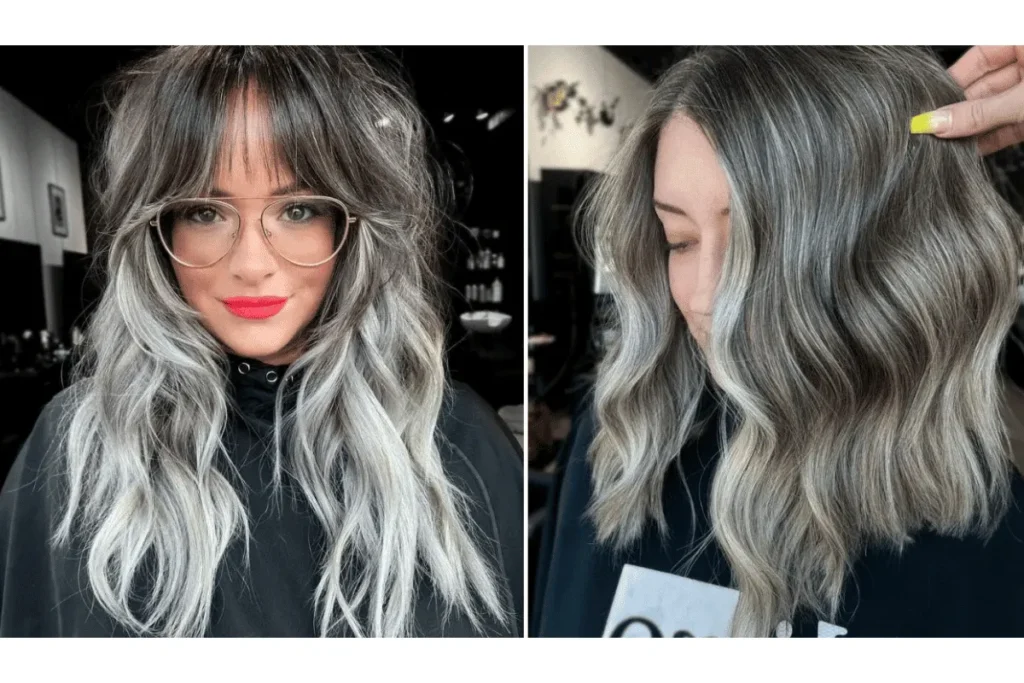
To get the perfect silver gray hair color, you need to prepare well. This means knowing what products to use, how to bleach your hair, and taking safety steps to avoid bad reactions.
Required Materials and Products
To dye your hair silver gray, you’ll need a few important products. First, you’ll need a high-lift bleach or a professional kit to lighten your hair to a pale yellow. Olaplex or Bond Builders are great for repairing and protecting your hair during bleaching. For dyeing, you’ll need a silver gray hair dye. L’Oréal Professionnel Blondifier and Wella Blondor are good choices. You might also need a toner to get the right silver shade.
The Bleaching Process
The bleaching process is key for silver gray hair. You apply bleach to lighten your hair to a pale yellow. This is needed for the silver dye to work well. It’s important to follow the instructions and use a bleach wash or balayage for better results. Remember, bleaching can cause yellow tones if not done right, so watch the processing time closely.
Safety Precautions and Patch Testing
Before dyeing or bleaching, take safety steps. Do a patch test 48 hours before to check for allergies. Wear gloves and make sure the area is well-ventilated. If you feel any irritation, see a professional hairstylist.
By preparing your hair well and following safety steps, you can get a beautiful silver gray hair color that looks healthy and vibrant.
Step-by-Step Silver Gray Dyeing Process
To get the perfect silver gray hair color, you need to follow a detailed process. This guide will show you how to turn your hair into a beautiful silver gray.
Mixing the Silver Dye Properly
First, you must mix the silver dye correctly. Follow the instructions that come with the dye. This usually means mixing the dye with a developer in a 1:1 ratio. But, the exact ratio might change based on the product.
Use a plastic bowl and applicator brush.
Mix until the dye is smooth and consistent.
Some dyes might need a specific mixing ratio.
Application Techniques for Even Coverage
Even application is key for a uniform silver gray color. Divide your hair into parts you can handle. Then, apply the dye from roots to ends.
Divide your hair into four sections.
Apply the dye mixture starting from the roots.
Work your way down to the ends, ensuring saturation.
Processing Time and Proper Rinsing
The processing time is important and can change based on the dye and your hair. Watch the time to avoid over-processing.
Check the dye’s instructions for the recommended time.
Rinse your hair thoroughly with cold water until the water runs clear.
Use a gentle shampoo to cleanse your hair after rinsing out the dye.
Toning for Perfect Silver Results
Toning is key to get the right silver shade. Use purple shampoo and conditioner to keep the silver tone and stop yellowing.
Apply a toner after dyeing to adjust the tone.
Use purple shampoo and conditioner regularly.
Consider a toner touch-up every few weeks.
By following these steps and tips, you can get a stunning silver gray hair color. Remember, keeping your silver hair looking great needs regular touch-ups and the right products.
Maintaining Your Silver Hair Color
Getting silver hair is just the start. Keeping it looking great is a bigger challenge. You need a consistent care routine to keep your silver hair looking its best.
Specialized Products for Silver Hair
Choosing the right products is key for silver hair. Purple shampoo and conditioner are a must. They fight off brassy tones and keep your silver bright. Look for products from Joico and Pravana for the best results.
Preventing Yellowing and Brassiness
Keeping silver hair from turning yellow or brassy is tough. Purple shampoo and conditioner can help a lot. Also, avoid too much heat styling and use a heat protectant to keep your color safe.
Touch-Up Schedule and Techniques
It’s important to keep up with touch-ups for your silver hair. How often you need them depends on how fast your hair grows and its condition. Usually, touching up your roots every 4-6 weeks is best. You can use tinted root concealers or semi-permanent dyes for a natural look.
Dealing with Root Growth
Root growth is a big part of silver hair care. Using ray silver hair dye or root touch-up products can hide the roots until your next salon visit. For a natural look, try balayage or babylights during touch-ups.
By sticking to these tips and a regular care routine, you can keep your silver hair vibrant and healthy. Regular trims, the right products, and timely touch-ups are essential for a great silver hair color.
Conclusion
Getting the perfect silver hair color is not just about the dye. It also needs proper care and maintenance. With the right help, going gray can be very rewarding.
For your silver hair to stay looking great, use special products made for it. Regular toning and touch-ups keep your color bright and prevent unwanted tones. This keeps your silver hair looking vibrant.
Coloring your hair silver grey might seem scary, but with the right tools and methods, you can get amazing results. If you’re looking for a grey hair dye, talking to a professional stylist is a good idea.
By following the advice in this guide, you can have healthy-looking silver hair. Keeping your silver hair looking good takes some work, but it’s worth it.
FAQ
Is there a specific gray hair dye for women?
Yes — many brands make dyes specifically formulated for gray coverage with shades like silver, ash gray, or steel gray designed to blend or fully cover gray hair.
What is the best silver gray dye for gray hair?
Popular silver gray dyes often come from professional lines (e.g., ash or silver tones from permanent or demi‑permanent ranges) that provide even, long‑lasting gray results when applied properly.
How do I prevent yellowing and brassiness in my silver hair?
Use purple or blue toning shampoos and conditioners regularly to neutralize warm tones and keep silver hair looking bright.
Can I dye my hair silver gray without bleaching it?
If your natural hair is light enough (typically pale blonde or light gray), you may skip bleaching, but darker hair usually needs lightening first for silver tones to show accurately.
How often should I touch up my silver gray hair color?
Touch‑ups are usually needed every 4–6 weeks to refresh roots and maintain tone, depending on hair growth and fading.
Are there any safety precautions I should take when dyeing my hair silver gray?
Always do a patch test to check for allergies, follow instructions carefully, and protect skin and clothing — and consider professional help for dramatic color changes.
What are the best products to use for maintaining silver hair?
Use color‑safe shampoos and conditioners, purple toners, heat protectants, and hydrating masks to preserve tone and minimize dryness or fading.
Can I use regular hair dye to achieve silver gray hair?
Regular hair dye may not deliver true silver gray unless it’s specifically formulated in that tone; achieving silver usually requires specialized dyes and often lightened hair as a base.
References
National Center for Biotechnology Information. Evidence-Based Medical Insight. Retrieved from https://pubmed.ncbi.nlm.nih.gov/24123183/