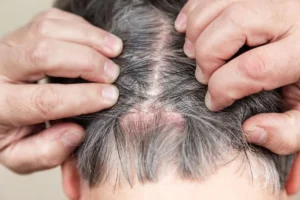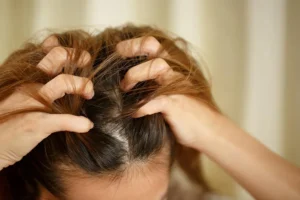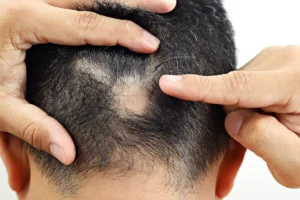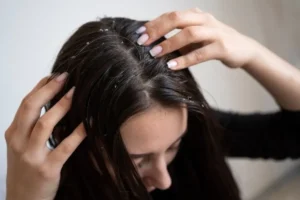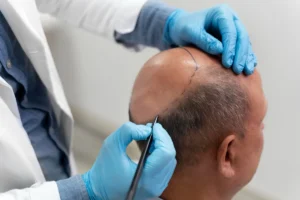
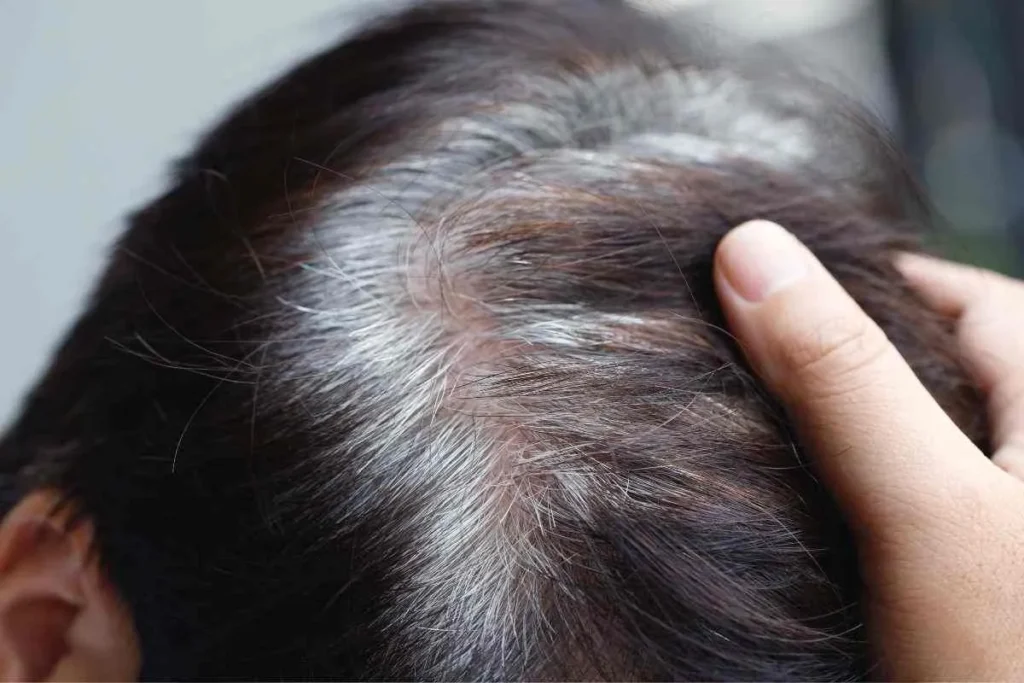
Scalp sores can be very uncomfortable and worrying. They can come from infections, skin problems, or allergies. These sores might be small or could show a bigger health issue that needs a doctor.
Heal sores on scalp with amazing powerful cures. Discover incredible ways to stop scary irritation and achieve incredibly healthy skin today.
Knowing why you have a sore scalp is the first step to fixing it. Issues like psoriasis, contact dermatitis, and head lice can cause these sores. At Gold City Hair, we use the latest science to give you the best care.
Key Takeaways
Scalp sores can result from infections, skin conditions, and allergic reactions.
Proper diagnosis is key to treating them well.
Conditions like psoriasis and contact dermatitis can cause scalp sores.
Understanding the cause is essential for relief.
Getting professional help is wise for ongoing or serious scalp sores.
Understanding Sores on Scalp: Common Causes
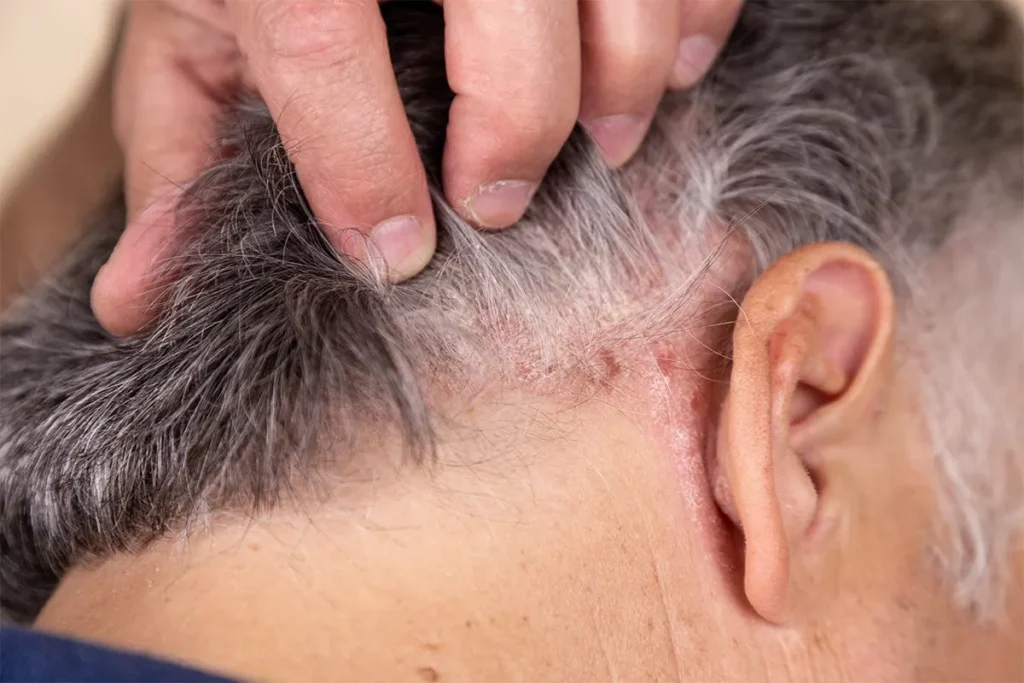
Seeing sores on the scalp can be scary. They can be caused by infections or inflammatory conditions. These sores, also known as sore scalp bumps or scalp ulcers, hurt and worry people. Knowing what causes them is key to finding the right treatment.
Infectious Causes
Infections are a big reason for scalp sores. These can be from bacteria, fungi, or viruses.
Bacterial Infections: Impetigo and folliculitis are examples. About 45 percent of scalp infections are from Staphylococcus aureus.
Fungal Infections: Ringworm is a fungal infection that causes scalp sores. It spreads easily and needs antifungal treatment.
Viral Infections: Herpes simplex virus can also cause painful sores on the scalp.
Inflammatory Skin Conditions
Inflammatory skin conditions also lead to scalp sores.
Psoriasis: This chronic condition causes red, scaly patches on the scalp. These can sometimes be sore.
Seborrheic Dermatitis: This affects about 5 percent of adults. It causes scalp sores, leading to discomfort and flaking skin.
Other Common Causes
Other things can also cause scalp sores, aside from infections and inflammatory conditions.
Head Lice: Infestations cause intense itching. Excessive scratching can lead to sores.
Cysts: Scalp cysts can get inflamed or infected. This results in sores.
How to Treat Sores on Scalp Effectively
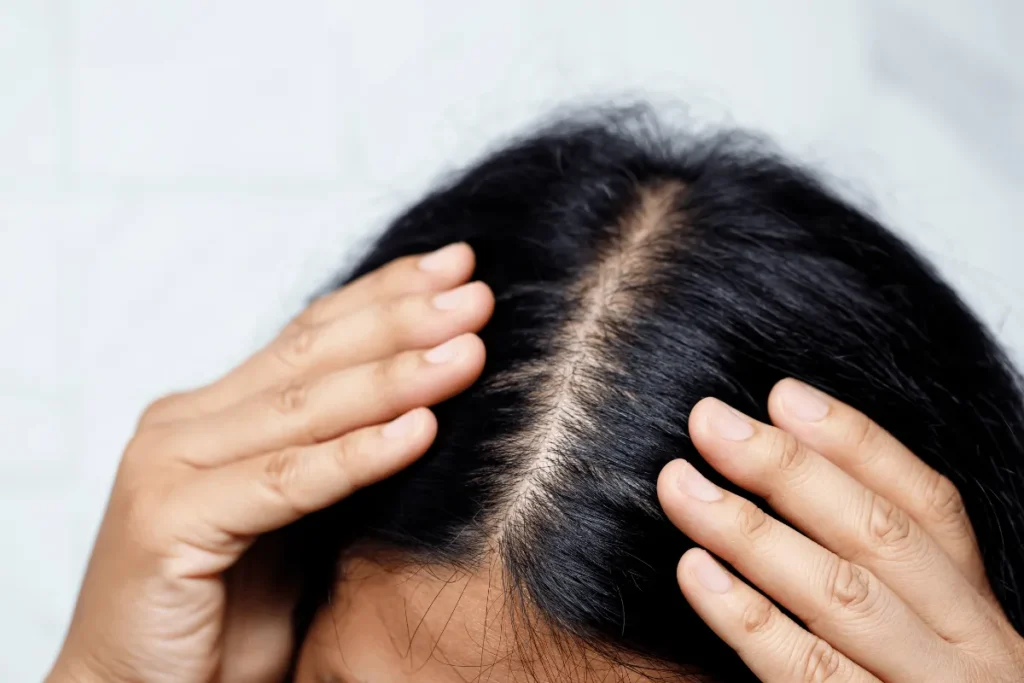
To treat sores on the scalp, knowing the cause is key. First, you need to figure out what’s causing them. This is the first step to healing and stopping them from coming back.
Medical Treatments
Medical treatments for scalp sores depend on the cause. For bacterial infections, antibiotics are often needed. Fungal infections might need antifungal medications. For inflammatory conditions, medicated shampoos with ketoconazole or coal tar can help.
Home Remedies and Self-Care
Home remedies can also help. Aloe vera soothes and reduces inflammation. Tea tree oil, with its antifungal and antibacterial properties, can treat sores when mixed with a carrier oil.
Preventive Measures
To prevent scalp sores, keep your scalp clean and avoid irritants. Wash your hair with a gentle shampoo regularly. Also, don’t share personal care items and try to manage stress, as it can make skin conditions worse.
Understanding the cause of scalp sores and using the right treatment can help manage symptoms. It also prevents them from coming back.
Conclusion: When to Seek Medical Help
If you have sores on your scalp that don’t go away or keep coming back, see a doctor. It’s important to get help if your scalp sores are persistent or severe.
Scalp sores that itch or are round can be really annoying. If you see blisters on your head or wonder why you get sores, a doctor can help. They can figure out what’s wrong and suggest the right treatment.
If you think your scalp sores might be infected, get medical help right away. A doctor can check your condition and tell you how to treat it. This can help prevent worse problems and help your sores heal faster.
FAQ
What are the common causes of sores on the scalp?
Scalp sores can be caused by infections (bacterial or fungal), psoriasis, seborrheic dermatitis, allergic reactions, excessive scratching, head lice, or clogged hair follicles (folliculitis).
How do I know if my scalp sores are caused by an infection?
Signs of infection include redness, warmth, swelling, pus, pain, crusting, fever, or sores that worsen instead of healing.
Can scalp sores be a sign of a more serious condition?
Yes, persistent or unusual sores may indicate autoimmune disorders, severe infections, or skin cancer, though most causes are minor and treatable.
How can I treat sores on my scalp at home?
Keep the scalp clean, avoid scratching, use gentle or medicated shampoos, apply warm compresses, and use over-the-counter antiseptic or soothing treatments if appropriate.
When should I seek medical help for sores on my scalp?
Consult a doctor if sores are painful, spreading, filled with pus, accompanied by fever, or not improving after a week of home care.
Can head lice cause sores on the scalp?
Yes, head lice can cause intense itching that leads to scratching and open sores, increasing the risk of secondary infection.
How can I prevent future scalp sores?
Maintain good scalp hygiene, avoid sharing personal items, treat underlying scalp conditions promptly, and minimize harsh hair products or tight hairstyles.
Are scalp sores contagious?
Some causes, like fungal infections or lice, are contagious, while others such as psoriasis or allergic reactions are not.
Can I treat scalp sores with over-the-counter medications?
Yes, mild cases can often be treated with OTC antifungal, antibacterial, or anti-inflammatory products, but persistent or severe sores require medical evaluation.
References
JAMA Network. Evidence-Based Medical Insight. Retrieved from https://jamanetwork.com/journals/jamadermatology/fullarticle/2835458