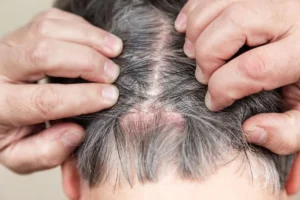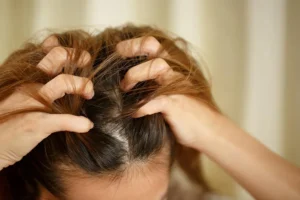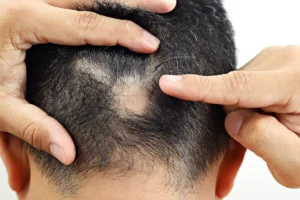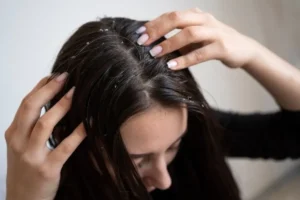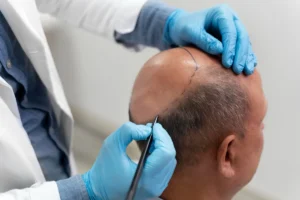
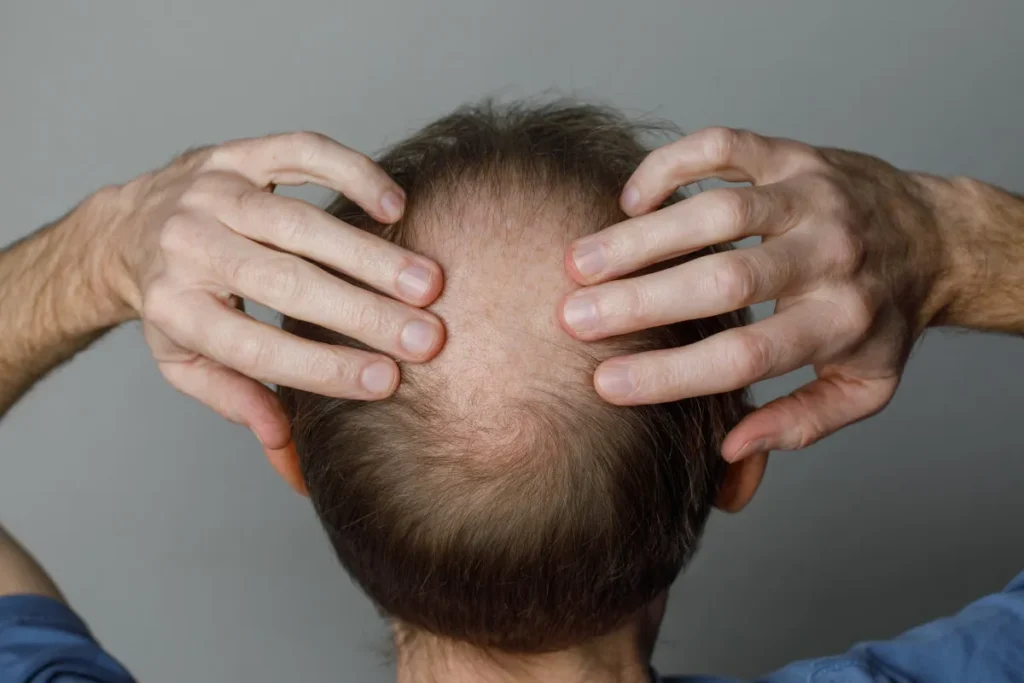
Temple alopecia, also known as androgenetic alopecia or male pattern baldness when affecting men, is a common hair loss issue today. Many men first notice they’re losing hair when it starts receding at the temples.
A receding hairline is one of the first signs of male pattern baldness, the most common type of hair loss worldwide. Understanding the condition and its causes is key to finding effective treatments. Temple alopecia is a big concern for both men and women, causing noticeable hair thinning or loss around the temples.
Key Takeaways
Temple alopecia is a common form of hair loss affecting both men and women.
A receding hairline is often the first sign of male pattern baldness.
Early recognition and intervention are critical for the best results.
Personalized treatment approaches can effectively address hair loss.
Compassionate, multidisciplinary care is essential for treating temple alopecia.
Understanding Temple Alopecia
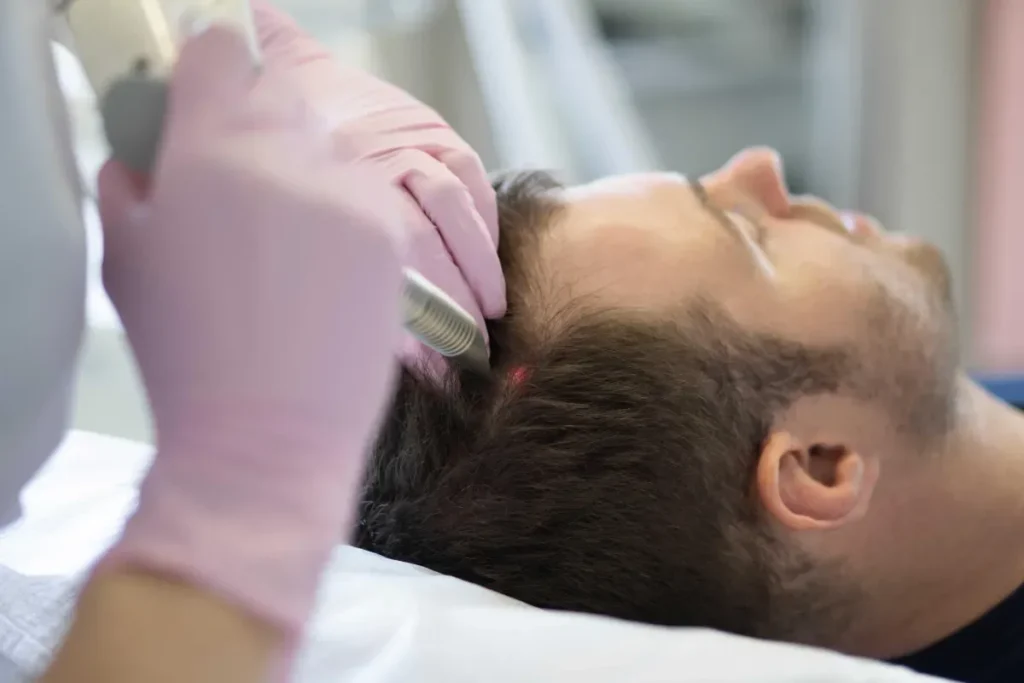
Temple alopecia is a condition where hair falls out at the temples. It can be upsetting and hard to treat. This condition affects the scalp’s temples.
What Is Temple Alopecia
Temple alopecia is hair loss at the temples. It’s linked to androgenetic alopecia. This is caused by genetics and a hormone called DHT.
The temples’ hair follicles are very sensitive to DHT. This leads to hair thinning over time.
Common Causes of Temple Hair Loss
The main reason for temple alopecia is androgenetic alopecia. It affects many men by age 50. Studies show 25% of men start losing hair before 21.
Testosterone turns into DHT, which harms hair follicles. This makes hair thinner and shorter.
Stress, certain hairstyles, and scalp issues can also cause losing hair at temples. But genetics and hormones are the biggest factors.
Signs and Progression
The signs of temple alopecia vary. It usually means hair thinning at the temples. In some cases, it can lead to noticeable balding.
The condition can progress slowly or quickly. Early action can help manage it. Recognizing hair loss on temples early is key to finding treatments.
Medical Treatments for Temple Alopecia
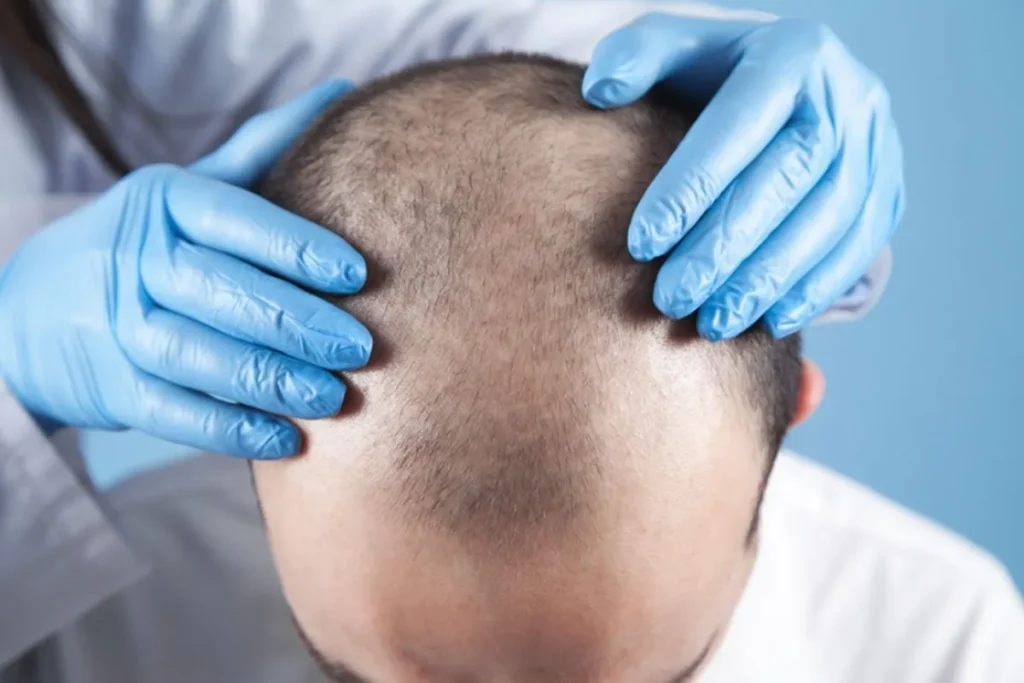
Medical treatments can help those with hair thinning at the temples. They aim to grow back hair and stop more loss.
Topical Medications
Topical medications are often the first choice for temple alopecia. Minoxidil is a popular treatment applied twice daily. It helps prevent hair loss and grow new hair by improving scalp blood flow.
Application and Efficacy: Results start to show in a few months. For the best results, keep using it.
Oral Medications
Oral medications are used for some cases of temple alopecia. They work from inside to fix hair loss causes. Finasteride is used for male pattern baldness, including temples. It blocks a hormone that causes hair loss.
Considerations: Oral meds can have side effects. Always talk to a doctor before starting.
Advanced Medical Procedures
For severe temple alopecia, advanced procedures are an option. Hair transplantation moves healthy hair to bald spots. It’s a lasting fix.
Procedure Details: It’s done under local anesthesia and might need several sessions. The transplanted hair grows naturally, lasting long-term.
Those with temple hair thinning should see a doctor for the right treatment. Medical options can help find a solution for hair loss.
Natural Remedies and Lifestyle Changes
Temple alopecia can be tackled with dietary changes, scalp care, and stress management. A holistic approach can prevent further hair loss and encourage regrowth.
Nutritional Approaches
A well-balanced diet is key for healthy hair. Foods rich in omega-3 fatty acids, zinc, and iron support hair growth. Adding salmon, spinach, and almonds to your diet can provide essential nutrients.
As Medical Expert, a dermatologist, notes, “A diet lacking essential nutrients can worsen hair loss. Ensuring adequate intake of vitamins and minerals is a simple yet effective step towards mitigating temple alopecia.”
Scalp Care Techniques
Proper scalp care is vital for hair growth. Regular scalp massages increase blood flow, reducing stress and promoting hair regrowth. Using gentle, sulfate-free shampoos and avoiding excessive heat styling can also help.
Massage your scalp gently with your fingertips for 5 minutes daily.
Use a wide-tooth comb to minimize hair breakage.
Avoid hairstyles that pull tightly on the hair, such as tight ponytails or braids.
Stress Management and Prevention
High stress levels are linked to hair loss, including temple alopecia. Engaging in mindfulness practices like meditation, yoga, or deep breathing exercises can help manage stress. Regular exercise and adequate sleep are also key for overall health and hair well-being.
— Medical Expert, Trichologist
Combining nutritional approaches, scalp care techniques, and stress management can help address hair loss in temples. Making these lifestyle changes can lead to healthier, fuller hair over time.
Conclusion
Temple baldness can really affect how you feel about yourself. It’s important to know why and how to spot it early. This can help you deal with it better.
Getting help early can make a big difference. Doctors at places like Dermatology Associates of Georgia can offer tailored plans. These plans help manage and even reverse hair loss at the temples.
Combining medical treatments with natural remedies is a good start. It’s a step towards growing your hair back and feeling better about yourself. Understanding temple alopecia is key to managing it well.
Getting professional advice is a must for temple hair loss. The right treatment can help you regain a fuller head of hair. It’s all about finding the right approach and sticking to it.
FAQ
What is temple alopecia?
Temple alopecia is hair thinning or loss specifically around the temples, often affecting the hairline and sides of the forehead.
What causes temple hair loss?
It can be caused by genetics (male or female pattern baldness), hormonal changes, aging, traction from hairstyles, or medical conditions.
How can I treat temple alopecia?
Treatments include topical minoxidil, addressing underlying health issues, gentle hair care, and in some cases, hair transplant procedures.
Are there any natural remedies for temple hair loss?
Natural options like scalp massage, essential oils (rosemary, peppermint), and a nutrient-rich diet may support hair health, but results are generally limited.
Can hairstyles contribute to temple hair loss?
Yes, tight hairstyles like ponytails, braids, or extensions can cause traction alopecia, leading to hair loss at the temples.
Is temple alopecia a sign of an underlying medical condition?
Sometimes, it may indicate hormonal imbalance, thyroid issues, or autoimmune conditions, especially if hair loss is sudden or patchy.
Can temple hair loss be reversed?
Partial regrowth is possible if treated early, especially with minoxidil or by removing causes like tight hairstyles, but long-term or genetic loss may be permanent.
How can I prevent temple alopecia?
Avoid excessive tension on hair, maintain a healthy diet, use gentle hair care, and treat underlying medical or hormonal issues promptly.
What is the role of DHT in temple hair loss?
DHT, a potent androgen, can shrink hair follicles in genetically sensitive areas, causing thinning and recession at the temples.
Are there any effective treatments for hair thinning at the temples?
Topical minoxidil, low-level laser therapy, PRP injections, and addressing nutritional or hormonal factors can be effective in slowing or reversing thinning.
Can losing hair around temples be a sign of balding?
Yes, recession at the temples is often an early sign of male or female pattern baldness.
References
https://www.google.com/url?sa=t&source=web&rct=j&opi=89978449&url=https://www.ncbi.nlm.nih.gov/books/NBK278957/&ved=2ahUKEwi5mpq9pJSTAxUpgv0HHSuUBeYQFnoECB0QAQ&usg=AOvVaw3KLGmoVJ0tVj6riX8klIIz