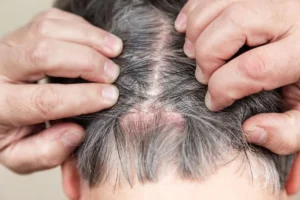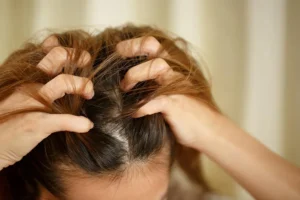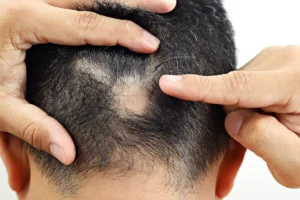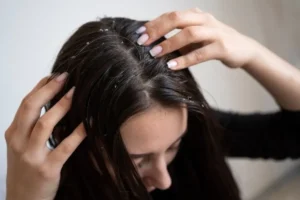
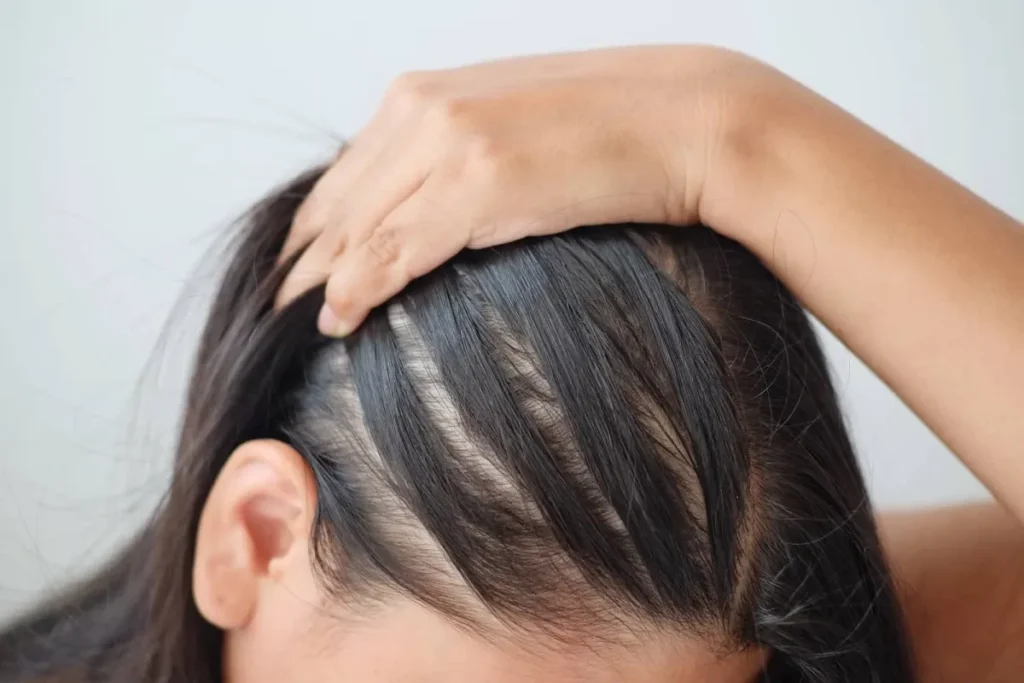
Hair loss at the crown of the head worries many women. It affects their confidence and well-being. Female pattern hair loss is common, hitting about 30% of women by 50.
Fix a thinning crown with an amazing fast growth win. Use powerful, incredible secrets to stop scary hair loss and achieve amazing volume.
This issue comes from hormonal changes, genetics, and lifestyle choices. Knowing the reasons is key to finding the right treatment.
Acting early is vital to fight crown thinning. By looking into proven ways and understanding the causes, women can take back control of their hair.
Key Takeaways
Female pattern hair loss affects a significant percentage of women by age 50.
Hormonal changes, genetics, and lifestyle factors contribute to hair loss.
Understanding the causes is essential for effective treatment.
Early intervention is vital for addressing crown thinning.
Many treatment options are available to help regain hair health.
Understanding Female Thinning Crown
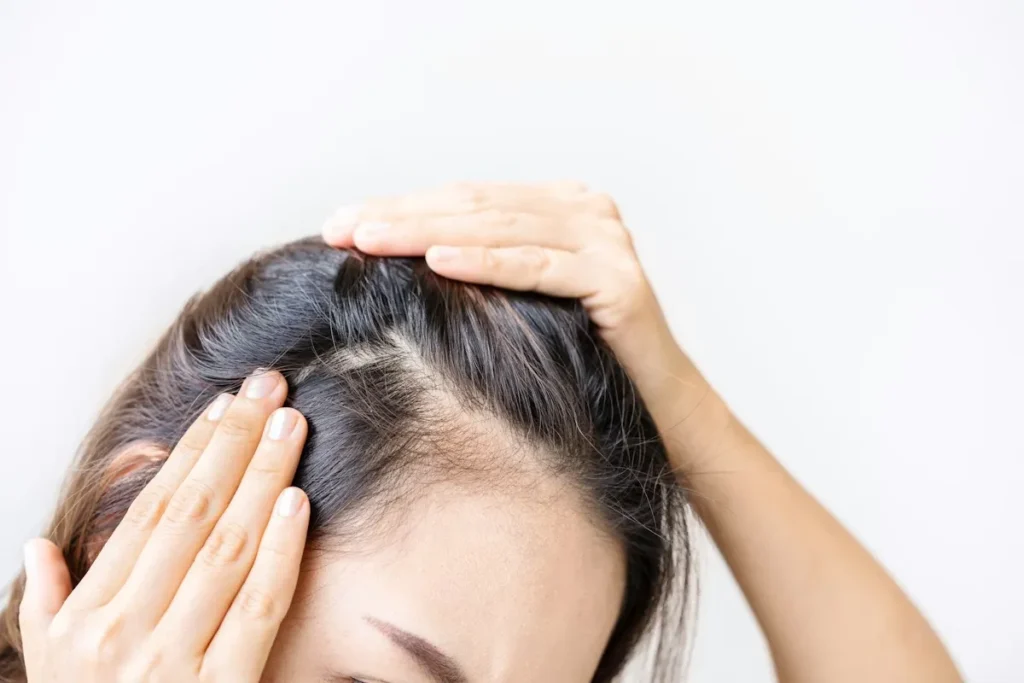
Hair thinning at the crown in females is a complex issue. It’s caused by genetics, hormones, and lifestyle. Knowing these factors helps in finding the right solution.
Common Causes of Crown Hair Loss in Women
Female pattern hair loss, or androgenetic alopecia, is a main reason for thinning hair at the crown. Hormonal changes, like those involving androgens, can cause hair loss. Also, medical conditions like thyroid disorders and autoimmune diseases can lead to hair loss at the crown.
Key factors contributing to crown hair loss in women include:
Genetic predisposition
Hormonal fluctuations
Medical conditions like thyroid disorders
Androgenetic alopecia
How Female Pattern Hair Loss Differs from Male Baldness
Men and women both experience pattern hair loss, but it shows differently. Women tend to have thinning hair across the crown, not a receding hairline like men.
The difference is key for diagnosis and treatment planning. Knowing that female pattern hair loss doesn’t lead to complete baldness helps set realistic treatment goals.
Why Early Intervention Matters
Starting treatment early is vital for managing hair loss. The sooner you start, the better chance you have to stop more hair loss and even grow new hair.
Benefits of early intervention include:
Reducing the risk of significant hair loss
Improving the effectiveness of treatments
Enhancing overall scalp health
Diagnosing and Treating Crown Hair Thinning

To tackle hair thinning on the crown, starting with a proper diagnosis is key. Finding out why hair is thinning means looking at all possible causes. This helps in understanding the problem better.
Professional Evaluation and Diagnosis
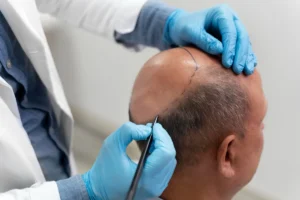
Getting a professional to check your hair thinning is essential. They will first ask about your medical history and do a physical check-up. Blood tests are then done to see if you’re lacking nutrients or have hormonal issues.
At times, a scalp biopsy is needed. This lets experts closely look at your scalp. It helps find out if there’s a scalp problem causing the thinning.
Medical Treatments: Minoxidil and Laser Therapy
After figuring out the cause, treatments can be chosen. Minoxidil is a common treatment that helps hair grow and slows loss. It’s available without a prescription or by one, depending on the strength.
Laser therapy is another option. It uses low-level lasers or LEDs to help hair grow. It’s thought to improve blood flow to the scalp, boosting hair follicles.
Nutritional Supplements for Healthier Hair
Supplements are important for healthier hair. Biotin, vitamin D, and iron are key nutrients for hair growth. Getting enough of these can help keep your hair healthy and reduce thinning.
Addressing Underlying Health Conditions
Sometimes, hair thinning on the crown is a sign of a bigger health issue. Problems like thyroid disorders, autoimmune diseases, and hormonal imbalances can lead to hair loss. Treating these conditions is key to stopping hair thinning.
By tackling the root cause and using a full treatment plan, you can help your hair grow back. This also helps prevent more hair loss.
Conclusion: Creating Your Crown Thinning Prevention Plan
Understanding why hair thins at the crown is key for women facing crown balding female issues. Recognizing the signs of women’s hair thinning at crown helps take action early. This can prevent more hair loss.
Eating well, managing stress, and acting quickly are important for hair health. These steps help lower the chance of female hair loss crown. By doing these things, women can control crown thinning hair and keep their hair healthy.
Creating a plan for prevention means tackling health issues, using treatments like minoxidil and laser therapy, and adding supplements. A complete approach helps women avoid big hair thinning at crown women problems. It keeps their hair looking full and healthy.
FAQ
What causes hair thinning at the crown in women?
Hair thinning at the crown in women is most commonly caused by female pattern hair loss (androgenetic alopecia), hormonal changes, aging, stress, nutritional deficiencies, or certain medical conditions.
How does female pattern hair loss differ from male baldness?
Female pattern hair loss typically causes diffuse thinning at the crown with a widening part, while male baldness often leads to a receding hairline and distinct bald spots.
What are the available treatments for crown hair thinning?
Common treatments include topical minoxidil, oral medications, low-level laser therapy, platelet-rich plasma (PRP), and in some cases, hair transplant procedures.
How can I prevent further hair loss at the crown?
Maintaining a balanced diet, managing stress, avoiding harsh hairstyles, and seeking early treatment can help slow or prevent further hair thinning.
Is thinning hair on the crown a sign of a serious health condition?
In most cases it is genetic or hormonal, but sometimes it may signal thyroid disorders, anemia, or other underlying health issues that require medical evaluation.
Can female balding at the crown be treated with minoxidil?
Yes, topical minoxidil is FDA-approved for women and can help slow hair loss and stimulate regrowth when used consistently.
How effective is laser therapy for treating hair thinning at the crown?
Low-level laser therapy may improve hair density and thickness in some women, though results vary and consistent use is required.
What nutritional supplements can help promote hair growth?
Supplements containing biotin, iron (if deficient), vitamin D, zinc, and protein may support healthy hair growth when deficiencies are present.
References
National Center for Biotechnology Information. Evidence-Based Medical Insight. Retrieved from https://pmc.ncbi.nlm.nih.gov/articles/PMC2684510/[2