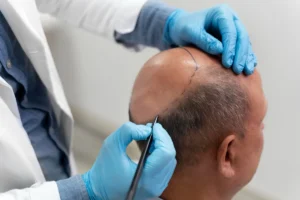
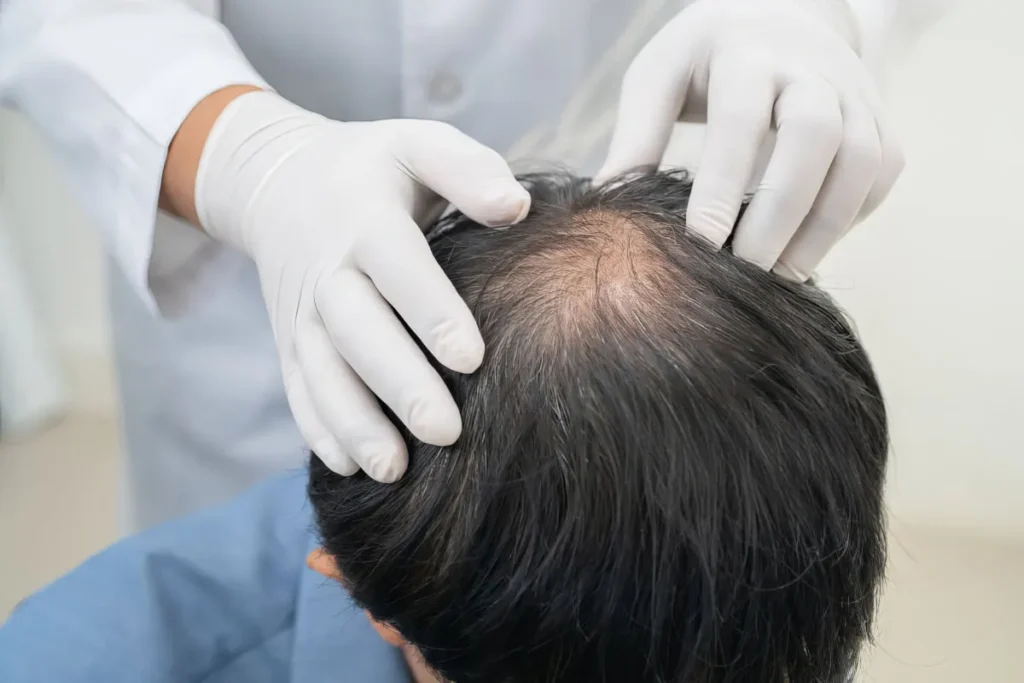
Traction alopecia is a type of hair loss. It happens when hair follicles are pulled on constantly. This usually occurs because of certain hairstyles.
People who wear tight hairstyles like braids, cornrows, ponytails, and buns are at risk. Early recognition and intervention are key to avoid permanent damage.
Knowing the causes and risk factors is vital for prevention and treatment. This guide will show you how to treat traction alopecia. It will also help you prevent it and keep your hair healthy.
Key Takeaways
Hair loss from tight hairstyles is a preventable condition.
Early intervention is critical to halt permanent hair damage.
Understanding the causes is essential for prevention and treatment.
Proper prevention strategies can preserve hair health and scalp integrity.
Traction alopecia treatment involves changing hairstyling practices.
Understanding Traction Alopecia and Who It Affects
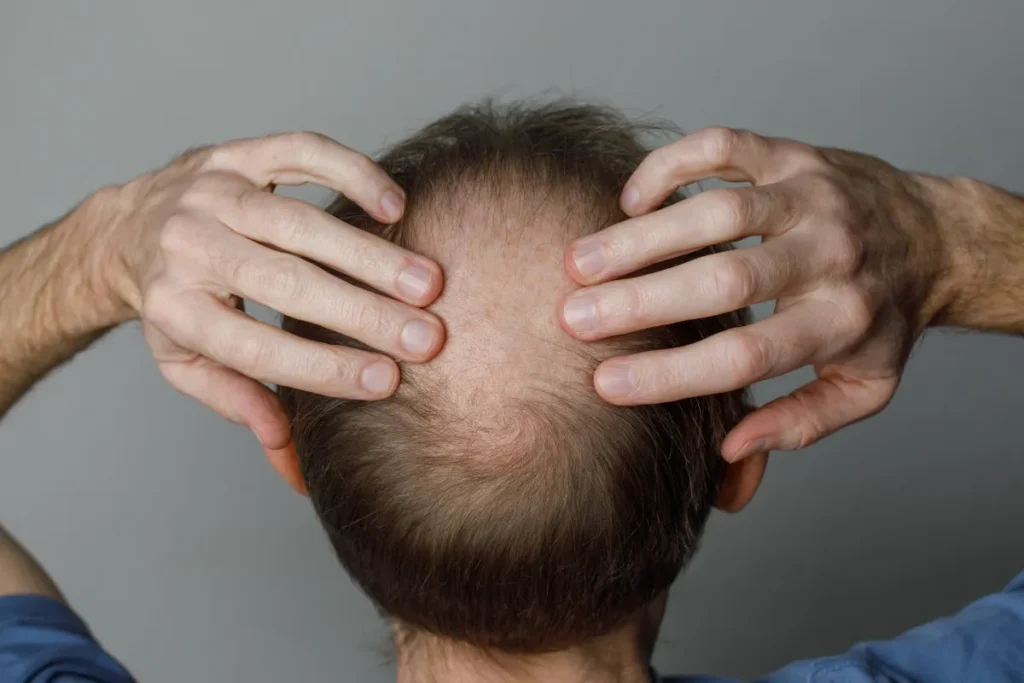
Traction alopecia mainly hits women, causing hair loss from constant tension. It’s not just about looks; it shows hair follicle stress.
What Causes Traction Alopecia
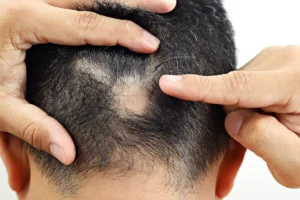
Styles that pull too hard on hair follicles cause traction alopecia. Tight braids, ponytails, and buns are big offenders. This pulling can lead to inflammation and scarring, and might cause permanent hair loss.
Using hair extensions and styling with too much heat also play a part. It’s important to watch out for these to avoid hair damage.
Prevalence Across Different Populations
Research shows traction alopecia affects both kids and adults, with some groups seeing a lot of it. Up to 31.7% of adult women in some groups show signs of traction alopecia.
It’s not just one ethnic group; it depends on hair styles. Hairstyles common in some cultures might raise the risk of traction alopecia.
Early Warning Signs to Watch For
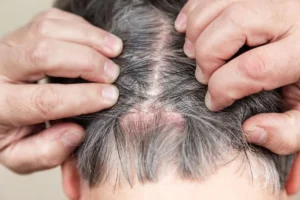
Spotting traction alopecia early is key to managing it. Look out for perifollicular erythema (redness around hair follicles), hair breakage, and thinning, mainly at the hairline or where tension is high.
Knowing these signs lets people act fast. They can change their hair styles or get professional help to lessen the condition’s effects.
Hairstyles and Practices That Lead to Traction Alopecia
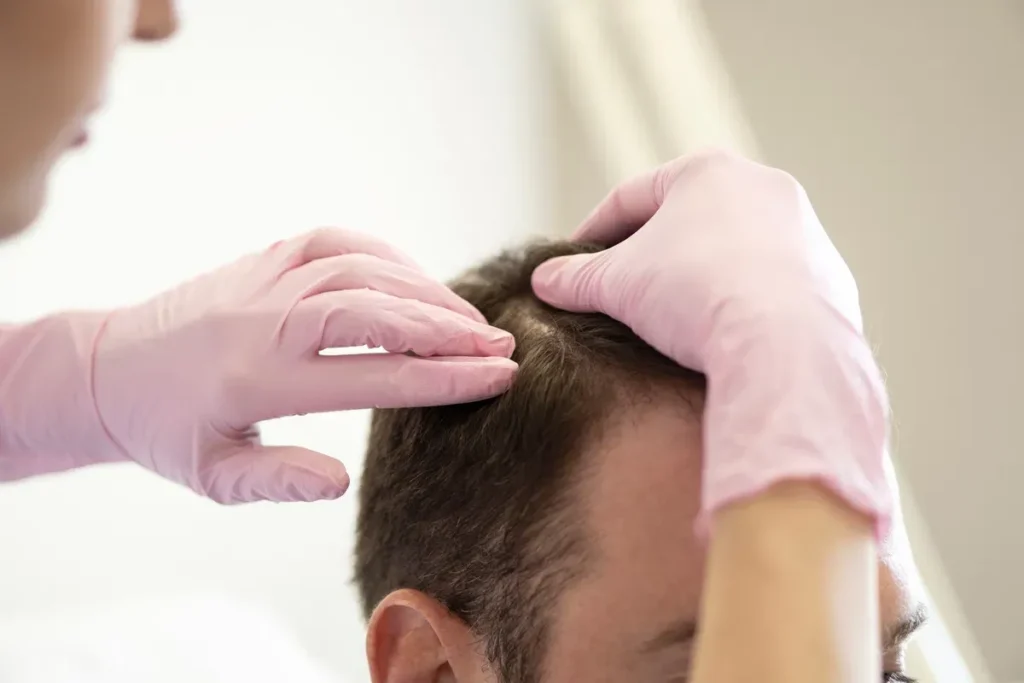
Many hairstyling practices can lead to traction alopecia. This is a hair loss caused by constant pulling on the hair follicles. It can happen due to different hairstyles and daily hair care habits.
High-Risk Hairstyling Methods
Some hairstyles are more likely to cause traction alopecia. These include:
Tight braids and cornrows, which can cause traction alopecia from braids if worn for extended periods.
Dreadlocks, which can be heavy or pulled tight, leading to traction alopecia dreadlocks.
Ponytails and buns that are pulled back tightly, causing tension on the hairline.
These hairstyles can lead to hair loss, mainly along the hairline. This is because they pull on the hair follicles constantly.
Daily Hair Care Habits That Cause Damage
Daily hair care habits can also lead to traction alopecia. Hair extensions, for example, can put tension on the hair follicles. This is true if they are applied too tightly or left in for too long. Tight headbands or hair ties can also cause hair loss.
To avoid traction alopecia, it’s important to be careful with these habits. Choose looser hairstyles and use gentler hair care products. Also, be cautious with hair extensions and accessories to reduce tension on the hair.
Effective Traction Alopecia Treatment Options
To treat traction alopecia, a detailed plan is needed. It should cover both quick fixes and long-term hair care. This condition, caused by hair pulling, can be managed well with the right steps.
Immediate Steps for Hair Recovery
Stop the hairstyles or practices that pull your hair. This stops more damage to your hair follicles right away.
Adopt gentle hair care practices to minimize additional stress on the hair.
Use mild shampoo and conditioner suitable for your hair type.
Avoid using heat styling tools or harsh chemical treatments.
Medical Interventions and Therapies
For serious cases, medical help might be needed. This could include:
Natural and At-Home Remedies
There are also natural ways to help your hair grow back. These include:
Coconut oil and castor oil treatments to nourish the scalp.
A balanced diet rich in vitamins and minerals that promote hair health.
Reducing stress through meditation or yoga, as stress can exacerbate hair loss.
By using these methods together, you can treat traction alopecia and help your hair grow back. Being patient and sticking to your treatment plan is key.
Prevention Strategies and Recovery Timeline
To prevent traction alopecia, avoid tight hairstyles that cause hair loss. Use gentle hair care to reduce tension on follicles. This helps lower the risk of baldness on the scalp.
If you already have traction alopecia, act fast. A cure is possible with early treatment. Changing your hairstyle and using gentle products can help reverse hair loss.
But, if you don’t treat it, hair loss can become permanent. This shows why prevention and early treatment are key. Knowing the causes and taking action can help recover hair and stop more loss.
How long it takes to recover depends on the condition’s severity and treatment success. With the right care, you can see a lot of hair recovery and avoid more damage.
FAQ
What is traction alopecia?
Traction alopecia is hair loss caused by prolonged tension or pulling on the hair, often from tight hairstyles like braids, ponytails, or extensions.
Is traction alopecia permanent?
It can be permanent if the hair follicles are severely damaged, but early-stage traction alopecia is often reversible.
What are the early warning signs of traction alopecia?
Signs include scalp tenderness, itching, small bumps, receding hairline, and gradual thinning at areas under tension.
Can men get traction alopecia?
Yes, men can develop traction alopecia, especially from tight hairstyles, hats, or frequent hair styling that pulls the hair.
How can I prevent traction alopecia?
Avoid tight hairstyles, reduce chemical or heat treatments, alternate hair styles, and give your scalp regular breaks.
What are the treatment options for traction alopecia?
Early cases may improve with gentle hair care, stopping damaging hairstyles, and topical treatments; advanced cases may require hair transplant.
Can I still wear braids or ponytails if I have traction alopecia?
It’s best to avoid tight styles; if you do wear them, keep them loose and give your hair rest periods to prevent further damage.
How long does it take to recover from traction alopecia?
Recovery varies; mild cases may improve in a few months, while severe damage may take longer or be permanent.
Is there a cure for traction alopecia?
There is no guaranteed cure, but early intervention and proper hair care can reverse hair loss in many cases; severe follicle damage may require surgical treatment.
Can tension alopecia be treated with natural remedies?
Natural remedies like scalp massage, essential oils, and a nutrient-rich diet may support regrowth, but stopping tension is essential for improvement.
References
National Center for Biotechnology Information. Evidence-Based Medical Insight. Retrieved from https://pmc.ncbi.nlm.nih.gov/articles/PMC8530059/