Seborrheic dermatitis is a common skin condition that affects millions worldwide. It causes an itchy rash with flaky scales, mainly on the scalp.
This condition can really affect your quality of life. Symptoms can range from mild to severe. At Gold City Hair, we know how complex seborrheic dermatitis is. We also know how important it is to find effective scalp dermatitis remedies.
Effective seborrhea treatment means understanding its many causes. Our guide aims to help you manage seborrheic dermatitis. We’ll look at options like retinol for a healthier scalp.
Key Takeaways
Seborrheic dermatitis affects up to 12% of the general population.
Symptoms include itchy rash and flaky scales, mainly on the scalp.
Effective treatment requires a complete approach.
Scalp dermatitis remedies can greatly improve your quality of life.
Understanding seborrheic dermatitis is key to managing it.
Understanding Scalp Seborrhea: Causes and Symptoms

It’s important to know the causes and symptoms of scalp seborrhea. This condition affects the scalp, causing discomfort and beauty issues.
The Role of Malassezia Yeast in Seborrheic Dermatitis
The problem starts with an inflammatory response to Malassezia yeast. This yeast is found on our skin. It’s a key player in seborrheic dermatitis.
Identifying Symptoms: Greasy Scaling, Redness, and Itching
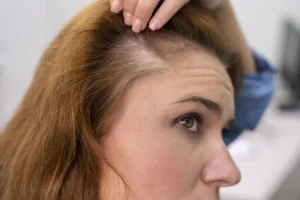
Symptoms include greasy scaling, redness, and itching on the scalp. These signs can be uncomfortable and may get worse if not treated.
Who Is at Risk: Prevalence and Vulnerable Populations
Seborrheic dermatitis mainly hits infants and adults between 30 and 70 years old. Knowing who’s at risk helps in managing it better. This might involve using home remedies for seborrheic eczema scalp.
Choosing the right oil for seborrheic dermatitis is helpful. Treatment often includes antifungal therapies. This is because Malassezia yeast is linked to the condition.
Effective Seborrhea Treatment Options for Scalp Relief
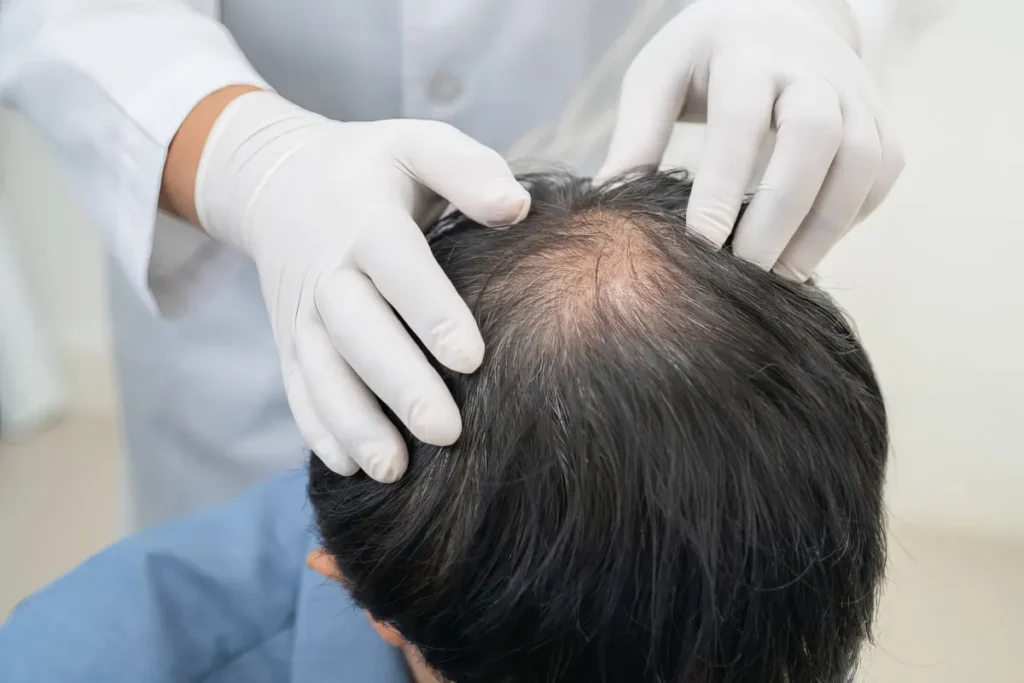
Many people with seborrheic dermatitis on their scalp find relief through different treatments. Seborrhea treatment shampoos are often the first choice to fight this condition.
Antifungal Shampoos: Ketoconazole, Selenium Sulfide, and Zinc Pyrithione
Antifungal shampoos with ketoconazole, selenium sulfide, and zinc pyrithione are very effective. Ketoconazole, in particular, helps keep symptoms away for a long time. These shampoos stop Malassezia yeast from growing, which helps manage the condition.
Topical Corticosteroids and Anti-inflammatory Agents
Topical corticosteroids and anti-inflammatory agents also help. They reduce inflammation and ease symptoms. These are great for quick relief during flare-ups.
Prescription Solutions for Severe Cases
For very severe cases, prescription solutions are needed. This might include stronger corticosteroid lotions or other medications. It’s important to see a dermatologist to find the right treatment.
Knowing about these treatments helps people manage their scalp seborrhea better. It also helps reduce how often flare-ups happen.
Natural and Alternative Approaches to Managing Scalp Seborrhea
Natural remedies can help with scalp seborrhea. People can try different home remedies and lifestyle changes. This can help manage their condition well.
Essential Oils with Antifungal Properties
Some essential oils, like tea tree oil, fight fungal growth. This includes the yeast that causes seborrheic dermatitis. Using these oils in shampoos or scalp treatments can be helpful.
Scalp Care Techniques for Different Hair Types
Scalp care is key. The right shampoo and conditioner are important for different hair types. For oily hair, using oil-free or lightweight products is best.
Dietary Modifications That May Reduce Symptoms
Changing your diet can help. Eating more omega-3 fatty acids and less sugar can ease symptoms. Aloe vera and other natural products can also soothe the scalp.
Using these natural methods can reduce the need for traditional treatments. It helps manage scalp seborrhea in a more natural way.
Conclusion: Preventing Recurrence and Long-term Management
Seborrheic dermatitis is a chronic condition that needs ongoing care. There’s no cure, but it can be controlled with the right treatment and lifestyle changes. Using antifungal shampoos and topical corticosteroids, like hydrocortisone cream, can help manage symptoms.
For severe cases, prescription oral medications might be needed. Finding the best oral medication depends on the individual’s condition and skin type. This includes those with black skin who may face different symptoms.
To prevent recurrence, maintaining good skin care habits is essential. Use gentle products and avoid triggers that can cause flare-ups. Understanding the causes and symptoms of seborrheic dermatitis and using the right treatments can help manage the condition. This reduces the frequency of flare-ups.
FAQ
What is seborrheic dermatitis on the scalp?
Seborrheic dermatitis is a common scalp condition causing inflammation, redness, and flaky, greasy patches due to overactive oil glands and yeast overgrowth.
What are the symptoms of scalp seborrhea?
Symptoms include itching, redness, dandruff-like flakes, oily patches, and sometimes irritation or mild hair shedding.
How is seborrheic dermatitis on the scalp treated?
Treatment involves medicated shampoos with antifungal or anti-inflammatory ingredients, topical creams, and proper scalp hygiene.
Can essential oils help manage scalp seborrhea?
Some essential oils like tea tree oil may reduce itching and flaking, but they should be used cautiously and are usually supportive, not primary treatment.
Are there any dietary changes that can help alleviate scalp seborrhea symptoms?
Eating a balanced diet, reducing sugar and processed foods, and including anti-inflammatory foods may help manage symptoms.
Can seborrheic dermatitis on the scalp be cured?
There is no permanent cure, but symptoms can be effectively managed with regular treatment and care.
What is the best shampoo for seborrheic dermatitis on the scalp?
Shampoos containing ketoconazole, zinc pyrithione, selenium sulfide, or salicylic acid are commonly recommended.
Can hydrocortisone cream be used to treat seborrheic dermatitis on the scalp?
Yes, mild topical hydrocortisone can reduce inflammation and itching but should be used short-term under guidance.
Are there any over-the-counter treatments for scalp eczema?
Yes, OTC medicated shampoos, gentle corticosteroid creams, and anti-itch lotions can help manage mild scalp eczema.
References
JAMA Network. Evidence-Based Medical Insight. Retrieved from https://jamanetwork.com/journals/jamadermatology/fullarticle/2804569[2