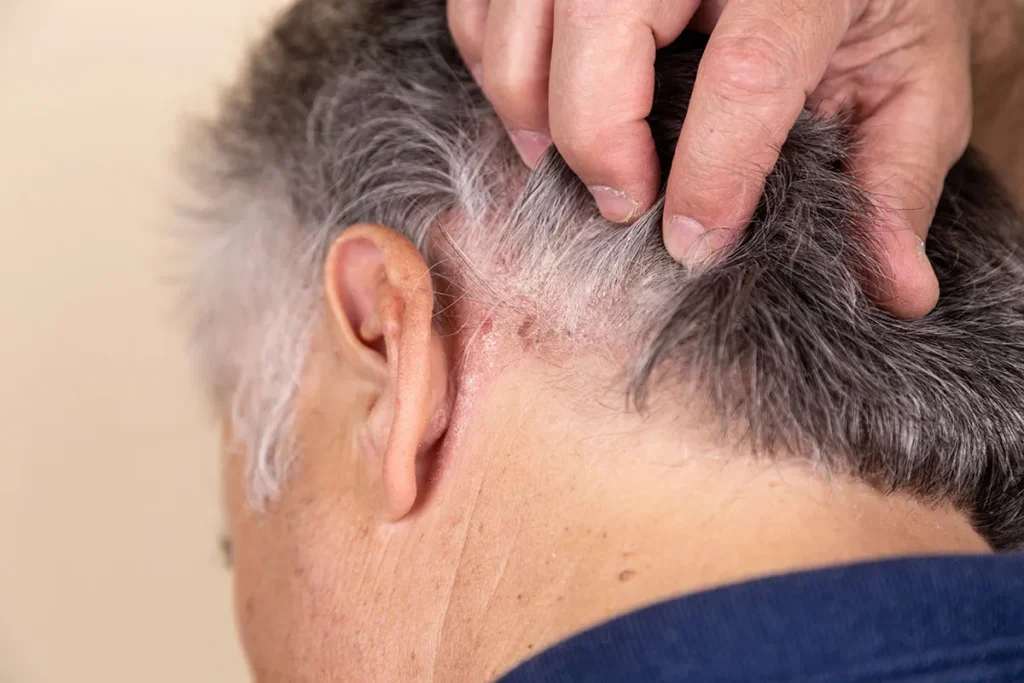
Seborrheic dermatitis is a chronic skin condition that affects about 3.3% of adults worldwide. It causes discomfort and embarrassment with symptoms like intense itching, redness, and flaking on the scalp.
Learn how to treat seborrheic eczema with this amazing fix. Use powerful remedies for incredible relief from scary flakes and itching today.
The Medical organization says living with seborrheic dermatitis can be tough. It’s hard to deal with flakes on your clothes every day. To manage symptoms, doctors often use topical treatments that fight fungus and reduce inflammation.
Finding the right treatment approach is key to managing seborrheic dermatitis. With the right treatment, people can reduce symptoms and prevent future outbreaks.
Key Takeaways
Seborrheic dermatitis affects approximately 3.3% of the global adult population.
Symptoms include intense itching, redness, and flaking on the scalp.
Effective treatment involves topical antifungal and anti-inflammatory agents.
Managing seborrheic dermatitis improves quality of life.
Proper treatment guidelines can help alleviate symptoms and prevent flare-ups.
Understanding Seborrheic Dermatitis of the Scalp
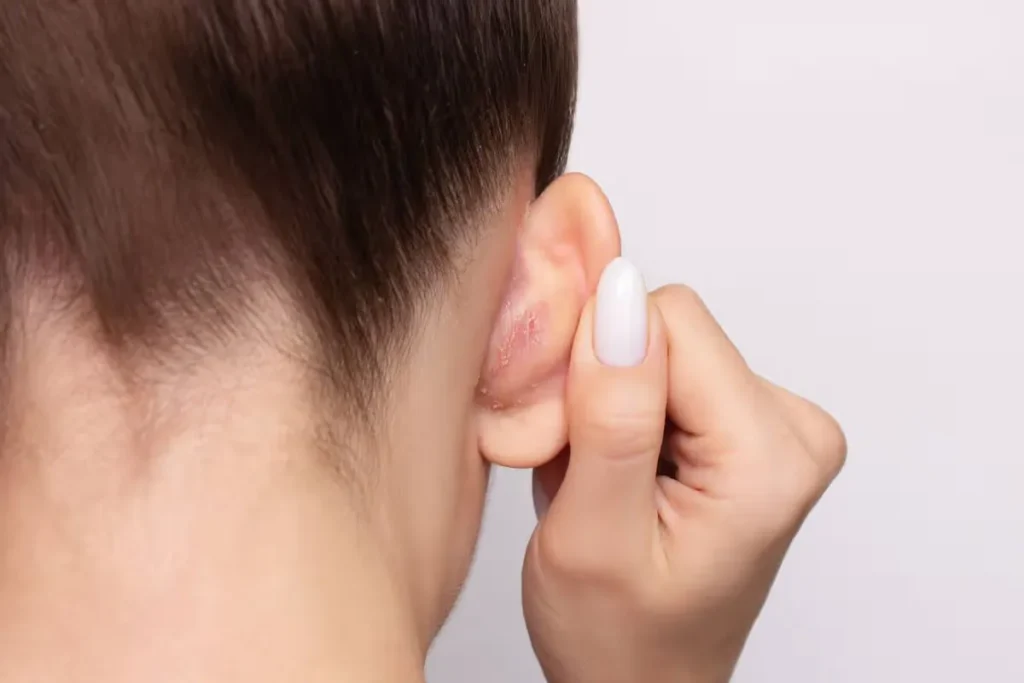
Learning about seborrheic dermatitis is key to taking care of your scalp. This common skin issue causes flaky, white to yellowish scales on oily parts like the scalp.
What Causes Seborrheic Dermatitis?
Several factors lead to seborrheic dermatitis. These include sebaceous gland activity, immune dysregulation, skin barrier dysfunction, and changes in the microbiome. The American Academy of Dermatology Association says these factors play a role in its development.
Sebaceous gland activity
Immune system dysregulation
Skin barrier dysfunction
Male hormones
Stress
Recognizing the Symptoms and Diagnosis
Spotting the signs of seborrheic dermatitis is important for diagnosis. Common symptoms include:
Flaky, white to yellowish scales on the scalp
Redness and inflammation
Itching and irritation
A doctor will look at your skin and ask about your medical history to diagnose it. Sometimes, a skin scraping is done to check for other conditions.
When to Consult a Dermatologist
Seeing a dermatologist is a must if symptoms don’t get better or get worse. They can suggest treatments and help manage the condition.
You should see a dermatologist if:
Severe symptoms affect your daily life
Over-the-counter treatments don’t work
You see signs of infection, like more redness or pus
How to Treat Seborrheic Eczema with Medical Interventions
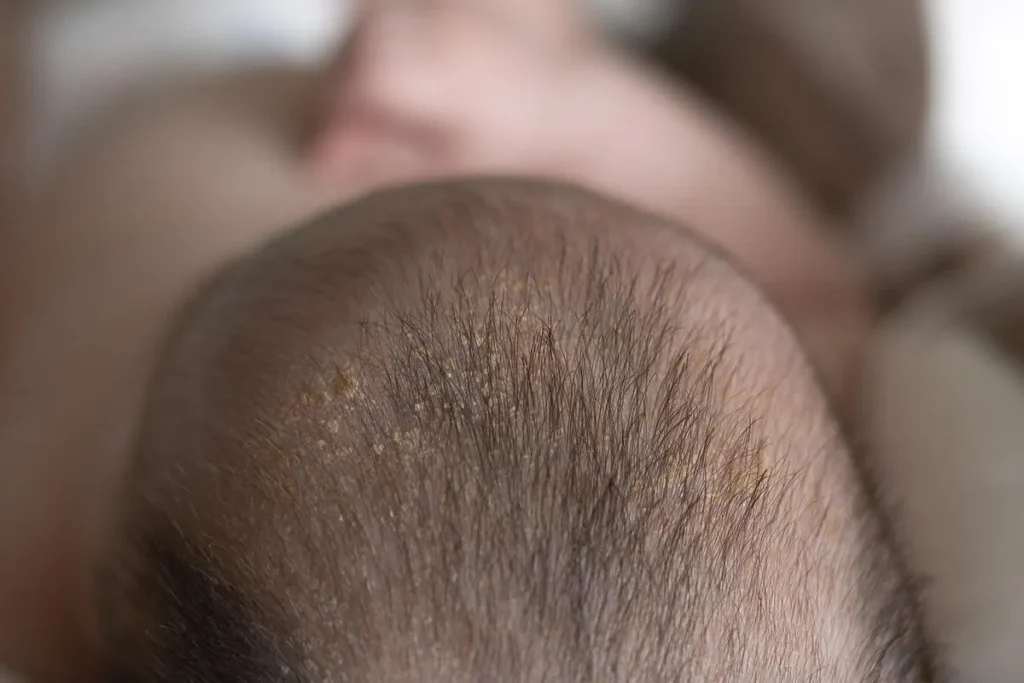
Seborrheic eczema on the scalp needs a variety of medical treatments. These treatments aim to lessen symptoms and stop them from getting worse. They often include using creams or ointments that fight fungus and reduce swelling.
Medicated Antifungal Shampoos and Solutions
Medicated shampoos are key in fighting seborrheic dermatitis. The Canadian Dermatology Association says to use these shampoos daily at first. Then, use them every other day once symptoms start to get better.
Key ingredients in these shampoos include ketoconazole, zinc pyrithione, and selenium sulfide. These ingredients are good at fighting the fungal infections that cause seborrheic dermatitis.
Topical Corticosteroids and Anti-inflammatory Agents
Topical corticosteroids are also important in treating seborrheic eczema. They help lessen swelling and are great for when symptoms get worse. Short-term use of these steroids can really help manage symptoms.
Advanced Treatments: Phosphodiesterase Inhibitors and Immunomodulators
New treatments for seborrheic dermatitis include phosphodiesterase inhibitors like roflumilast foam 0.3%. Studies show these treatments work well, with 79.5 percent of patients seeing improvement. These options offer hope for those with severe cases.
Knowing about all the medical treatments for seborrheic eczema is important. By using these treatments and taking good care of your scalp, you can feel a lot better. This can greatly improve your life.
Home Remedies and Self-Care Strategies for Scalp Management
There are many home remedies and self-care strategies to help with seborrheic dermatitis on the scalp. By adding these to your daily routine, you can lessen symptoms and improve scalp health.
Proper Scalp Hygiene and Washing Techniques
Keeping your scalp clean is key in managing seborrheic dermatitis. The Medical organization advises washing with lukewarm water and gentle soap. Use a mild, fragrance-free shampoo to avoid irritation.
Tips for Washing Your Hair:
Use lukewarm water instead of hot water.
Choose a mild, fragrance-free shampoo.
Avoid scrubbing your scalp vigorously.
Rinse your hair thoroughly to remove all soap residue.
Natural Remedies with Scientific Support
Some natural remedies can help manage seborrheic dermatitis. Tea tree oil, for example, has antifungal properties. But, always dilute it with a carrier oil to avoid irritation. Always perform a patch test before using any new remedy.
Lifestyle Modifications to Reduce Flare-ups
Changing your lifestyle can also help reduce flare-ups. Stress management through meditation or yoga can help. Eating a balanced diet supports skin health.
Lifestyle Tips:
Practice stress-reducing activities like meditation or yoga.
Eat a balanced diet rich in fruits, vegetables, and whole grains.
Avoid harsh chemicals and extreme temperatures.
Conclusion
Treating seborrheic dermatitis on the scalp needs a full plan. This includes medical help, home remedies, and changes in daily life. Knowing what causes and shows seborrheic dermatitis helps find the right treatment. This can be medicated shampoos or topical corticosteroids.
The American Academy of Dermatology Association says seborrheic dermatitis is a long-term condition. But, it can be kept under control with the right treatment. Keeping the scalp clean, using natural remedies, and changing daily habits can help a lot. These steps can reduce flare-ups and make life better.
Being proactive in treating seborrheic dermatitis is key. It helps lessen symptoms and avoid bigger problems. Seeing a dermatologist is important to find the best treatment. With the right plan, you can keep your scalp healthy.
FAQ
Effective Scalp Treatments
The most effective treatments involve antifungal shampoos containing ingredients like ketoconazole, selenium sulfide, or zinc pyrithione to target the yeast Malassezia. For severe flare-ups, a dermatologist may prescribe topical corticosteroids or calcineurin inhibitors to quickly reduce the intense inflammation, redness, and itching associated with the condition.
Recommended Washing Frequency
If you have seborrheic dermatitis, you should generally wash your hair more frequently, often daily or every other day, to remove excess oil and skin cell buildup. Once the condition is under control, you can often transition to using a medicated shampoo twice a week as a maintenance routine to prevent the yeast from repopulating.
Curing vs. Managing
Seborrheic dermatitis is a chronic, relapsing condition, meaning there is currently no permanent “cure,” but it can be highly effectively managed and kept in remission. Most people experience periods of clear skin followed by occasional flare-ups, which can be minimized with a consistent scalp care routine and the use of targeted treatments.
Natural Remedies for the Scalp
Natural remedies like tea tree oil, which has documented antifungal properties, or diluted apple cider vinegar rinses can help balance the scalp’s pH and reduce yeast levels. Additionally, applying raw honey or aloe vera may soothe irritation and provide antimicrobial benefits, though these are typically most effective when used as supplementary treatments.
Stress as a Trigger
Stress is one of the most common triggers for seborrheic dermatitis flare-ups because it can alter the body’s immune response and increase oil production. High stress levels may also exacerbate the inflammatory cycle, making the scalp more sensitive and prone to the “scaling” and redness characteristic of the condition.
Prevention Strategies
To prevent recurrence, it is essential to maintain a regular cleansing schedule and avoid heavy, oil-based styling products that can feed the yeast on your scalp. Many people find success by rotating between two different medicated shampoos (e.g., one with ketoconazole and one with zinc) to prevent the yeast from becoming resistant to a single treatment.
Over-the-Counter Options
You can definitely use over-the-counter (OTC) treatments, as many effective antifungal shampoos are available without a prescription at local pharmacies. Common OTC brands like Nizoral (1% ketoconazole), Selsun Blue, and Head & Shoulders Clinical Strength are excellent first-line defenses for mild to moderate cases of scalp dermatitis.
Contagion and Safety
Seborrheic dermatitis is not contagious; you cannot “catch” it from someone else or spread it through shared combs, hats, or physical contact. It is an inflammatory reaction to a yeast that naturally lives on everyone’s skin, caused by an individual’s unique immune response and sebum composition rather than an external infection.
References
National Center for Biotechnology Information. Evidence-Based Medical Insight. Retrieved from https://pmc.ncbi.nlm.nih.gov/articles/PMC9365318/[2