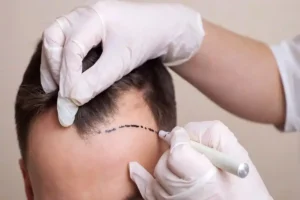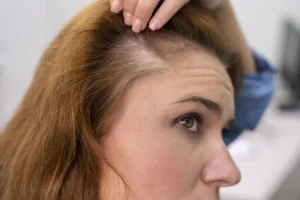
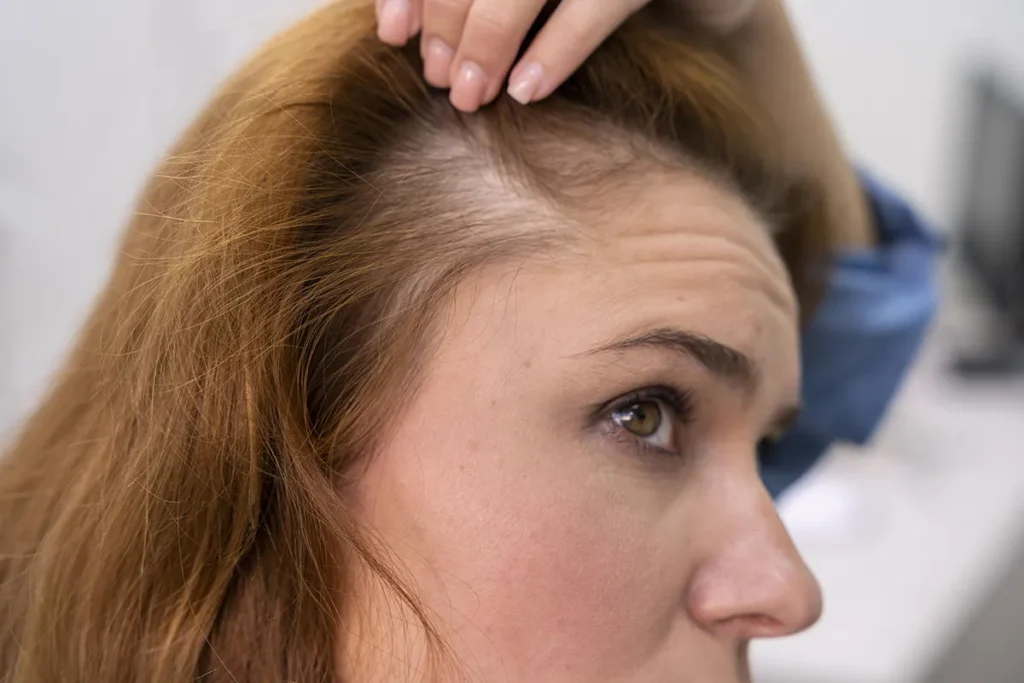
Hair loss is a big problem for millions around the world. Many things can cause it, but vitamin deficiencies are a big one. Studies show that not having enough biotin and B12 is common in people losing their hair.
Understand vitamin b hair loss and the scary truth behind it. Use amazing, powerful supplements for incredible hair growth and health.
Fixing these vitamin gaps can help hair grow back in months. At Gold City Hair, we know fixing the nutritional issues is key to healthy hair. This article will look at the seven main vitamin gaps that lead to hair loss and how to fix them.
Key Takeaways
Vitamin deficiencies are a common cause of hair loss.
Deficiencies in biotin and B12 are very common.
Fixing these gaps can help hair grow back.
Nutritional factors are very important for hair health.
Fixing vitamin gaps is key to treating hair loss.
The Connection Between Nutrition and Hair Health
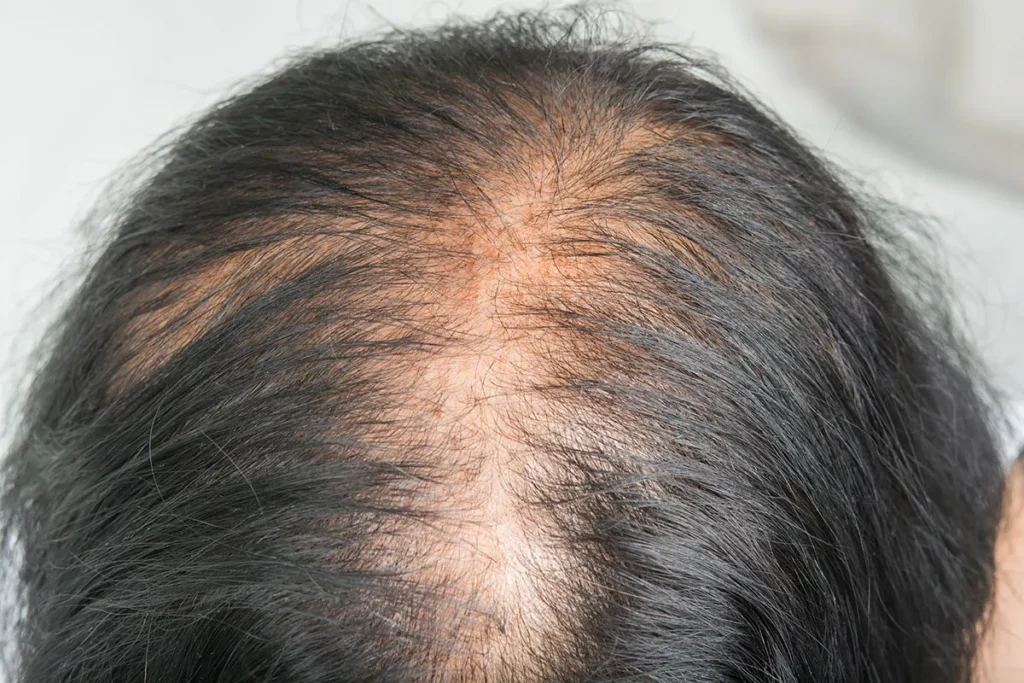
Hair health is greatly affected by what we eat. Knowing this helps us fight hair loss. Not getting enough vitamins and minerals can mess up hair growth, causing it to fall out more.
Good nutrition is essential for healthy hair. The process of hair growth needs a mix of vitamins and minerals. Without these, hair follicles can be harmed, leading to hair loss.
How Vitamin Deficiencies Affect Hair Follicles
Vitamin shortages can really hurt hair follicles. For example, iron deficiency is a big reason for hair loss, mainly in women. Iron helps carry oxygen to hair follicles, helping them grow well.
Other nutrients like Vitamin D and B vitamins are also key. Vitamin D keeps hair follicles healthy. B vitamins help make hair cells.
Identifying Nutritional Hair Loss vs. Other Causes
Telling if hair loss is due to nutrition or other reasons can be hard. But, there are clues. Nutritional hair loss often shows as:
Excessive shedding
Thinning hair, mainly on the crown or top of the scalp
Hair loss with other signs like tiredness, weakness, or skin issues
If you’re losing hair, seeing a doctor is a good first step. They can figure out if your hair loss is from not getting enough nutrients or something else.
7 Critical Vitamin B Hair Loss Triggers and Symptoms

B vitamins are key to keeping your hair healthy. Not having enough B vitamins can cause hair loss, brittle hair, and scalp problems. We’ll look at the B vitamins most linked to hair loss.
Biotin (B7) Deficiency: Decreased Hair Elasticity
Biotin helps your hair stay elastic. Without enough biotin, your hair becomes brittle and breaks easily. Signs of biotin deficiency include:
Thinning hair
Brittle hair texture
Hair loss
Eating biotin-rich foods like eggs, nuts, and whole grains can help.
Vitamin B12 Deficiency: Disrupted Follicle Function
Vitamin B12 helps make red blood cells, which carry oxygen to hair follicles. Without enough B12, hair follicles don’t work right, causing hair loss. Symptoms include:
Fatigue
Weakness
Hair loss
Eating Vitamin B12-rich foods like fish, meat, and dairy can help.
Folic Acid (B9) Deficiency: Impaired Cell Division
Folic acid is key for cell division, important for hair growth. Without enough, hair growth slows, leading to loss. Signs include:
Pale skin
Fatigue
Hair loss
Eating folate-rich foods like leafy greens, legumes, and whole grains can help.
Vitamin B3 (Niacin) Deficiency: Stunted Growth
Niacin keeps skin and hair healthy. Without enough, hair grows slowly and skin problems occur. Symptoms include:
Skin problems
Hair loss
Diarrhea
Eating niacin-rich foods like meat, fish, and whole grains can prevent deficiency.
Fixing these vitamin B deficiencies through diet or supplements can stop hair loss and help hair grow better.
Evidence-Based Solutions for Vitamin-Related Hair Loss
To fix hair loss from vitamin deficiencies, we need a complete plan. This includes eating right, using supplements, and getting medical tests. This approach helps find and fix the main causes of hair loss, leading to healthy hair growth.
Optimal Food Sources for Hair-Supporting Nutrients
Eating foods full of important vitamins and minerals is key for healthy hair. Foods packed with biotin, like eggs, nuts, and leafy greens, strengthen hair follicles. Foods high in iron, such as red meat, spinach, and fortified cereals, prevent hair loss from iron deficiency.
Eating a variety of foods rich in nutrients helps hair grow. For example, zinc-rich foods like oysters, beef, and chicken help hair follicles. Omega-3 fatty acids in salmon and walnuts keep the scalp healthy.
Supplement Protocols and Possible Interactions
Changing what we eat is important, but supplements can also help with hair loss. Biotin supplements make hair stronger, and iron supplements fix iron deficiencies that cause hair loss.
But, always talk to a doctor before starting supplements. They can check for any bad interactions with other medicines and find the best treatment.
Medical Testing and Professional Treatment Options
For serious hair loss, medical tests can find vitamin deficiencies or other health problems. A doctor can suggest tests and treatments based on the results.
Professional treatments like platelet-rich plasma (PRP) therapy and low-level laser therapy (LLLT) can also help grow hair and stop loss.
Conclusion
Vitamin deficiencies are a big reason for hair loss, affecting millions around the world. Understanding the link between thinning hair vitamin deficiency helps people take action. They can prevent hair loss and encourage healthy hair growth.
Fixing vitamin deficiency cause hair loss can make hair thicker in just a few months. Adding key nutrients, like vitamins for balding and hair shedding, to your diet can greatly improve hair health.
Using proven methods, like eating right and taking supplements, can lower hair loss risks. Getting medical tests and treatments can also find and fix nutritional gaps.
It’s key to tackle vitamin deficiencies to keep hair healthy and stop it from falling out. Making smart choices and getting expert advice can bring back hair’s natural strength. This reduces the chance of hair thinning.
FAQ
What are the most common vitamin deficiencies that cause hair loss?
Common deficiencies include iron, vitamin D, biotin, zinc, and certain B vitamins, which are critical for healthy hair growth.
How do vitamin deficiencies affect hair follicles?
Deficiencies weaken hair follicles, disrupt the growth cycle, and can trigger hair shedding or thinning by reducing cell division and protein synthesis in the follicle.
Can vitamin supplements cause hair loss?
Excessive intake of some vitamins, like vitamin A, can actually trigger hair shedding, so balance is important when supplementing.
What are the best food sources for hair-supporting nutrients?
Foods rich in protein, iron (red meat, spinach), biotin (eggs, nuts), zinc (pumpkin seeds, lentils), and vitamins A, C, and D (fruits, vegetables, fatty fish) support hair health.
How can I identify if my hair loss is due to a vitamin deficiency?
Signs include overall thinning, brittle or dry hair, and other deficiency symptoms like fatigue or pale skin; blood tests can confirm specific deficiencies.
Can vitamin C deficiency cause hair loss?
Yes, vitamin C deficiency can weaken hair structure by reducing collagen production and impairing iron absorption, which is essential for hair growth.
What is the role of B vitamins in hair growth?
B vitamins, especially biotin, B12, and folate, support cell metabolism, protein synthesis, and red blood cell formation, all of which are essential for healthy hair follicles.
Are there any vitamins that can help prevent hair loss?
Iron, vitamin D, biotin, zinc, and B vitamins can help prevent hair loss when deficiency is the cause, but supplementation is most effective when guided by a healthcare professional.
References
National Center for Biotechnology Information. Evidence-Based Medical Insight. Retrieved from https://pubmed.ncbi.nlm.nih.gov/39623615/