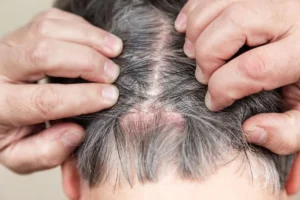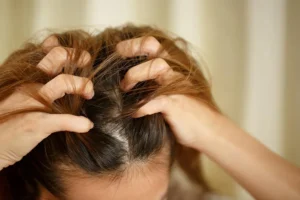
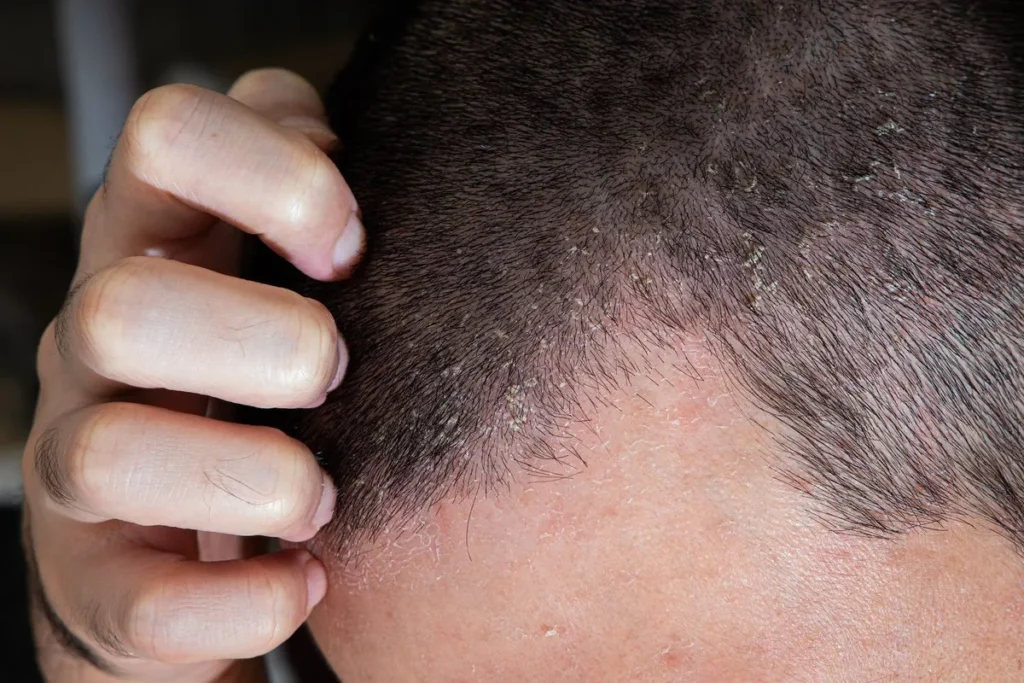
Male pattern baldness, also known as androgenetic alopecia, affects millions of men worldwide. It’s important to understand its underlying causes for effective management and treatment.
Discover what causes male pattern baldness and the scary truth behind it. Learn amazing, powerful ways to stop thinning and regrow hair now.
Genetic predisposition and hormonal influences play a big role in this condition. Spotting early signs, like a receding hairline or thinning crown, is key. This helps men take action early.
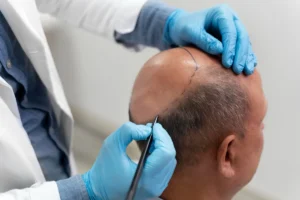
Expert dermatologists, like those at Gold City Hair, use international medical standards. They focus on patient-centered care. This helps men understand their hair loss and find effective treatments.
Key Takeaways
Understanding the causes of male pattern baldness is key for effective management.
Genetic predisposition and hormonal influences are major factors.
Early signs include a receding hairline and thinning crown.
Expert dermatologists can help men understand their hair loss.
Effective treatment options are available with patient-centered care.
Understanding Male Pattern Baldness
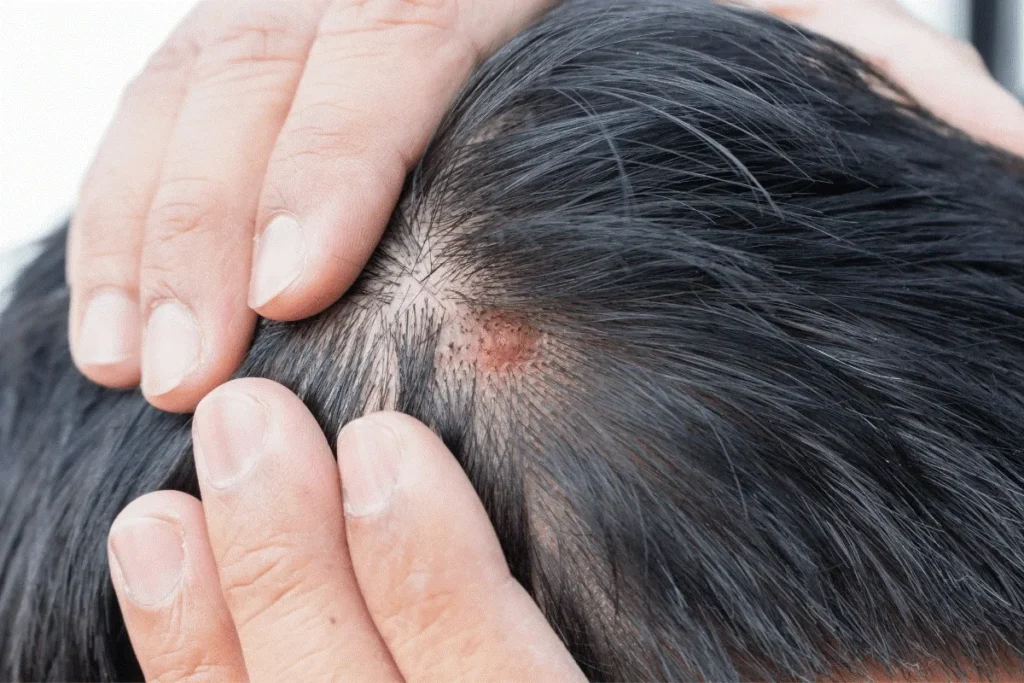
Men experiencing hair loss need to understand male pattern baldness. It can greatly affect their life quality. This condition, affecting many men worldwide, shows a specific pattern of hair loss.
Definition and Prevalence
Male pattern baldness, also known as androgenetic alopecia, is common among men. It’s caused by genetics and hormones, leading to thinning and loss of hair on the top and front of the scalp.
By age 50, many men face this issue. Knowing about it is key to understanding its causes and symptoms.
The Hair Growth Cycle
The hair growth cycle has three phases: anagen (growth), catagen (transitional), and telogen (resting). Most hairs are in the anagen phase, growing.
Hormones greatly affect the hair growth cycle. Imbalances can cause hair loss. Knowing this cycle helps us understand male pattern baldness.
Genetics, hormones, and age influence the cycle’s length. In male pattern baldness, the cycle shortens, leading to thinner, shorter hair.
What Causes Male Pattern Baldness
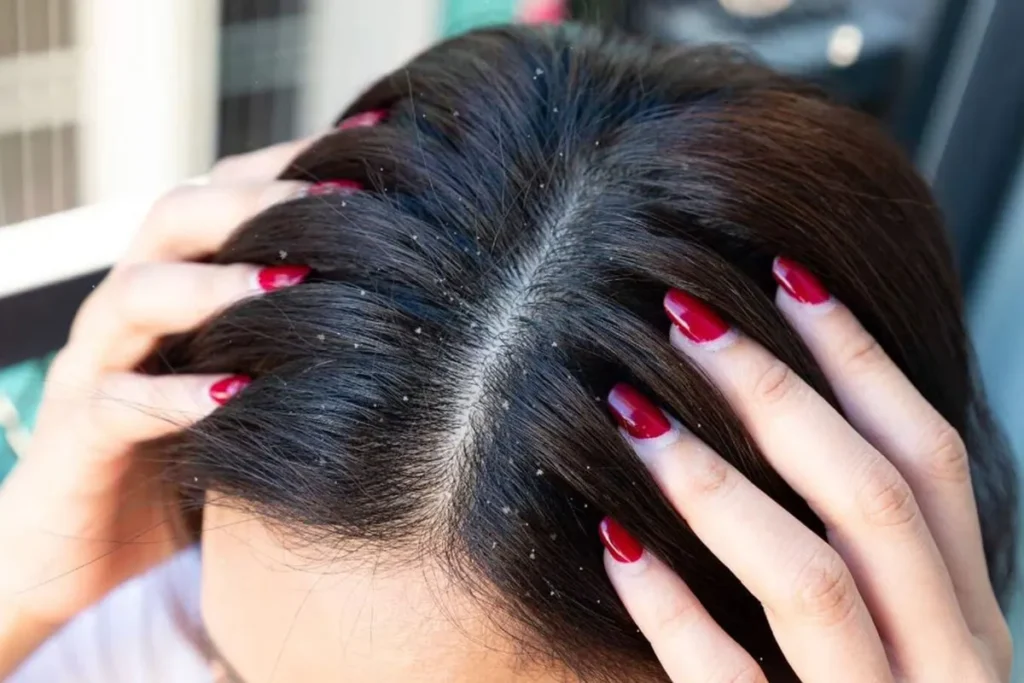
Male pattern baldness comes from a mix of genetics, hormones, and age. It’s not just one thing. It’s a blend of many factors that lead to hair loss.
Genetic Factors and Family History
Genetics play a big part in male pattern baldness. If your family has a history of baldness, you might lose your hair too. Research shows certain genes can increase your risk. These genes work together to affect your hair.
Hormonal Influences and DHT
Hormones, like dihydrotestosterone (DHT), also play a key role. DHT makes hair follicles shrink, causing hair to thin and grow shorter. Testosterone turns into DHT with the help of 5-alpha-reductase. This enzyme is found in hair follicles and other places.
Age-Related Factors
Age is another important factor. As men get older, they’re more likely to lose their hair. Older age affects the hair growth cycle. This means hair grows thinner and less dense over time.
In short, male pattern baldness is a complex issue. It’s influenced by genetics, hormones, and age. Knowing these causes helps us find better ways to deal with it.
Recognizing the Signs and Symptoms
Spotting the early signs of male pattern baldness is key to managing it well. This condition, also known as androgenetic alopecia, has distinct signs and symptoms. These can be noticed through careful observation.
Early Warning Signs
The first signs often include a receding hairline around the temples and thinning at the crown. Hair may also become finer or shorter. Watching for these changes early can help manage the condition better.
An M-shaped hairline is another early sign. This happens when the hairline recedes, forming an “M” shape. Also, hair falling out in a circular pattern can lead to noticeable thinning.
The Norwood Scale of Progression
The Norwood Scale helps measure how male pattern baldness progresses. It ranges from Type I, with little hair loss, to Type VII, with extensive balding. Knowing your Norwood Scale type can guide treatment choices.
Type I: Minimal hair loss, with no or minimal recession of the hairline.
Type II: Triangular areas of recession around the temples.
Type III: Deepening of the temporal recession, with or without some thinning on the crown.
Type IV: Further balding and hair loss, with a distinct horseshoe-shaped pattern.
Type V: The hair loss continues, with the horseshoe-shaped pattern becoming more pronounced.
Type VI: The balding areas continue to expand, with some hair remaining at the back and sides.
Type VII: The most advanced stage, with only a narrow ring of hair remaining around the back and sides.
Distinguishing from Other Types of Hair Loss
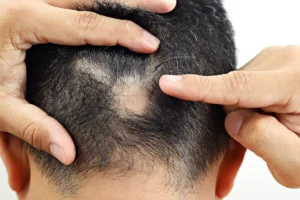
It’s important to tell male pattern baldness from other hair loss types, like alopecia areata. A healthcare professional or dermatologist can help. They can check the hair loss pattern and rule out other causes for an accurate diagnosis.
Understanding the signs and using the Norwood Scale helps identify male pattern baldness. Early recognition and professional advice lead to better management and treatment options.
Conclusion
It’s important for men to understand why they lose their hair. Knowing the signs helps them take action early. This way, they can find effective treatments.
Male hair loss is caused by genetics, hormones, and age. Knowing this helps men make better choices for their hair.
Acting fast is essential in fighting hair loss. Men can find treatments and keep their hair healthy by understanding the causes and signs.
FAQ
What is male pattern baldness?
Male pattern baldness, also called androgenetic alopecia, is a common form of hair loss characterized by a receding hairline and thinning at the crown. It progresses gradually in a predictable pattern.
What causes male pattern baldness?
It is primarily caused by genetic sensitivity to the hormone DHT, which affects susceptible hair follicles over time.
How does DHT contribute to male pattern baldness?
DHT shrinks hair follicles (miniaturization), shortens the growth phase, and causes hairs to become thinner and shorter until growth significantly slows or stops.
What are the early warning signs of male pattern baldness?
Early signs include temple recession, crown thinning, finer hair texture, and increased scalp visibility under bright light.
What is the Norwood Scale?
The Norwood Scale is a staging system that classifies male pattern baldness from Stage 1 (minimal recession) to Stage 7 (advanced hair loss).
How does age affect male pattern baldness?
The likelihood and severity increase with age, though it can begin in the late teens or early twenties in genetically predisposed individuals.
Can male pattern baldness be treated?
While not permanently curable, treatments like minoxidil, finasteride, PRP therapy, and hair transplantation can slow progression and promote regrowth in some cases.
How can I determine if I have male pattern baldness?
Gradual thinning at the temples and crown, along with a family history of similar hair loss, strongly suggests male pattern baldness.
What is the role of genetics in male pattern baldness?
Genetics determine how sensitive your hair follicles are to DHT, influencing whether and how quickly balding occurs.
Are there other types of hair loss beside male pattern baldness?
Yes, other types include telogen effluvium, alopecia areata, traction alopecia, and scarring alopecia, each with different causes and patterns.
References
National Center for Biotechnology Information. Evidence-Based Medical Insight. Retrieved from https://pubmed.ncbi.nlm.nih.gov/24566563/