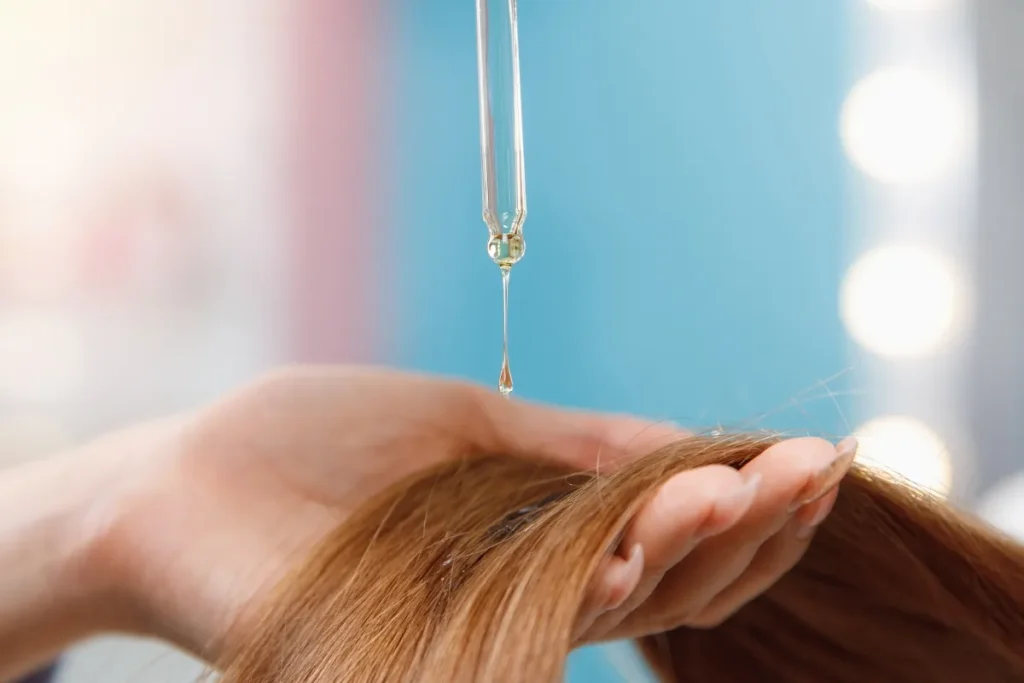
Hair masks are deep treatments that fix damaged and stressed hair. They add lots of moisture and nutrients to the hair shaft. If your hair is dry, breaking, or has color damage, knowing about hair mask benefits can help you choose the right hair care.
Hair masks give your hair a big boost. They work deep to add moisture and fix damage from the inside. They’re great for all hair types, but really help dry, damaged, or color-treated hair. Using a hair mask can make your hair stronger and healthier with ingredients like proteins and plant extracts.
Key Takeaways
Hair masks provide intensive nourishment to damaged and stressed hair.
They help repair and restore hair health through concentrated moisture and nutrients.
Beneficial for all hair types, including dry, damaged, or color-treated hair.
Hair masks contain nourishing ingredients like proteins and botanical extracts.
Regular use can lead to stronger, healthier hair.
What Does a Hair Mask Do for Your Hair? Understanding the Basics
To get the most out of hair masks, knowing their basics is key. They offer deep nourishment, more than regular conditioners do.
Definition and Composition of Hair Masks
A hair mask is a deeply nourishing treatment for your hair. It gives your hair a boost of hydration and repair. These masks have concentrated formulations of proteins, oils, and plant extracts.
These ingredients help fix, restore, and protect your hair from harm.
How Hair Masks Differ from Regular Conditioners
Hair masks and regular conditioners have different roles. Conditioners moisturize and manage hair daily. Hair masks, on the other hand, offer a deeper treatment.
They stay on longer, letting the ingredients reach deeper into your hair.
It’s easy to mix up hair masks and deep conditioners. But, hair masks tackle specific issues like dryness or color fade. Knowing what hair masks do helps you pick the right one for your hair.
How Hair Masks Work to Transform Your Hair
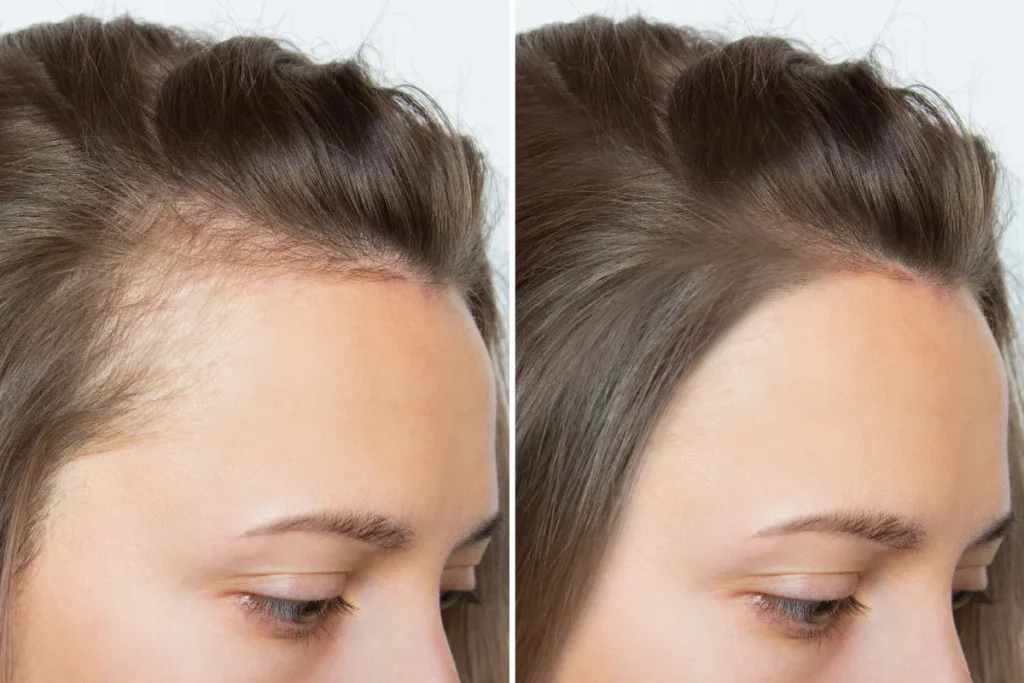
Hair masks are more than just a pampering treat; they are a scientifically-backed way to improve hair health. By understanding how they work, you can unlock their full hair transformation you’re looking for.
The Science Behind Hair Mask Penetration
Hair masks penetrate the hair cuticle and cortex to restore moisture balance and provide intensive conditioning. This deep penetration is what sets hair masks apart from regular conditioners, which only work on the surface of the hair.
The hair cuticle is the outermost layer of the hair shaft, made up of overlapping scales that can open and close. When you apply a hair mask, the ingredients penetrate these scales and reach the cortex. There, they can repair damage and nourish the hair.
Key Ingredients and Their Functions
The effectiveness of a hair mask depends on its key ingredients. Some common ingredients include:
Application Techniques for Maximum Benefits
To get the most out of your hair mask, it’s essential to apply it correctly. Most hair masks are applied to damp hair after shampooing. They are left on for 5-10 minutes to allow for deep penetration of ingredients.
Using a wide-tooth comb can help distribute the mask evenly, ensuring every strand is coated. This technique not only ensures even application but also helps to detangle the hair. It reduces breakage and tangles.
Tips for Application:
Apply the mask from roots to ends, or focus on the ends if they’re dry or damaged.
Leave the mask on for the recommended time to allow for maximum penetration.
Rinse thoroughly with warm water to remove the mask completely.
Benefits of Hair Masks for Different Hair Types and Concerns
Hair masks are great for many hair types and problems. They help with dryness, color-treated hair, curly hair, and fine hair. There’s a mask for every hair concern.
For Dry and Damaged Hair
Dry and damaged hair needs nourishment. Intensive moisturizing helps fix damage and bring back shine. Masks with argan oil, shea butter, and keratin make hair soft and easy to handle.
For Color-Treated and Chemically Processed Hair
Color-treated and chemically processed hair benefits from special masks. Color-protecting hair masks keep color bright and moisture in. They have antioxidants and UV filters to protect hair from damage.
For Curly and Textured Hair
Curly and textured hair gets better definition and less frizz from hair masks. Coconut oil, honey, and shea butter are good for this. They keep moisture in and make curls pop.
For Fine and Oily Hair
Fine and oily hair can also use hair masks. Look for lightweight masks that control oil without drying out hair. Clay-based hair masks are great for oily hair, soaking up oil and cleaning the scalp.
In short, hair masks offer many benefits for different hair types and problems. The right mask can fix dryness, damage, color issues, and more. Choose wisely to address your hair’s specific needs.
Conclusion: Incorporating Hair Masks into Your Hair Care Routine
Adding hair masks to your hair care routine can change the game for your hair health. Using a hair mask once or twice a week can strengthen your hair. It also reduces breakage and improves elasticity.
It’s key to pick a hair mask that fits your hair type and needs. Whether your hair is dry, damaged, color-treated, or curly, there’s a mask for you. By making hair masks a regular part of your routine, you’ll see better hair texture and less frizz.
So, what does a hair masque do? It gives your hair a deep dose of nourishment and hydration. This leaves your hair soft, smooth, and easy to manage. By adding hair masks to your routine, you can say goodbye to dry, damaged hair. Hello to a healthier, more vibrant mane.
FAQ
What is a hair mask used for?
A hair mask is a deep conditioning treatment used to intensely hydrate, repair, strengthen, and smooth hair beyond what regular conditioner provides.
How do hair masks work?
Hair masks contain concentrated ingredients like oils, proteins, and humectants that penetrate the hair shaft, repair damage, restore moisture, and improve elasticity.
What does a hair mask do to your hair?
It reduces dryness, repairs breakage, smooths frizz, improves shine, strengthens strands, and makes hair softer and more manageable.
What is the purpose of a hair mask?
The purpose is to deeply nourish and repair hair, especially if it’s dry, damaged, chemically treated, or exposed to heat styling.
How often should I use a hair mask?
Typically 1–2 times per week. Very dry or damaged hair may benefit from weekly use, while fine hair may need it less often.
Can hair masks be used on all hair types?
Yes, but choose formulas suited to your hair type—lightweight for fine hair, richer masks for thick, curly, or damaged hair.
What are the benefits of using a hair mask?
Deep hydration, reduced breakage, improved elasticity, enhanced shine, smoother texture, and better overall hair health.
How long should I leave a hair mask on?
Usually 10–30 minutes, depending on the product instructions. Some intensive masks can be left on longer if specified.
Can I use a hair mask as a regular conditioner?
It’s not recommended for daily use. Hair masks are more concentrated and should complement—not replace—your regular conditioner.
Are hair masks suitable for color-treated hair?
Yes, especially sulfate-free and color-safe masks, which help maintain moisture and reduce fading in treated hair.
References
National Center for Biotechnology Information. Evidence-Based Medical Insight. Retrieved from https://pubmed.ncbi.nlm.nih.gov/34424558/