Male pattern baldness, or androgenetic alopecia, is a common issue for many men. Early signs can be quite subtle. You might notice a receding hairline, thinning at the crown, or hair that looks finer and lighter.
What does balding look like? Discover the scary truth and use amazing, powerful secrets for incredible hair restoration and health today.
About 25% of men see the first signs of hair loss before they turn 21. This number goes up a lot as men get older. Knowing these early indicators is key to acting fast.
Key Takeaways
Male pattern baldness is a common condition among men.
Early signs include a receding hairline and thinning at the crown.
25% of men experience hair loss before age 21.
Prevalence of hair loss increases with age.
Timely understanding of early signs can help in intervention.
Understanding Male Pattern Baldness
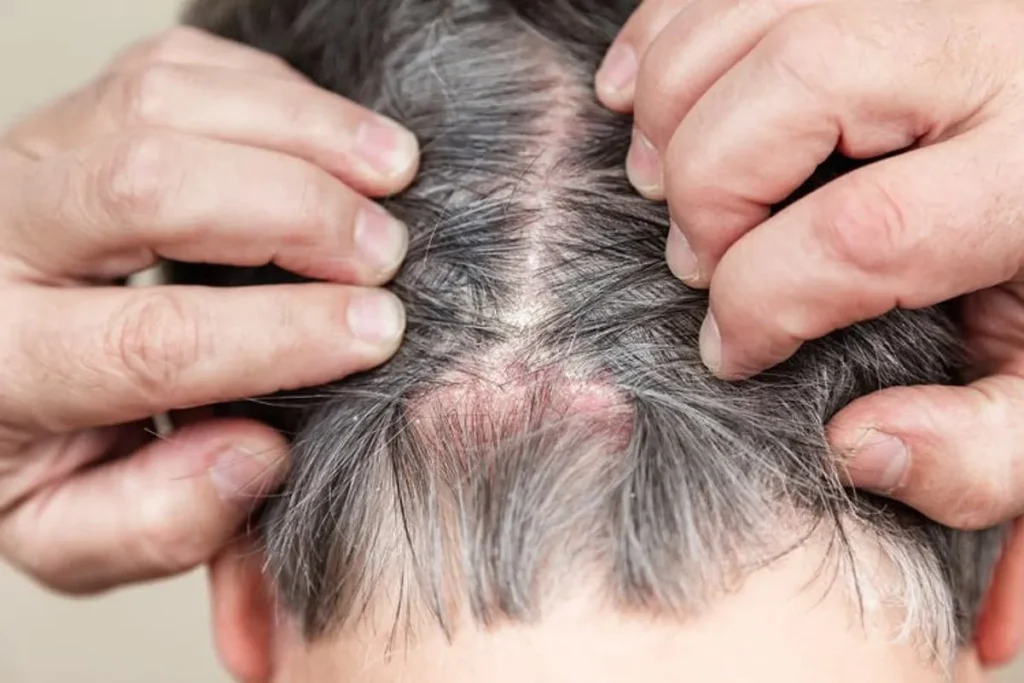
Male pattern baldness, or androgenetic alopecia, affects many men worldwide. Knowing what causes it is key to spotting early signs and finding treatments.
The Science Behind Androgenetic Alopecia
Androgenetic alopecia happens because hair follicles are sensitive to dihydrotestosterone (DHT), a strong form of testosterone. DHT makes hair follicles smaller, leading to thinner, shorter hairs. Eventually, hair stops growing. This starts slowly, often with thinning at the crown or temples.
Genetic and Hormonal Factors
Genetics are a big part of male pattern baldness. If your family has a history of baldness, you might get it too. Hormones, like testosterone and DHT, also play a role. How these factors work together affects when and how much hair you lose.
Hormonal imbalance, mainly too much DHT, is a main cause of androgenetic alopecia. Knowing about hormones is important for finding good treatments.
Prevalence Statistics Across Age Groups
Male pattern baldness can start in late teens, but it gets more common with age. By 50, about half of men have lost some hair. By 80, almost 80% have lost a lot. These numbers show why catching it early is so important.
By age 30, about 30% of men experience some form of hair loss.
By age 50, this figure increases to around 50%.
By age 80, approximately 80% of men have significant hair loss.
Spotting early signs and understanding how it progresses helps men manage their hair loss better.
What Does Balding Look Like? Identifying the First Signs

Spotting balding early can greatly help in managing hair loss. It’s important to catch the first signs quickly.
Receding Hairline and M-Shaped Pattern
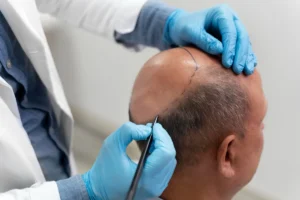
A receding hairline is one of the first signs of balding. It starts with a slight pull back at the temples, creating an M-shaped hairline. The M-shaped pattern is typical of male pattern baldness, where the hairline moves back, showing more of the forehead.
Thinning Crown and Vertex
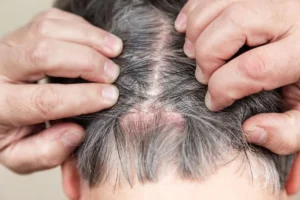
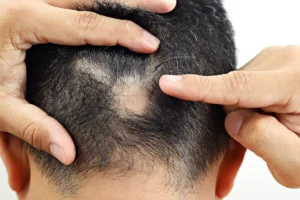
Thinning at the crown or vertex is another early sign. This area may show less hair, making the scalp more visible. Hair thinning at the crown is a common sign of androgenetic alopecia, a condition linked to genetics and hormones.
Hair Miniaturization Process
Hair miniaturization is a key part of balding. It’s when hair follicles produce thinner, shorter hairs. This change can lead to less hair over time. Knowing about this process helps spot balding early.
Normal Hair Loss vs. Male Pattern Baldness
Telling normal hair loss from male pattern baldness is key. Losing some hair daily is normal, but male pattern baldness has a specific pattern. A comparison of normal hair loss and male pattern baldness is outlined in the table below:
Knowing these differences helps figure out if you’re losing hair normally or if it’s male pattern baldness.
Common Progression Patterns of Male Hair Loss
Knowing how male hair loss progresses can help you figure out if you’re balding. Male hair loss, or androgenetic alopecia, is common among men. It’s important to understand how it moves to act early.
The Norwood-Hamilton Scale Explained
The Norwood-Hamilton scale is a tool to measure male pattern baldness. It breaks down hair loss into seven stages, from a little to a lot. Doctors use it to see how much hair loss there is and suggest treatments.
It usually starts with a receding hairline, then thinning at the crown. Eventually, the bald spots might join together. Knowing this scale can help you guess your hair loss.
Timeline and Progression Factors
The time it takes for hair loss to progress varies a lot. Genetics, hormonal changes, and age are key factors. Men with balding in their family tend to lose hair earlier and more.
Hormonal changes, like testosterone turning into DHT, shrink hair follicles. This makes hairs thinner and shorter, stopping them from growing.
Even though hair loss speed is hard to predict, knowing what affects it can help. Acting early can make treatments more effective.
Conclusion: Recognizing and Addressing Early Baldness Signs
It’s important to spot the early signs of male pattern baldness early. If you’re wondering how to tell if you are going bald, knowing the first signs is key. This knowledge helps you act fast.
Spotting baldness early lets you try different treatments. You can choose what’s best for your hair. This way, you can stop the balding before it gets worse.
Knowing the signs of balding can really help you manage it. Stay alert and informed. This way, you can take charge of your hair health and find the right solutions.
FAQ
How do I know if I’m balding?
You may notice gradual thinning at the temples or crown, a receding hairline, or increased scalp visibility over time. Progressive pattern changes are more typical of balding than normal daily shedding.
What are the early signs of male pattern baldness?
Early signs include temple recession, thinning at the crown, finer hair texture, and slower regrowth in affected areas.
What does balding look like?
It often starts with an M-shaped hairline or a thinning spot at the crown, which can expand and merge in later stages.
How can I differentiate between normal hair loss and male pattern baldness?
Normal hair loss involves temporary shedding without visible pattern thinning, while male pattern baldness shows gradual miniaturization in a predictable pattern.
What is the Norwood-Hamilton scale, and how does it relate to male hair loss?
The Norwood-Hamilton scale classifies male pattern baldness into stages from minimal recession to advanced hair loss, helping assess severity and progression.
Can I stop or slow down male pattern baldness?
While it cannot usually be fully stopped, treatments like minoxidil and finasteride can slow progression and sometimes promote regrowth if started early.
How common is male pattern baldness, and what are the prevalence statistics across different age groups?
It affects about 20% of men in their 20s, 30% in their 30s, around 40% in their 40s, and over 50% of men by age 50.
What are the genetic and hormonal factors that contribute to male pattern baldness?
It is caused by inherited sensitivity to DHT, a hormone that shrinks hair follicles and shortens the growth phase over time.
References
National Center for Biotechnology Information. Evidence-Based Medical Insight. Retrieved from https://www.ncbi.nlm.nih.gov/books/NBK278957/