Many people experience an itchy scalp after washing their hair. This problem affects up to 45 percent of the population. It can be very annoying and often points to a deeper issue.
Why does my scalp itch a day after washing? Unlock amazing, powerful secrets to stop scary irritation and achieve incredible scalp comfort.
There are several reasons why your scalp might itch after washing. Harsh shampoo ingredients and mineral buildup from hard water are common causes. Also, conditions like dandruff can lead to itchiness. Knowing the cause is key to finding relief.
When your scalp itches after washing, it means something is off. Leftover product residue, hot water, or irritation from sulfates or fragrances can be the culprits. Finding out what’s causing the itch is the first step to feeling better.
Key Takeaways
Post-wash scalp itching is a common issue affecting a significant portion of the population.
Harsh shampoo ingredients and mineral buildup can contribute to scalp itchiness.
Underlying conditions like dandruff can also cause itchiness after washing hair.
Understanding the root cause is essential for effective relief.
Disruption in the scalp’s natural balance can lead to itchiness.
Understanding Post-Wash Scalp Itching
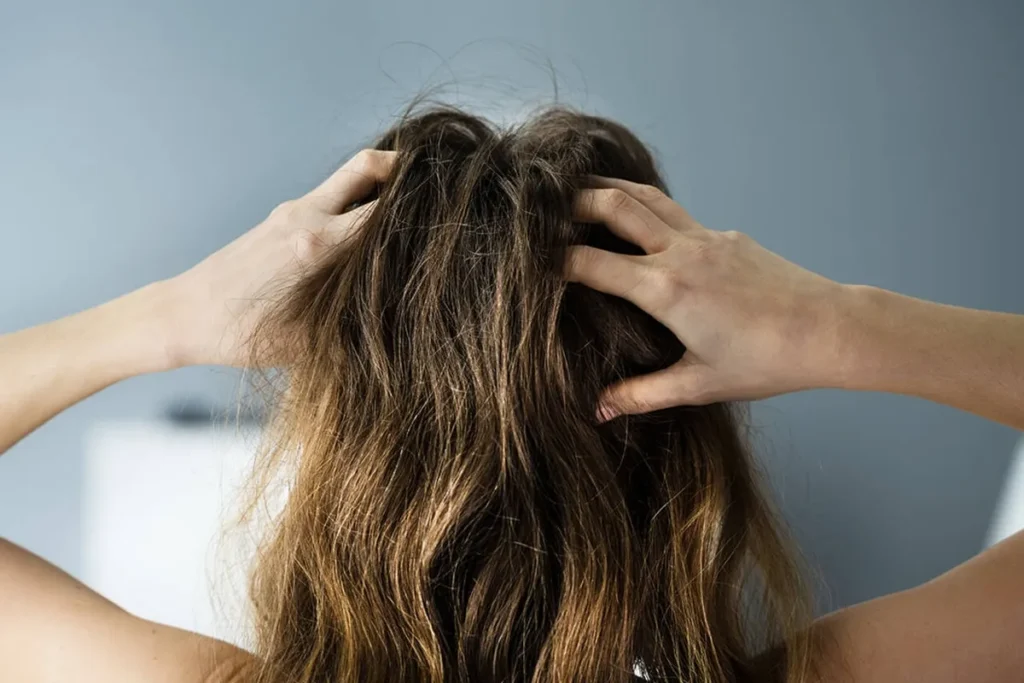
Many people find their scalp itchy after washing their hair. This problem is more common than you might think. Knowing why it happens is key to feeling better.
Prevalence and Statistics
Research shows many people get an itchy scalp after washing. The itchiness gets worse in the 72 hours after shampooing.
Sebum buildup is a big part of this issue. As sebum increases, it can cause irritation and itchiness. Below is a table showing how sebum buildup relates to itchiness over time.
The Science Behind Scalp Irritation
Several things can make your scalp itch after washing. These include sebum rebound and yeast overgrowth, like Malassezia. Also, leftover product residue and not rinsing well can irritate your scalp, making it itch.
The 72-Hour Itch Progression
The itchiness gets worse over 72 hours after washing. It usually gets the worst around the 72-hour mark. Knowing this can help find ways to feel better.
By understanding what causes post-wash scalp itching, you can take steps to prevent it. This includes choosing the right shampoo, making sure to rinse well, and controlling sebum levels.
Why Does My Scalp Itch a Day After Washing?
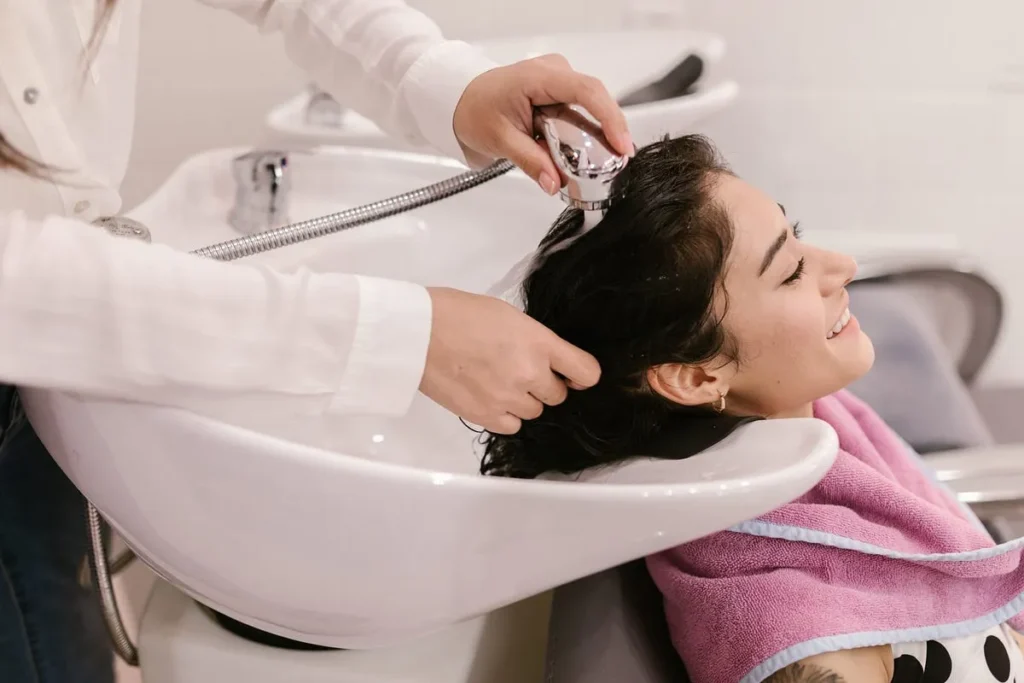
If you’re wondering why your scalp itches a day after washing, you’re not alone. Many people face this problem. It usually means there’s an issue that needs fixing.
Biological Causes
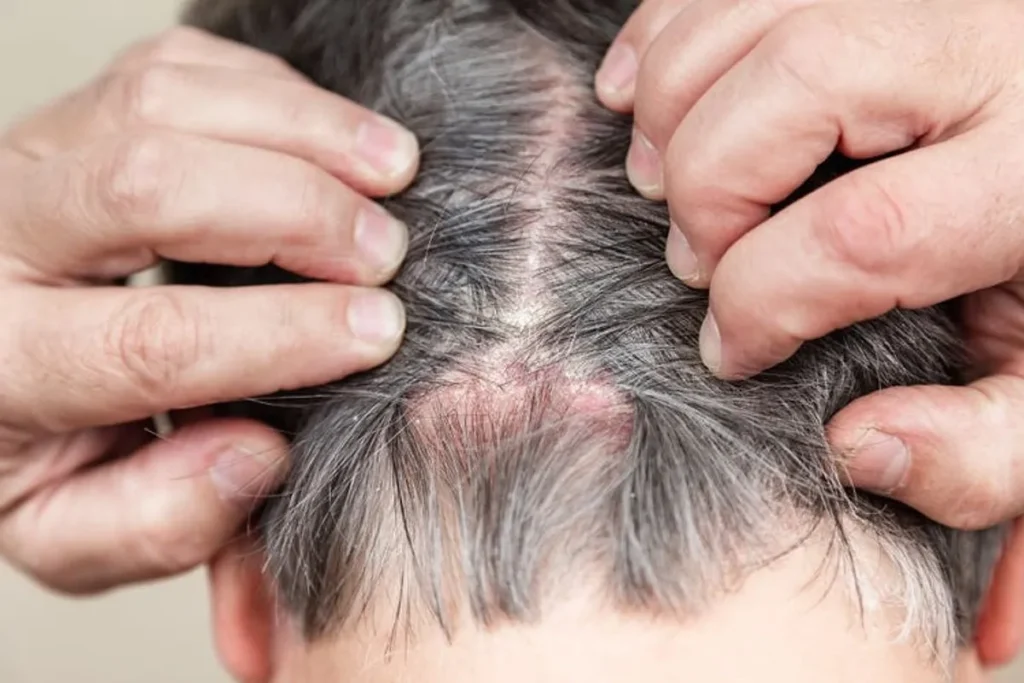
Several biological factors can cause post-wash itching. Conditions like dandruff, psoriasis, and fungal infections are common culprits. These can make the scalp inflamed, leading to itchiness and discomfort.
“The itch is a signal that something is amiss on the scalp,” says Medical Expert, a dermatologist. “It’s essential to identify the underlying cause to provide effective relief.”
Dandruff is a condition with flakes of dead skin, causing itchiness. Psoriasis speeds up skin cell growth, leading to buildup on the scalp. Fungal infections can also cause itchiness and inflammation.
External Irritants
External factors also play a big role in post-wash itching. Irritating ingredients in hair products, like sulfates and synthetic fragrances, can dry out the scalp. Using gentle, sulfate-free shampoos can help.
Hard water, with high levels of minerals, can also irritate the scalp. Using a water filter or scalp treatment can help counteract this.
To stop post-wash itching, it’s key to tackle both biological and external causes. By understanding the reasons and taking steps to fix them, people can find relief from this annoying problem.
Conclusion: Relieving and Preventing Post-Wash Scalp Itch
Figuring out why your scalp itches after washing is key to feeling better. Most scalp itchiness after washing is minor. It can be fixed with a few simple changes to your routine.
Choosing gentle products, making sure to rinse well, and using cool water can help a lot. Finding out what’s causing the itch is the first step to relief.
To stop the itch, keep your scalp’s natural balance. Making smart choices about hair care products and practices helps. This way, you can reduce discomfort and keep your scalp healthy.
By focusing on scalp health, you can say goodbye to scalp itchiness after showers. Simple steps can make a big difference. Learning how to stop the itch is the first step to a healthier scalp.
FAQ
Why does my scalp itch after washing my hair?
Your scalp may itch after washing due to dryness, irritation from shampoo ingredients, or residue left behind. Hot water can also strip natural oils, making the scalp feel tight and itchy.
Can shampoo make my head itch?
Yes, shampoos containing sulfates, fragrances, or harsh preservatives can irritate sensitive skin. An allergic or sensitivity reaction may cause itching, redness, or flaking.
Why is my scalp itchy a day after washing?
Itching a day later can happen if your scalp becomes dry or if oil production rebounds quickly after washing. Product buildup or incomplete rinsing can also contribute to irritation.
How can I relieve itchy scalp after showering?
Use a gentle, sulfate-free shampoo and rinse thoroughly with lukewarm water. Applying a lightweight, soothing scalp treatment or natural oil can help restore moisture.
Is it normal for my head to itch after I wash my hair?
Mild itching can be normal, especially if your scalp is sensitive or adjusting to new products. Persistent or intense itching, however, may signal irritation or an underlying scalp condition.
Can hard water cause itchy scalp?
Yes, hard water leaves mineral deposits that can dry out the scalp and cause irritation. Over time, buildup from hard water can worsen itching and flaking.
How do I stop my scalp from itching after washing?
Switch to gentle hair products, avoid very hot water, and make sure you rinse thoroughly. Installing a shower filter can also help if hard water is contributing to the problem.
Why does my hair itch after washing it?
Post-wash itching often results from dryness, product sensitivity, or leftover residue on the scalp. Restoring moisture and choosing milder products usually helps reduce the discomfort.
References
National Center for Biotechnology Information. Evidence-Based Medical Insight. Retrieved from https://pmc.ncbi.nlm.nih.gov/articles/PMC3233984/[1