Many women struggle with unwanted chin hair, affecting 5% to 10% of them during their child-bearing years. This issue can make them feel self-conscious and annoyed. Excessive hair growth on the chin and jawline, known as hirsutism, impacts many women’s lives.
Why does women have facial hair? Learn the amazing truth and find powerful solutions to stop scary growth for incredible, clear skin today.
It’s important to understand why we get chin hair and how to get rid of it. This article will look at the reasons behind excessive hair growth. We’ll also cover treatment options.
Key Takeaways
Prevalence of chin hair growth in women and its emotional impact.
Causes of excessive hair growth, including hormonal changes and medical conditions.
Available treatment solutions for chin hair removal.
The importance of understanding the causes for effective treatment.
Regaining confidence through appropriate chin hair removal methods.
Understanding Chin Hair Growth in Women
Many women struggle with unwanted chin hair. This issue is caused by genetics, hormones, and sensitivity. It can be upsetting, leading women to look for answers.
Prevalence and Normality
Chin hair in women is common but not always normal. It’s often linked to hormonal imbalances, like too much testosterone. Medical experts say hirsutism, or too much hair, comes from more male hormones or skin that’s too sensitive to them.
Medical Research Journal
The amount of chin hair varies among women. It depends on genetics, ethnicity, and hormones. Knowing if it’s just a normal variation or a sign of something more is key.
Genetic Factors and Sensitivity
Genetics greatly influence chin hair growth. Women with a family history of hirsutism are more likely to have it. Also, how hair follicles react to hormones varies based on genetics and sensitivity.
Understanding these factors helps women tackle their chin hair concerns. They can look into both short-term and long-term solutions that fit their needs.
Why Does Women Have Facial Hair on the Chin?
[Add image here]
Many women grow facial hair on their chin, leading to questions about why. This hair growth can make women feel self-conscious and worried.
Hormonal Imbalances and Androgens
Hormonal imbalances, mainly too much androgens, cause facial hair in women. Androgens are male hormones found in both sexes. When they’re too high in women, it can cause hirsutism. This is when there’s too much hair on the face and body.
Androgens make hair thicker and darker. This imbalance can happen for many reasons, like genetics or certain health issues.
Life Stage Changes: Puberty, Pregnancy, and Menopause
Big life changes like puberty, pregnancy, and menopause can affect hair growth. During puberty, hormonal shifts can lead to facial hair. Pregnancy also changes hormone levels, which can make hair grow more.
As women get older, like during menopause, hormone levels change. This can make facial hair grow more. This change is part of aging but can upset some women.
Medical Conditions Like PCOS
Certain health issues, like Polycystic Ovarian Syndrome (PCOS), cause too much hair. PCOS is a hormonal disorder that affects ovary function. It leads to symptoms like hirsutism, irregular periods, and cysts on the ovaries.
Cushing’s syndrome also causes facial hair, along with weight gain and high blood pressure. It’s caused by too much cortisol.
Knowing why facial hair grows is key to finding the right treatment. It could be hormonal issues, life changes, or health problems. Treating the cause can help manage symptoms better.
Effective Methods to Remove Chin Hair
Chin hair can be annoying, but there are good ways to get rid of it. You can choose from quick fixes or more lasting treatments.
Temporary Removal Solutions
For fast solutions, consider these temporary hair removal options:
Waxing: This method removes hair from the root, giving smoother skin for weeks.
Sugaring: Like waxing, but uses a sugar paste, which is gentler on the skin.
Threading: A precise method that removes hair with a cotton thread.
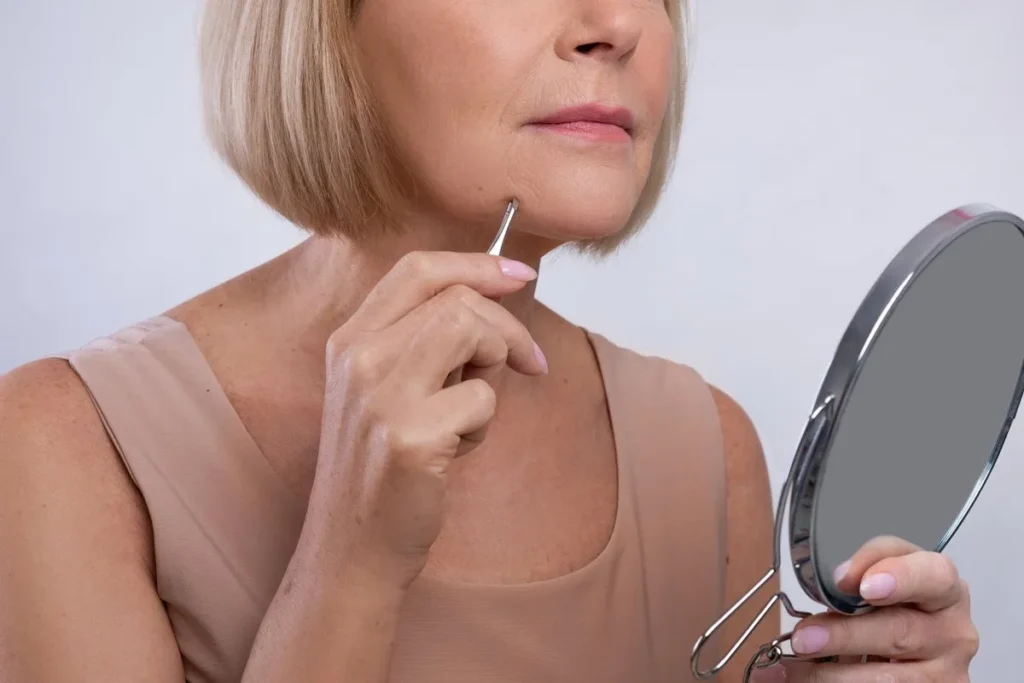
Plucking: Using tweezers for individual hairs, great for stray or sparse hair.
Long-Term and Permanent Solutions
For lasting results, consider these options:
IPL (Intense Pulsed Light): A light treatment that slows hair growth over time.
Electrolysis: A permanent method that destroys the hair root with electricity.
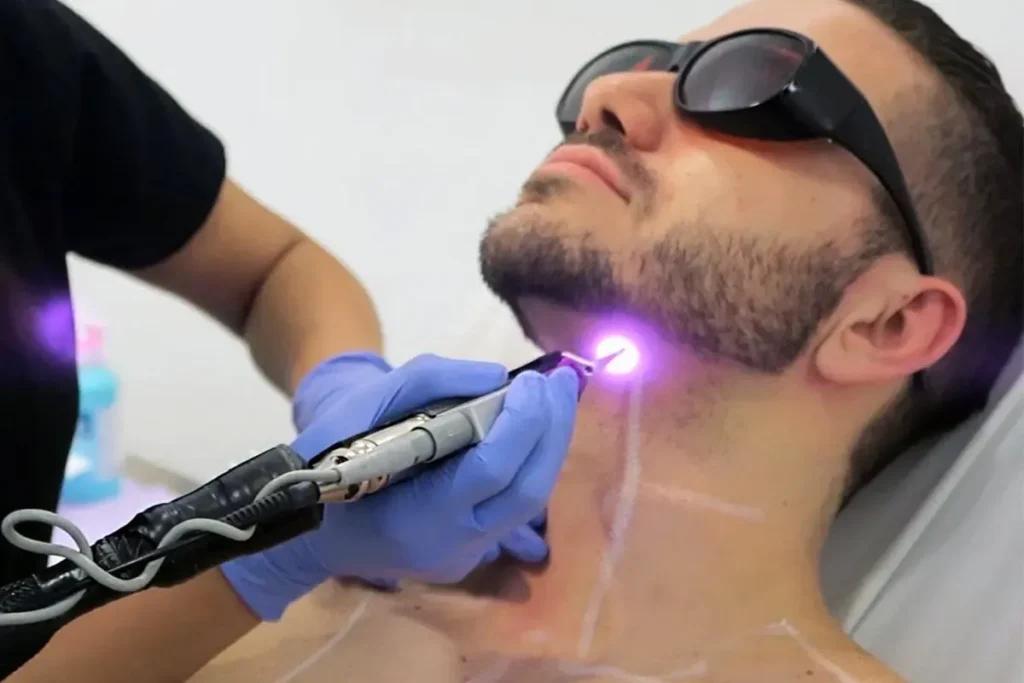
Laser Hair Removal: A long-term solution that uses a laser to reduce hair growth.
Always talk to a professional before trying permanent hair removal. They can help choose the best option for your skin and hair.
Conclusion
Knowing why chin hair grows is key to handling it well. Hormones, genes, and health issues like PCOS can lead to too much facial hair. This is called hirsutism.
There are many ways to remove hair from your chin. You can try waxing, tweezing, or go for something more lasting like laser hair removal. The best choice depends on what you like and your skin type.
If you have a lot of chin hair, see a doctor. They can find out why and suggest treatments.
By tackling the cause and picking the right hair removal, you can keep your chin smooth. This way, you can have skin that’s free of hair.
FAQ
References
Causes of Chin Hair Growth
Chin hair growth in women is primarily triggered by an increase in androgens or a higher sensitivity of follicles to these male-pattern hormones. Common medical drivers include Polycystic Ovary Syndrome (PCOS), adrenal gland fluctuations, or the significant hormonal shifts that occur during perimenopause and menopause.
Normality of Chin Hair
It is very common and medically normal for many women to develop a few stray, coarse hairs on the chin as they age or due to their genetic heritage. While most women have fine vellus hair all over the face, the emergence of occasional “terminal” hairs is a frequent experience and usually does not indicate a health crisis.
Removing Chin Hair
You can remove chin hair through various temporary methods such as tweezing for individual strands, or waxing and threading for larger areas of growth. For those who prefer a painless at-home approach, dermaplaning with a small facial razor or using a targeted depilatory cream can effectively clear the skin’s surface.
Most Effective Removal Methods
The most effective long-term methods are electrolysis and laser hair removal, which target the follicle’s ability to produce new hair. Electrolysis is particularly useful for the chin because it can treat individual stubborn hairs permanently, regardless of their color or the user’s skin tone.
Hormonal Imbalances and Chin Hair
Hormonal imbalances, specifically an elevated ratio of testosterone to estrogen, are the most frequent biological cause of sudden or excessive chin hair. When estrogen levels drop or androgen levels rise, the hair follicles on the chin receive a signal to switch from producing soft fuzz to thick, dark whiskers.
Reducing Growth Rates
To reduce the rate of new growth, doctors may prescribe topical creams containing eflornithine, which slows down the enzymes responsible for hair production. Managing internal hormones through medication or lifestyle changes, such as a low-glycemic diet to improve insulin sensitivity, can also naturally slow down the development of new chin hair.
Development of Chin Whiskers
Some women develop “whiskers”—which are thicker and more deeply rooted than typical facial hair—because certain follicles on the chin are genetically programmed to be hyper-responsive to hormones. This often becomes more pronounced during menopause when the protective effects of estrogen diminish, allowing male-pattern hormones to dominate.
Stopping Growth Permanently
You can stop hair from growing on your chin permanently through a series of electrolysis treatments, which use electrical currents to destroy the growth center of each follicle. While medical treatments can significantly slow and thin the hair, electrolysis remains the only guaranteed way to ensure that a specific hair never grows back again.
Reference
https://www.google.com/url?sa=t&source=web&rct=j&opi=89978449&url=https://pubmed.ncbi.nlm.nih.gov/26292838/&ved=2ahUKEwiXuabbppSTAxWwRv4FHT9NO3gQFnoECBgQAQ&usg=AOvVaw2_q-UXLoPksy_oBHUlDhIR