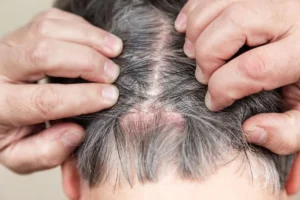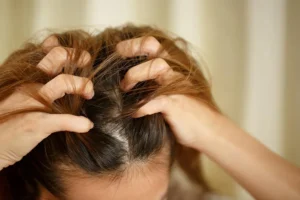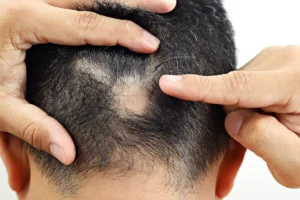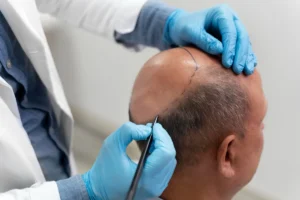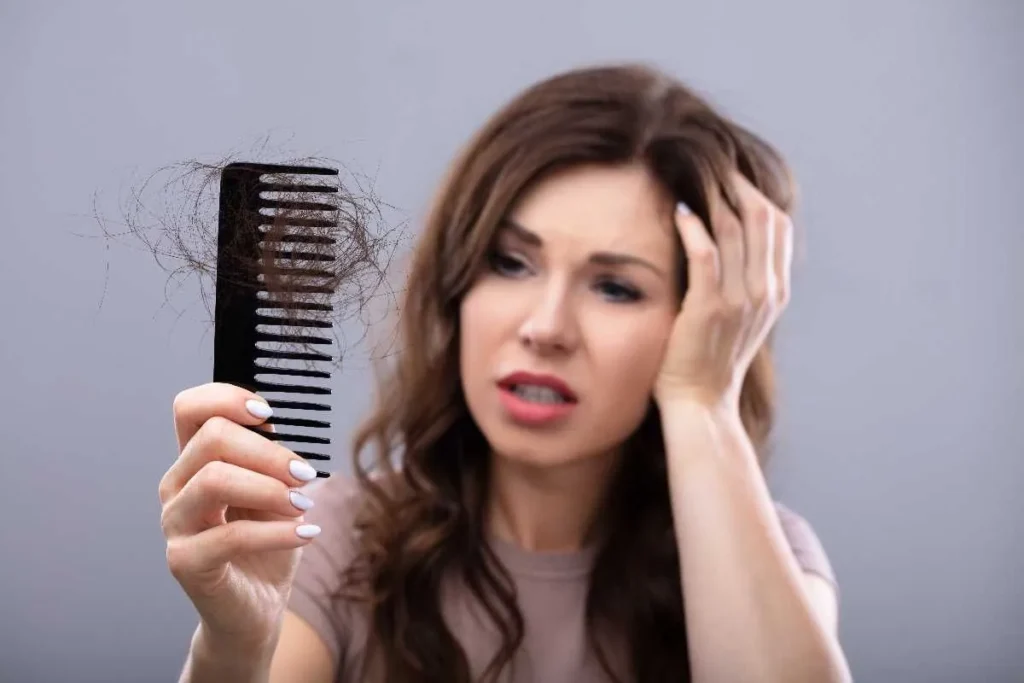
Experiencing hair loss can be upsetting, but it’s common. Millions of people face this issue. The American Academy of Dermatology says losing 50 to 100 hairs daily is normal.
On average, a person has 100,000 hairs on their head. Losing some daily is usually not seen. But, excessive shedding might mean there’s a health problem. Issues like telogen effluvium and androgenetic alopecia are common causes of hair loss.
Knowing how hair grows and what causes loss is important. It helps solve hair loss problems.
Key Takeaways
Losing 50-100 hairs per day is considered normal.
Excessive hair shedding can indicate underlying health issues.
Telogen effluvium and androgenetic alopecia are common causes of hair loss.
Understanding the hair growth cycle is key to addressing hair loss.
Professional evaluation is necessary for determining the cause of excessive hair loss.
Understanding Normal Hair Loss vs. Excessive Shedding
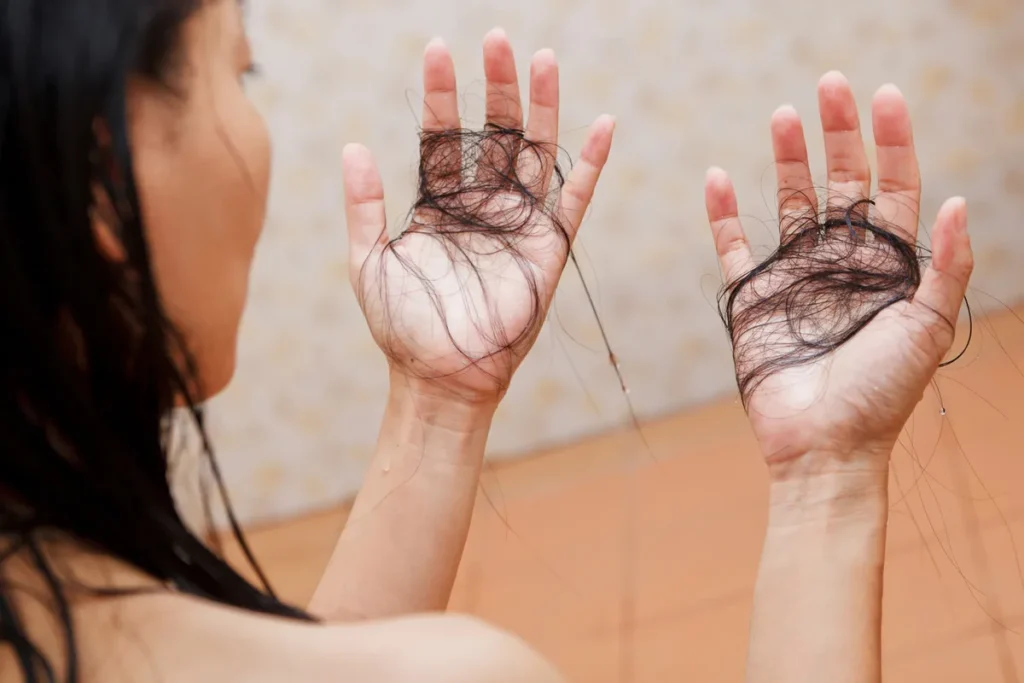
It’s important to know the difference between normal hair loss and too much shedding. Our scalps have about 100,000 hairs. Each hair has its own growth cycle.
The Natural Hair Growth Cycle
Hair goes through three main phases. The anagen phase is when hair grows. Then, there’s the catagen phase, a short transition. Lastly, there’s the telogen phase, where hair rests and falls out.
What Constitutes Normal Daily Hair Loss
Most people lose 50 to 100 hairs a day. This is usually not seen because there are so many hairs. Things like how we take care of our hair, our health, and genetics can change this number.
Here are some important points about normal hair loss:
Average daily hair loss ranges from 50 to 100 hairs.
Hair shedding can be influenced by daily activities such as washing and combing.
Excessive shedding may be due to underlying health issues or nutritional deficiencies.
Knowing the difference between normal hair shedding and too much loss is key to dealing with hair loss.
Why Is My Hair Falling Out? Common Causes
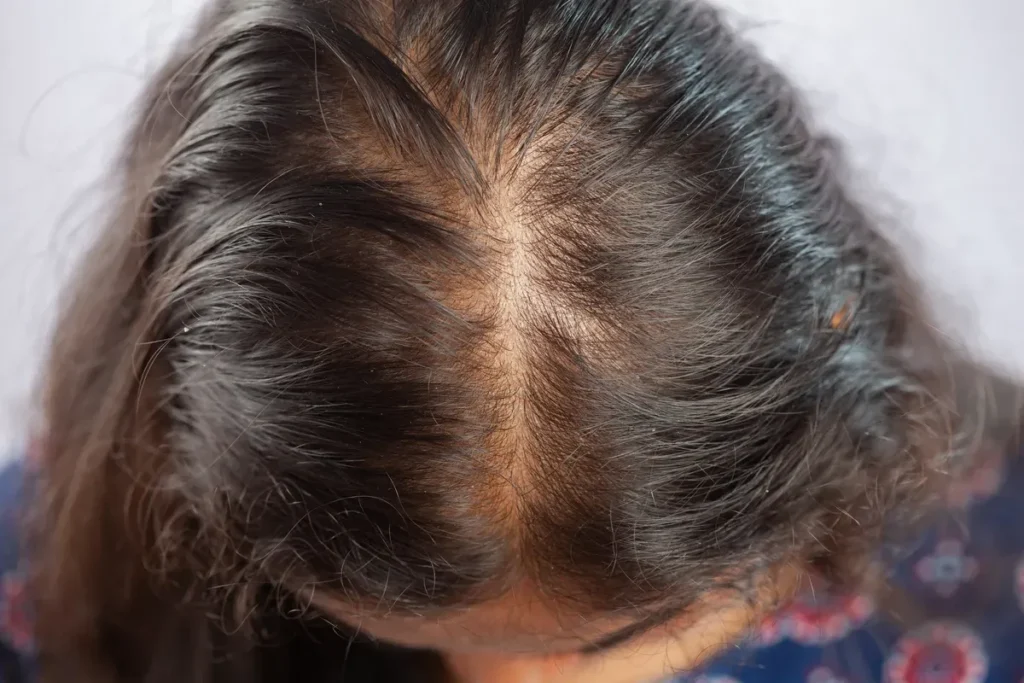
It’s important to know why hair falls out to find a good solution. Hair loss, or alopecia, can happen for many reasons. These include genetics, hormonal imbalances, and certain health conditions.
Androgenetic Alopecia and Hormonal Factors
Androgenetic alopecia, also known as pattern baldness, is a big reason for hair loss in men and women. It’s caused by genetics and hormones, like the hormone dihydrotestosterone (DHT). DHT can shrink hair follicles and cause hair loss.
Hormonal changes, like those in polycystic ovary syndrome (PCOS) in women, can also affect hair growth. These changes can lead to hair loss.
Telogen Effluvium and Stress-Related Shedding
Telogen effluvium is when you shed a lot of hair, often because of stress. This stress can push more hair follicles into a resting phase. This leads to more hair falling out a few months later.
Stress can come from many things, like surgery, being very sick, losing a lot of weight, or going through a big emotional change. Knowing what’s causing the stress is key to fixing telogen effluvium.
Nutritional Deficiencies and Diet Impact
Not getting enough nutrients can hurt your hair. Lack of iron, zinc, biotin, and vitamin D can cause hair loss. A diet without these nutrients can slow down hair growth and lead to conditions like telogen effluvium.
Iron deficiency is a common cause of hair loss, mainly in women.
Zinc is important for hair growth and repair.
Lack of biotin can cause hair to thin and fall out.
Medical Conditions and Medication Side Effects
Some health issues can make your hair fall out. These include thyroid problems, autoimmune diseases like alopecia areata, and skin conditions like psoriasis or eczema on the scalp.
Also, some medicines can cause hair loss as a side effect. This includes drugs for depression, high blood pressure, and cancer. Knowing the side effects of your medicines is important for managing hair loss.
Figuring out why your hair is falling out is the first step to treating it. You might need to balance hormones, manage stress, fix nutritional problems, or change your medicines. There are many ways to stop hair loss.
Effective Solutions and When to Seek Professional Help
Figuring out why you’re losing hair is the first step to fixing it. Some hair loss can be treated with simple changes or over-the-counter products like minoxidil. But, if your hair loss doesn’t stop or gets worse, you need to see a doctor.
Doctors say to get checked if you’re losing a lot of hair. Catching hair loss early means you can start treatment sooner. Treatments can range from medicines to laser therapy or even hair transplants.
Going to a doctor is a smart move to tackle hair loss. They can give you advice tailored to your situation. They’ll help figure out why you’re losing hair and how to stop it.
Seeing a doctor early can stop more hair loss and even help grow back lost hair. With the right treatment, you can manage hair loss and have a fuller head of hair.
FAQ
Why Do I Lose So Much Hair Daily?
Normal shedding is 50-100 hairs/day; excess (>300) signals telogen effluvium or other issues like stress/meds.
Normal Hair Growth Cycle?
What Is Telogen Effluvium?
Stress-triggered shift where 30-70% anagen hairs enter telogen prematurely, causing diffuse shedding 2-3 months later.
Androgenetic Alopecia Effect?
Medications Cause Hair Loss?
Address Excessive Shedding?
Seek Professional Help When?
Shedding >100/day >3 months, patches, scalp symptoms, sudden onset.